Heading to a Sacramento-area river? How to cool off safely
Sacramento’s rivers have long been a refuge for residents seeking to escape the summer heat. As temperatures rise, swimmers and boaters alike are eager to enjoy the waterways located near the city, or just outside it.
But experts say water-lovers should exercise caution, whether they’re taking a dip or launching their boats.
The cold, fast-moving water can create unexpected dangers for anyone, even experienced swimmers, they say.
Tragedy can follow. In April, a 19-year-old drowned after jumping into the water at Tiscornia Park in an attempt to save a young relative. The child survived, but the teenager did not.
Local safety officers and elected officials gathered Wednesday morning to offer advice for anyone heading to a river this summer.
These are the best ways, they said, to keep yourself and your family safe.
Life jackets
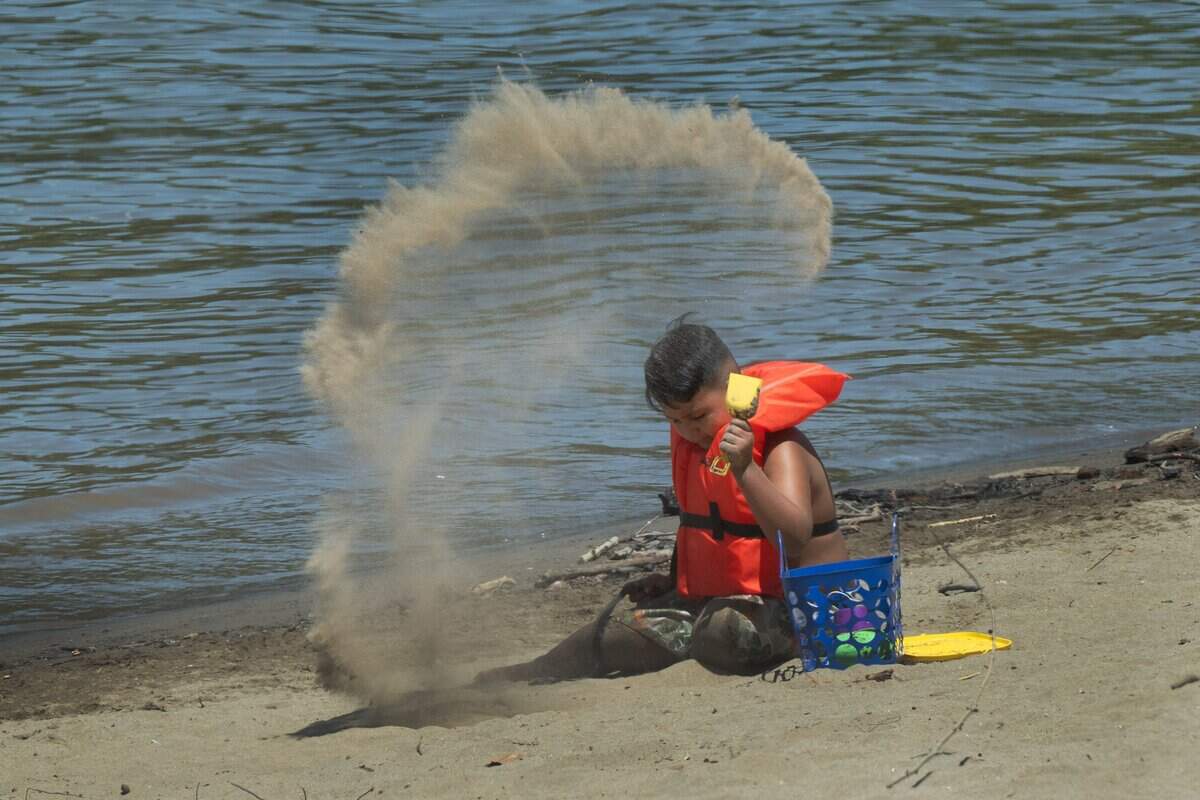
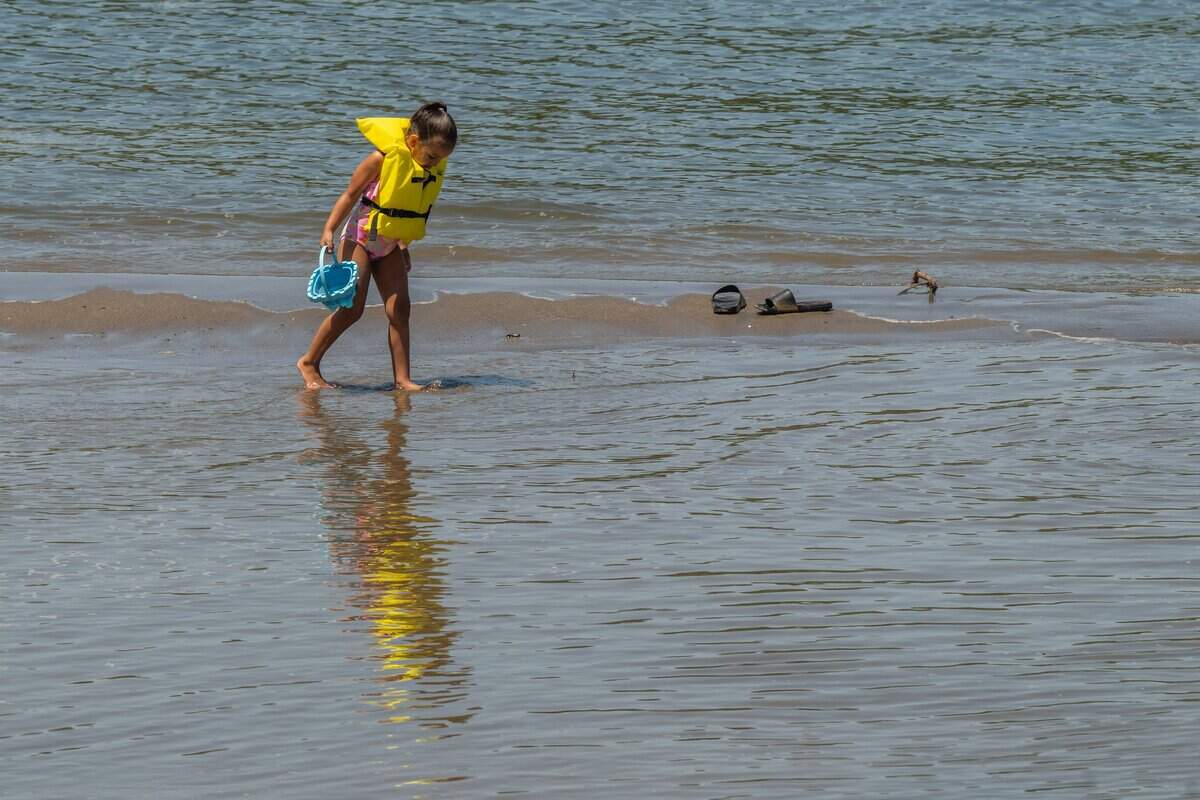
Life jackets are vital, safety officers and Sacramento city council members said.
In an emergency, “a life jacket gives you precious time,” according to Sacramento Fire Department spokesperson Capt. Justin Sylvia. “It helps keep your head above water, even if you’re injured, exhausted or experiencing cold water shock.”
They’re especially important for kids, added Councilmember Roger Dickinson.
“Drowning is the leading cause of injury related death among children 1 to 4 years of age,“ said Dickinson.
For kids under 13, life vests are also required by county ordinance.
“Step up. Take a life jacket, whether you’re a child or an adult,” Dickinson said. “But most importantly, remember that for children, it’s the law in Sacramento County.”
Councllmember Eric Guerra advised parents to be proactive.
“I encourage everyone to make sure you have a life jacket in your garage. Even a used one will help you,” he said Wednesday morning. “As your kids are growing up, right at the beginning of summer, when you’re cleaning out the garage, let’s check the life jackets. Do they fit them? Are they ready to go?”
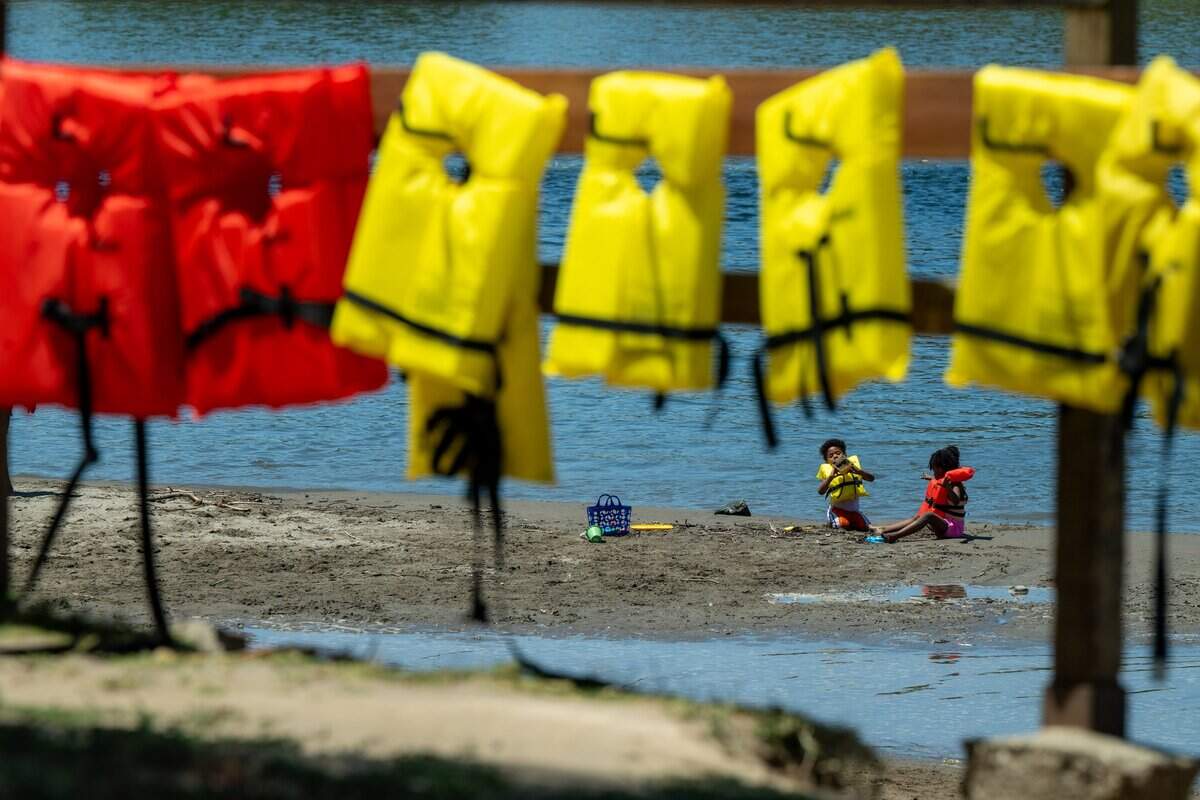
Life vests are also available to borrow at some Sacramento-area parks. Swimmers can grab one off an outdoor rack and return it when they head home.
Boating rules
Sacramento’s local waterways are an valuable resource for boat-lovers in the area, but changing water conditions and strong currents require operators to stay alert.
And before anyone can set sail, they need to obtain a California Boater Card. Issued by the state, the card’s application process required boat operators to complete a safety course.
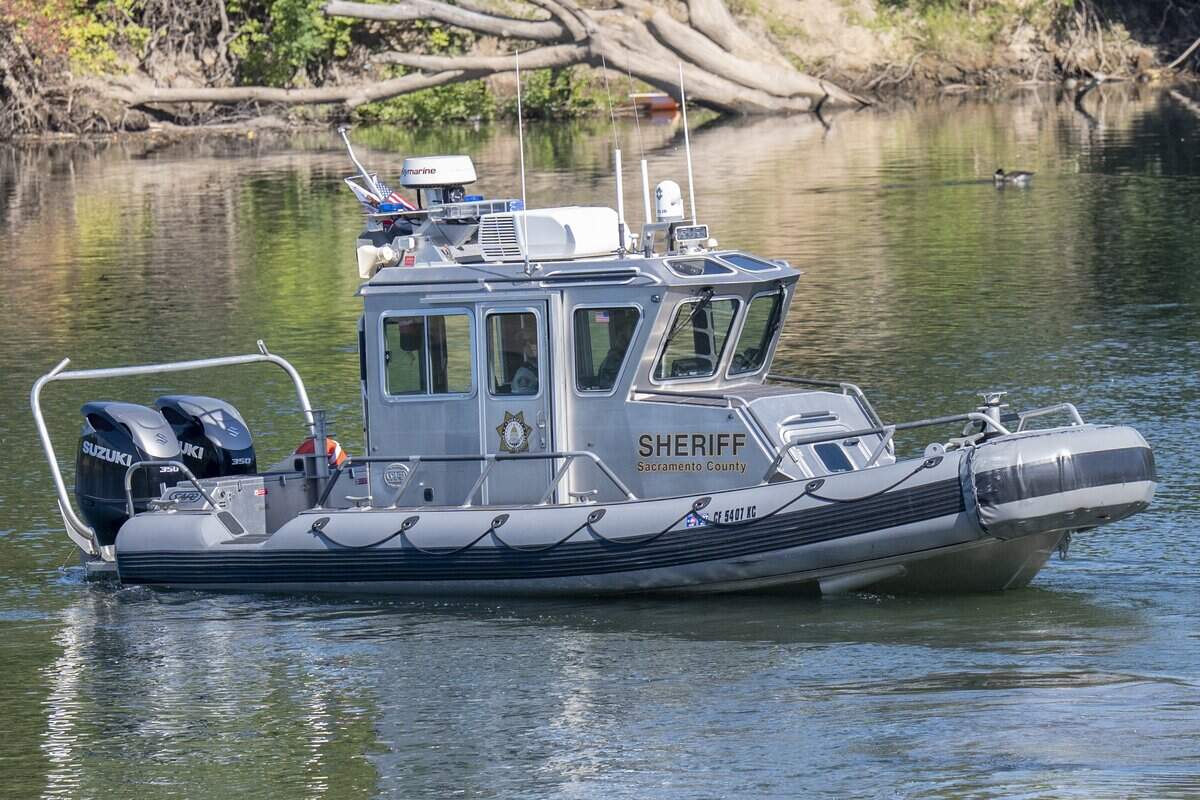
“This education helps operators understand the rules of the water, navigation, emergency procedures and safe boating practices that protect not only themselves, but the waterways they’re sharing other vessels with,” said Sgt. Sam Flores, a representative for the Sacramento County Sheriff’s office, on Wednesday.
Those rules will be enforced by sheriff’s deputies and Sacramento police officers. Representatives from both agencies said they would be patrolling local waterways, ensuring boats are properly equipped with safety gear, including Coast Guard-approved life jackets, throwable flotation devices, fire extinguishers and navigation lights.
Understand the risks
Rivers can be livelier than pools, but they require swimmers to be aware of the dangers that come alongside swimming in nature.
Sacramento’s cold waters can shock swimmers’ systems, making it difficult for them to keep themselves afloat, said Sylvia, the fire department representative.
River currents are often swifter than they appear, and dam releases upstream can cause water levels to fluctuate quickly, he said.
Other dangers lie under the water’s surface.
“Hidden obstacles such as trees, rocks, changing sandbars, debris can trap, injure, trap or injure swimmers and boaters,” said Sylvia.
Sacramento’s public safety officials agree that life vests are the best protection against any and all of these challenges. Residents should enjoy themselves, they said, but remain vigilant.
“Take a few minutes to prepare,” advised Sgt. Justin Boyd, a representative for the Sacramento Police Department, on Wednesday.
“Wear a life jacket, check your safety equipment, don’t operate under the influence, keep a close eye on children,” he said. “Know your limits and look out for one another.”