Plans for Sacramento disabled, Black students advance. Poor district cooperation alleged
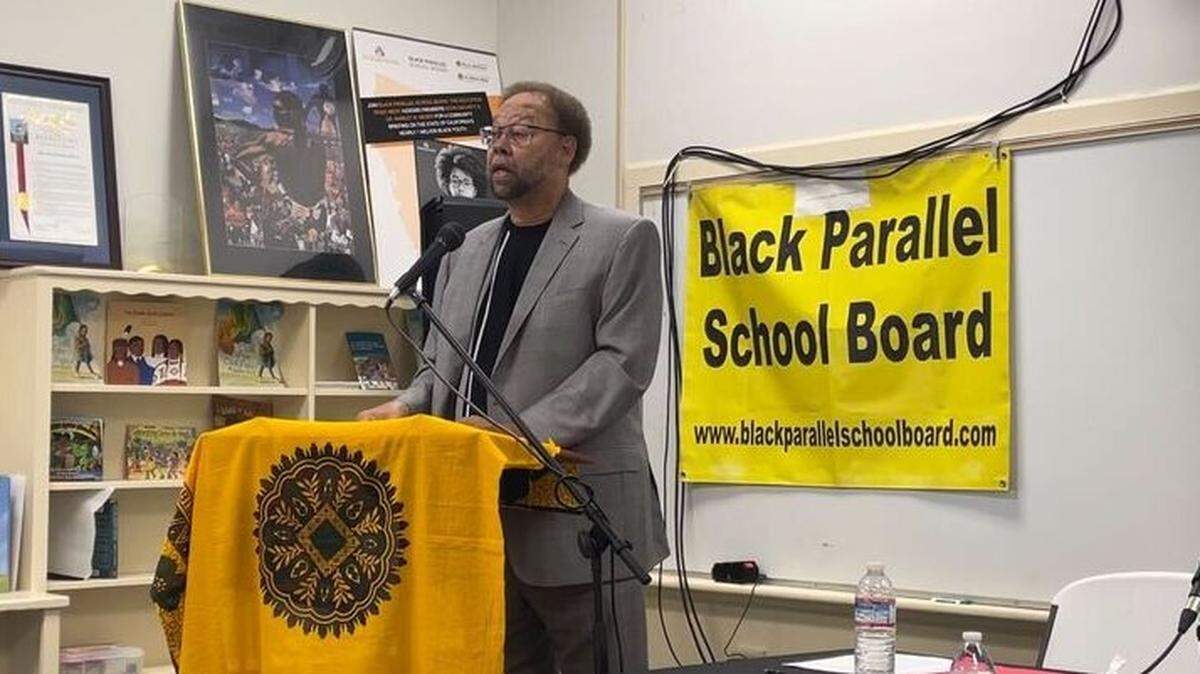
Sacramento City Unified School District is setting forth plans to improve conditions for Black and disabled students in response to its 2023 settlement with the Black Parallel School Board, but the independent monitor tasked with creating and enforcing the plans alleges problematic delays in implementation due to bureaucratic district behavior.
In 2019, the Black Parallel School Board (BPSB) alongside three students petitioned the court to reform the district’s procedures to identify and provide accommodations for all eligible students, claiming that the current system resulted in segregation and mistreatment of students with disabilities, particularly Black students with disabilities. The two parties settled the case four years later on the condition that the district abide by a BPSB-recommended action plan to help these students.
San Francisco Coalition of Essential Small Schools, the independent monitor selected by BPSB and the district, recently submitted its action plan that includes a detailed investigation of the district’s current practices, list of directives and a timeline for the district to meet the goals delineated in the settlement agreement. The monitor will also be responsible for enforcing it and holding the district responsible for adhering to the policy and program changes.
The plan includes 22 directives with 166 actions to improve academic outcomes for Black and disabled students.
Despite spending a year on the plan, some directives could not be fully developed due to a lack of cooperation from the district.
The independent monitor wrote in their plan that while Sacramento City Unified administrators “continually expressed alignment with the goals of this settlement and a strong will and desire to advance the effort,” district staff posed several barriers to completing and implementing the plan in a timely manner. The monitor describes several outstanding data requests, poor communication among district staff and botched efforts at public outreach that have stalled the process and soured some of the goodwill the district earned by expressing its desire to comply with the settlement agreement.
Attempts to gather necessary data to complete a comprehensive plan have been stalled based on what the independent monitor says “seems to be a larger district culture that translates to impediments in accomplishing these data-gathering efforts.” They wrote that despite being guaranteed access to this data by law, there were many behind-the-scenes negotiations with the district superintendent and unions which led to further delay, and that there seemed to be a lack of understanding that this access was necessary.
“The barriers to access have proven formidable and are in direct conflict with the terms of the settlement agreement, which clearly state that the (independent monitor) is to have access to data, premises, and personnel, in compliance with (Family Educational Rights and Privacy Act) and related laws,” the plan reads. “Currently, the (independent monitor) has concluded that the lack of results and poor access to data are in themselves data findings.” The independent monitor also described a lack of access to most district administrators and school principals.
On a timeline of the process of creating the action plan, the monitor describes last-minute planning of an essential community meeting meant to familiarize school administrators with the work. The district sent a notice three days before the event and fewer than 10 school representatives from just six of the district’s 75 schools attended. Attempts to gather feedback virtually after the meeting were fruitless, the monitor said.
Sacramento City Unified spokesperson Brian Heap affirmed the district’s commitment to upholding the terms of the settlement.
“While respectfully disagreeing with that characterization of the process, Sacramento City Unified recognizes the need for systemic changes, which is why we engaged in the transparent process of developing this action plan with independent oversight,” he wrote in an email. “We are fully committed to implementing the changes called out in the action plan, which as noted in the contents, will require strategy, planning, collaboration and expertise amongst all departments, labor partners, BPSB, and the community at large.”
The school board will discuss the plans at its 6 p.m. meeting Thursday at the Serna Center.
Five years down, five to go
Darryl White, chair of BPSB, was not surprised to see reports of poor communication surrounding special education described in the monitor’s plan, but said that this is part of what BPSB is seeking to improve.
“One of the directives deals with culture,” he said. “And in that directive we’re asking to change the culture completely as it relates to special education so that there is a higher level of communication and everyone knows what their part is to play when it relates to students with disabilities.”
White said that despite the hiccups described by the independent monitor in the creation of the action plan, he is excited for its implementation. BPSB has been working for five years to spark change for Black and disabled students in the district and he looks forward to the implementation of what he says is a very comprehensive plan.
“It’s exciting — it’s one of those things where, well, the journey was hard. Five years is a long time,” he said. “We’re hoping that we can get away from the ups and downs and get right to the work which is necessary to change the outcomes of African American students and all students with special needs.”
Other directives detailed in the plan include reducing segregation of students with disabilities in school classrooms, reducing the disproportionate use of discipline on Black and disabled students and developing best practices for individualized education programs.
Also to be discussed at Thursday’s meeting
▪ Sacramento City Unified will finalize its response to the scathing June grand jury report that said the district’s special education department “continues to utterly fail its most vulnerable students.” Issues highlighted in the report are similar to those alleged in the BPSB lawsuit. In its draft response, the district largely agrees with the grand jury’s findings and provides information about its efforts to turn the programming around, including the work they are doing as a part of the lawsuit settlement.
▪ The board will vote on Growth Public Schools’ charter renewal. Growth Public Schools had a hearing on its charter renewal at the last board meeting in August, prior to the more controversial St. Hope charter renewal hearings. The school received positive feedback from district staff and the board and is likely to get its charter approved for another five years.
This story was originally published September 5, 2024 at 7:00 AM.