State deems Sacramento City Unified at ‘high risk’ of financial insolvency
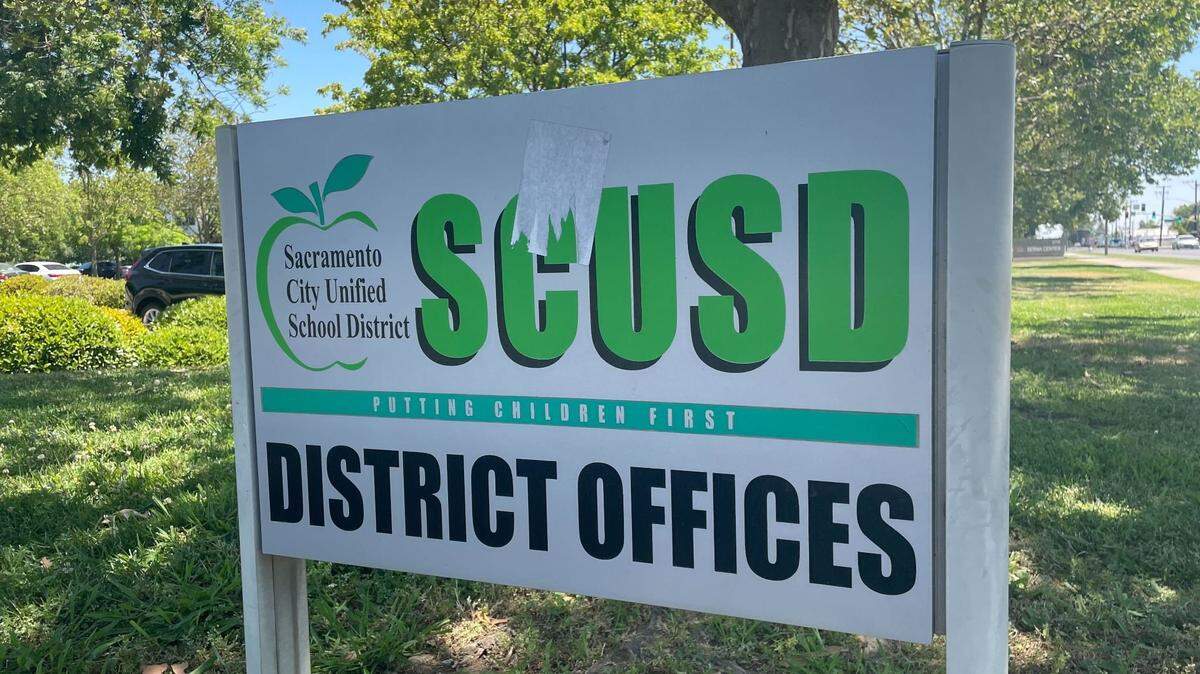
For Sacramento City Unified School District, bad news got worse.
The school district is facing a larger budget shortfall than previously projected, now amounting to as much as $125 million in the 2027-28 school year. Adding to their woes, SCUSD’s current fiscal solvency plan, which includes laying off about 70 administrators and cutting tens of millions in supply funding, is not enough to cover this gap, plus a state agency has deemed the district to be at high risk of fiscal insolvency.
The fire is approaching from all sides as district officials navigate a perilous situation without a chief business officer at the helm.
The Sacramento County Office of Education is stepping in. The agency, which oversees school district finances in the county, will appoint an advisor to help implement and monitor SCUSD’s fiscal solvency plan in the coming months. But if the district doesn’t make the reductions before they run out of cash (estimated to be in June if no reductions are made), further county or state intervention would follow.
“It’s a very serious situation,” SCOE Superintendent Dave Gordon said. “No one wants a district to go insolvent.”
In recent months, district leaders have referred to the budget crisis as “unexpected,” but a fiscal health risk analysis by the state’s Fiscal Crisis and Management Assistance Team indicates that the writing has long been on the wall, or rather never left the wall.
Whether or not school leaders will be able to keep cuts as far from the classroom as possible will be seen in the next several months.
What the state agency found
FCMAT last investigated the district’s potential insolvency in 2018, identifying several areas of concern including budget development, ongoing deficit spending, erosion of the unrestricted general fund balance, inadequate reserves, and leadership and stability. Many of these issues persist, the 2025 report says.
“The areas of concern today are not remarkably different than they were seven years ago,” the fiscal health report reads.
Part of the reason the district has been able to stave off financial hardship was because of an infusion of funding to schools during the COVID-19 pandemic, masking an existing structural deficit and delaying the necessary actions taken to address it, the report says.
In addition to many of the same concerns identified in 2018, FCMAT determined issues with the district’s collective bargaining agreements, financial reserves and position control, the process that manages authorized positions, funding sources, compensation and alignment with district priorities.
Some specific things that color the district’s financial situation, according to the report:
- The district has a practice of initiating unbudgeted contracts that are not approved in advance, particularly those that relate to special education services. Purposely underbudgeting for special education is a practice former Chief Business Officer Janea Marking defended as standard practice at a board meeting last month.But surprise spending is part of what caused immediate budget instability. The district dipped significantly into its reserves earlier this year to pay for a “flood” of costs that cropped up at the end of the year, including unbudgeted expenses related to payroll, contracts, books, special education and maintenance.
- A new contract with the Sacramento City Teacher’s Association signed in September “further eroded” the district’s financial position. The contract, which included a 2% salary increase over the next two years and added a number of support staff positions, added about $38 million in liabilities for the district.
- FCMAT noted that the district’s chief business officer did not certify in writing that the costs incurred by the district under the agreement could be met, violating public disclosure laws.
- The district is not projected to reach minimum reserve requirements by the 2027-28 school year. The district is projected to have a reserve of about $1.7 million by then, very much shy of the $14 million needed to reach the state’s threshold, and there is not a board-approved plan to restore them.
- The district is using unrestricted funds to pay for programs that could be funded by unrestricted funds. Additionally, one-time funding sources are being used for ongoing expenses, like staff salaries and benefits.
The SCUSD Board of Trustees will discuss the FCMAT report, their first interim budget report and an updated fiscal solvency plan at a meeting Thursday. Also on the agenda is the district’s agreement with St. Hope Public Schools, which the two parties have been negotiating for the past six months.