‘Death whistles’ signaled doom for Aztec sacrifice victims. Hear the ‘screeching’
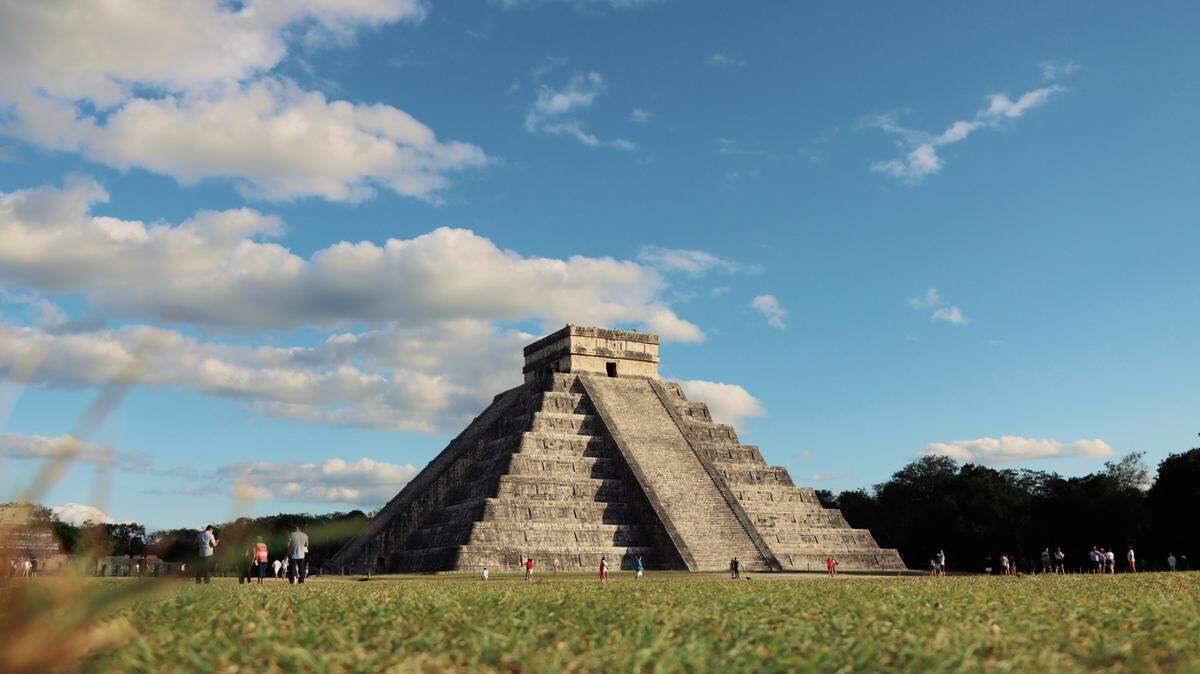
In cultures around the world, instruments have brought music and joy to rituals, ceremonies and everyday life.
But in the forests of central Mexico, a single note from an Aztec whistle didn’t always indicate celebration — it meant death.
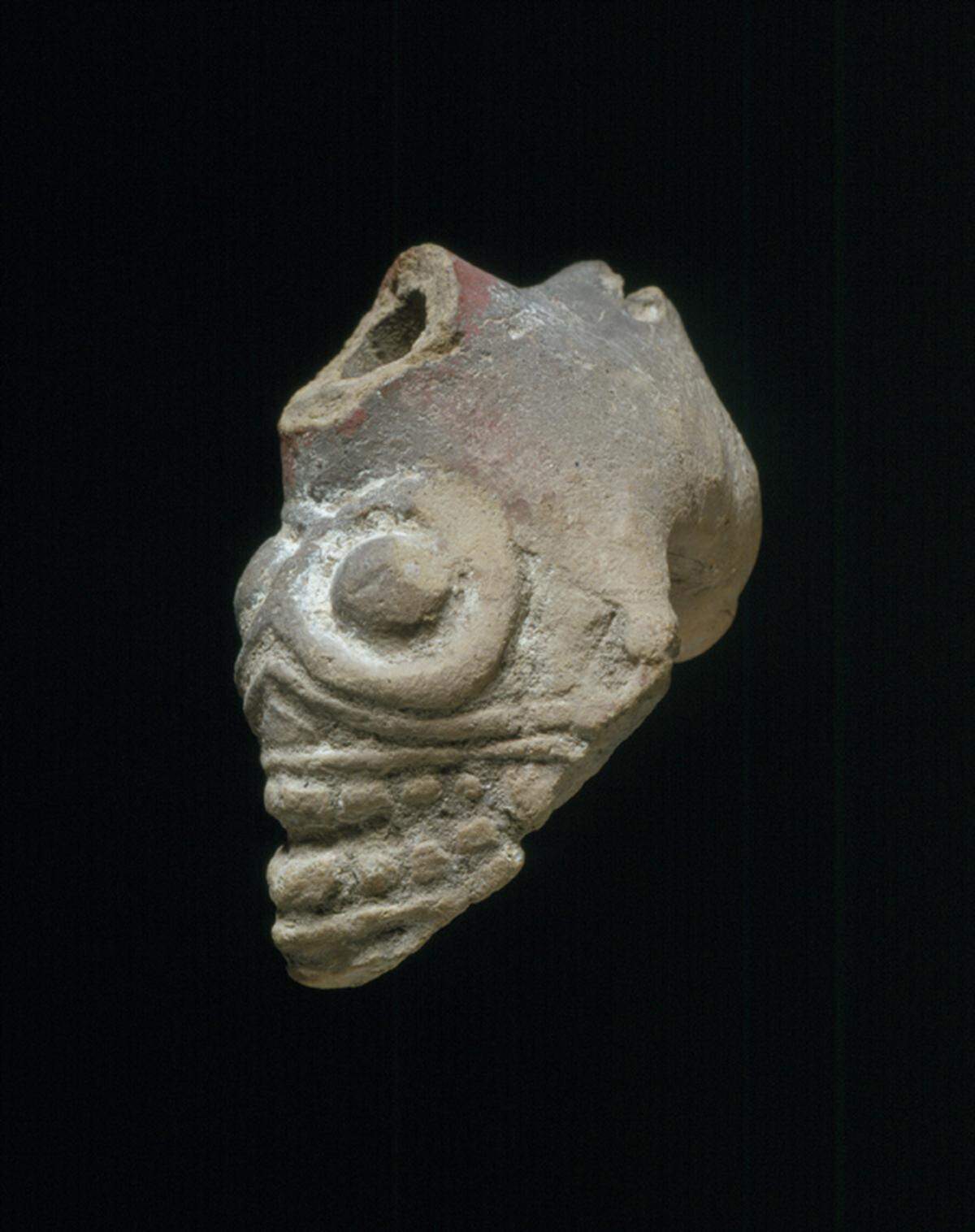
“Death whistles,” or Aztec skull whistles, were short, carved instruments made of two opposing chambers where air could clash and create a “screeching sound,” according to a Nov. 19 news release from researchers at the University of Zurich in Germany.
The exteriors were carved into faces, or skulls, with the hole of the whistle on what would be the top of the head.
A group of researchers, led by Sascha Frühholz, professor of cognitive and affective neuroscience at the university, set out to recreate the blood-curdling noises to study the effect they may have on human brains, according to the release.
Their findings were published Nov. 11 in the peer-reviewed journal Communications Psychology.
“Many ancient cultures used musical instruments in ritual ceremonies. Ancient Aztec communities from the pre-Columbian period of Mesoamerica had a rich mythological codex that was also part of their ritual and sacrificial ceremonies,” researchers said. “These ceremonies included visual and sonic iconographic elements of mythological deities of the Aztec underworld, which may also be symbolized in the Aztec death whistle.”
Researchers said the sound, meant to mimic a human scream, would not only have been terrifying, but it might have been the last thing some people heard before they were sacrificed.
“Their skull-shaped body may represent Mictlantecuhtli, the Aztec Lord of the Underworld, and the iconic screaming sound may have prepared human sacrifices for their mythological descent into Mictlan, the Aztec underworld,” researchers said.
How would that have felt?
To study this, Frühholz and her team collected recordings of original skull whistles being played, and also reconstructed the whistles to create recordings of their own, according to the study.
They also collected recordings of other sounds to compare to the whistling, totaling 2,567 recordings of humans, animals, technical sounds and sounds found in nature, according to the study.
Each participant heard 200 sounds from the total catalog, researchers said.
Listeners rated how the sounds made them feel in what is called “free choice labeling,” according to the study. This allowed the study participants to choose how to identify their emotions.
“Listeners rated these sounds as extremely chilling and frightening,” researchers said. “The Aztec death whistle seems to acoustically and affectively mimic other deterring sounds.”
Study participants also noted whether they thought the sounds were “of natural and organic origin,” or not, and many said the whistle noises were a combination of the human voice and something unnatural.
“This is consistent with the tradition of many ancient cultures to capture natural sounds in musical instruments, and could explain the ritual dimension of the death whistle sound for mimicking mythological entities,” Frühholz said.
The screeching sounds were also played for study participants while their brain activity was being recorded.
“Skull whistles were rated as being largely of negative emotional quality (valence) with a low-to-medium level of arousal intensity (how strong does the sound trigger emotional responses in listeners),” according to the study.
The sounds were considered “aversive and startling” and triggered “urgent response tendencies” in the study participants, researchers said.
“The team also observed brain activity in the regions that associate sounds with symbolic meaning,” researchers said. “This suggests a ‘hybrid’ nature of these death whistle sounds combining a basic psychoaffective influence on listeners with more elaborate mental processes of sound symbolism, signifying the iconographic nature.”
Frühholz said that while this study couldn’t be performed on the Aztecs who would have heard the whistles in their lives, the “basic mechanisms” in the brain are common across human groups in multiple historical contexts.
“Aztec communities may have specifically capitalized on the frightening and symbolic nature of the death whistle sound to influence the audience of their ritual procedures, based on the knowledge of how the sound affects modern humans,” researchers said.
The research team includes Frühholz, Pablo Rodriguez, Mathilde Bonard, Florence Steiner and Marine Bobin.
This story was originally published November 26, 2024 at 11:11 AM with the headline "‘Death whistles’ signaled doom for Aztec sacrifice victims. Hear the ‘screeching’."