2-foot-long creature with ‘blade-shaped’ teeth found in cave. It’s a new species
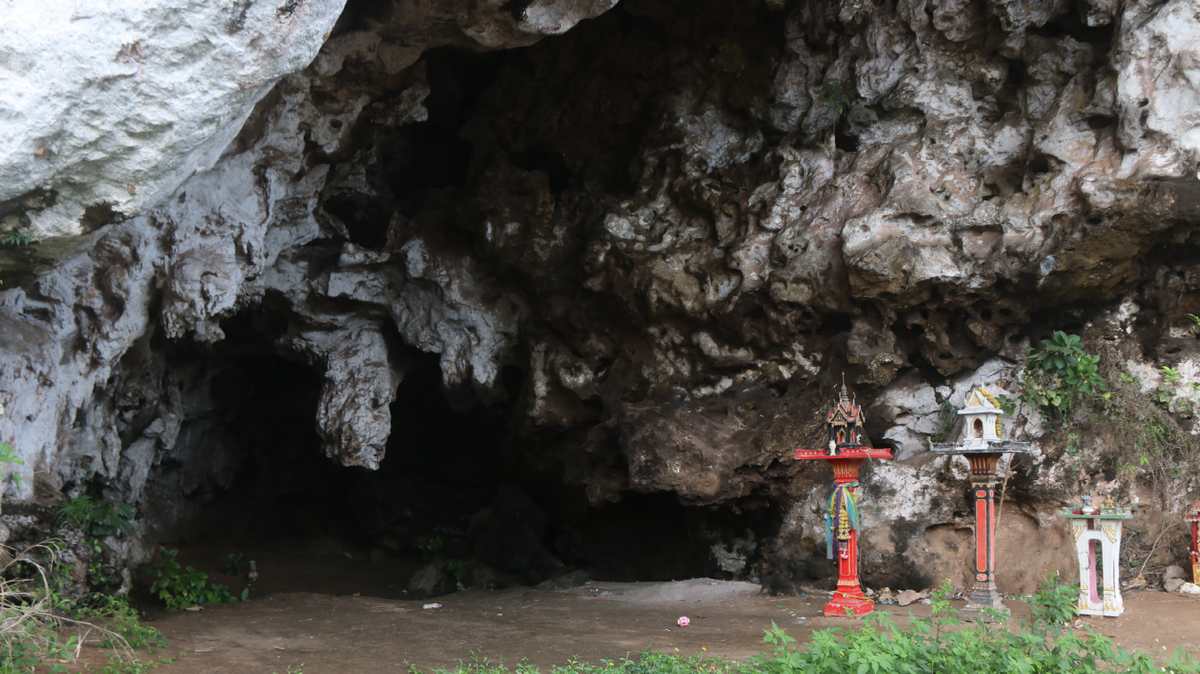
At night in a cave of southern Thailand, a 2-foot-long creature with “blade-shaped” teeth searched for its next meal. Something about it caught the attention of a nearby scientist — and for good reason.
It turned out to be a new species.
Punya Tulyasuk visited some caves in Krabi Province in 2021 to search for wildlife, according to a study published Jan. 14 in the peer-reviewed journal Zootaxa. The surveys were part of an ongoing project to “inventory” the region’s reptiles and amphibians.
During the visits, Tulyasuk noticed a pair of “dull,” patternless snakes and caught them. Tulyasuk sent them to scientists, who took a closer look at the animals and quickly realized they’d discovered a new species: Oligodon cicadophagus, or the cicada-eating kukri snake.
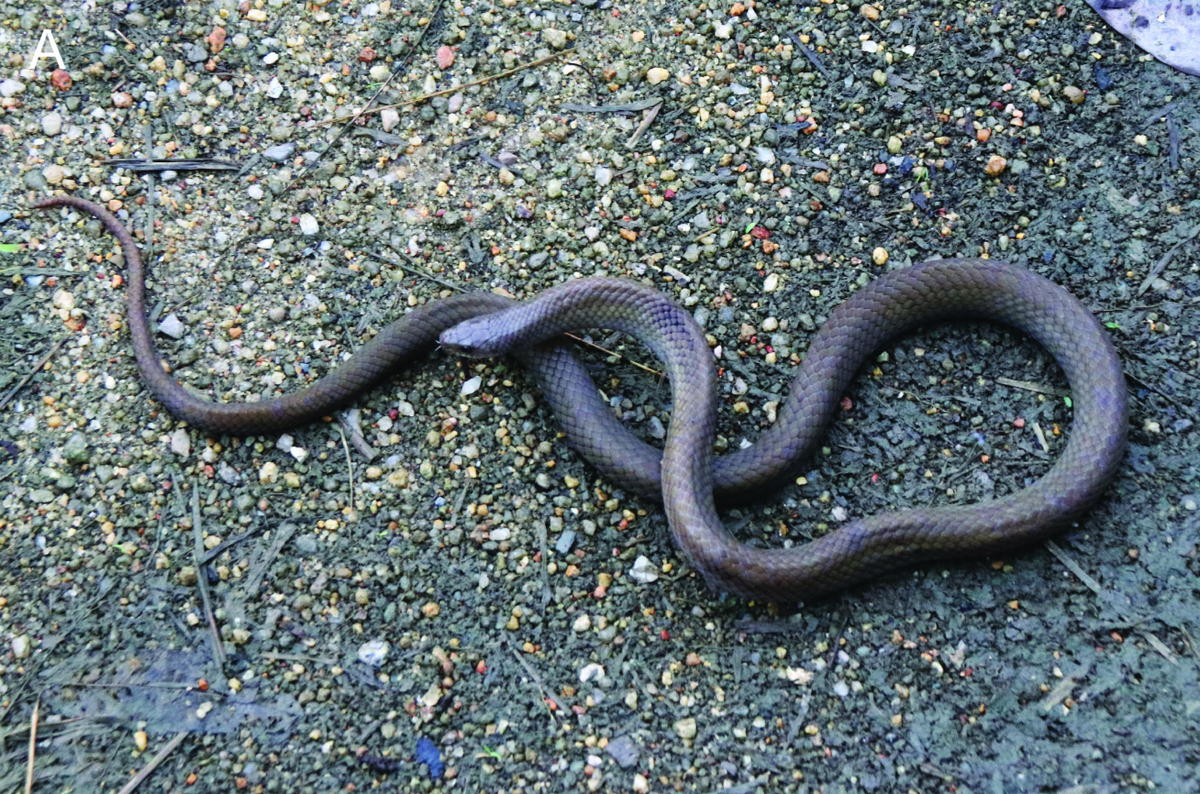
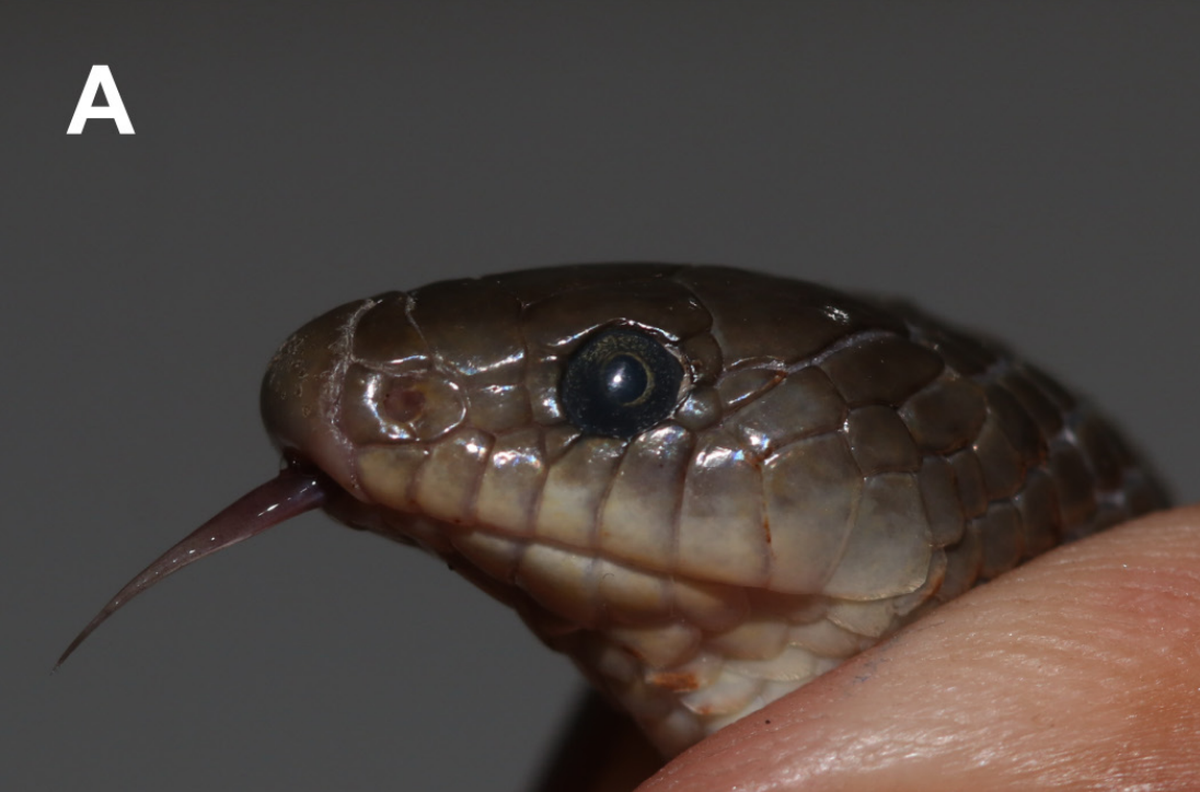
Cicada-eating kukri snakes can reach over 2 feet in length, the study said. They have “robust” bodies, “smooth” scales and “tapering” tails. Their “short” heads have a “long” snout with a “purple brown” tongue and several “blade-shaped” teeth.
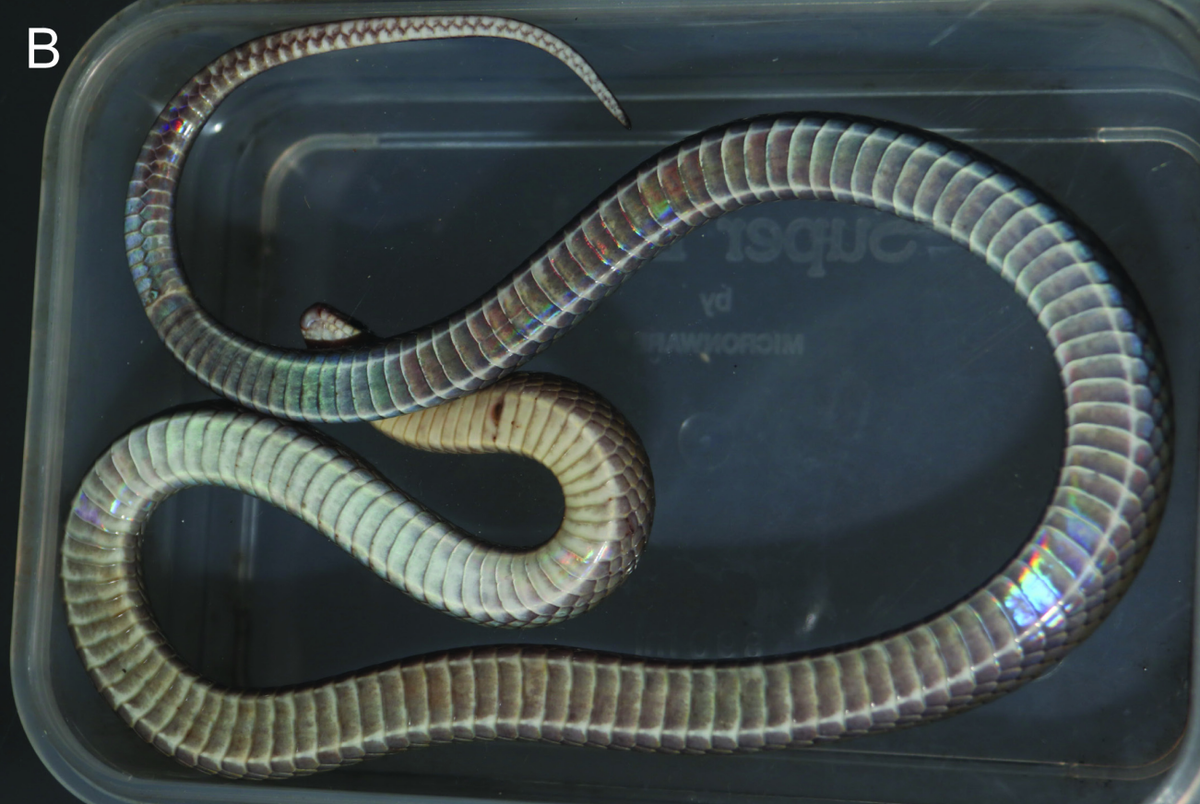
Photos show the “uniformly olive-gray” coloring of the new species. Its body is completely patternless and blends in with the surrounding dirt. Its stomach is ivory-gray and slightly iridescent.
One cicada-eating kukri snake was found in a limestone cave, the study said. Another “caught at night by snake rescuers … regurgitated a cicada” before escaping. The seemingly docile new species did not “bite when handled.”
Researchers said they named the new species after the Latin word “cicadophagus,” meaning “cicada eater,” because of its “unusual prey item.”
Generally, kukri snakes are “known to feed on a variety of invertebrate and vertebrate preys, but the diet of many species is still poorly known,” the study said.
So far, cicada-eating kukri snakes have been found at two neighboring provinces in southern Thailand, a roughly 500-mile drive southwest from Bangkok.
The new species was identified by its teeth, scale arrangement, genitalia, coloring and other subtle physical features, the study said. A DNA analysis of the new species is “pending.”
The research team included Olivier Pauwels, Nattasuda Donbundit, Montri Sumontha and Worawitoo Meesook.
This story was originally published January 15, 2025 at 6:33 AM with the headline "2-foot-long creature with ‘blade-shaped’ teeth found in cave. It’s a new species."