Legislature passes bill to change Cesar Chavez Day to Farmworkers Day
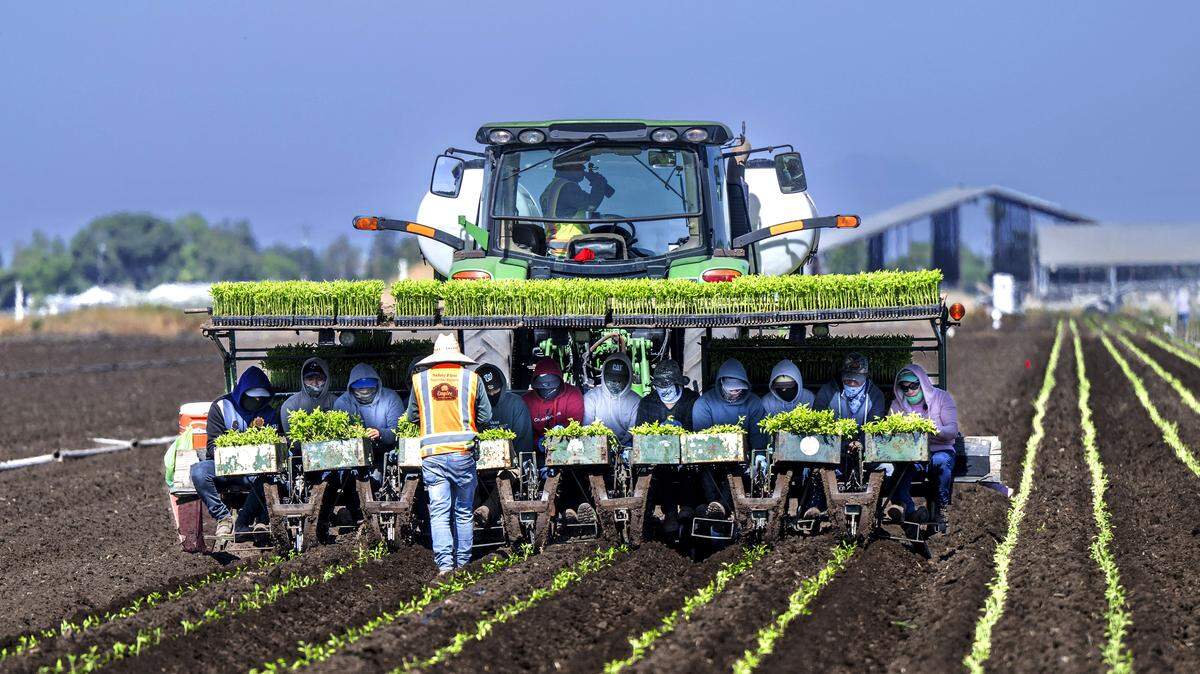
Just eight days after the emergence of allegations of sexual abuse of minors at the hands of Cesar Chavez, the California Legislature has stripped the labor organizer, until last week one of the state’s most iconic political figures, of his state holiday.
On Thursday, the state Senate passed a bill fast tracked through the Legislature that changed Cesar Chavez Day, which falls on March 31, to Farmworkers Day, seeking to take a day dedicated to the now deeply sullied figure and convert it into a broader acknowledgement of largely immigrant workers who labor in California fields.
The state Assembly introduced the measure and voted it through that chamber on Monday, before moving it to the Senate for Thursday’s vote. Gov. Gavin Newsom signed the name change into law Thursday afternoon.
On March 18, The New York Times published substantiated allegations from two women that Chavez had sexually abused them beginning when they were 12 and 13 years old, and had sustained the abuse over years. Dolores Huerta, who cofounded the United Farmworkers Union with Chavez and remains a progressive organizing icon at age 96, also accused Chavez of raping her when she was in her 30s and working with him to build the union’s power. She kept her story a secret, she said in a statement, because she did not want to slow the movement’s momentum.
Since last week, a wide range of Democratic political leaders both in California and nationally have been left to confront the allegations leveled at a figure they long revered and whose legacy they’d built up through the naming of streets, schools and parks, alongside the state holiday.
“The California Legislature thanks the survivors for sharing their truth and hopes that by renaming this day, we are supporting the values of the movement, of dignity and justice,” Senate President pro Tem Monique Limón, D-Santa Barbara, said.
March 31 is Chavez’s birthday. Lawmakers say they intend to ultimately sever the farmworkers’ holiday from that date, but with the state holiday — when offices are closed and state employees make vacation plans — bearing down on California, the Legislature chose to swiftly change the day’s name and reconsider the date later.
“The Legislature will absolutely grapple with the date itself,” Limón said.
Both the Assembly and Senate voted unanimously, across party lines, to change the holiday’s name. Republican lawmakers were in fact first to propose measures changing Cesar Chavez Day to Farmworkers Day, but those measures were superseded when the majority party leaders introduced their joint measure last week.
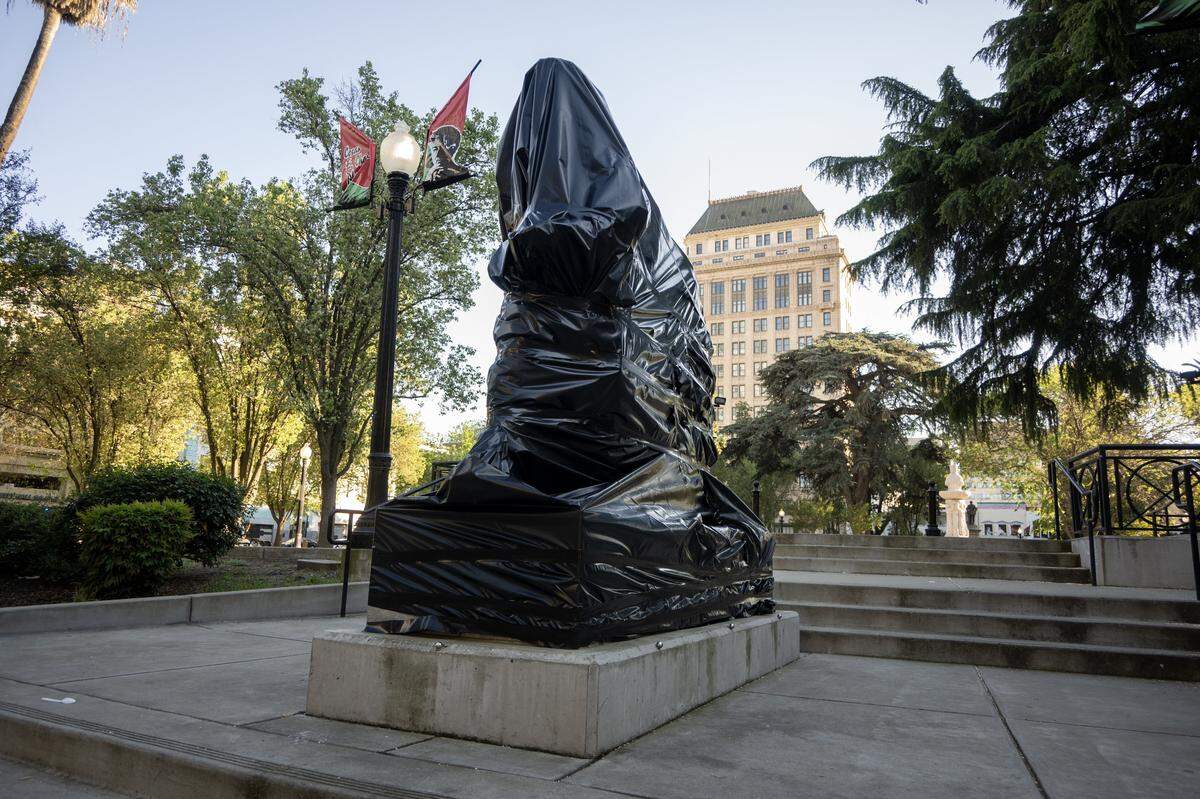
As the bill rocketed through both chambers, there was no real debate over passing it, but, in a Legislature holding plenty of lawmakers whose parents or grandparents came to the state as immigrants or who come from agricultural backgrounds, there was a flood of reflection by members of both parties.
“So many that are here today are sons and daughters of farmworkers,” Limón said. “Their work empowered us to be the fourth largest economy, and their bravery also supported the fight to secure essential worker rights and recognition of their humanity. It was their collective actions that brought justice.”
On the Republican side, state Sen. Suzette Martinez Valladares of Acton described a grandfather with nine siblings and a grandmother with 11. “Every single one of them worked in the fields,” she said. “Grapes, peaches, onions, cotton, watermelon, wherever the work was, they went.”
Valladares saluted the farmworker movement but also said the labor movement brought its own social complexities.
“For generations, farmworkers were excluded from basic labor protections, no overtime, limited rights, little ability to change wage theft,” she said. “The labor movement brought needed change. It gave farmworkers a voice and protection they had long been denied. But my family also remembers the complexity of that time, stories of intimidation, families caught in the middle, because history is rarely simple. What I remember most from my grandmother’s stories is that farmworkers came from everywhere, Filipino, Mexican, Japanese, Black, Portuguese, different journeys, but the same hands in the soil, the same goal — to build something better for their children.”
This story was originally published March 26, 2026 at 12:59 PM.