
After years of infighting, California passes meaningful housing reforms. Now what?
READ MORE
ADUs in Sacramento
State and city leaders have touted ADUs, also known as granny flats or in-law units, as mechanisms to help alleviate California’s housing crisis. Could they help in Sacramento?
Expand All

Why this potential solution to Sacramento’s housing crisis has made little progress
Want to build an ADU in your Sacramento backyard? Tips from a homeowner on rent, size, rules
After years of infighting, California passes meaningful housing reforms. Now what?
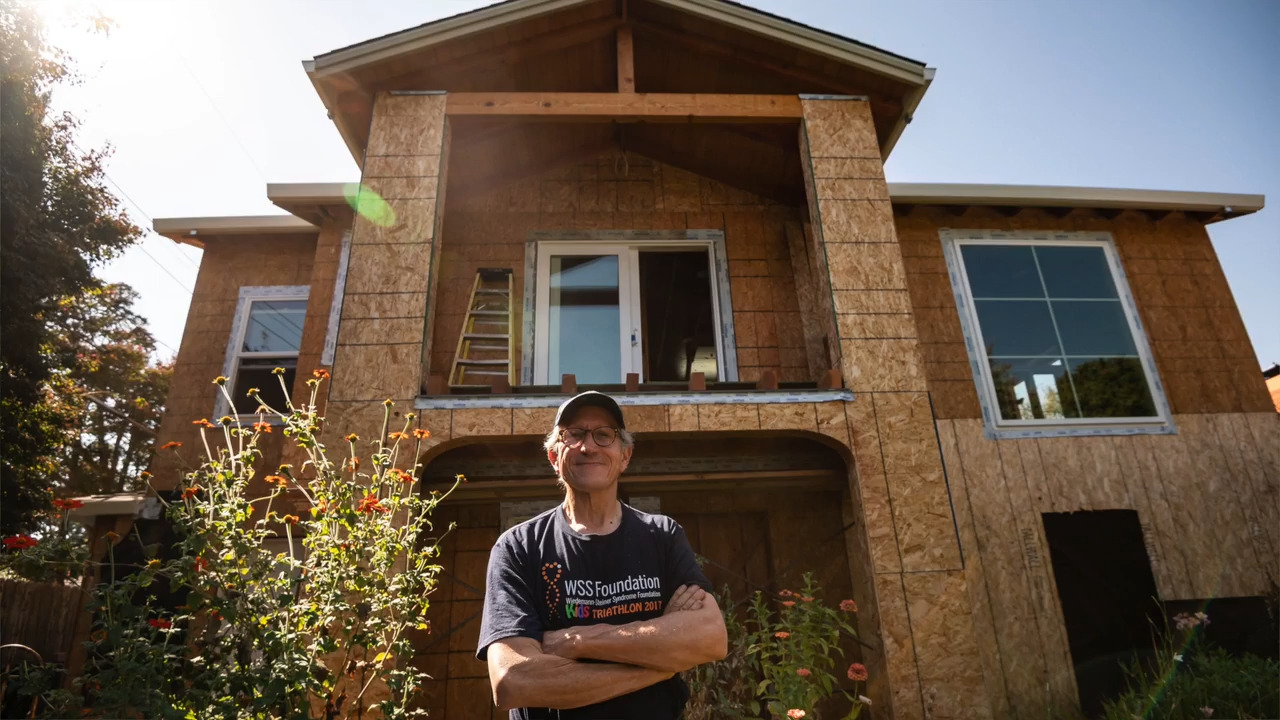
See an ADU, or accessory dwelling unit, being built by a Sacramento City Councilman

More duplexes. Gavin Newsom signs bills aimed at creating more affordable housing in California
There are few issues more pressing in California than housing, where nine out of 10 residents say finding an affordable place to live is a problem. Yet it took the better part of four years for state leaders to finally pass meaningful reforms that could aid the crisis.
The suite of housing bills that were signed into law this month, led by Senate Bills 8, 9 and 10, showed what’s possible when righteous legislation is backed by a broad, informed and stubborn coalition that spans the state. But if it takes this long to legislate action that would create relief needed by nearly every Californian, it’s not clear that state leaders have the will to beat back the housing deficit — or the momentum to act faster in the coming years.
The U.S. Census Bureau estimates that California is short as many as 4 million housing units, but the pace of permitting construction this year is slower than it was in 1975, according to state and federal data. And while housing construction was up 25% over 2020 at the beginning of this year, Gov. Gavin Newsom is far behind his promise to add 3.5 million new homes by 2025.
Finally, however, California saw legislative progress on housing. Two days after the failed gubernatorial recall attempt, Newsom’s signature punctuated a death blow to racist single-family zoning laws that originated in Berkeley in 1916, when city leaders began separating white homeowners from apartments rented by people of color. These exclusionary zoning rules were adopted across the country. (Sacramento leaders were slightly ahead of the Legislature, moving in January to ban single-family zoning from the city’s 2040 General Plan.)
Thanks to SB 9, authored by Senate President Pro Tempore Toni Atkins, property owners statewide can now build up to four units on a single-family parcel. Along with the other new laws, it begins to lower the barriers to denser housing construction.
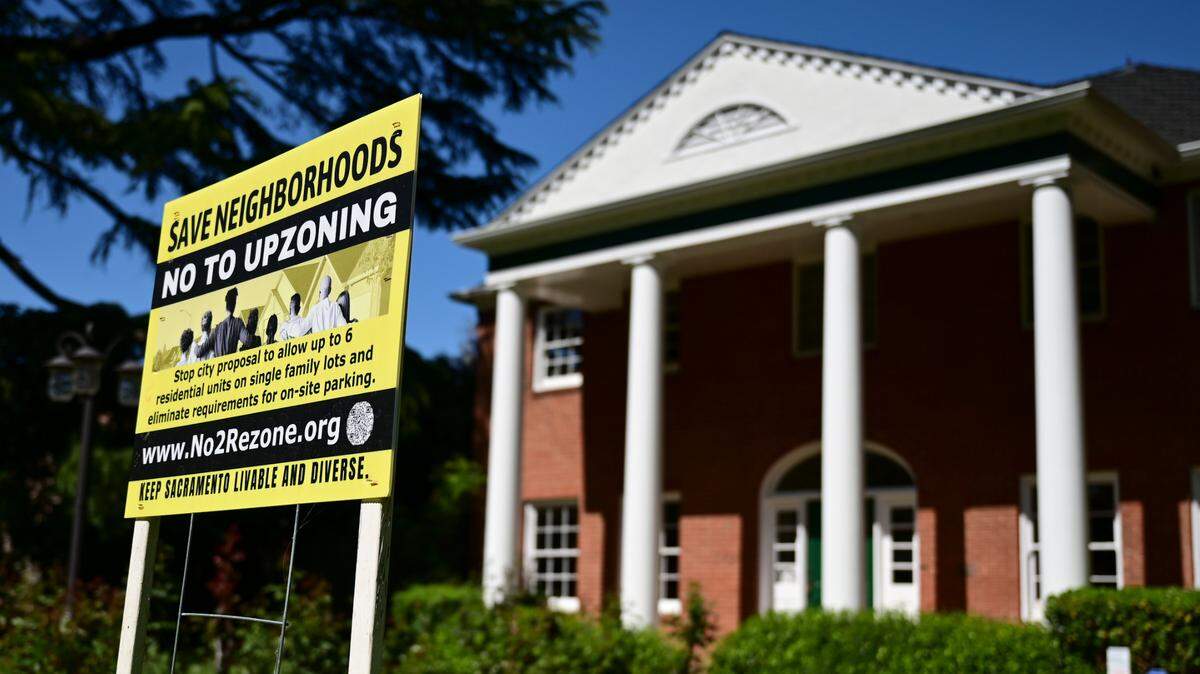
The legislative package is worth celebrating, as is the $10.3 billion for housing in Newsom’s budget. But the bills faced incredible and organized opposition, anchored in Southern California, that needs to be unpacked and examined. Groups like Livable California spread misinformation and cynically weaponized social justice narratives in political ads, including a despicable recent full-page New York Times spread that dubiously claimed “Wall Street wins” with SB 9 and 10. The Los Angeles-based AIDS Healthcare Foundation, a staunch opponent of zoning reform, just sued to block SB 10, which helps local governments rezone for small apartment buildings near transit and jobs.
Local politicians and organizations like the League of California Cities have decried their loss of discretion over development decisions and posed bad-faith questions about affordable-housing incentives. But that’s a false flag of the operational conservatism that permeates the state.
We’ve seen the dark side of local control: single-family zoning, racist deed restrictions and decades of NIMBY-ism. Frankly, if local leaders were up to the task, we wouldn’t need sweeping reforms.
It took too long to pass these laws. While advocates and opposition groups warred, housing prices soared, and homelessness got even worse.
State Sen. Scott Wiener, the author of SB 10, has championed zoning reform for years. In 2018, the San Francisco Democrat’s SB 827, which would have overruled zoning restrictions near mass transit to broadly legalize apartment buildings, died in its first committee. In 2019, he introduced SB 50, which also would have profoundly impacted development by allowing more height and density near transit and jobs, but the bill was essentially killed twice in two years. Last year, he and Atkins co-authored SB 1120, which took another swing at replacing single-family plots with duplexes.
With a critical mass of housing advocates and supporters and increasing legislative consciousness of the crisis, the narrative has shifted, Wiener said. People are willing to take a hard look at the merits of single-family zoning, which covers three-quarters of California’s developable land.
“These NIMBY groups know that they’ll never win the argument based on what their actual goals are, which is to protect their enclaves,” Wiener said. “They have co-opted social justice, housing affordability and tenant protections. They started talking about, ‘There’s not enough affordability in here (the legislation).’ Well, you’ve been fighting affordability in your community for 30 years. … It’s very cynical.”
The legislation only begins to address the problem, though. The state’s housing economics mean SB 9 is likely to lead to new construction on just 1.5% of all single-family parcels, according to the Terner Center for Housing Innovation at UC Berkeley.
Nevertheless, Brian Hanlon, president of the pro-housing advocacy group California YIMBY, called the law “politically incredibly heartening” in that it puts “the final nail in the coffin of single-family-home zoning” and creates new paths for homeownership. But much like the legalization of accessory dwelling units, it’s going to require legislative adjustments going forward.
Hanlon also anticipates a revival of another bill that died this year, Assembly Bill 1401, which would undo parking requirements that limit dense construction. And he said there would be more efforts to address zoning, fees and permitting obstacles that impede housing production.
The anti-housing opposition will have more hills to fight like hell and (hopefully) die on.
As Hanlon noted, the abuse of local discretion and land use authority has nefarious effects that go beyond constricting the housing supply.
“It invites corruption,” Hanlon said. “The fact that politicians, elected officials get a say in the approval of infill projects — that’s not how it works in most of the developed world.”
This story was originally published September 29, 2021 at 5:00 AM.