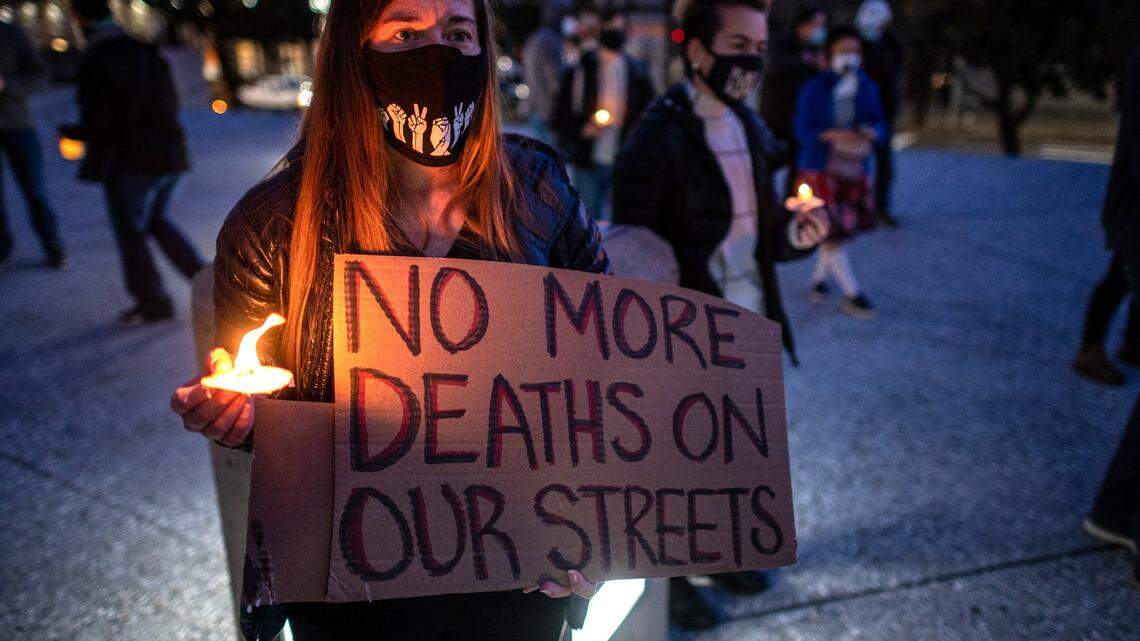
Sacramento warming centers lack warmth: A reminder of county’s absence on homelessness
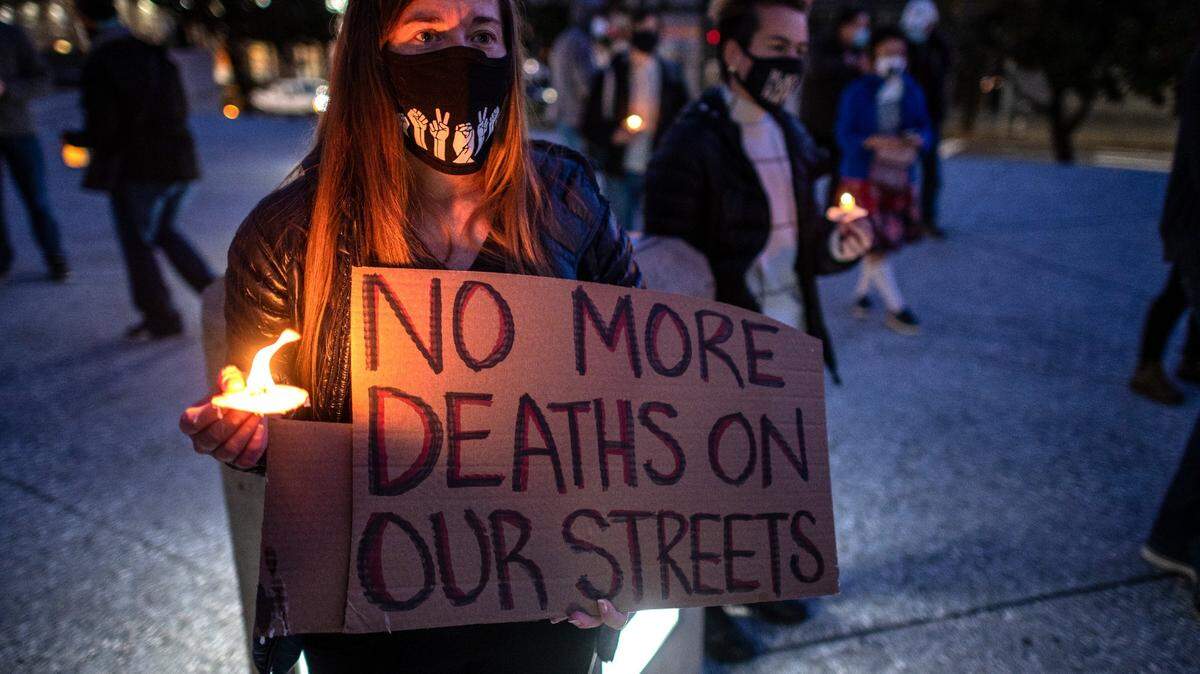
READ MORE
Homeless Deaths in Sacramento
According to a Sacramento Bee analysis, at least 195 homeless men, women and children died in 2021 in Sacramento County, a county that continues to struggle to care for its most vulnerable. That number is significantly higher than the previous record, set in 2018, when 140 homeless people died
Expand All
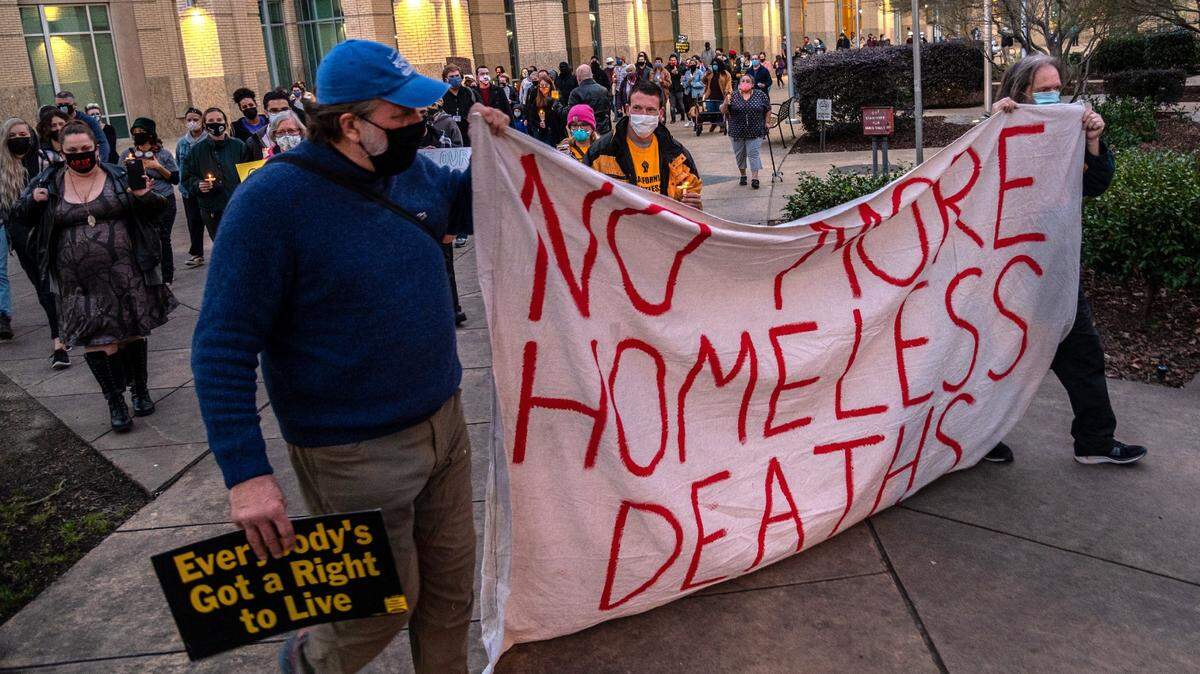
Record number of homeless individuals died in Sacramento in 2021. Here are 5 of their stories
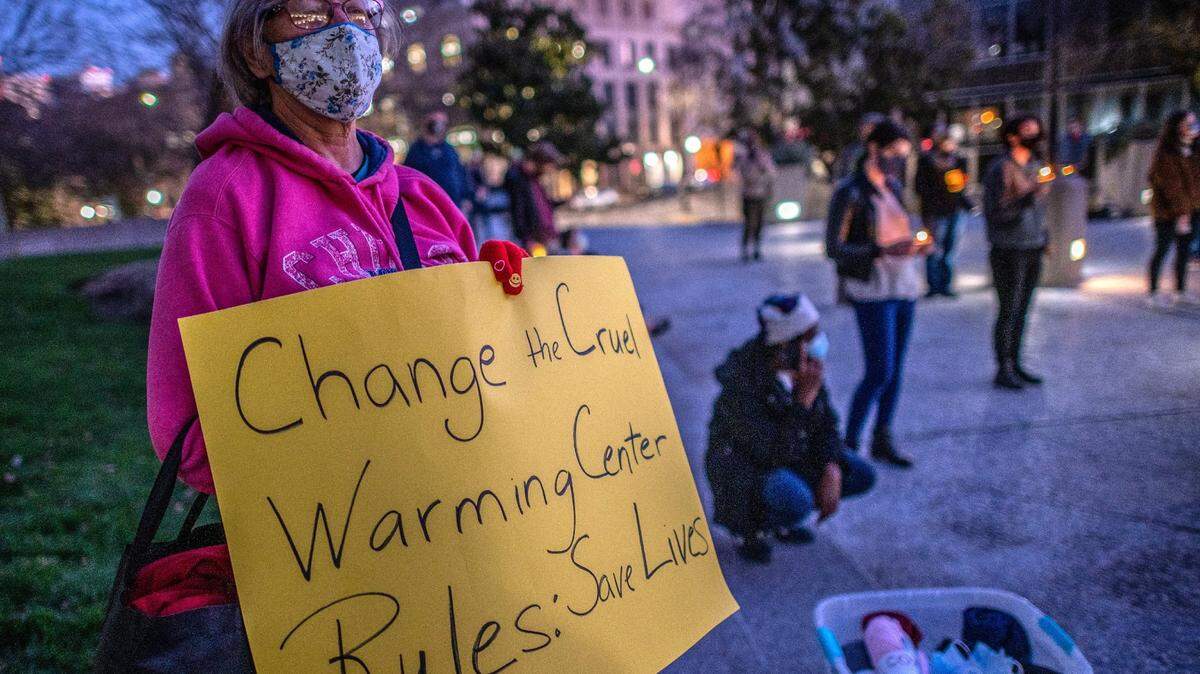
Sacramento spends millions on homeless shelters and services. But is the crisis worse?
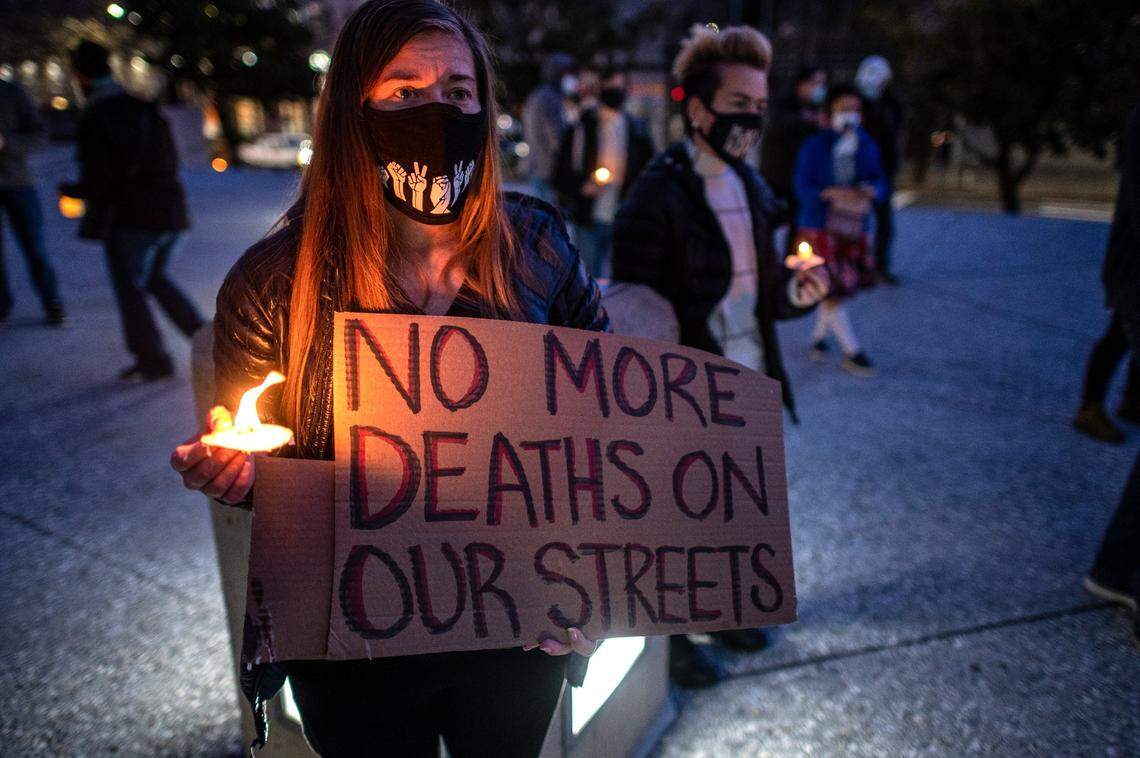
Sacramento warming centers lack warmth: A reminder of county’s absence on homelessness
6 ways you can help Sacramento County’s homeless community this winter
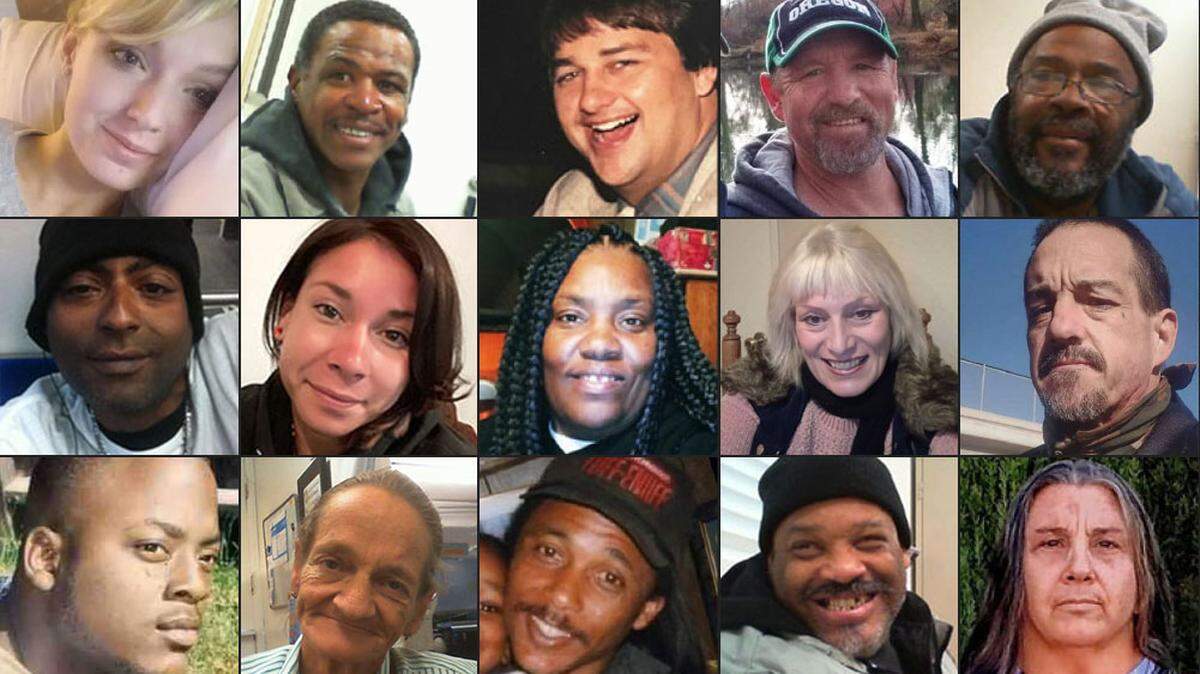
More than 200 homeless people died in Sacramento County last year. What we know about them
The evening of New Year’s Day, I bundled up in a sweater, boots and hat, and left my warm home for the short drive to Sacramento City Hall. My car registered the city’s external temperature as a frosty 42 degrees, but all I knew was that it felt bitingly cold outside — cold enough for the city of Sacramento, as well as the county and some private churches, to open their doors as “warming centers” for the unhoused.
But let’s be clear: “Warming” is a misnomer. Though these sites are touted as respites from the freezing nights, there is very little in the way of actual warmth being offered. At City Hall, hard plastic chairs are placed six feet apart on a cold tile floor. In the back of the lobby, a small table with room temperature water, granola bars, and a few boxes of twin-sized emergency blankets were handed out on request.
Nick Golling, program manager for the city-run Department of Community Response, said the guests will often stretch out to sleep beside the chairs, but unless they brought their own sleeping bag or pads, the tile floor was their only mattress. No hot food, no hot drink and no otherwise warm items were made available.
So yes, the lobby was out of the cold and there was a restroom nearby — but there was very little else that qualified as “warming” or “shelter.”
According to Gregg Fishman, spokesperson for the Department of Community Response, that’s because City Hall was never constructed to serve as a homeless shelter. The DCR was launched last July as “an alternative response model for 911 calls that do not require a police officer response.” The bulk of the work is homeless outreach and standing up the city’s respite shelters.
“What we need is a dedicated site for a respite center,” Fishman said, “rather than have it set up and taken down on a daily basis in a building that is not designed for that purpose.”
On the county side, the Department of Human Assistance utilizes a homeless response team.
Both operate two extreme weather shelters during the winter and summer months: The city’s two at City Hall and the Hagginwood Community Center; the county’s two at Creekside Adult School in Arden Arcade and a second location near the P Street exit in midtown. And both work with each other and with Regional Transit when available to provide transportation from known homeless camps and popular gathering sites, or to and from shelters when they reach capacity.
But do not mistake them as equals. Sacramento County, the government charged with leading the region’s response on homelessness, has left the city and the new DCR fill the void created by years of inaction.
The county of Sacramento budgeted $48.9 million for homeless and community services in the 2021-2022 fiscal year. The city of Sacramento has only been able to budget approximately $17 million to the Department of Community Response since it was created last summer, Fishman said, with an additional $12.4 million arriving in the new year.
And with an overall budget of approximately $7 billion (the city’s budget is roughly $1.3 billion) the county bears the greatest responsibility to the entire population of Sacramento — housed or unhoused. Residents should not expect the city to take on the leadership role the county should be performing over the simultaneous crises of homelessness, substance abuse, mental health and social work.
While the City Hall location typically hosts up to 60 or more of the unhoused both inside and outside its doors, the county warming shelters often only see single digits. The two county-run shelters served a total of 21 people over New Year’s weekend, according to a press release. In stark contrast, experts say the unhoused population in Sacramento County may be more than 10,000.
So why aren’t more people using the warming shelters? The answer is complicated, according to city and county officials. Unhoused persons cannot bring most of their belongings with them to these sites, so they risk theft by leaving them overnight. They also may not feel safe, or feel like the trek to one of the locations is worth it. They may have an animal with them that cannot or will not be kenneled or doesn’t do well in group situations. There are many reasons why someone might risk a few cold nights on the street instead of utilizing the service.
Sacramento County spokesperson Janna Haynes said the county’s weather-respite motel voucher program is more popular among the unhoused for these reasons — a semi-permanent room for several days is more permanent than a 12-hour shelter — but that it’s a “very targeted” program. The unhoused can neither drop in nor recommend themselves to get a room; they must be contacted by one of the nonprofit service providers the county works with (such as Hope Cooperative or Sacramento Steps Forward) and personally offered one, according to Haynes.
There are about two dozen nonprofits in the area trained on the county’s system for a rotating, digital list of about 100 rooms on any given night. The service provider not only books the unhoused person or groups the room, but then also transports them to it, Haynes said. The city also offers a motel voucher program, with nearly 300 rooms available and currently serving about 400 people total, Fishman said.
Housing advocates like Zoe Kipping, one of the co-founders of Sac Soup, say the merry-go-round of services offered by the city and county is frustrating, confusing and simultaneously not enough. Too often, those who need help are simply directed to phone numbers like 211, which can connect callers to county programs and services.
“There’s a trap of ‘Call 211,’ and then they get rerouted and called ‘service-resistant,’” Kipping said. “It’s a cold, wet floor; no hot food, and that’s what they call success?” She also said she’s known unhoused people to wait as much as 10 months for a motel voucher from one of the several programs offered, only to miss the phone call and get kicked to the back of the line.
“The city proposed a system and network of year-round triage centers in every district,” Kipping said. “I would like for that to be not just a press release.”
Before the DCR took over running the warming shelters, Kipping said volunteers would often fundraise or pay out-of-pocket for hand warmers, cocoa, coffee, or other comforts. But that system of volunteers is no longer being tapped for use, according to Kipping and other local advocates. The county and the city say they desperately need more security and more volunteers in order to open these weather-related shelters more often, but mostly, the volunteer slots are filled by DCR and DHA employees who can spare an overnight shift or two. Other slots are filled by whichever nonprofit the government entity prefers to work with: for the county, that’s Hands On Sacramento; for the city, it’s Hope Cooperative. Both have their own series of trainings and verifications required before volunteers can be placed in a pool for the shelters to call on.
Fishman believes one solution is a dedicated site that will serve not just as an emergency, temporary shelter when the temperatures fluctuate to extremes, but is staffed year-round.
Previously, the city held a contract with Hope Cooperative to supply volunteers, among other support, but on Tuesday, the Sacramento City Council voted to extend and enhance its contract with Hope — not only to provide volunteer services for the warming shelters, but also to provide staffing at a respite facility slated to be built in the city in the near future.
These volunteers and staff members are doing the best they can with what they are given by the City Council and the Board of Supervisors. But what they have now is all they are able to pass on — if that’s tile floors and granola bars, then there is a clear failure in the system. We cannot expect people like Kipping, Golling, Haynes and Fishman to pay for warmth and comfort out of their own pockets.
Nearly $3 million will be used for this new contract with the Hope Cooperative in 2022 and beyond, which begs the question: Why couldn’t elected officials have found $500 in their budgets last year for some cocoa or sleeping pads?
As I left City Hall and trudged through the perfectly-manicured garden path that first night of the new year, a rat ran across my boots. I stopped to talk to a couple who had paused for shelter under a window awning, near the very bushes my new rat friend had run into.
I asked them what they thought of the City Hall warming center. It wasn’t much, they told me, but it was better than freezing to death outside.