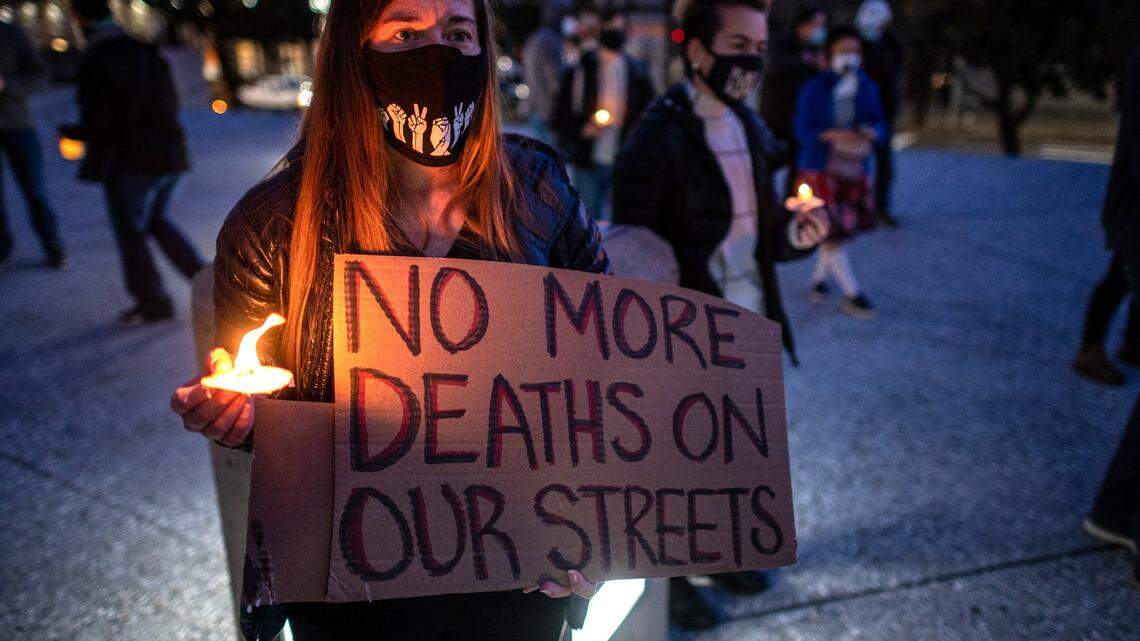
Record number of homeless individuals died in Sacramento in 2021. Here are 5 of their stories
READ MORE
Homeless Deaths in Sacramento
According to a Sacramento Bee analysis, at least 195 homeless men, women and children died in 2021 in Sacramento County, a county that continues to struggle to care for its most vulnerable. That number is significantly higher than the previous record, set in 2018, when 140 homeless people died
Expand All
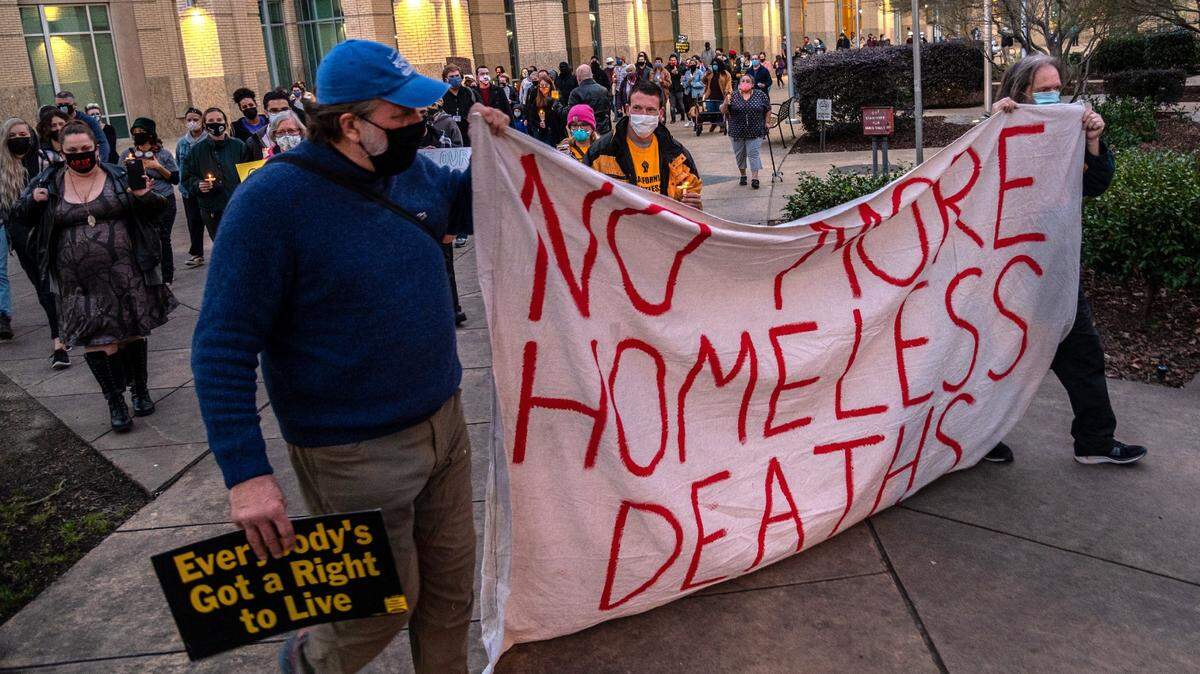
Record number of homeless individuals died in Sacramento in 2021. Here are 5 of their stories
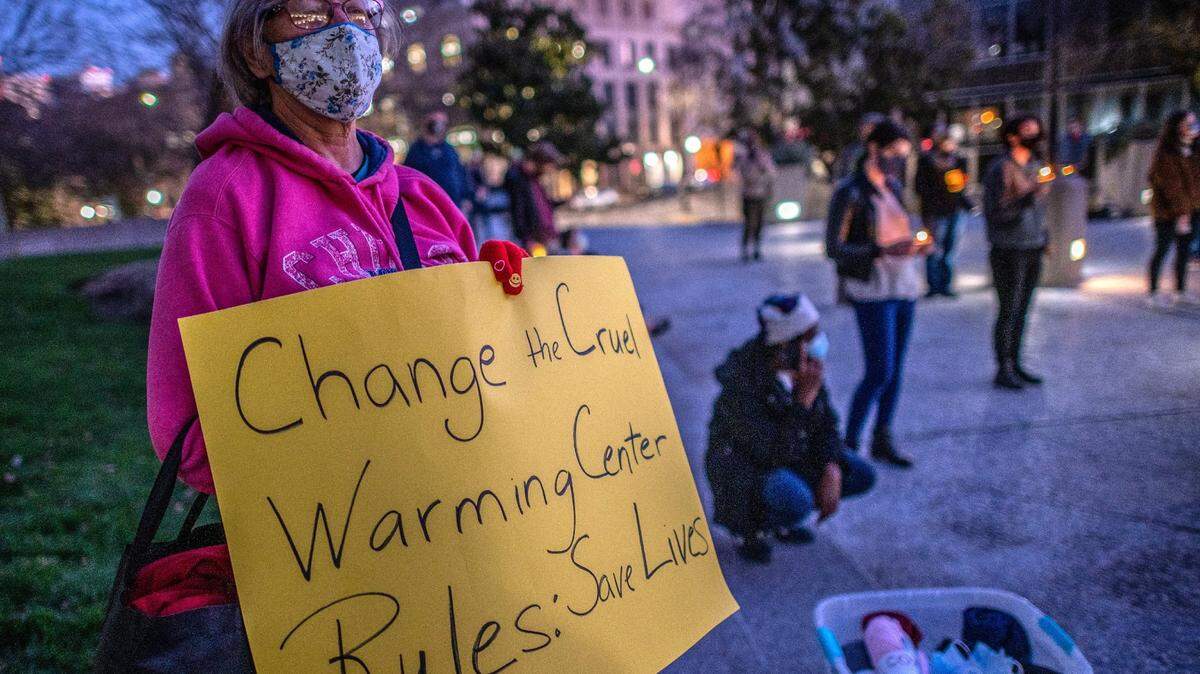
Sacramento spends millions on homeless shelters and services. But is the crisis worse?
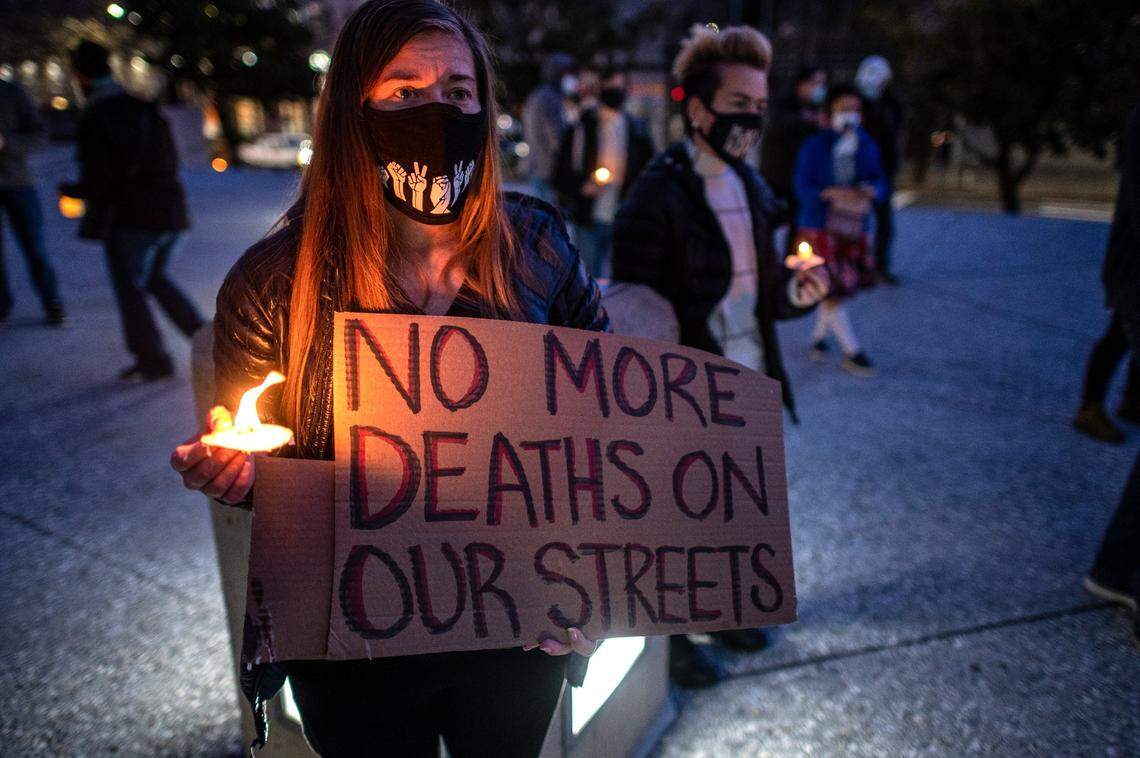
Sacramento warming centers lack warmth: A reminder of county’s absence on homelessness
6 ways you can help Sacramento County’s homeless community this winter
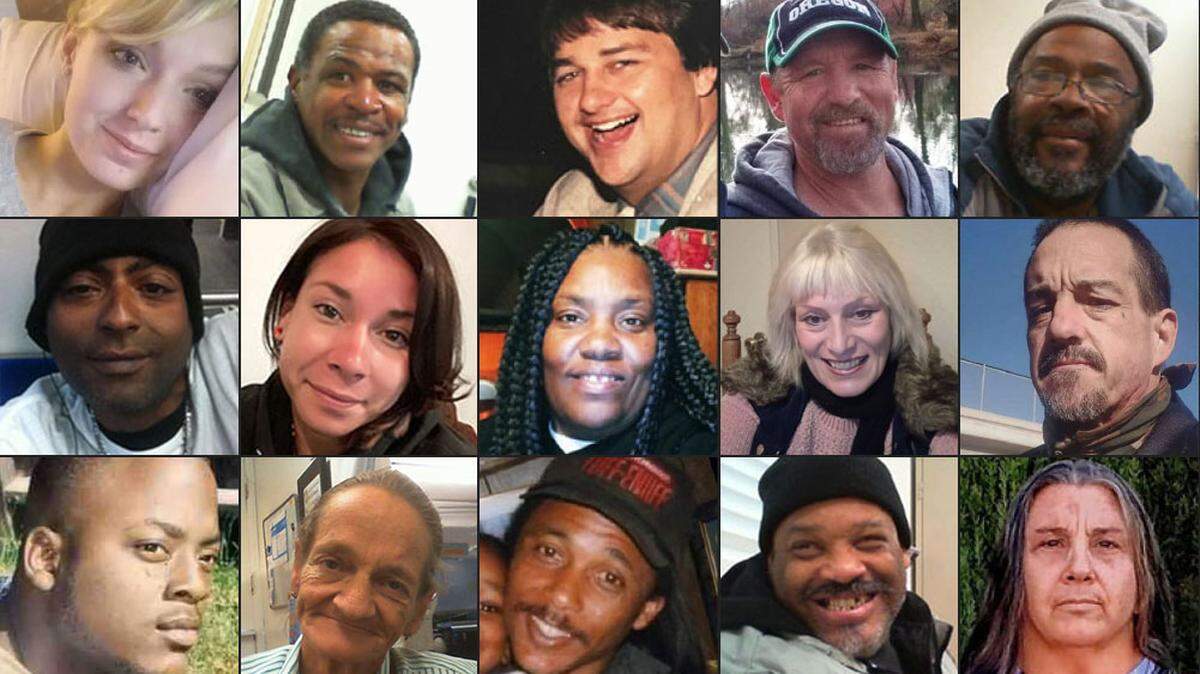
More than 200 homeless people died in Sacramento County last year. What we know about them
Their bodies were found in vehicles and tents, in fields and motel rooms.
Some died in the arms of loved ones. Others perished alone.
According to a Sacramento Bee analysis, at least 195 homeless men, women and children died in 2021 in Sacramento County, a county that continues to struggle to care for its most vulnerable. That number is significantly higher than the previous record, set in 2018, when 140 homeless people died, according to records kept by the Sacramento Coroner’s Office.
The total for last year includes roughly 170 individuals who the coroner believed were homeless at the time of their deaths; some investigations are still ongoing and the number will likely change. Another 25 were not reported as homeless deaths by the coroner. However, family members, friends and advocates for the unhoused told The Bee they were homeless when they died.
One out of every four homeless people who died in Sacramento last year were Black; just 9% of Sacramento County residents are Black. The average age of an unhoused person who died was 47. Four infants were among the dead. The oldest was an unidentified 81-year-old man who died near Miller Park in Sacramento in October. Nearly two dozen homeless individuals who died have still not been identified.
Nine homeless individuals were the victims of homicide, up from seven in 2020. The deaths of two of the victims in particular — Maximiliano Silva and Eddie Douglas — received little public attention.
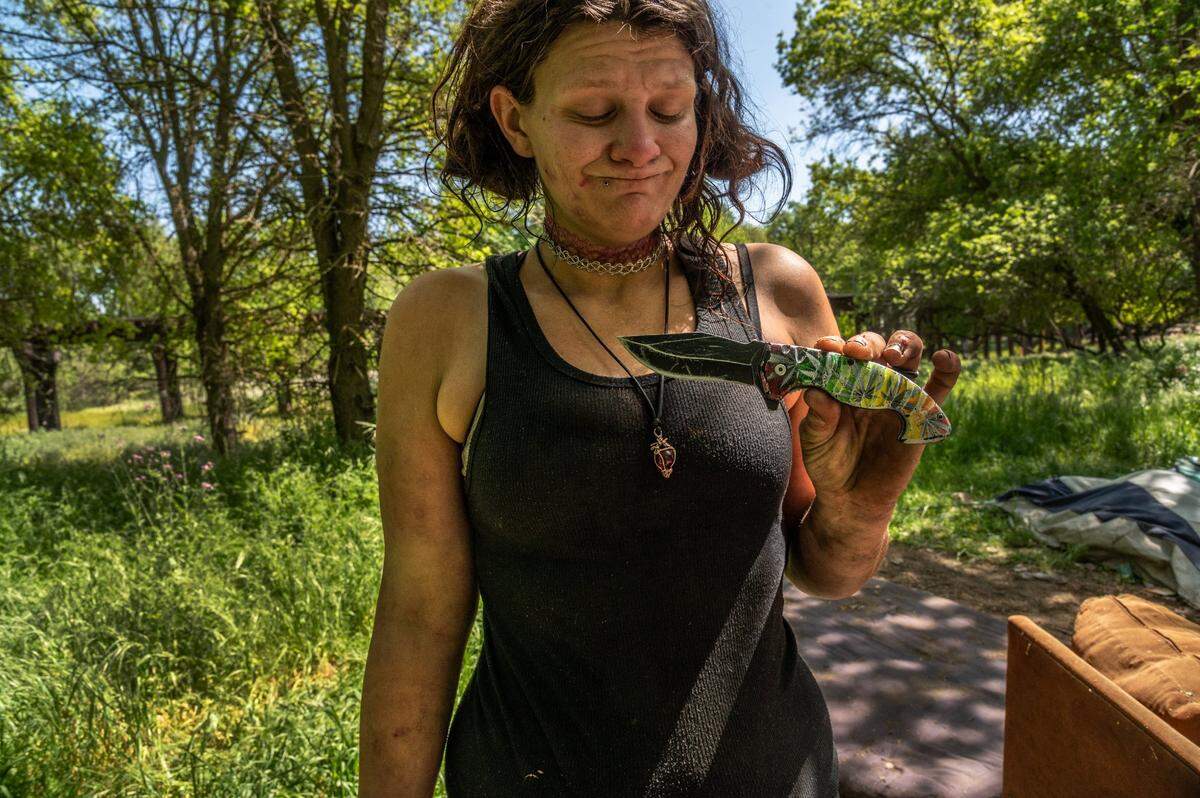
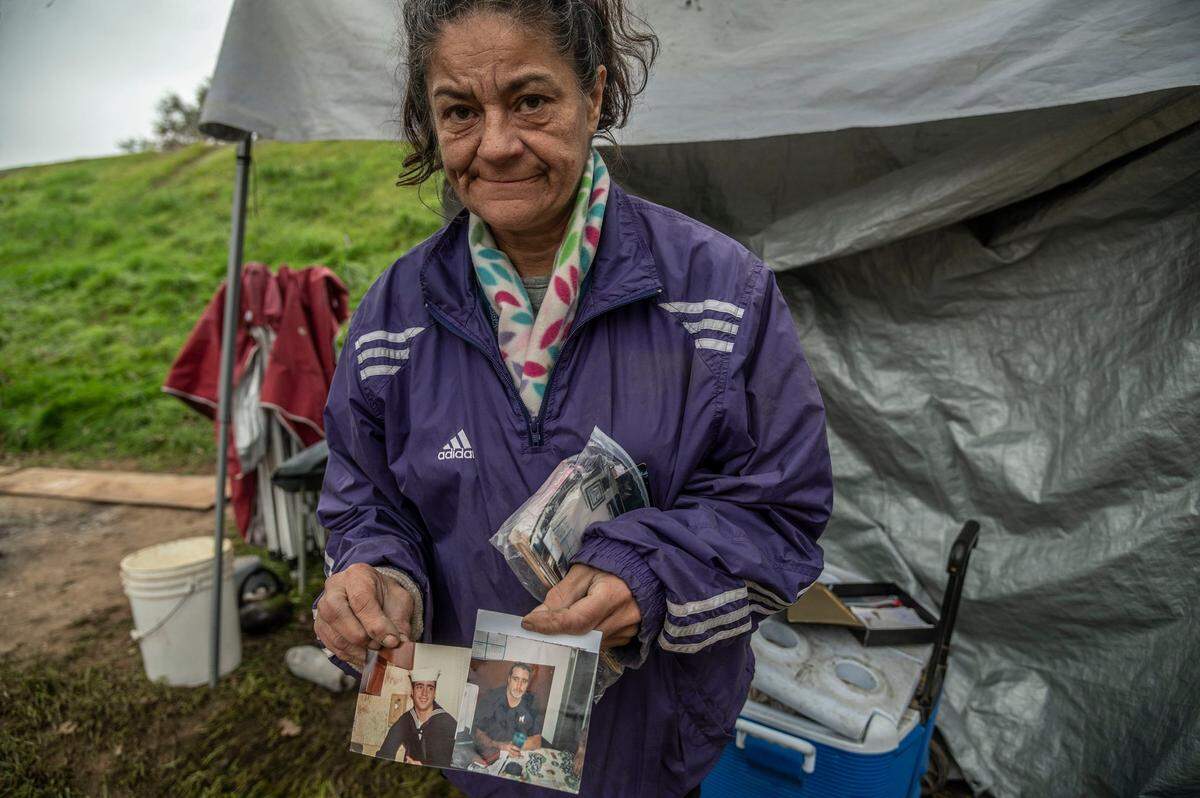
At least three homeless individuals died of hypothermia in January. The coroner has not yet determined if any of the deaths in November or December were caused by hypothermia. Homeless shelters in Sacramento County are full on any given night, leaving thousands of homeless exposed to the elements. The city and county have opened warming centers sporadically, but do not have permanent centers open.
Oct. 29 was the deadliest day. Four people died that day — Carmen “Smiley” Adame, Harl Carr, Mark Matthews, and Robert Henman. There were several other days when three people died.
They all had stories. They were sons and daughters, husbands, wives. There were musicians and mechanics. Some led communities and were considered caretakers of their fellow camp residents. Others had no one.
The following are the stories of five homeless individuals who died in 2021 in Sacramento.
Isabel Delgadillo Martin
Monica Delgadillo entered the funeral home last month and did not want to stop and hear mourners’ condolences. She had been hearing them for weeks. She made a direct line for the pink casket at the front of the room, where her 7-year-old daughter Isabel laid wearing a tiara.
It was time to say goodbye.
Since Isabel Delgadillo Martin was shot and killed in November, Monica Delgadillo is typically the composed one while her partner, Brandon Martin, breaks down and cries, often with a hoodie hiding his face. But at the funeral home, she broke down. Her body collapsed over the casket as she wailed.
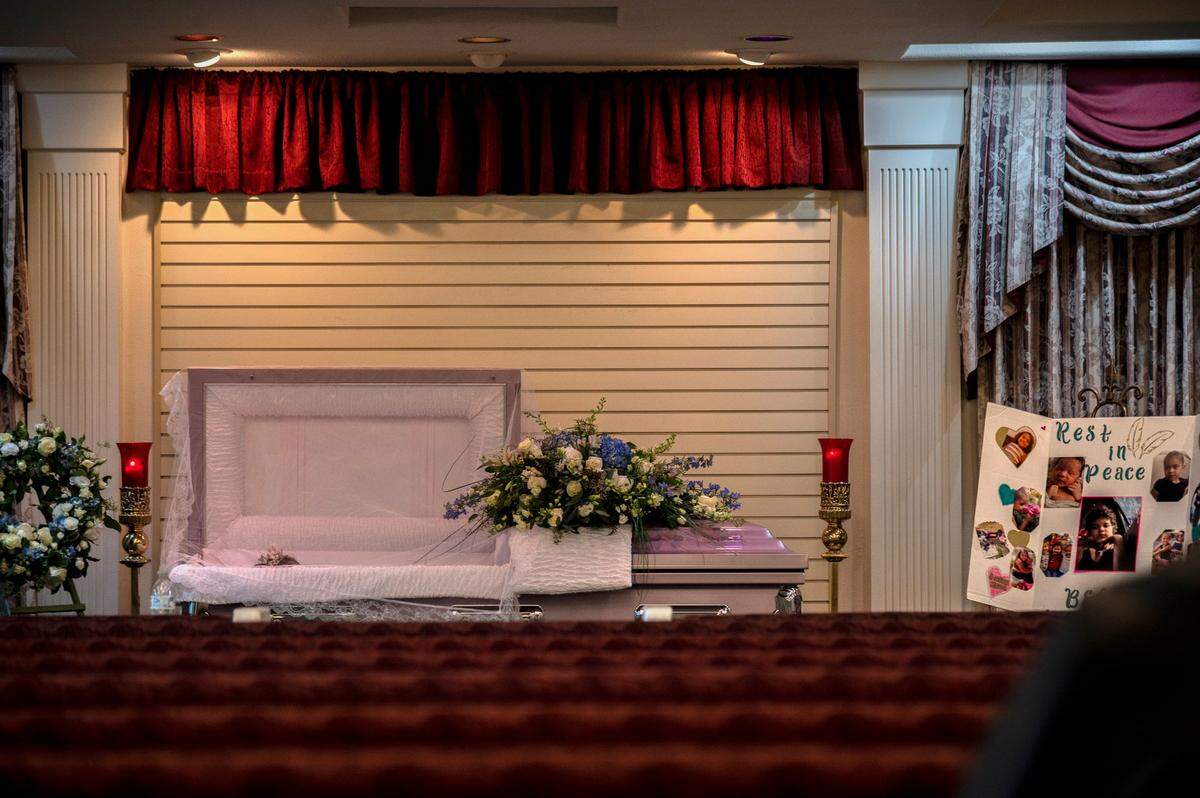

“My baby, my baby, I love you, I love you, oh my God,” she cried out. Her father and two sisters surrounded her, their hands rubbing her back, consoling her.
Martin came in afterward, moving slowly up the aisle, needing help from close friends. When he reached the casket, they both cried over their daughter. They wore matching black hoodies with Isabel’s smiling face on the back, along with the words, “Rest in paradise, babygirl.”
Jonathan Gomez walked to the lectern to say a few words about Isabel: how she was always excited to go to school, how she would take her mother’s phone to make TikTok videos.
“Sorry daughter!” Monica Delgadillo cried out.
Martin helped carry his daughter’s casket outside and loaded it in to a white carriage. The carriage was attached to a white horse with a bright pink feather on its head. Monica Delgadillo and their son Brandon, 2, sat in the front, the toddler sipping red juice. About 50 guests walked solemnly behind.
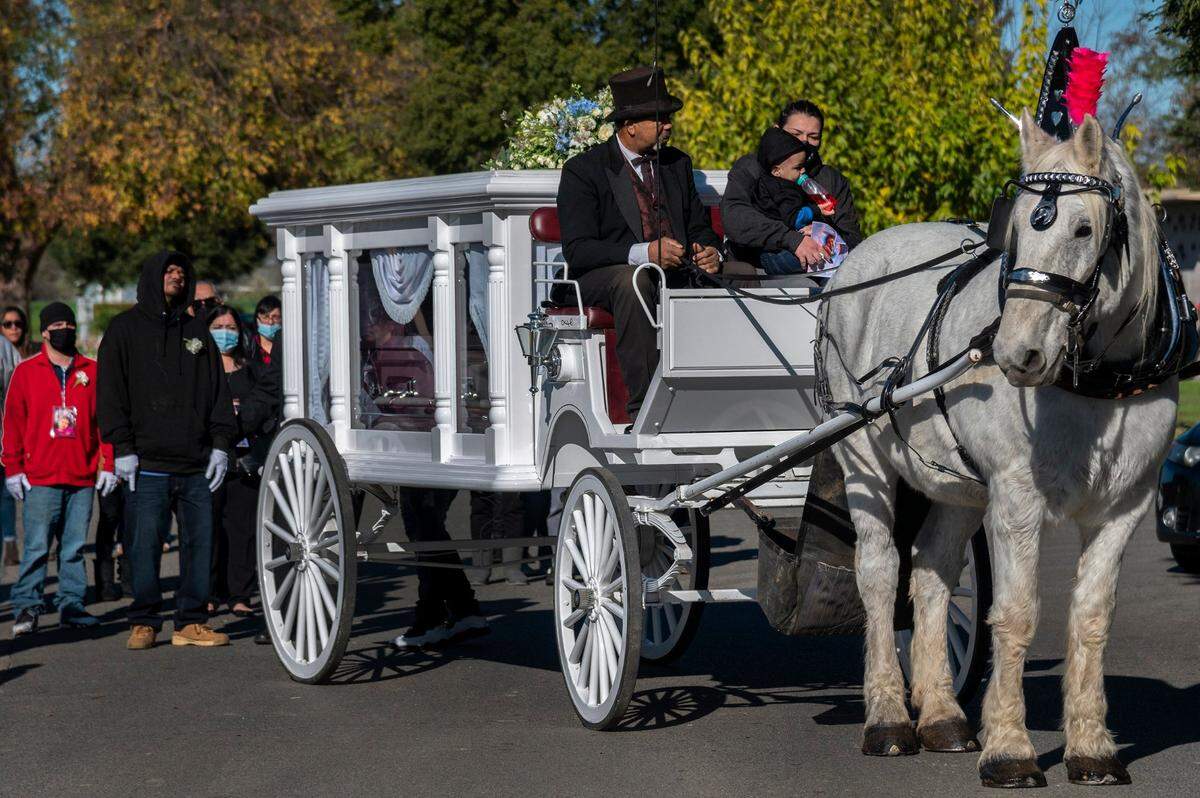
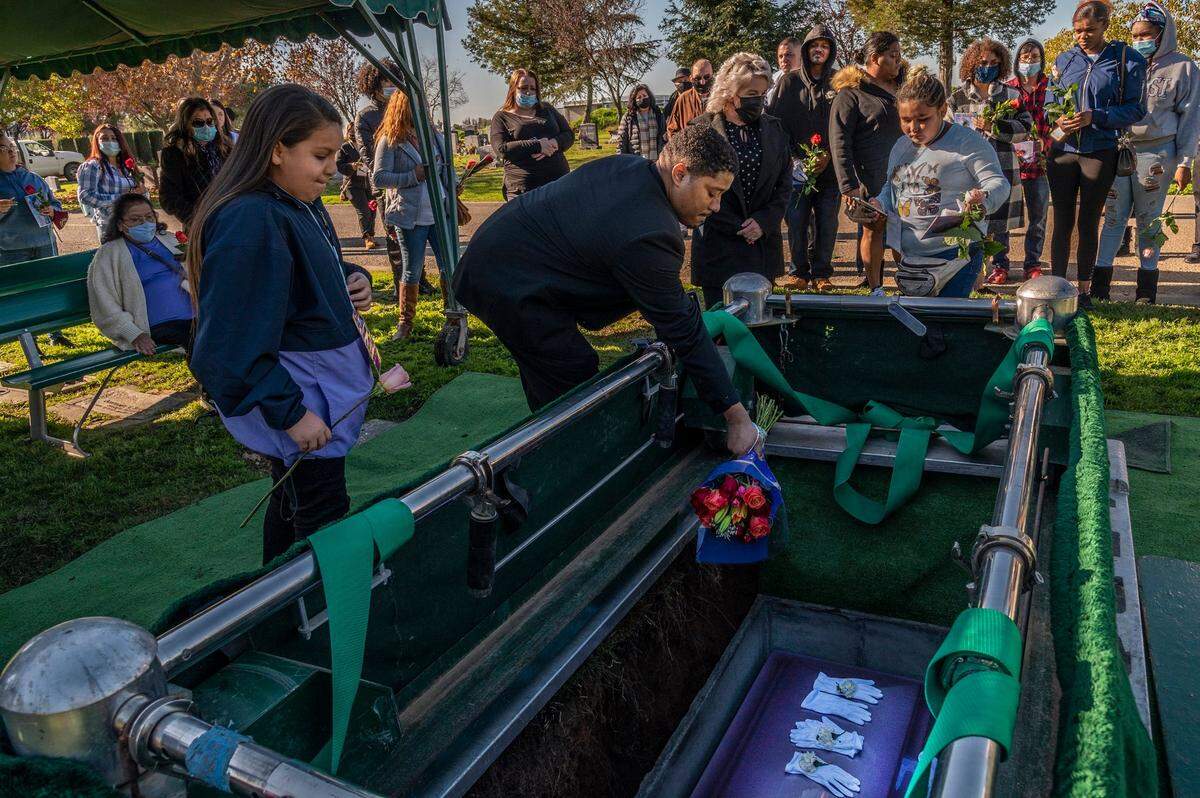
They reached the grave site at Sunset Lawn Chapel of the Chimes in North Sacramento. Brandon Smith tossed in a red rose.
“I will never forget you, my angel, until I come home,” Martin said as the casket was lowered on top of her grandmother Sue Ann Bruno Delgadillo.
Isabel was fatally shot about a week before her eighth birthday, near Seavey Circle in the Upper Land Park neighborhood of Sacramento. Isabel’s uncle, Tyrice Martin, 22, has been charged in connection with the shooting. Clifford Hall, 42, a resident of the public housing complex, was also fatally shot.
The family had been homeless, in and out of motels and their car, for about a year, said Monica Delgadillo.
Larry Jankiewicz
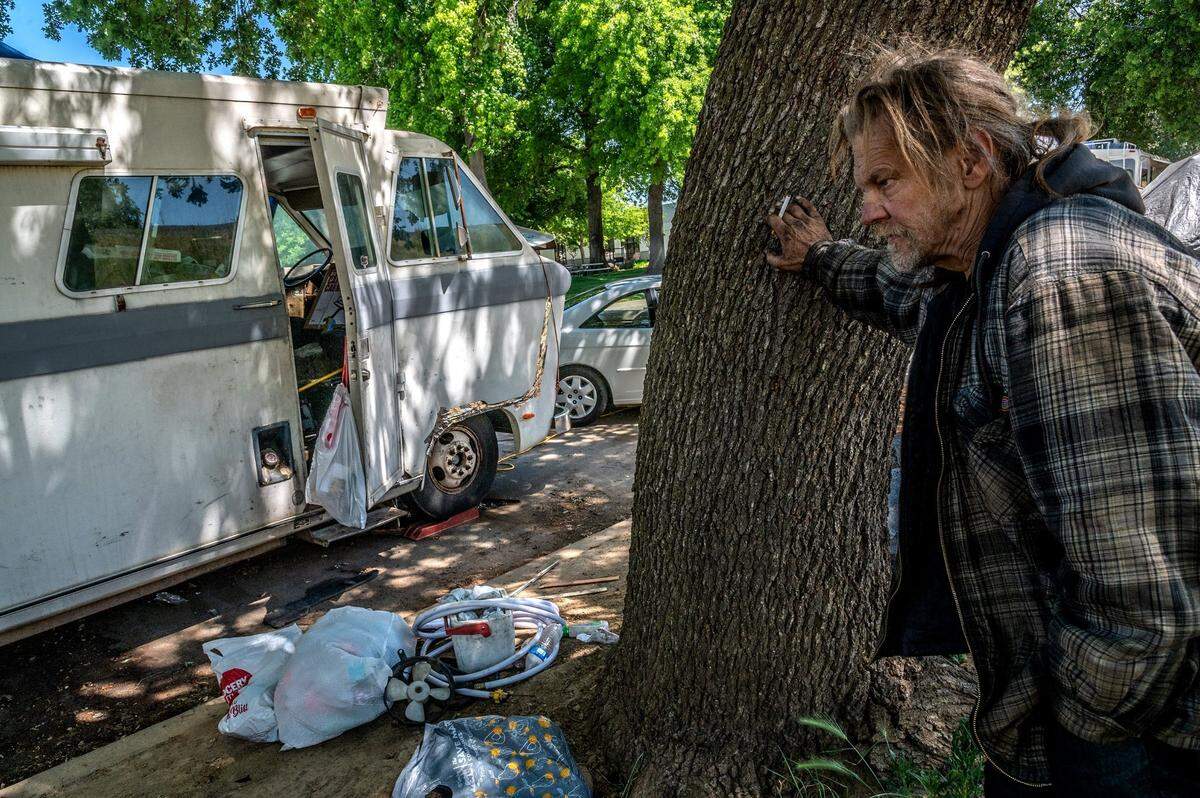
For years, single homeless women had sought camping spaces near Larry Jankiewicz for protection.
Alice’a Stanley lived in an RV next to Jankiewicz on Commerce Circle in North Sacramento with her two daughters, ages 7 and 14.
“He would make sure that nobody would mess with us or mess with our stuff while we’re gone or anything like that,” she said.
Jankiewicz was a skilled mechanic who used to own a shop, Stanley said. He would help fix peoples’ vehicles and motorcycles in the homeless community. Working on his own motorcycle — which he called Heinz 57 because it had a lot of different parts from a lot of different bikes — was also his favorite pastime.
Betty “Bubbles” Rios also moved next to Jankiewicz for protection.
“He was living behind me, and that’s how I found my way down here was to be with him because safety in numbers,” Rios said. “He wouldn’t put up with anybody pushing you around or stealing from you.”
Jankiewicz had heart problems and his condition was rapidly worsening, while his doctor kept postponing his appointments and surgeries, partly due to the coronavirus pandemic, Stanley and Rios said.
“He was getting more and more weak, more sick,” Stanley said. “He also had COPD so he couldn’t walk to the pharmacy without being winded and having to sit down.”
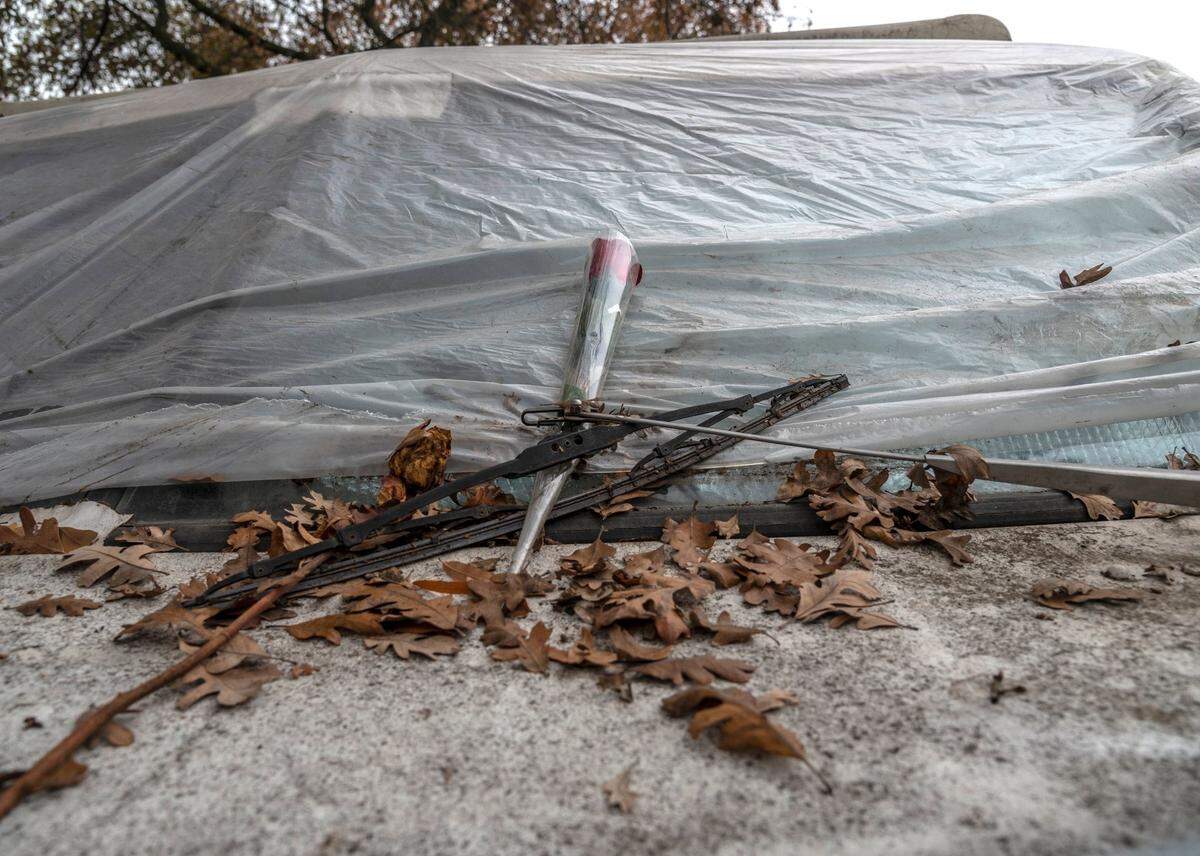
Every morning, Jankiewicz would prop his door open. That’s how Stanley would know he was awake. One morning last spring, the door was not propped. So she entered.
“I could see he was sitting on his bed with his pants down,” Stanley said. “I could see the discoloration in his legs. I said, ‘Oh God no.’ I checked him and he was cold. It was pretty wrenching.”
The Sacramento Bee interviewed Jankiewicz in the spring. He sat in a brown lawn chair outside his RV, his feet propped up on a rock, wearing hiking boots, jeans and a black T-shirt. He had faded tattoos on his arms and graying facial hair. He said he did not know the had opened Safe Ground lots for the homeless.
“Every night I pray before I go to bed, ‘Get me out of this rut,’” Jankiewicz said at the time.
He died weeks later, on May 23. He was 62.
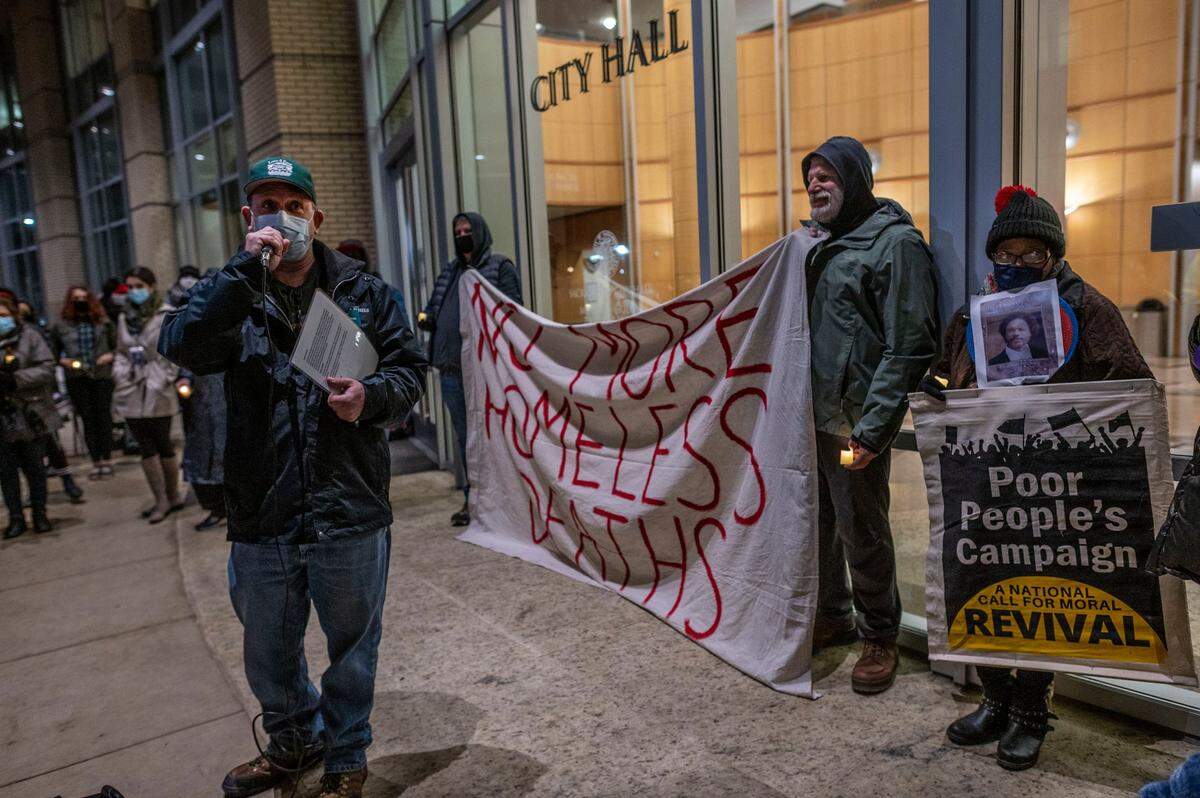
Jonnie ‘Rambo’ McCatherine
People who care for others in the encampments are called camp leads. And Jonnie “Rambo” McCatherine was one of the best.
His death rocked the American River Parkway.
“He made sure that those who were unable to leave the encampments got things from Loaves and Fishes,” said Crystal Sanchez, president of the Sacramento Homeless Union. “He would bring back food and other things. He was an amazing encampment leader.”
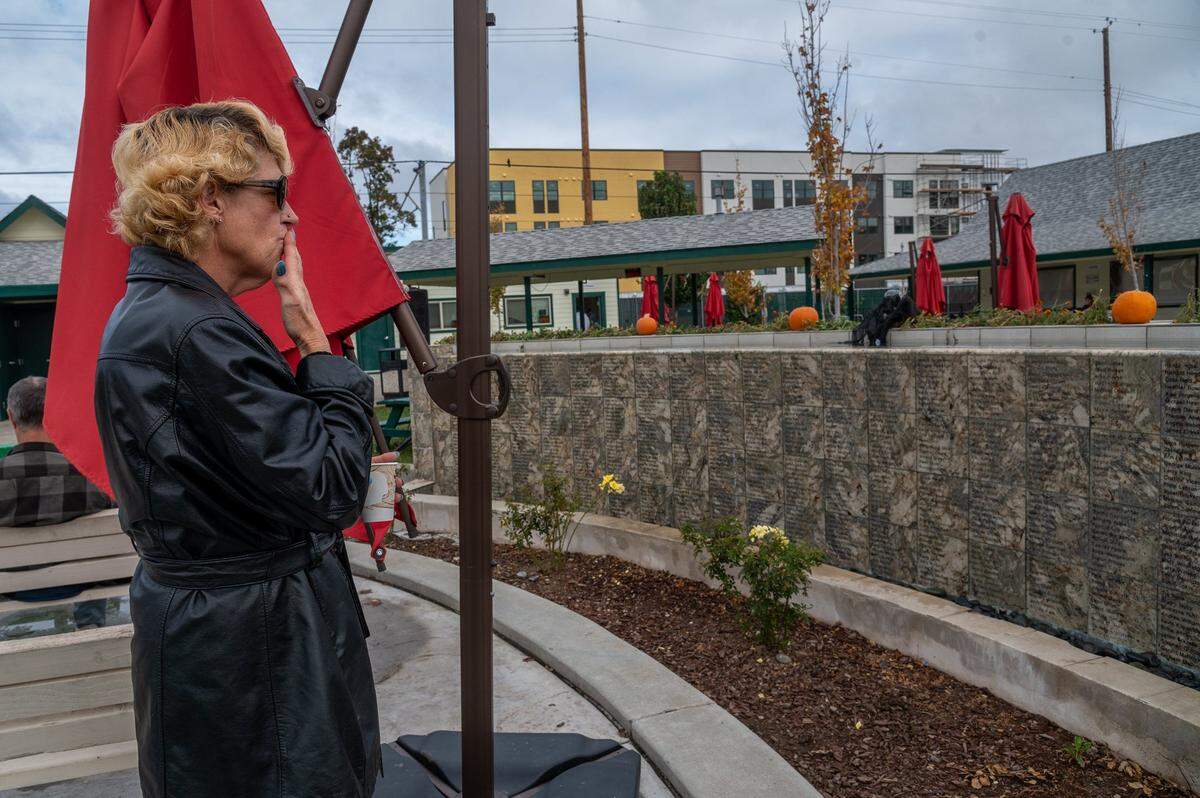
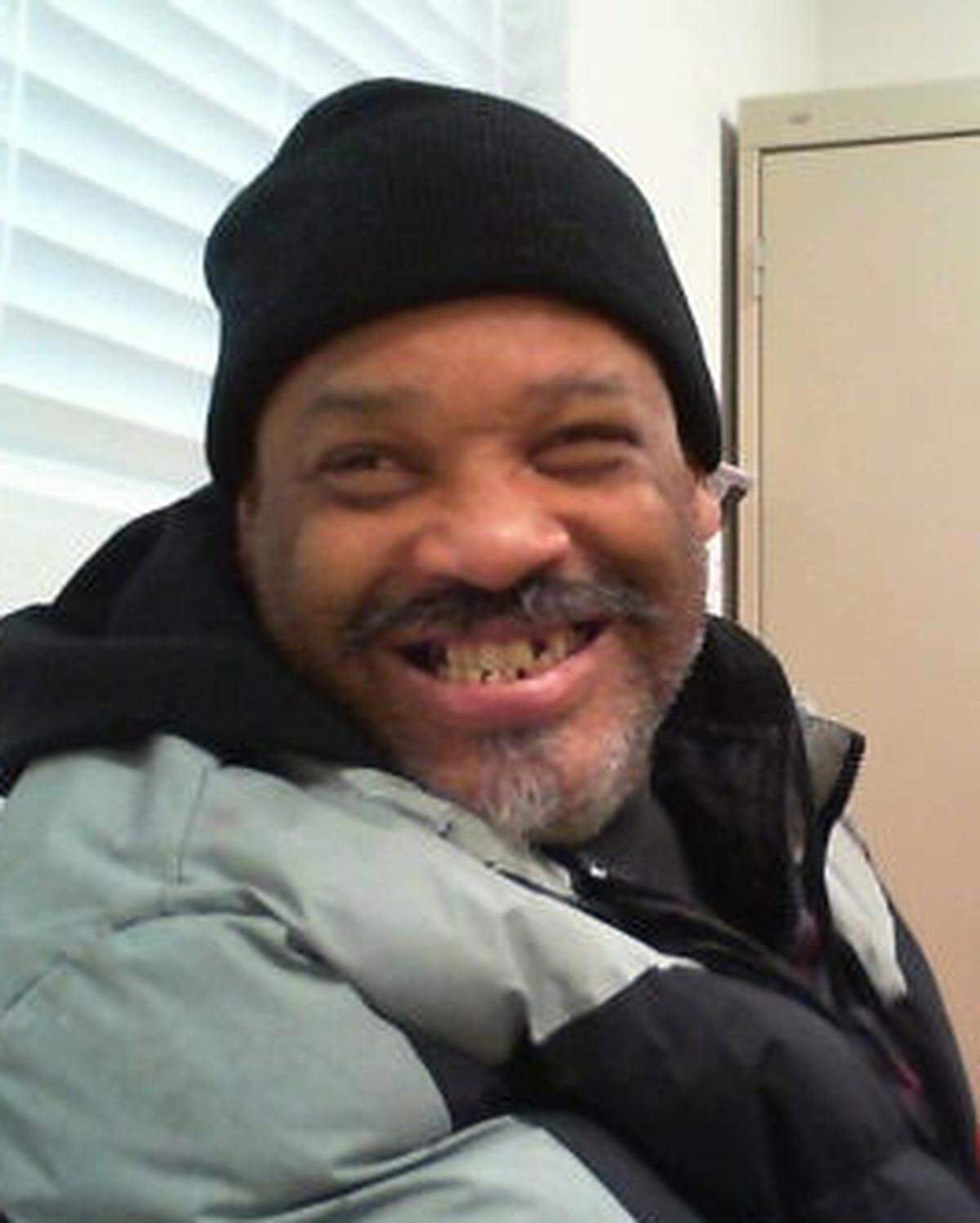
He stayed in a tent along the American River with his wife Latricia “Lovely” McCatherine. When she comes to Loaves and Fishes, she blows a kiss at his name on the memorial wall.
“He was a loving husband and a great man,” she said.
Rambo was known for his hugs, said Joe Smith, advocacy director at Loaves.
“Rambo was larger than life,” Smith said. “You could hear him yell for ya down the street. He’d always wanna know how you were doing. He’d give you a hug. When Rambo hugged you, you knew you’d been hugged.”
Warren Bryan, who used to live near McCatherine on the river, said McCatherine was a huge Steelers fan. He joked with others who were fans of other football teams. He often played spades and horseshoes at the old Friendship Park.
“His whole personality was very calm, cool and collected,” Bryan said. “He always helped others and loved the people he was close to and always used to joke with family and friends. He was protective if he had to be ... he always went out of his way to help people ... we would visit with many friends and people he considered family.”
McCatherine died Feb. 6 at a hospital. He was 63.
Kurt Osterhoff
Osterhoff was a “rocker dude. ” Zoe Kipping, librarian at Loaves and Fishes, said he always wore a leather jacket, black fedora, a lot of turquoise and skull rings, and played guitar and harmonica by the American River, where he lived in a tent.
“It seemed like he always wore that leather jacket no matter how hot it was,” said Smith, the advocacy director at Loaves and Fishes.
When the library would have the classics from authors such as Mark Twain, Shakespeare and Tennessee Williams, Osterhoff would get excited, Kipping said.
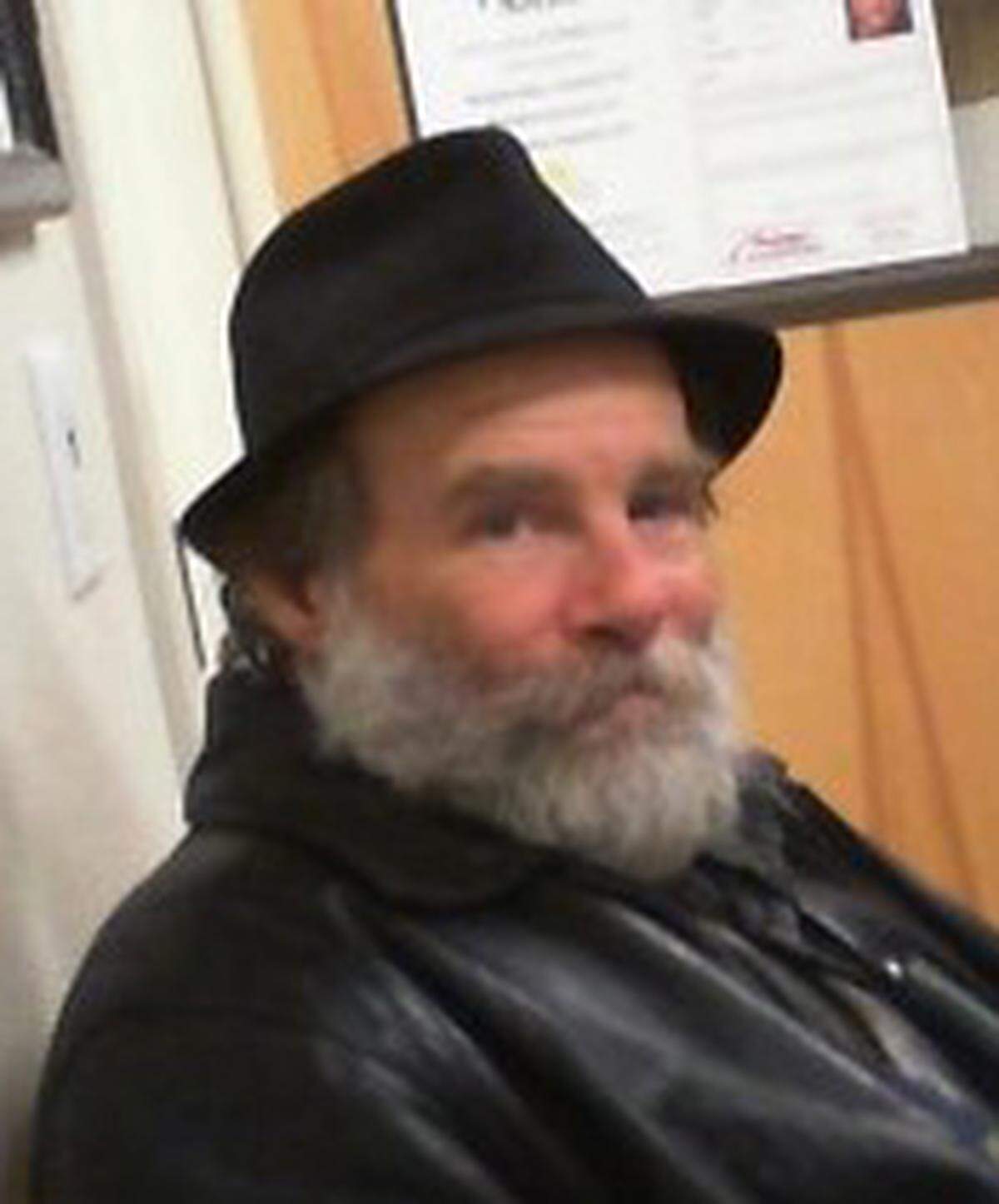
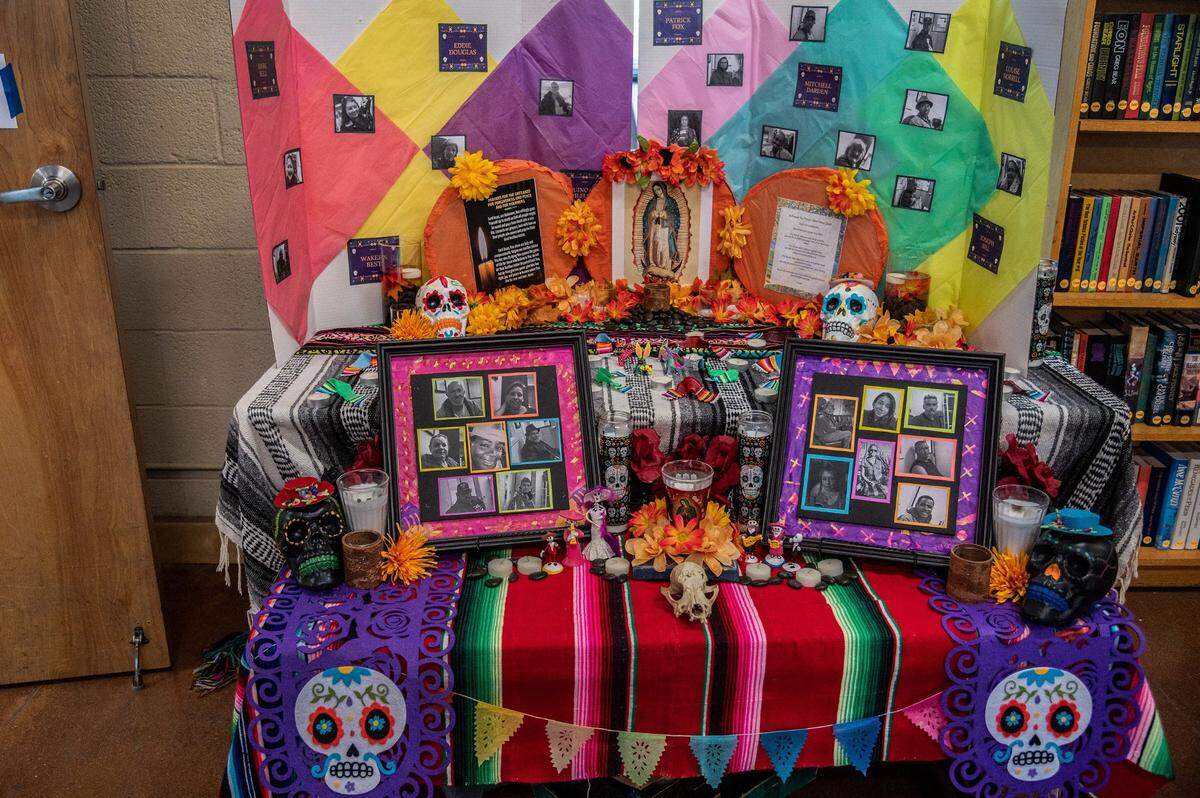
He was always putting things down and then forgetting them, Kipping said.
“He was like that absentminded professor who would lose everything,” she said.
Osterhoff had not been to the library in a couple months, then Kipping saw him pushing an empty shopping cart in the River District, looking very skinny and pale, she said.
He was the first guest who died that Kipping, who has worked at the nonprofit for about a year, had gotten close to — a rite of passage of sorts for Loaves employees.
“Kurt was Zoe’s first,” Smith said. “We all have a first.”
She learned of his death because his photo showed up on the memorial wall in September.
“I wish he’d been around to see Thanksgiving here because we had a blues band return,” Kipping said, her voice shaking. “He would’ve loved that.”
Osterhoff had at least one child, Kayla Osterhoff, who posted to Facebook when he died.
“He was also a brilliant artist,” Kayla Osterhoff wrote. “The most talented I’ve ever known. But most importantly to me, he was a master teacher. He taught me to be strong, resilient and independent. He taught me to stay away from drugs and take care of my mind. He taught me radical acceptance and unconditional love.”
Osterhoff died at a hospital Sept. 22. He was 63.
Ronda Roby
As a young girl, Ronda Roby moved from Milwaukee, Wis., to California with big dreams of becoming a movie star.
“My sister could blow the roof off a house she could sing so well,” said Sonya Triplett. “She had a beautiful voice. She could dance, she did a lot of drama in school, she was very creative.”
When Roby arrived in Sacramento, where her mom lived, she got mixed up in the wrong crowd, her relatives said.
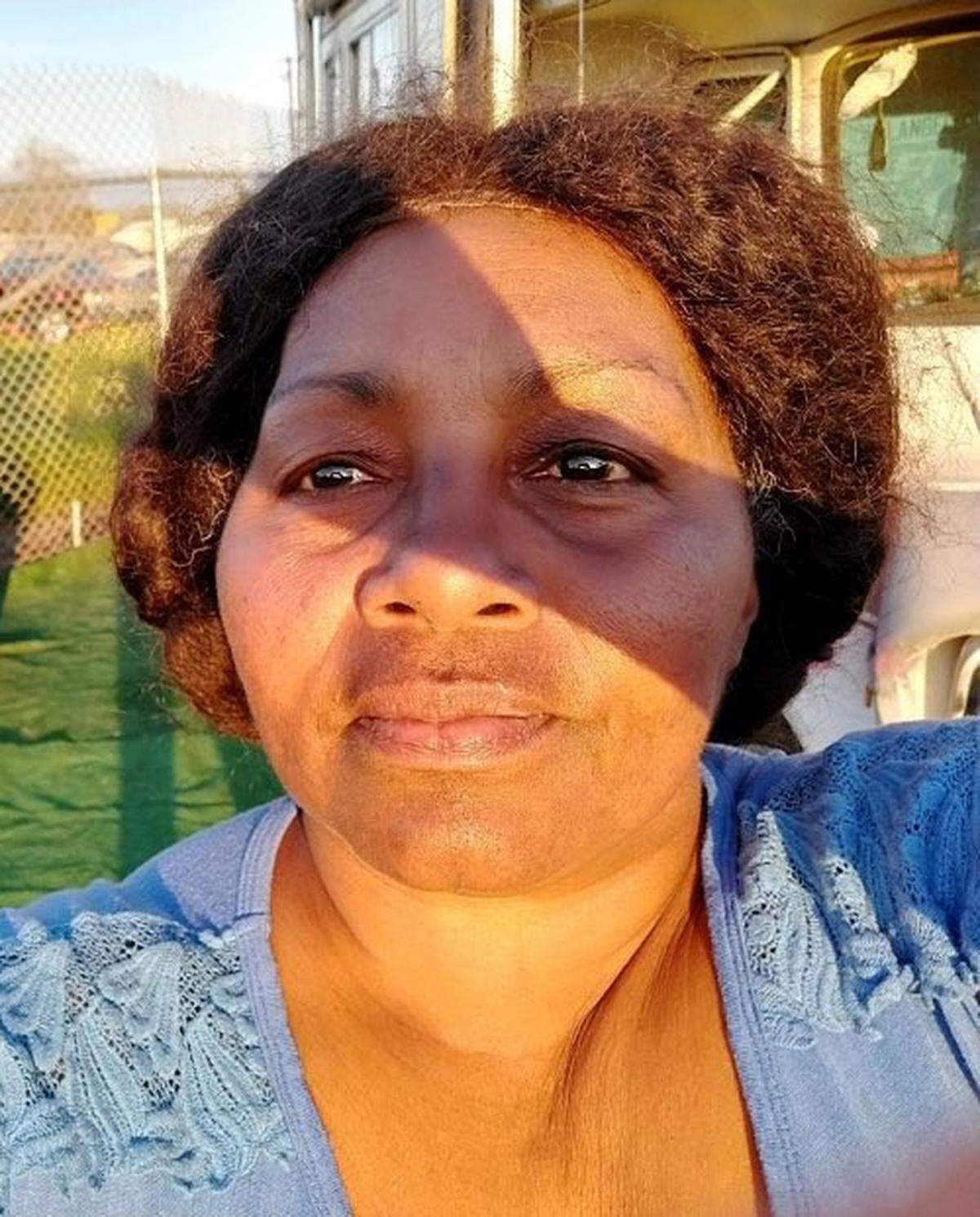
She also was diagnosed with bipolar disorder and suffered from manic episodes with psychosis, Triplett said.
“Being in any other position, she may have achieved her dreams,” said Craig Simmons, her cousin.
Even after she became homeless, living in an RV, Roby would always help others, her relatives said.
“She would help anybody,” Triplett said. “Everybody was her sister and everybody was her brother.”
She often cleaned the house of an elderly woman for free, Triplett said.
“Everybody always spoke about how she was a protector and how she would take up for those that were least likely,” said MacDameon Simpson, her son. “God gave her a clear conscience on how to take care of people.”
Roby died Aug. 5 in an RV in North Highlands. She was 62.
“Her life from the outward shell did not reflect the inward gem that she was,” Simpson said.
Visual journalist Renée C. Byer contributed to this report.
This story was originally published January 9, 2022 at 5:00 AM.