
Psst: Sacramento didn’t want you to know how unpopular City Hall is | Opinion
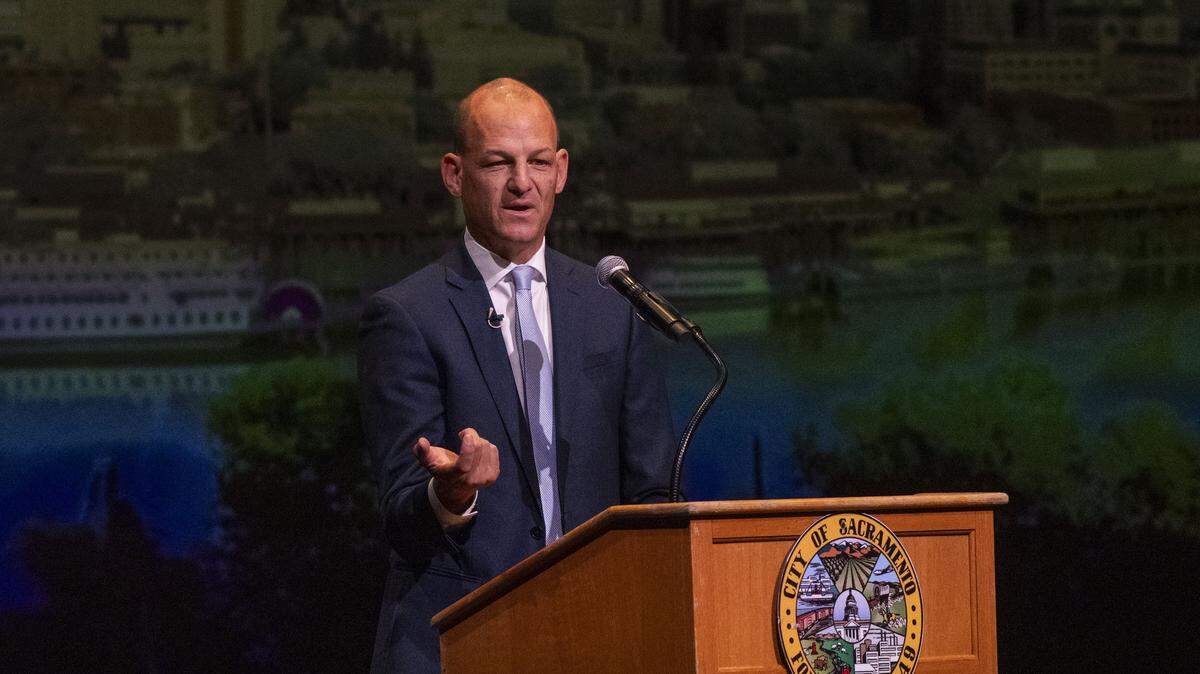
When the city of Sacramento recently publicized the results of a public opinion study it commissioned, what didn’t get shared is how local residents feel about City Hall.
It turns out that Sacramentans hold their local government in low regard, and the full City Council and Mayor Kevin McCarty fared only slightly better, with none of them rating more positive than negative.
Officially, the survey conducted by the respected FM3 Research firm was about “assessing the feasibility of the City of Sacramento placing one or more revenue measures on the ballot in 2026.” But for good measure, the city decided to assess its own popularity, right down to the civic mood regarding Police Chief Kathy Lester and Fire Chief Chris Costamagna.
The findings were intentionally left out of the official FM3 summary. “The PowerPoint and poll were designed to focus on results related to the initiatives,” city spokesperson Jennifer Singer said in an email. “For that reason, the summary highlights those findings.”
“I think there is a comfort and trust issue in these tax measures,” McCarty said in a recent interview about the survey. “I think we have our work to do to show that this is not business as usual in Sacramento.”
In the FM3 poll, the surveyors asked participating residents whether they have a “favorable or unfavorable opinion of that person or organization.”
City government overall got the worst rating, with only 38% expressing a favorable opinion and 51% the opposite.
The City Council got a favorable rating of only 35% and an unfavorable score of 47%.
McCarty fared slightly better, with 39% sharing a favorable opinion and 40% unfavorable.
Only the police and fire chiefs showed a semblance of popularity among those who recognized them. Lester registered a 27%-19% favorable/unfavorable rating and Costamagna 21-4%.
The poll included no follow-up questions to further explore sentiment about local government. But the lower popularity of City Hall overall, compared to its elected leaders, is certainly telling us something.
Generally speaking, Americans tend to trust their local governments the most, the home state less and Washington D.C. the least. Congress in March, for example, had a popularity rating of 15%. This February in California, the Legislature had an approval score of 49% by likely voters in a survey by the Public Policy Institute of California.
For Sacramento City Hall to have a lower favorability than the legislators down the street is quite an achievement, and not in a flattering way.
What could be the reason?
It doesn’t help when the city falls into a structural budget deficit, unresolved year after year, when the former top manager, Howard Chan, made more than any of his peers in California. The end of Chan’s eight-year run in 2024 was marked by months of maneuverings by Chan to make even more money with an even longer city contract. He decided to quit when McCarty and the new council finally decided they had enough.
Frustration with homeless encampments, a finding of this public opinion survey, undoubtedly shapes voter sentiment about elected officials. Sacramento is bearing the brunt of a disproportionate share of the county’s unhoused population, an inequity that shouldn’t sit well with anyone.
If Sacramentans distrust their government, the handling of this public opinion survey doesn’t help. The Bee had to request the survey twice under the California Public Records Act because the city didn’t produce it the first time, offering a sanitized summary instead that left out the negative findings. And it has yet to produce a demographic breakdown of the findings as required in FM3’s contract with the city.
There are a lot of good people who work for this city and on this council. A standout is Brian Pedro of the Department of Community Response, who is working tirelessly to get as many people off the streets and into safer surroundings as possible. There is a chance for a fresh start under the new management of Maraskeshia Smith, fresh from Santa Rosa.
But any time a local government uses public funds for a public survey about public sentiment about the local government, that government must be promptly transparent with the results, ideally without anyone asking. That’s the public-minded thing to do. That’s how to build public trust, and to avoid city officials appearing as if they are hiding something.