
Is Sacramento County about to start a land use war with the city? | Opinion
At a crucial time in history when the city and county of Sacramento cannot agree on how to manage homelessness, the county is poised to pick a fight over the other hot‑button topic: growth.
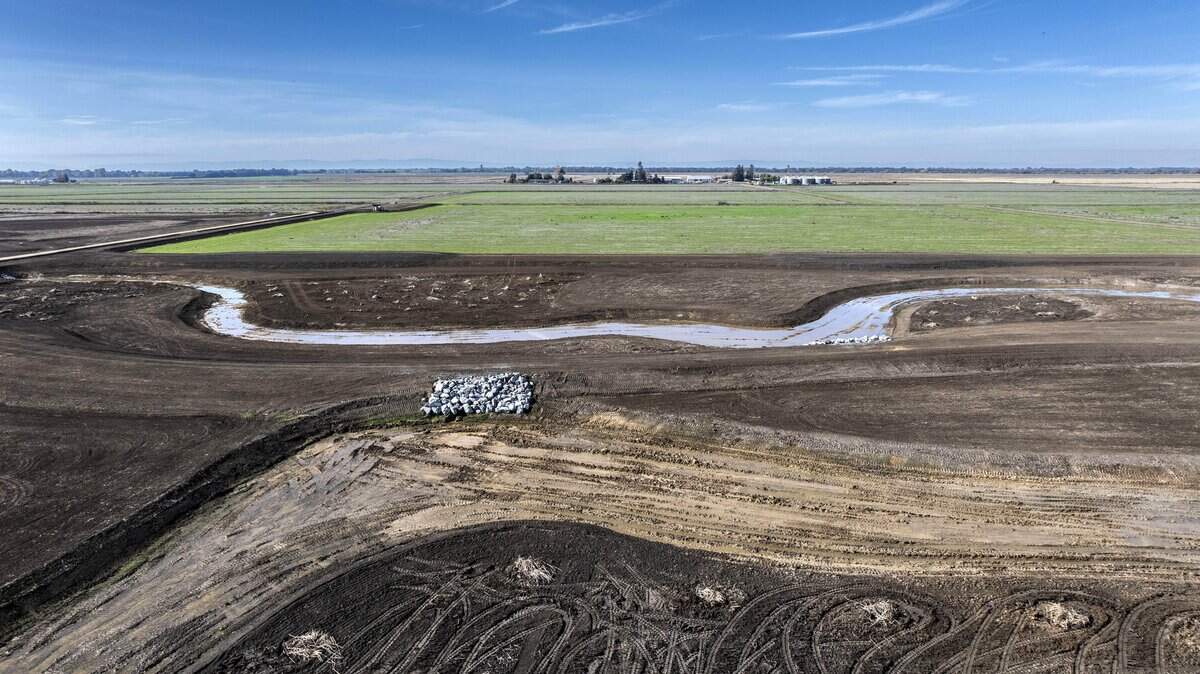
At issue is the vast Natomas Basin surrounding the Sacramento International Airport, where the county could approve a 25,000‑resident community known as Upper Westside that the city opposes for all the right reasons. County supervisors are scheduled to consider the project Tuesday afternoon.
To give you a sense of just how flawed this project is, the city that surrounds Upper Westside is refusing to provide it with a water supply. So the county has studied building an expensive water‑treatment plant just for this development and stick its residents with the bill. It is an example of why the county has no business rezoning this farmland for growth and why, per its long‑time agreement with Sacramento, the city should plan for the property’s future.
Instead, Sacramento County has been acting like the worst of neighbors, largely due to the outgoing supervisor who represents the area, Phil Serna. He should be opposing this project as an atrocity to urban planning with every fiber of his political being. Instead, he is its champion.
Serna does not have much company or support in his community. When The Bee interviewed the top three candidates vying for his job—Councilmember Eric Guerra, public‑health activist Flo Cofer, and Los Rios Community College Trustee Deborah Ortiz—none supported the Upper Westside.
That is why Sacramento City Councilmember Karina Talamantes, who represents communities in south Natomas, is urging supervisors to table this project.
“I am asking the Board to delay a decision until a new Supervisor is in office—someone who will be responsible for overseeing the future of this project,” Talamantes said in a recent social media post. “Communication to the residents of Natomas has been lacking and we need to do better for our community,” she said. “We need more time, more clarity, and stronger coordination between the City and County before moving forward.”
How the county has ignored years of warnings
Serna and the county have been ignoring warning after warning that this project requires extremely close consultation with the city and with state and federal wildlife agencies before, not after, the board votes on it.
The ability of both Sacramento and Sutter County to grow in an environmentally responsible way in Natomas is fundamentally at stake.
With the county refusing to participate at the time, the city and Sutter County in 2003 agreed to a legally binding 50‑year plan on how to manage the basin. Known as the Natomas Basin Habitat Conservation Plan, the agreement allowed wildlife agencies to approve development of 17,500 acres of the 53,000‑acre basin. At the time, the land in unincorporated Sacramento County was all zoned for farmland.
As a subsequent federal court ruling makes clear, the approvals for this growth “are all predicated on the assumption that development in the Basin will be limited to 17,500 acres and that the remaining lands will remain in agricultural use.”
Sacramento and Sutter agreed to avoid development within a mile of the Sacramento River, a vital riparian buffer for numerous species. Most of Upper Westside is within that mile buffer. The project is bordered by the Garden Highway to the west and Interstate 80 to the south.
The Upper Westside plan encompasses more than 2,000 acres of these remaining lands. Two other massive proposals making their way through the planning process, known as Grandpark Trails and Provenance, amount to more than 5,350 acres.
Sacramento and Sutter agreed to buy and preserve 8,750 acres of land in the basin and have yet to fully live up to this obligation. With Sacramento County wanting to essentially pave over the farmland under its control, where are the remaining open spaces left to preserve?
Last August, a law firm representing the city of Sacramento requested that Sacramento County review whether the growth it is planning in Natomas would interfere with the legally required environmental preservation of the area based on this long-standing habitat conservation plan.
Here comes the rubber stamp
The county has refused to do so. This project has none of the state and federal environmental permits required for it to proceed. In the meantime, Serna and fellow supervisors are thumbing their noses at the city of Sacramento.
Serna appears hell‑bent on having this bucolic basin resemble Orange County.
Absent a miracle, approval by Serna and fellow supervisors is a foregone conclusion on Tuesday. Supervisors have not rejected a major development proposal this century. The big question is what will happen when the dirty deed is done. Sacramento County is putting the capital city in an awful position.
The future of the Natomas Basin was not supposed to unfold this way.