
Government workers must return to downtown Sacramento offices. Our recovery depends on it
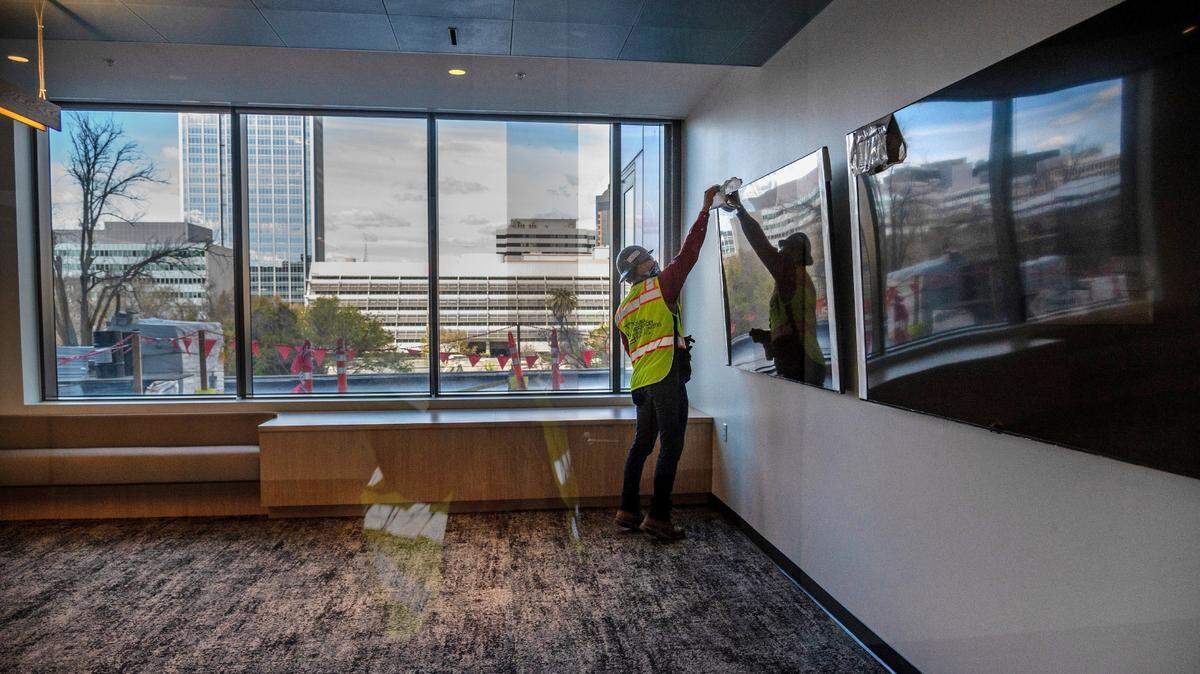
Downtown Sacramento is in trouble, and that means that all of Sacramento is in trouble.
COVID-19 shut the city down in March of 2020 and drained the lifeblood from the downtown core: public sector workers. Suddenly, most of the people who ate at local restaurants, shopped at local stores and paid for parking in garages essential to the city’s bottom line were gone — they were working from home.
Before COVID-19, downtown Sacramento generated $75 million in property and hotel tax revenue, according to the Downtown Sacramento Partnership. Roughly 100,000 public and private employees were working downtown. But at least half that number, who were sent home by the pandemic, have stayed home.
Unless they come back, downtown Sacramento will not recover any time soon, and that could hurt the city’s general fund. Downtown accounts for nearly half of the city’s overall property tax revenue, 42% of its hotel tax revenue and almost 40% of Sacramento’s workforce.
A Sacramento commercial real estate firm estimated that office vacancy rates will grow to 15% in the next three years. That trend signals a potential death blow to small businesses that rely on offices for their customer base and have suffered major losses with white-collar workers at home.
Healing downtown is more than just cleaning up the streets. It’s about bringing life back to Sacramento’s office towers and rebuilding the vital exchanges that allowed entrepreneurs to stay in business. It’s about reestablishing downtown Sacramento as a destination worth visiting.
To do that, Gov. Gavin Newsom and state leaders must bring their workers back to the office.
Earlier this year, the Newsom administration told department directors that 75% of the 230,000 state workers who can telework, should telework. Roughly 94,000 state workers are based in greater Sacramento. An estimated 4,400 alone are supposed to work in the California National Resources Agency’s new, 21-story headquarters on P Street.
The benefits of teleworking are undeniable. Management can cut unnecessary overhead costs, and studies showed that workers were just as productive. The environment benefits from less traffic and tailpipe emissions. Employees have more flexibility, can move farther away for cheaper housing and, of course, work in pajamas.
But there have also been major downsides. The average workday lengthened by nearly 49 minutes, and the number of meetings increased 13%, according to the National Bureau of Economic Research. As the line between home and work blurred, burnout increased, especially among younger employees who acutely felt the disconnect.
With California set to reopen Tuesday, ending capacity and social distancing rules, every employer needs to consider their role in returning to public life.
In the spring, Downtown Sacramento Partnership executive director Michael Ault told The Bee that he expected offices to reach 70% occupancy by summer. That figure could grow even higher after Labor Day if kids are back in school, he said. On Monday, Newsom promised to have 99% of schools fully reopen this fall.
The health and safety of workers should be the primary consideration for state employers, as it is with all employers. But they also need to follow the rules the administration has set for the public. The state Department of Public Health and the Centers for Disease Control and Prevention have laid out ample strategies to safely reopen offices.
For the majority of workers who are healthy, vaccinated and keep a mask handy for close encounters, the prospect of returning to the office is no longer as terrifying as it once was. Many are eager for the camaraderie — and efficiency — that comes with the in-person setting.
But for state workers, their return has greater meaning. It symbolizes the revival of downtown Sacramento and the viability of investing in its future.