Sacramento’s K Street suffers scars from the pandemic. How can it heal?
READ MORE
Sacramento Reopening Guide
This story is part of the Sacramento Reopening Guide, giving you everything you need to know as the state’s economy officially reopens June 15. Read more of the stories here:
Expand All
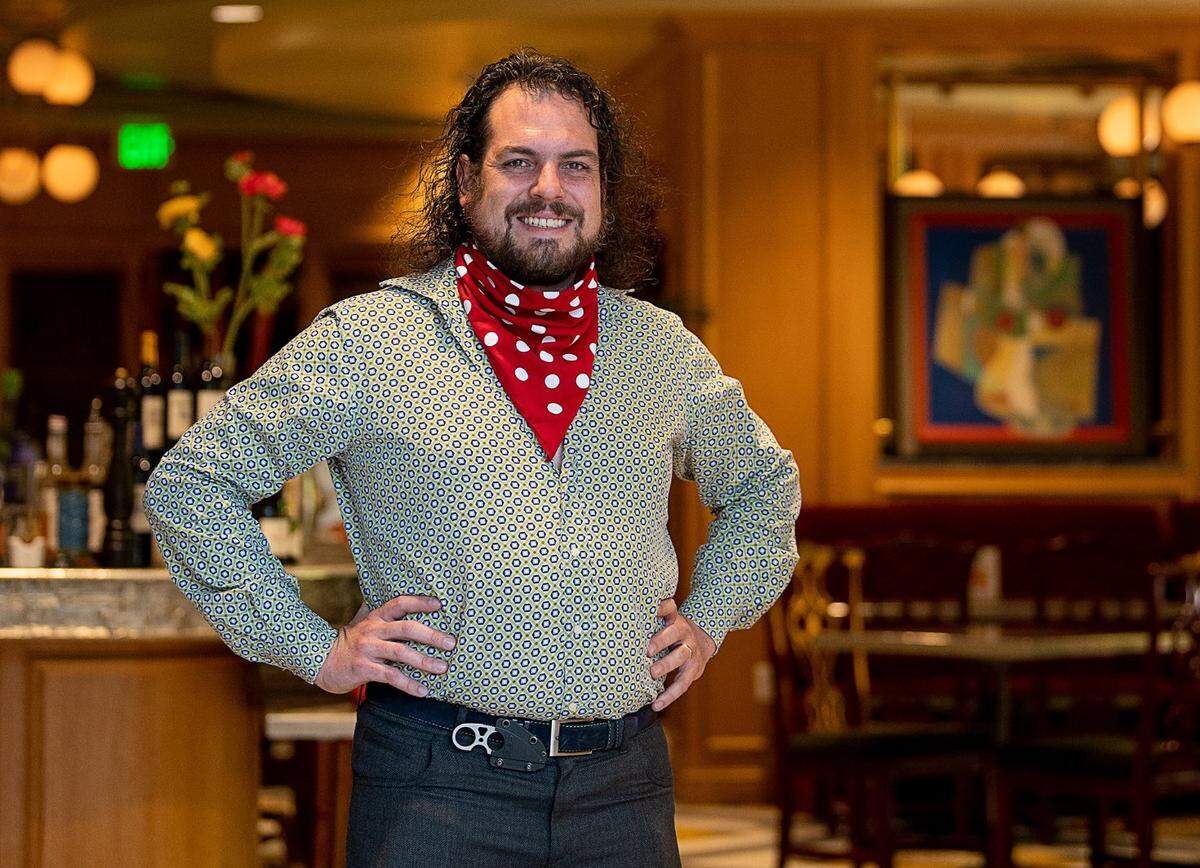
Ibrahim Abukhdair grew up helping out his family’s two businesses a block apart in Sacramento. He has fond memories until now.
He has worked at a variety of places in the area, some still here, some gone. Rodney’s Cigar & Liquor Store. Hanas Corner Deli. He opened Darna Mediterranean Kitchen next to his parents’ deli in 2013. He later sold Darna but opened a pizza place, Holy Slice. He also owns The Blue Ox, a high-end workman’s apparel shop that’s been next door since 2018.
Now 29, Abukhdair has continued in building a business legacy and has seen the rise and, now, fall.
“All the closures, all the empty spaces, the rising homelessness, the rising crime, it’s really ridiculous,” Abukhdair said. “I’ve seen every decade (since the 1990s), and this is the worst it’s ever been.”
In January and February 2020, downtown K Street was “beautiful,” Abukhdair said.
“It’s been devastating, man. It’s ... sad to see what’s happened down here.”
.JPG "SAC_DMK_8659 (2).JPG")
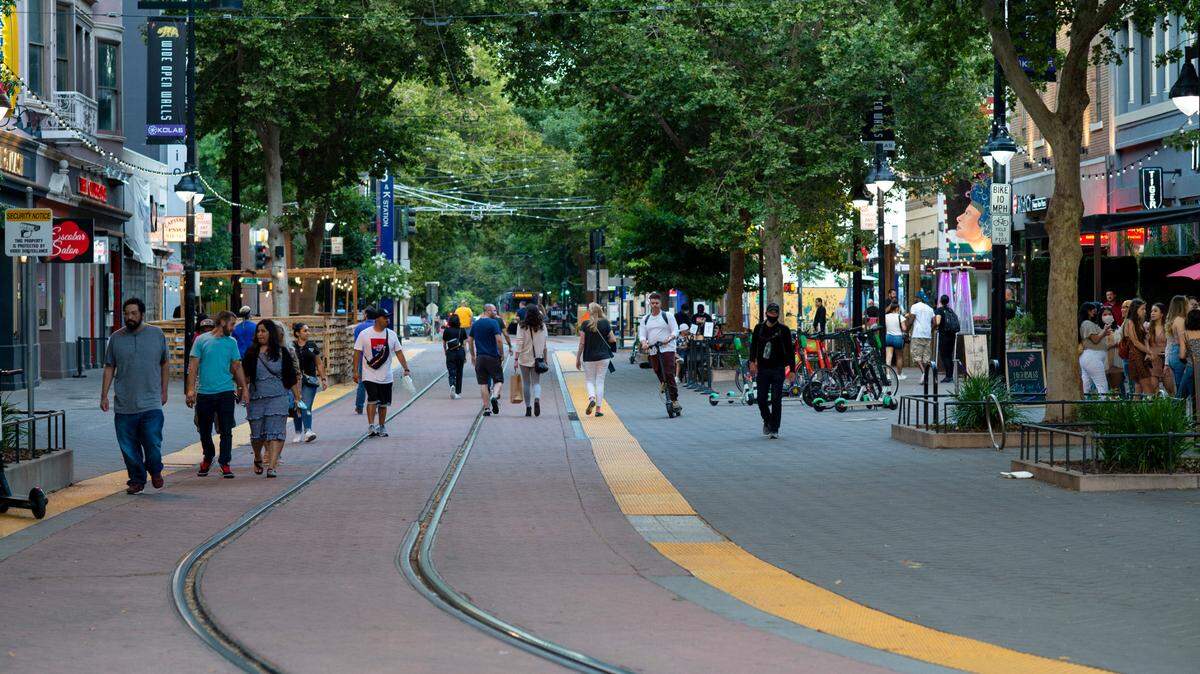
Downtown is the heart of Sacramento, K Street is its main artery and right now, it’s sick with blight that could affect the rest of the body. After public and private entities invested more than $1 billion in downtown during the last decade, some who stuck around say it was largely abandoned by both leaders and regulars during the pandemic, allowing it to slip into disrepair.
COVID-19, of course, is the main culprit. State employees working from home don’t buy lunch at downtown sandwich shops, nobody enjoys a pre- or post-game drink at local bars if the Golden 1 Center is empty, and a lack of conferences means empty hotels.
The scene should improve over time, but a June 15 snapback to pre-coronavirus times isn’t happening.
That’s the date Gov. Gavin Newsom has set for the economic reopening of California following the turmoil of the pandemic, our coping with lockdowns, anxiety and death. This date circled on the calendar is weighted with a sense of relief and anticipation as we remove masks, head back to work, go out to eat, attend a concert or mingle downtown.
What we might see, though, also may disturb us. An untended city core needs more than a good cleaning. It needs a rebooting.
Yet these last 15 months have also been defined by local community support, by innovation, by resilience. There’s a blueprint for recovery, and at least one K Street business is already on its way.
Finding success in a turbulent year
Odd Cookie Bakery Cafe & Bar opened to hourlong lines seven weeks before everything shut down. Multicolored cupcakes, Frosted Flake-encrusted chicken sandwiches and promises of dessert-themed cocktails once a liquor license was secured boded well for the multi-purpose eatery between J and K streets at 1015 9th St.
Owner/pastry chef Anna Rodriguez modeled Odd Cookie after “your cool aunt’s house who lives out in the country” where someone could get fed at any time and sent home a little tipsy. She closed up shop for about a month following the statewide shelter-in-place order. When she reopened, sales were just 10% compared to pre-pandemic.
Odd Cookie’s normal lunchtime crowd had cleared out. In its place, unhoused people moved in. A Downtown Sacramento Partnership survey showed the district’s homeless population swelled by more than 90% between May 2019 and April 2020, fueled perhaps in part by the Sacramento County Sheriff’s Office’s practice of releasing Rio Cosumnes Correctional Center inmates at the downtown main jail, 25 miles from where they had been serving time.
Crime actually fell across downtown Sacramento during the first seven months of the pandemic because fewer people were around, according to a Sacramento Bee analysis. But reports of assault with a deadly weapon rose by 74% from the year prior, from 19 to 33.
“We always had somewhat of a situation with the homeless population, but it was every now and then. And then it became all day, every day,” Rodriguez said. “It got really, really bad. It’s scary. I literally have a bell that I keep back (behind the counter) so if someone won’t leave, I ring the bell and my chef comes out and saves me.”
Some issues don’t qualify as crimes worth reporting, either. Capital Books, at 1011 K St., less than two blocks from Odd Cookie, copes with similar problems. On a recent Friday at about 11 a.m., owners Heidi and Ross Rojek, 55 and 53, had to pause during an interview for this story to descend from their well-lit shop’s loft.
A woman who appeared to be homeless had entered their bookstore without a mask. She screamed obscenities, ignored staff demanding that she leave and knocked over, and repeatedly kicked, a book on display, rendering it unsalable before finally walking out.
Ross told the woman not to come back. But he didn’t call the police.
“Sorry about that,” he said. “She’s been here before.”
Capital Books was shut down to outside customers early on as well. But the Rojeks — app developers who opened the brick-and-mortar shop in 2019 – were busy inside fulfilling orders for its online store.
The foresight and ability to establish a digital component prior to the pandemic carried Capital Books through those first couple of months, as people began settling into analog hobbies such as baking banana bread, creating art and reading books. They didn’t necessarily feel comfortable browsing a physical store for the perfect selection, but had an online outlet.
Parking on downtown K Street is next to impossible, so the Rojeks and Heidi’s son passed books through car windows as customers drove by. A few regulars volunteered as couriers, allowing Capital Books to establish a rough delivery system in exchange for store credit.
On the night of May 30, Ross toggled between Twitter and the bedroom TV, unable to look away as protests in downtown Sacramento about George Floyd’s murder devolved into vandalism. Running out the door to his and Heidi’s old minivan nicknamed Chitty Chitty Bang Bang, Ross watched a livestream of glass breaking and gems being snatched at Sharif Fine Jewelers next to his bookstore.
“My thought was that at the very worst, I could park the van in between those two pillars on either side of the front door and just block off the store. And, you know, OK, (they might) destroy the van,” Ross said.
He arrived to find the jewelry store wiped out, the Crest Theatre gates damaged, but Capital Books spared. He stood outside his store from 10 p.m. to 2 a.m. talking to protesters. Heidi joined him the next night, when Capital Books became a haven for 20 to 30 demonstrators after they were tear-gassed by police.
The next day, Ross bought pallets of mini water bottles from Costco and handed them to protesters. Word spread on Reddit, and donors soon came by to drop more off. Meanwhile, Heidi worked to replenish Capital Books’ fast-depleting stock of anti-racism literature to satiate readers’ new appetite for learning about bias and systemic discrimination.
Capital Books sustained no damage throughout the three days of vandalism amid more than two weeks of protests. Other businesses weren’t so lucky, and they still bear the scars.
Sharif remains closed, as do eight of the other 14 public-facing businesses on 10th and K after year-old Morgan’s Mill coffee shop closed Thursday. Tony’s Delicatessen & Catering shut down for nearly a year after enduring $140,000 worth of damage in one night, recently reopening at 12th and J streets. Pizza Rock boarded up in June, closed indefinitely in July, surrendered its liquor license in August and did not respond to a request for comment earlier this month.
The Rojeks and others realized they could support the protest and the cause and simultaneously recognize the long-term damage caused by post-protest vandalism. The Rojeks see that in the boarded-up windows on their block.
Renew and renew again
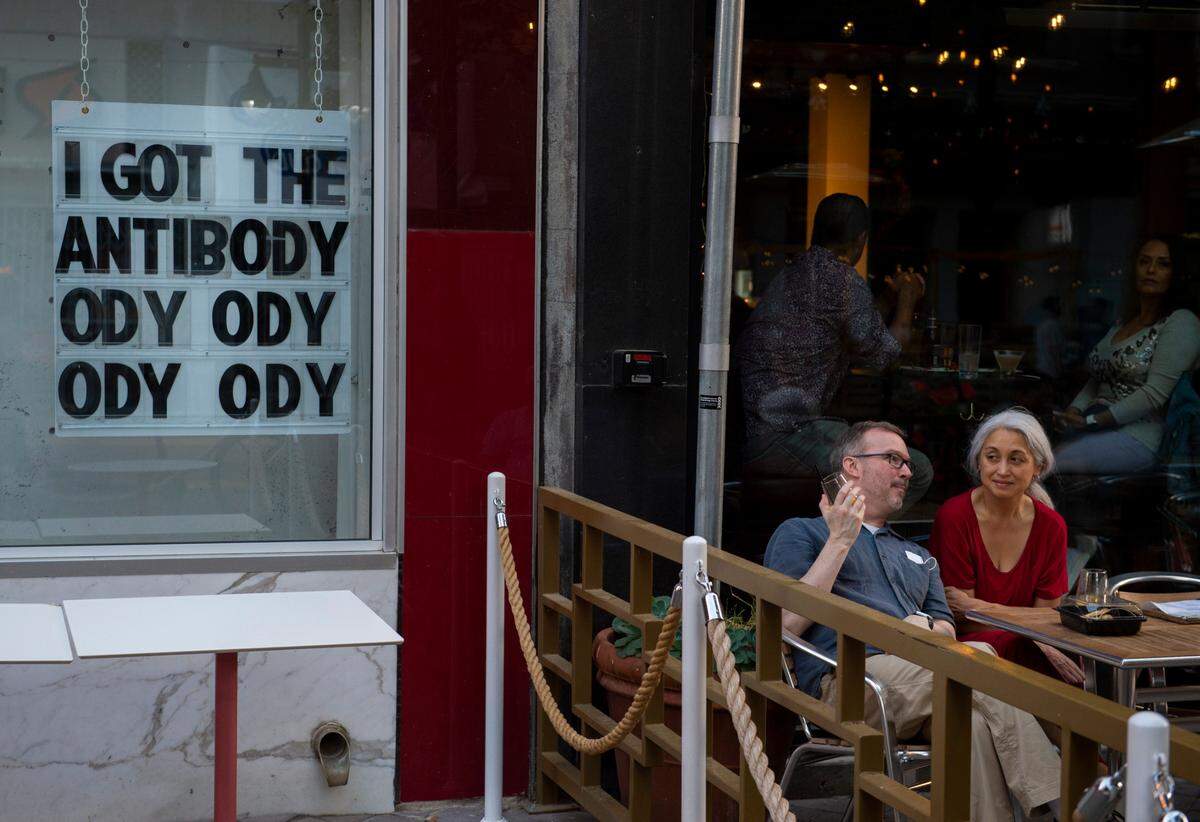
K Street’s lack of parking means it needs to be walkable, but boarded-up buildings make that experience less desirable. Entire Handle District and R Street Corridor streets closed down for al fresco dining, but K Street’s Light Rail line limited patio expansions. Another hit came in August, when weeks of smoke from record wildfires kept people inside.
“We can’t be the only place open in the area. Nobody’s going to come downtown just for one place. You need places where people can walk around. That’s the whole point of downtown,” Odd Cookie’s Rodriguez said. “If you drive through downtown late at night, it’s dead. If you drive through midtown, it’s packed.”
Midtown Sacramento bars such as The Jungle Bird, Midtown’s Cantina Alley and The Flamingo House have reported hourlong waits for entry on recent Friday nights amid a 25% occupancy cap and an industrywide staffing shortage. But roomy downtown Sacramento nightclubs such as District 30 and London remain closed entirely, reflecting the neighborhood’s safety concerns after dark.
Day habits have altered, too. Popular midtown restaurateurs said their unreserved tables now start filling up around 5 p.m. as people working from home dash out for a taste of social interaction. Downtown’s once-lively happy hour scene is still missing its state workers, though.
What they will see, though, isn’t as inviting as before. Walk the K Street block and you’ll see half-filled cups of soda and cigarette butts sitting in the sun outside Golden Rice Bowl, the boarded-up Chinese restaurant at 919 K St. Someone has made a home on Pizza Rock’s front patio, outfitting it with blankets, stuffed animals and shirts hanging from the door handles. You can hear a disheveled woman screaming profanities into the RT ticketing machine as empty Light Rail cars chug on by.
It doesn’t feel necessarily dangerous, but one part of the city is still trapped in the apocalyptic abandonment of the early pandemic.
Yet, some signs show pre-COVID ambiance returning. A street guitarist hooked up to amps, gently sings Maroon 5’s “Sunday Morning” and The Beatles’ “Blackbird.” Workers sidle in and out of Ella Dining Room & Bar, the high-end restaurant closed throughout the pandemic.
Selland Restaurant Group CEO Josh Nelson said he hopes it will reopen next month.
As neighbors such as Oblivion Comics & Coffee and Empress Tavern shut down one by one, Capital Books somehow thrived to the point of expansion. Book orders kept flying in, the volunteer courier network grew, and the Rojeks kept things fresh by, say, hiring Santa to hand pre-ordered gifts through car windows as parents rolled through around Christmas.
If anything, the pandemic more firmly entrenched Capital Books on K Street. It served as the pickup point for The Allspicery’s online sales when the tea and seasoning shop was closed to in-person customers, and organized a “Find Waldo” scavenger hunt throughout participating downtown businesses last summer.
The Rojeks are converting their store’s basement into a sci-fi dungeon with a Harry Potter-esque cupboard under the stairs. The top floor hosts “Feast and Fiction,” where one couple gets to dine and drink at a small cafe overlooking the street below six nights per week.
Most notably, Capital Books is opening a second location at 1020 11th St. where Oblivion Comics & Coffee was. It will have coffee, beer and wine with some light food options in front like Oblivion, then a board, card and video game lounge in the back when it opens around the end of the year.
The Rojeks have borne witness to Sacramento’s seismic changes during the last year. They have hosted newborns’ first outings and have seen a young father come in alone for the first time, after his wife died of COVID-19.
For Capital Books, 2020 was the most successful year yet. It’s also tarnished by survivor’s guilt.
“Our sales nearly doubled in a year. And that’s hard when I’m talking to someone I know from before this whose sales are down 90%, and they’re not sure they’re going to survive being a valid business,” Ross said.
Downtown needs Sacramento, and Sacramento needs downtown
Downtown businesses need each other to stay open, as Odd Cookie’s weak sales on a near-empty block and Capital Books’ partnership with The Allspicery show. They also need people to drive, walk, scooter, bike, light rail or find some other transportation downtown from Sacramento’s outlying neighborhoods.
But residential Sacramento also needs downtown. On the softer side, it’s a place to take out-of-town visitors for a Capitol or museum tour or a Kings loss, bookended by a stop at a local restaurant, coffee shop or bar.
Assistant City Manager Michael Jasso oversees the Office of Innovation and Economic Development and the Community Development Department. “When people talk about Sacramento (who are) not from Sacramento, it’s things that are located in the downtown of the city, whether it’s the state Capitol, whether it’s Golden 1 Center, whether it’s Old Sacramento, whether it’s the increasing vitality of the urban cores,” he said.
More coldly, it’s a primary economic engine for the city.
Take hotel tax revenue, which generated $30 million for the city on the back of downtown high-rises in fiscal year 2018-19, but dropped by 57% in fiscal year 2020-21. That money went to Visit Sacramento, the city Office of Arts and Culture and the Community Center Fund, which supports Memorial Auditorium, the Sacramento Community Center Theater and the Safe Credit Union Convention Center.
Property taxes accounted for 29% of the city’s $1.3 billion general fund in fiscal year 2020-21, and 46% of those come from downtown, according to the Downtown Sacramento Partnership. Online shopping rose nationwide during the pandemic, but Capital Books’ customers showed a clear interest in buying local, and customers spend $176.5 million per square mile at downtown Sacramento retail shops, according to a 2017 International Downtown Association study.
Downtown Sacramento’s location can also help spotlight neighborhood efforts and highlight the city’s diversity, Jasso said. Cesar Chavez Park hosts events such as Black Expo and El Carnaval de Chavez, creating opportunities for celebration and education beyond what a residential area’s park might offer.
Downtown’s worsening homelessness crisis also reflects on the rest of Sacramento. While issues such as job losses and rising rents have forced people onto the street, many of the people now congregating on K Street or in Cesar Chavez Plaza were previously living out of sight between the margins, said City Councilwoman Katie Valenzuela, whose district includes downtown.
Suddenly last March, unhoused people couldn’t use phones at coffee shops or get a glass of water from a restaurant, Valenzuela said. Shelters were temporarily closed during the pandemic and even public drinking fountains were shut off early on, so people congregated in central areas.
“It’s the natural progression of a really intense economic crisis that brought people to the street, but it’s also a byproduct of not a lot of activity downtown,” Valenzuela said. “There’s a natural evolution where folks gravitated to that area because they’re not going to be disrupted and could maybe survive a little easier together. COVID just exposed the crisis that was already there.”
Nevertheless, business owners are fed up and casting blame at the top: Mayor Darrell Steinberg received a public letter in October signed by more than 60 downtown businesses demanding additional safety measures.
“The mayor needs to figure out what the hell to do with the homeless. He’s been running his whole campaign on it but hasn’t done anything about it,” Holy Slice’s and Blue Ox’s Abukhdair said. “(The city needs) to help out the small business owners that have invested their lives here.”
But aside from leveraging contacts from his long political career, Steinberg can’t do much more than any other council member. That was the whole idea behind Measure A, the “strong mayor” ballot proposal that failed in November.
Opponents said it would have given the current mayor and future officeholders too much power; Steinberg, who’s spoken publicly about his family members’ mental illness struggles and founded an eponymous institute aimed at advancing mental health public policy, pitched it as an opportunity to address the homelessness crisis more quickly and directly.
The onus falls, then, on the City Council as a whole, as well as City Manager Howard Chan and the Sacramento County Board of Supervisors. The city did give Downtown Sacramento Partnership $250,000 for increased downtown and Old Sacramento maintenance in late 2020, including additional lighting and more frequent power washing.
That’s helped, Rodriguez said. But where was that support throughout the rest of the year?
“The last three months, they’ve really been trying to clean it up again, but before then, it got bad and it was like nobody even cared,” Rodriguez said. “It was just a disaster, and everybody just kind of threw in the towel on downtown and left us to fend for ourselves. But it’s definitely gotten better.”
The path out
The area will continue to improve, Downtown Sacramento Partnership executive director Michael Ault said. It has to.
“We want downtown to get back to where it was a year-and-a-half ago: a fun place, a great destination. Downtown will always need to be a destination, and so we need to make sure people feel good about the experience of coming back here to the core,” Ault said. “You don’t build a convention center or a Golden 1 Center and not take care of the area around it.”
It will be less a destination than a home for an increasing number of people, though. More than 1,150 single-family homes, apartments and condominiums are currently under construction between C Street and Broadway and west of 17th Street, and plans have been submitted for nearly 3,000 more.
That will help insulate against future workplace changes, and doesn’t include the Railyards and Sacramento Republic FC’s Major League Soccer dreams. Primary investor Ron Burkle’s exodus put the team and city back at square one financially, but plans are in place if Sacramento can land a whale.
Critically, the Downtown Sacramento Partnership expects 70% to 80% of downtown workers to return to their offices at least part-time by Labor Day based on conversations with employers, Ault said.
Some state employees may never return, but downtown Sacramento had the lowest Class A (newly constructed, centrally located) building vacancy rate in recorded city history prior to the pandemic, Downtown Sacramento Partnership district affairs and development director Emilie Cameron said. Private companies might have new opportunities to move downtown, diversifying the area’s economic base as a result.
“A healthier economy really depends on the ebb and flow of daily activity, and downtown has always struggled with that,” said Valenzuela, who previously worked at 9th and K streets. “With the current projects and conversations around reuse, I think that’ll help build the feeling of downtown as well as the customer base.”
The city also needs to address the growing number of people who have made downtown’s streets their home during the past year. A homelessness “master plan” proposed by Steinberg goes to City Council in July, mapping out future sites for shelters, tiny homes and safe camping spaces as funding becomes available.
The map isn’t yet complete, but a proposal released last month shows 47 potential sites, including three in Poverty Ridge about 20 blocks from The Kay, the district from 7th to 13th streets, J to L streets. Supported by homeless advocates, the master plan aims to cut through NIMBY opposition to individual sites by approving them all at once.
Valenzuela visited the Tsakopoulos Library Galleria several consecutive nights when it was being used as a city warming center in January. Looking around Cesar Chavez Plaza in the months after, she recognized about 90% of the unhoused people camping there from the galleria.
“We need to give people a place to go,” Valenzuela said. “These are people who will go somewhere if there is somewhere available to them, and I think the core issue the mayor’s plan is trying to tackle is where to put them. Nobody I’ve talked to disputes the fact that the current situation isn’t working for anybody, but if you don’t give people a place to go, then they’re just going to push into other places.”
Reopening will not be a rush. Events will also slowly come trickling back. Golden 1 Center is booking full-capacity shows such as a Professional Bull Riders competition in August, and city leaders cut the ribbon to unveil the new convention center earlier this month.
“I believe that over summer and by the end of summer, you’re going to see the return to a pretty active, vibrant downtown,” Jasso said. “I think a full recovery will depend on when various employers, including the city and state, feel comfortable having their workers return.”
Cecil Rhodes and Jake Bombard opened Nash & Proper’s first brick-and-mortar restaurant at 1023 K St. in September. Their popular Nashville-style hot chicken concept, introduced to the Sacramento area via food truck the two years prior, drew long lines its first week on K Street.
Then everything dried up. It was a “ghost town” in January and February, Rhodes said. Now weekly concerts at Ali Youssefi Square and Cathedral Square at least bring some people downtown.
“Slowly but surely, it’s coming back,” said Rhodes, who will open Nash & Proper’s second location in Elk Grove with Bombard on Friday. “Everything is good. We’re still looking for staff like everybody else, but for what it is, it’s actually going in the right direction. There’s really nowhere else to go but up.”
All this change won’t come soon enough for everyone. About 40% of small retail businesses and restaurants nationwide will be challenged to survive the summer, according to a survey published by small business network Alignable earlier this month.
The last 16 months have claimed longtime downtown favorites including Bud’s Buffet and Ambrosia Cafe, and more closures could still come. But there’s opportunity, too, for new ideas and life to rise from the ashes.
“I see this (time) as a giant blip,” Ross Rojek said. “There’s a sadness in there (when businesses close), but on the other end of it, that’s the circle of life.”
This story was changed June 13, 2021, to reflect that the homeless master plan has been proposed and goes to the City Council in July.
This story was originally published June 13, 2021 at 5:00 AM.