
Why California voters have to weigh in on kidney dialysis for the third time in six years
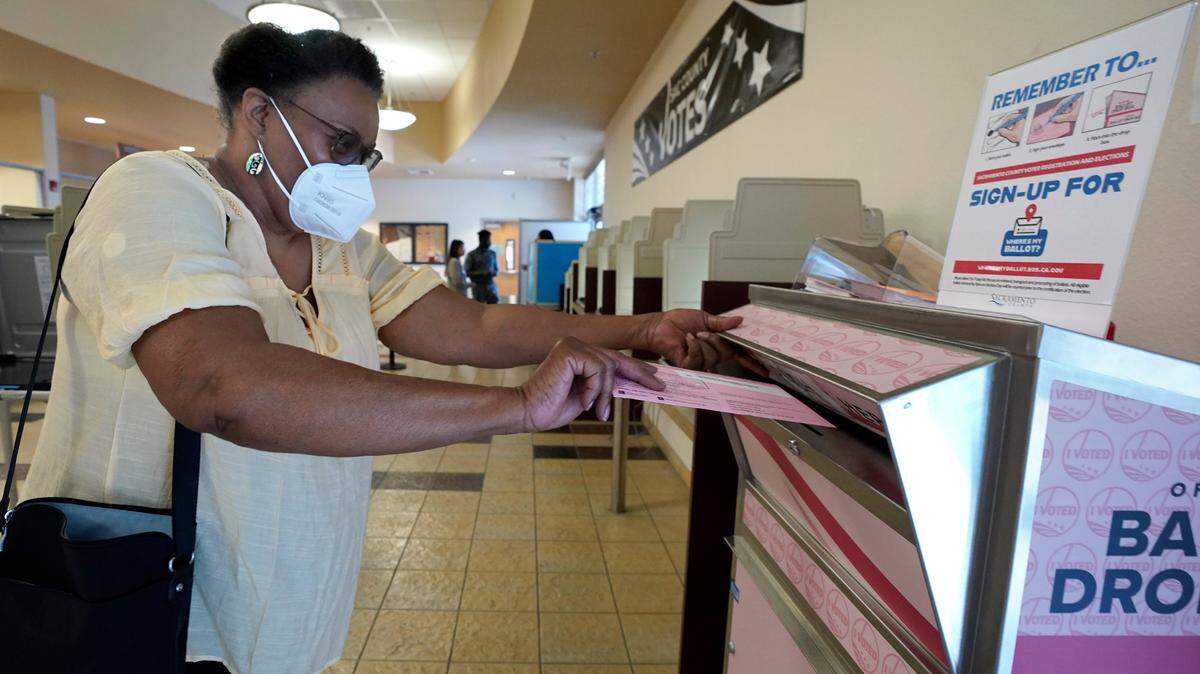
The relatively thin crop of ballot questions going before California voters in November should encourage those who have tried to restrain the state’s overused initiative process, which typically forces the electorate to make policy on a wide range of often arcane issues. But too many of this fall’s initiatives nevertheless concern controversies among special interests and detailed fiscal questions that should be answered by politicians and policymakers, not voters sorting through long lists of sometimes obscure issues in their spare time.
The seven propositions on the ballot are the fewest put to voters in an election year since 1916, just five years after Hiram Johnson spearheaded the advent of the initiative, the referendum and the recall as a means of empowering voters. That the number is near a historical low speaks to the sheer volume of such questions typically put to the state’s electorate. The 2020 ballot featured a dozen questions, and a few election years have confronted voters with more than 40.
Reforms proposed by Sacramento Mayor Darrell Steinberg in 2014, when he was the leader of the state Senate, helped trim this year’s ballot by giving lawmakers an opportunity to pass legislation on the questions instead. Two proposed initiatives, on medical malpractice and plastic pollution, were withdrawn from the ballot thanks to eleventh-hour deal-making in the Capitol. The negotiations yielded a major bill requiring plastic producers to substantially increase recycling rates over the next decade, an encouraging example of progressive policy made by the people voters elected to do the job.
Of the questions that will appear on the ballot, the first, which would enshrine abortion rights in the California Constitution, is the sort of matter of general public interest and constitutional protections that should be going to voters. The other six, not so much.
Two questions concern the latest high-stakes battles over gambling, with Native American tribes, sports betting websites and Las Vegas casinos jockeying for control. Two others would add more ballot-box restrictions to the state budget to direct revenue to school arts and music programs or electric vehicle incentives and infrastructure. The latter, backed partly by the ride-share company Lyft, would raise taxes on the state’s wealthiest to subsidize the transition to zero-emission vehicles.
One of the worst examples of the genre on this fall’s ballot stems from a long-running dispute between kidney dialysis companies and Service Employees International Union, which has been trying to organize the clinics’ workforces. For the third straight election year, California voters are being asked to impose stricter standards on dialysis clinics through a ballot measure backed by the union, whose previous two initiatives lost resoundingly.
The only less edifying exercise on the ballot is a Big Tobacco-backed referendum to overturn the state’s ban on their flavored products.
Despite incremental progress toward a less bewildering ballot, the bulk of this year’s initiatives show that this supposed instrument of direct democracy functions mainly as a means for wealthy interests and individuals to work their will. Lawmakers should ensure that the next ballot gives voters a chance to rein in a process that was supposed to work for them.
BEHIND THE STORY
MOREWhat are editorials, and who writes them?
Editorials represent the collective opinion of The Sacramento Bee Editorial Board.
They do not reflect the individual opinions of board members or the views of Bee reporters in the news section. Bee reporters do not participate in editorial board deliberations or weigh in on board decisions. The same rules apply to our sister publications, The Modesto Bee, Fresno Bee, Merced Sun-Star and San Luis Obispo Tribune.
In Sacramento, our board includes Bee Executive Editor Colleen McCain Nelson, McClatchy California Opinion Editor Marcos Breton, opinion writers Robin Epley, Tom Philp, LeBron Antonio Hill and op-ed editor Hannah Holzer.
In Fresno and Merced, the board includes Central Valley Executive Editor Don Blount, Senior Editor Christopher Kirkpatrick, Opinion Editor Juan Esparza Loera, and opinion writer Tad Weber.
In Modesto, the board includes Senior Editor Carlos Virgen and in San Luis Obispo, it includes Opinion Editor Stephanie Finucane.
We base our opinions on reporting by our colleagues in the news section, and our own reporting and interviews. Our members attend public meetings, call people and follow-up on story ideas from readers just as news reporters do. Unlike objective reporters, we share our judgments and state clearly what we think should happen based on our knowledge.
Read more by clicking the arrow in the upper right.
Tell us what you think
You may or may not agree with our perspective. We believe disagreement is healthy and necessary for a functioning democracy. If you would like to share your own views on events important to the Sacramento region, you may write a letter to the editor (150 words or less) using this form, or email an op-ed (650-750 words) to opinion@sacbee.com. Due to a high volume of submissions, we are not able to publish everything we receive.
Support The Sacramento Bee
These conversations are important for our community. Keep the conversation going by supporting The Sacramento Bee. Subscribe here.