
California prioritizes profits over health of ecosystem. Now, our salmon face extinction
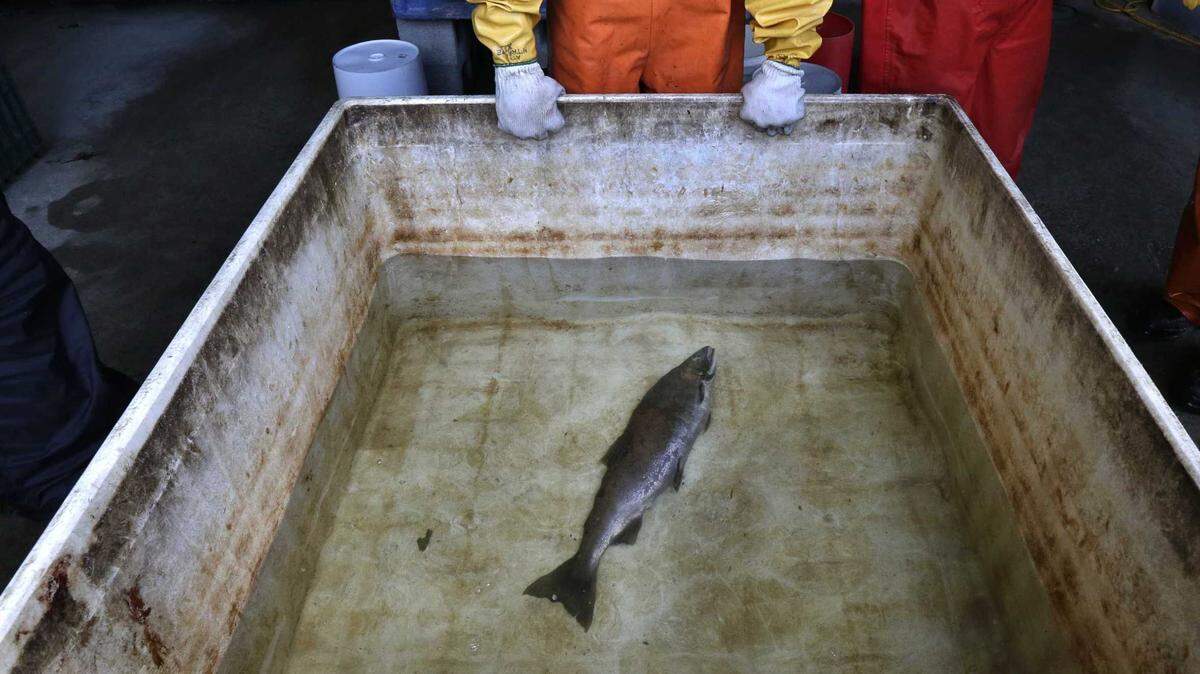
Salmon are facing extinction.
Since 2015, California has seen a continuing decline in salmon populations and record-low catches. The numbers were so low in 2008 and 2009 — and now, in 2021 — that commercial salmon fisheries closed.
Between 2002 and 2008, the Klamath River salmon runs dropped from 800,000 to 60,000, a population decline of 90% in six years.
Landings have dropped from 5 million pounds to less than half a million over the last 20 years. During this same time, almond production has nearly doubled.
Historically, Native people caught an estimated 8.5 million pounds of salmon in the Central Valley alone.
Being confronted by statistics is important. We need to know what is at stake. But I don’t just want to focus on the numbers because that’s a language of disconnection. In Native cultures, we think more about our responsibility to salmon than about salmon’s benefits to us. The truth is, if the salmon go extinct there will be devastating consequences.
Salmon have existed for over 5 million years. They are a “keystone species,” meaning they are integral to the ecosystem and health of the environment and rivers.
The collapse of salmon in California can be attributed to policy and politics. Prior to the 1800s, salmon populations were thriving. Native people have stories about how you could “walk on the backs” of salmon. The Gold Rush, often celebrated in California history, was actually a time of destruction that resulted in not only the attempted genocide of California Indian peoples, but also the destruction of forests, rivers, oceans, animals and natural landscapes. The salmon population was decimated.
This mentality hasn’t stopped. We are continuing to see the consequences of policies that center exploitation over the health of our ecosystem and people. In 2002, there was a massive fish kill of salmon on the Klamath River. During the last drought, over 90% of young salmon were allowed to die in the Klamath and Sacramento Rivers.
This year, almost all of the juvenile salmon have died in the Klamath River, and the state plans to let 89% of juvenile salmon die in the Sacramento River. Even our adult salmon are dying. California biologists reported that 66% of adult winter-run salmon have died without spawning this year. These were once the second and third top salmon-producing rivers in the West.
We are always told that this is about “fish versus farmers.” It’s not. This is about policies that have prioritized profits over people, sustainability, the health of our ecosystem, our drinking water and climate disaster prevention.
Now, every year, we face the growth of toxic algae and warming waters that threaten not only the health of the salmon and rivers throughout the state, but also our drinking water.
Meanwhile, the agricultural industry continues to use between 50-80% of our water while contributing only 2% GDP to our economy.
We have to demand responsibility from our industries and political leaders. The salmon need water. They need us.
Salmon navigate hundreds of miles throughout their lifetime. They live by their relationship to their homelands.
In Hoopa, we say the K’ixinay (First People) taught humans how they were supposed to live so the earth would remain balanced. Salmon are First People; they are much older and wiser than humans. “Let the salmon return” goes one of our prayers. I was always told that salmon must return so that we can live, and we live so that we can make sure they return.