Wild animals causing problems in your yard, Sacramento? Here’s what you can do
READ MORE
Wild Animals in Sacramento
When you live in Sacramento, you live among the animals. Click on the arrow below for more stories in our series on wild animals in the area.
Expand All

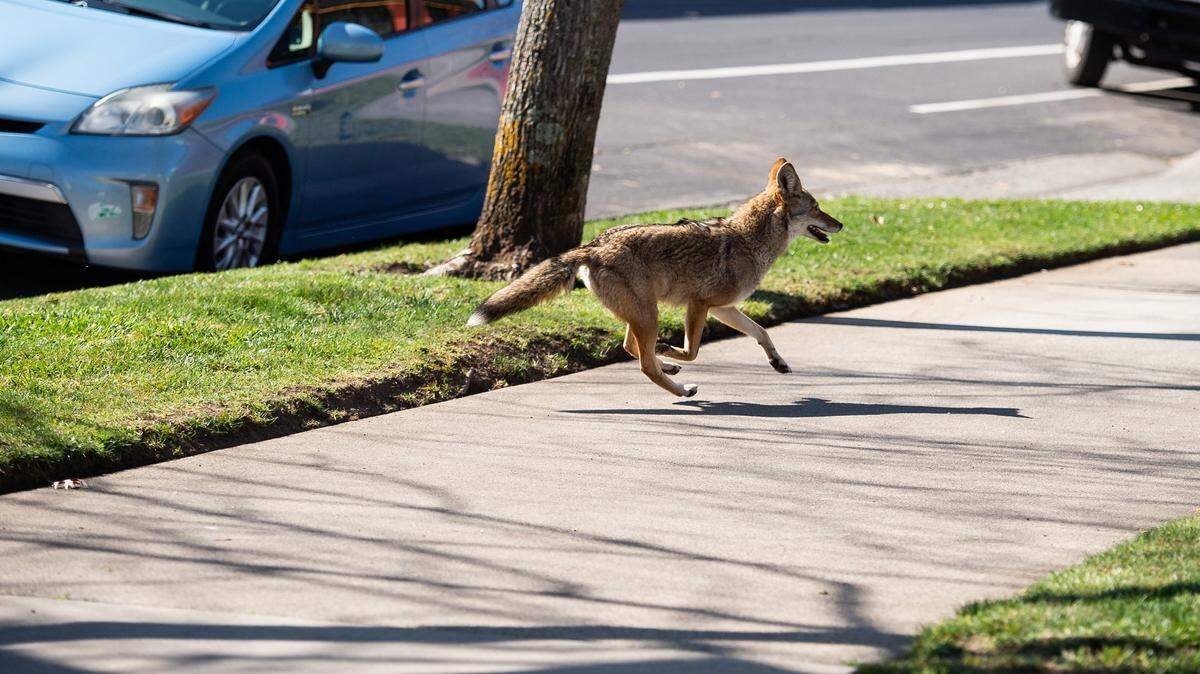
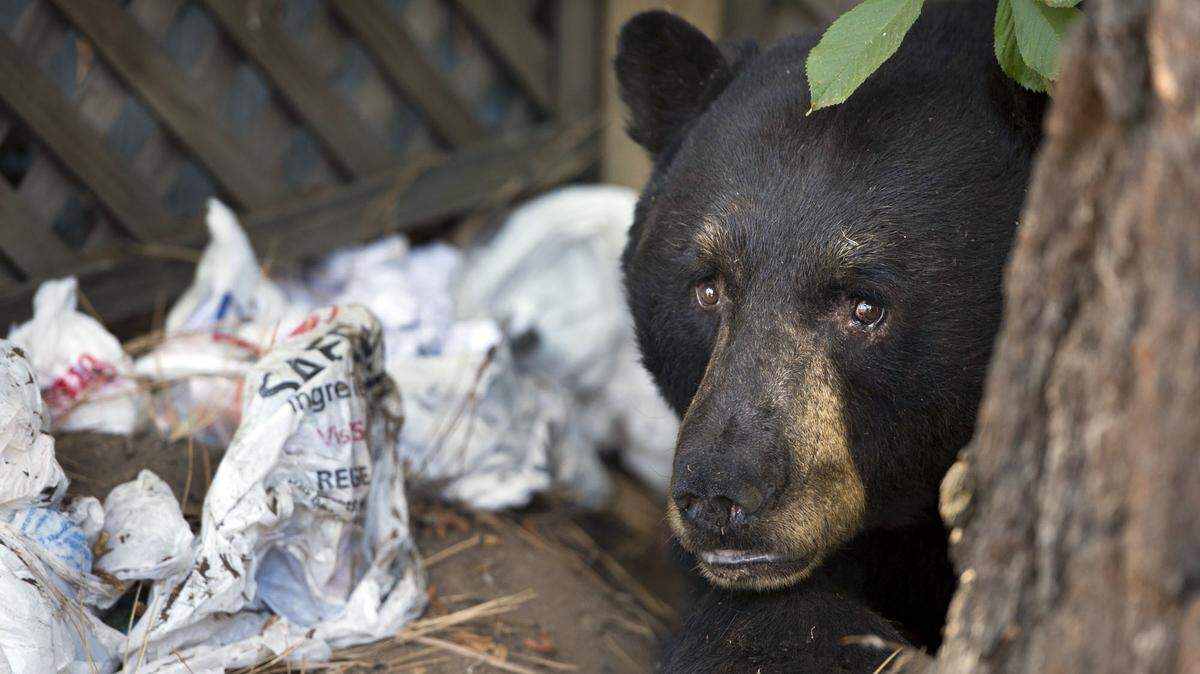
They can run the gamut from harmless, to nuisance, to threatening.
But wildlife are all around us in California, and the odds are pretty good that at some point, you’ll have an unexpected encounter with one of these critters — perhaps at your home.
Here are seven types of wild animals that can cause problems on your property, some harmless methods of keeping them away and some rough estimates about what those deterrents might cost you. Many of these tips come from the California Department of Fish and Wildlife.
Turkeys
Wild turkeys typically won’t pose any threat to humans unless they’re particularly aggressive in spring, during mating season. They’re usually scared of dogs, too.
However, they can do damage to gardens, or roost on roofs, patio furniture and vehicles, chipping paint.
If you want to keep them off your lawn, Fish and Wildlife suggests installing motion-activated sprinklers. Many of these systems can be found online for roughly $50 to $60.
As advised for other nuisance animals, also consider removing bird feeders.
“If confronted by a wild turkey that has lost its fear of humans, an open umbrella may help steer it out of your path,” Fish and Wildlife advises in a brochure.
Deer
If you live in a rural or semi-rural area, deer can cause problems directly, destroying gardens or damaging backyard landscapes, or indirectly, by drawing in their predators — mountain lions.
Fish and Wildlife has a 24-page “Gardener’s Guide to Preventing Deer Damage,” which gives three main options that can be mix and matched depending on the severity of the problem: deer-resistant plants, fencing and/or commercial repellent.
There are scores of types of plants, trees, grasses and shrubs that deer tend to avoid — everything from bamboo to common lilac to cedar trees. The best fit likely depends on your property and the climate in your area.
A number of different types of fencing may be used, from high-tensile wire to mesh fences. A good deer fence should be at least 8 feet high, Fish and Wildlife says. Burying it at least a foot underground will make it effective against a variety of other, smaller animals as well.
Deer repellent sprays that can be used on your lawn, garden or fences can be found at most hardware stores. A 32-ounce bottle of anti-deer spray would typically run you less than $20.
Another possible option is to install motion-activated lights, which will scare most deer away. These systems vary in price depending on the size of yard being illuminated.
Fish and Wildlife also encourages residents to pick up their fallen tree fruit to discourage deer from snacking. It’s illegal to intentionally feed deer in California.
Coyotes and rodents
As with deer, you can reduce the odds of a coyote prowling your backyard by picking up tree fruit, avoiding use of bird feeders and keeping pets indoors at night.
Coyotes, raccoons and other rodents also scavenge through garbage, so it’s a good idea to find a garbage can with a lockable lid, which range from about $100 to $200 for a regular, residential-sized can. There are also latches or straps that can be found online for roughly $20 to $50 that you can install on your current garbage can.
Fish and Wildlife also says you may want to use rope or cord to tie your can against a fence so these critters can’t tip it over.
Occasionally, coyotes that have lost their fear of humans will try to follow people. If that happens, Fish and Wildlife says your best bet is to start making loud noises. If that doesn’t work, try throwing rocks in the coyote’s general direction.
Rattlesnakes
The best way to avoid rattlesnakes is to watch where you’re stepping and where you’re grabbing, and to wear sturdy boots and long pants when in brushy areas where there might be snakes.
If you live in an area with lots of rattlesnakes or are particularly concerned about them, you can consider installing a snake-proof fence in your yard.
There are commercially made snake fences, with price varying widely depending on material and length.
But you can also build your own. It should be at least about 3 feet high, either solid or mesh with holes less than an inch, and with the bottom buried a few inches underground so that rattlers can’t burrow beneath it, according to Fish and Wildlife. It may also help to slant the snake fence outward by about 30 degrees, to keep snakes from climbing over.
Human rattlesnake bites are rare but they do happen, and those who are bit should seek immediate medical attention. Never use your mouth to suck out venom.
If your pet is bitten by a rattlesnake, contact your veterinarian as soon as possible.
Bobcats and mountain lions
Bobcats are, at most, about half as big as mountain lions but are more common than cougars in the Sacramento area. Both are carnivores: Mountain lion mostly prey on deer, while bobcats can eat birds, reptiles, rodents and other small mammals.
That means that if you’re concerned about either of them near your property, the best defense is to eliminate things that may attract the smaller critters they feast on.
In addition to the aforementioned tips for warding off deer, consider getting rid of bird feeders, which can draw in squirrels, rats and other rodents. Keep pets’ food and waters indoors. And bring cats and dogs inside at night, which is when bobcats are most active.
If you have chickens or livestock, pen them in a safe manner that big cats can’t get to.
Bears
You’re very unlikely to have a black bear run-in in urban Sacramento, but it becomes significantly more likely if you live, are vacationing or are camping in the Tahoe area.
Fish and Wildlife, as well as the Placer County Sheriff’s Office, advise that you should always lock your vehicle’s doors in bear country. Bears can open doors. In some cases, bears have gotten into vehicles but been unable to get back out — prompting authorities to smash open windshields to rescue them.
It’s also important to make use of locking or otherwise bear-resistant trash receptacles. Bears will get to that food waste if they can.
And, for campers, there are companies that sell bear-proof food containers. Those will generally run you somewhere between $50 and $100 a pop at a hardware or specialty store.
What if a skunk sprays you?
If a skunk stinks up you, your pet or your furniture, you have a few options.
To remove the stench off of furniture or other materials, your best bet is a neutroleum-alpha spray. These sprays should not be used on people or pets. They can be found a number of different places, including hardware stores, usually for under $20.
For your body, your dog or your cat, here’s the home remedy recommended by the University of California’s pest management program, the Humane Society and others:
▪ 1 quart of 3% hydrogen peroxide
▪ ¼ cup of baking soda
▪ 1 teaspoon of liquid soap
Mix the above. The mixture can safely applied on people, pets, clothing and furniture to help get rid of skunk odor. However, keep it away from eyes, and be sure to rinse pets with water afterward, the UC pest program notes.
If you’re ever bit by a skunk, seek medical attention immediately. Skunks carry rabies. Also be sure to get your dogs or cats routinely vaccinated against rabies.