Meet the animals that share our neighborhoods, whether we like them here or not
READ MORE
Wild Animals in Sacramento
When you live in Sacramento, you live among the animals. Click on the arrow below for more stories in our series on wild animals in the area.
Expand All

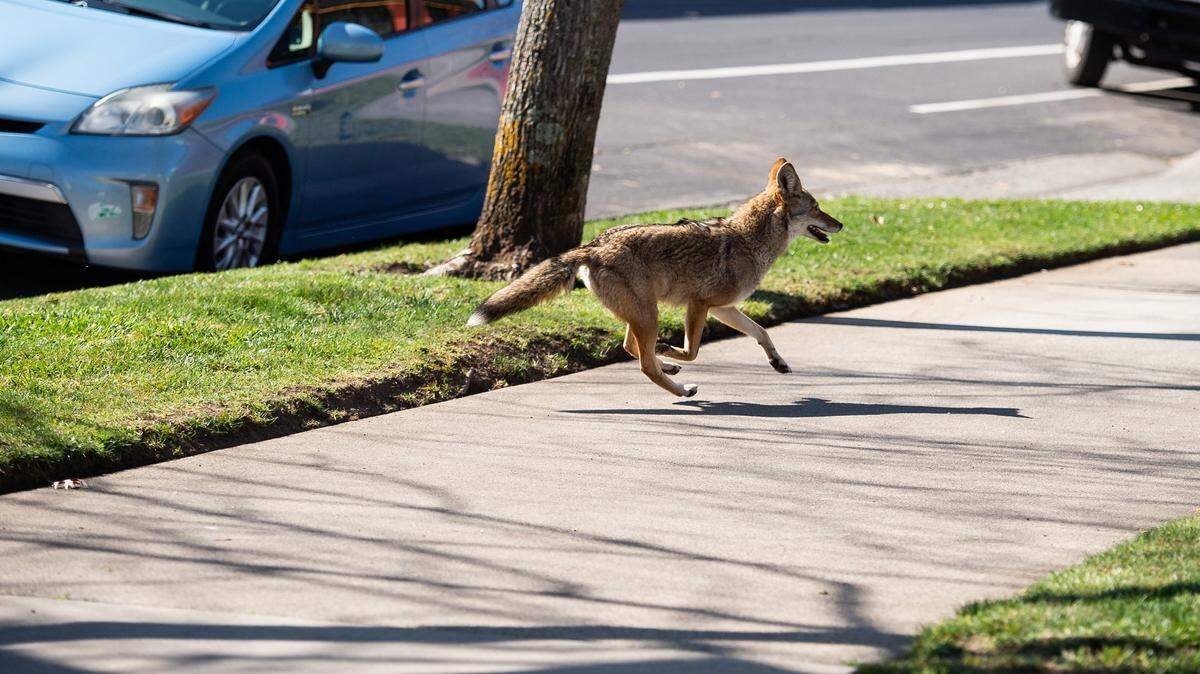
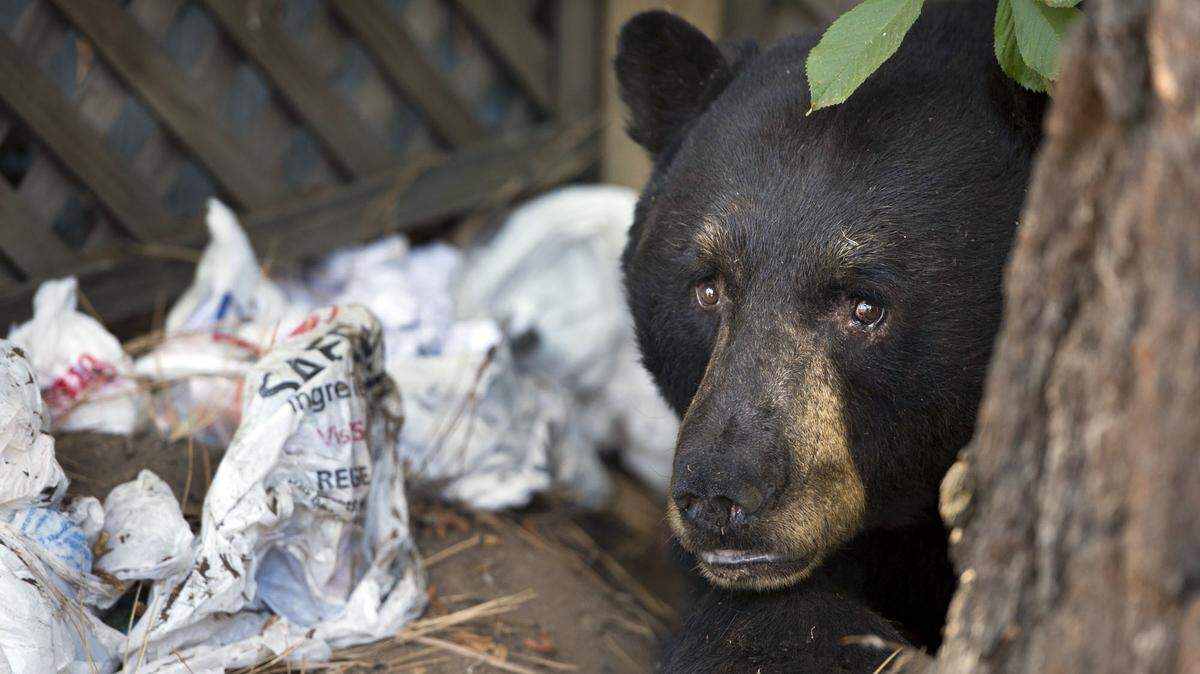
Wild animals live throughout the Sacramento capital region, but some leave more vivid impression than others, sauntering across lawns, chasing cats or otherwise interfering with urban life.
It’s a cliched but true that animals fear people more than people fear them. Our motor vehicles alone pose more threat to them than they could ever to us.
There’s still plenty to be aware of, though, about how some of Sacramento’s most common critters cross paths with us in adversarial ways — often when that fear of humans has eroded over time.
Here’s what to know about seven animals that frequent Northern California and cross paths with people on a fairly regular basis: mountain lions, coyotes, turkeys, deer, rattlesnakes, skunks and black bears.
Mountain lions
Puma concolor
Also called cougars, mountain lions like to live where deer, their natural prey, live: the mountains and foothills.
They prompt considerable alarm when they’re seen in residential areas. That happens occasionally near Sacramento, usually on the east side of the county, closer to the Sierra Nevada foothills.
Debra Chase, CEO of Mountain Lion Foundation, a Sacramento-based nonprofit, said the ones that turn up in neighborhoods are usually young males.
“When the younger males come of age, they have to establish their own territory,” she explained. “That usually means they have to fight for territory with an older male, or they have to leave.
“The younger dispersing males are gonna find a territory. That’s often what we see in our urban edge areas, such as Citrus Heights and Natomas. … You’ve got these younger males that are just out there trying to find a home.”
Fatal mountain lion attacks on humans are exceptionally rare, but cougars can also attack pets and livestock, sometimes killing the latter en masse.
“They’re going to be very opportunistic,” Chase said.
Both the Mountain Lion Foundation and the California Department of Fish and Wildlife recommend never approaching a mountain lion. If you come across one, stay calm and do not run or turn your back.
And if, in the worst-case scenario, a mountain lion does attack you — fight back, they say.
Coyotes
Canis latrans
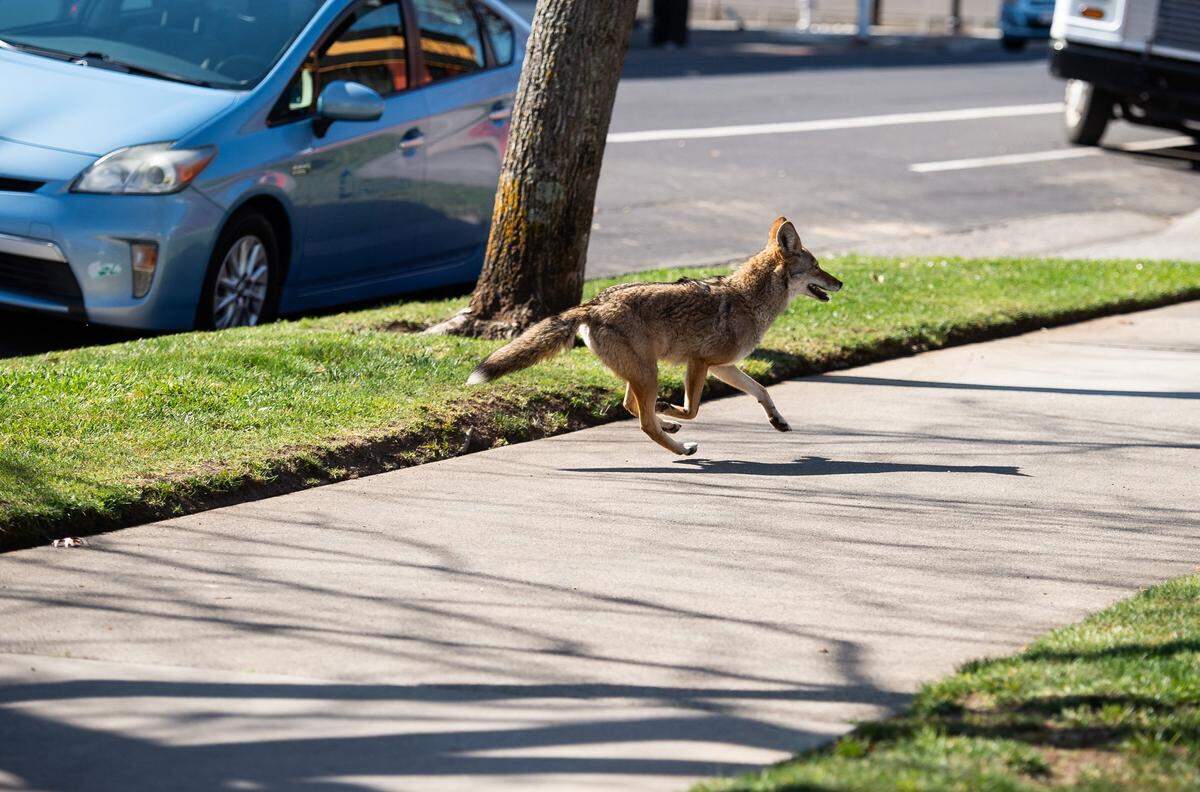
Coyotes are native to California, and live throughout the state, according to Fish and Wildlife mapping data.
Jace Huggins, Sacramento’s chief animal control officer, recently estimated about 40 to 50 coyotes live within city limits.
That count might make their appearance in residential neighborhoods around Sacramento a little less surprising.
There’s even a page on the city website titled “Dealing with Coyotes.”
“Although the coyote is an excellent hunter, feeding primarily on rats, mice, ground squirrels, rabbits, insects, carrion and fruit, they will not hesitate to kill cats, small dogs, poultry, sheep, or goats if given the opportunity,” city officials advise on the webpage. “They can learn that domestic animals are easier or more available prey than wild animals.”
That last bit is particularly disconcerting for pet owners. Why chase down squirrels when there are perfectly edible cats and small dogs letting their guard down?
Coyotes are hunters, but they’re also very adaptable. State wildlife officials encourage residents to make sure trash and food waste are safely stored to discourage them from becoming comfortable as scavengers in residential areas.
Turkeys
Meleagris gallopavo
Wild turkeys are also all over the place. The Department of Fish and Wildlife said they now occupy about 18% of California’s land area.
Turkeys don’t pose much, if any, threat to house pets. The human-turkey relationship in urban Sacramento is basically just one of nuisances and the occasional break-in, which can get testy.
Donna McDonald, Fair Oaks dental office manager who dealt with a turkey break-in, can attest to that.
“It was quite agitated, and it didn’t like being trapped in there,” she said.
Turkeys will cross traffic, causing minor delays, but they’re usually big enough and trot slow enough to be spotted easily and avoided with one’s vehicle.
Wild turkeys can also roost on patio furniture, and residents from Folsom to Davis have in recent years called 311 to complain about them damaging roofs and cars, or exhibiting aggressive behavior.
They get particularly ornery during mating season, from March to April.
The state wildlife department turkeys start to become a bigger problem if residents feed them, as is the case for most wild animals.
“A few stray visitors soon become a flock of permanent residents that have lost their natural fear of humans,” the agency wrote in a brochure that is part of its “Keep Me Wild” campaign. “If confronted by a wild turkey that has lost its fear of humans, an open umbrella may help steer it out of your path.”
The wild turkey species commonly seen today aren’t native to California. They’re Rio Grande turkeys, brought over from Texas during the latter half of the 20th century for hunting purposes.
Deer
Odocoileus hemionus
The Department of Fish and Wildlife said more than half of California is deer habitat, though they largely prefer the foothills and mountains.
Aside from being common roadkill and drawing mountain lions, deer can damage gardens.
State wildlife officials advise enclosing gardens with tall or deer-proof fencing; making sure to pick up fallen fruit; or, if problems persist, using commercial deer repellents.
Rattlesnakes
Crotalus oreganus
Rattlesnakes are very common in California. They like to live in brushy areas and under piles of wood.
They’re venomous but they’re not agitators, generally only biting humans or pets if encroached upon.
The state’s “Keep Me Wild” campaign said the best way to avoid a rattlesnake bite is to watch your steps carefully while hiking in brushy areas, wear boots and long pants, avoid tall grass and stick to trails.
You also shouldn’t put your hands anywhere you can’t see. And, if you’re in the river, remember that rattlesnakes can swim.
Skunks
Spilogale gracilis and Mephitis mephitis
The stinky critters come in two varieties in California: the spotted skunk and the striped skunk. The latter frequents residential areas.
Skunks are dark in color and most active at night, so they usually are smelled but not seen, according to the University of California’s pest management program.
They scavenge for food and water in residential areas, another reason to keep garbage can lids tightly closed or locked. They also feast on cat food left unattended.
Skunks are not aggressive but can spray people or dogs in defense. They’re also one of California’s most common carriers of rabies. If bitten by a skunk, seek immediate medical attention.
The UC pest program says you can make your yard less attractive to skunks by trimming shrubbery and managing grubs and insects that are fed on by skunks.
Black bears
Ursus americanus
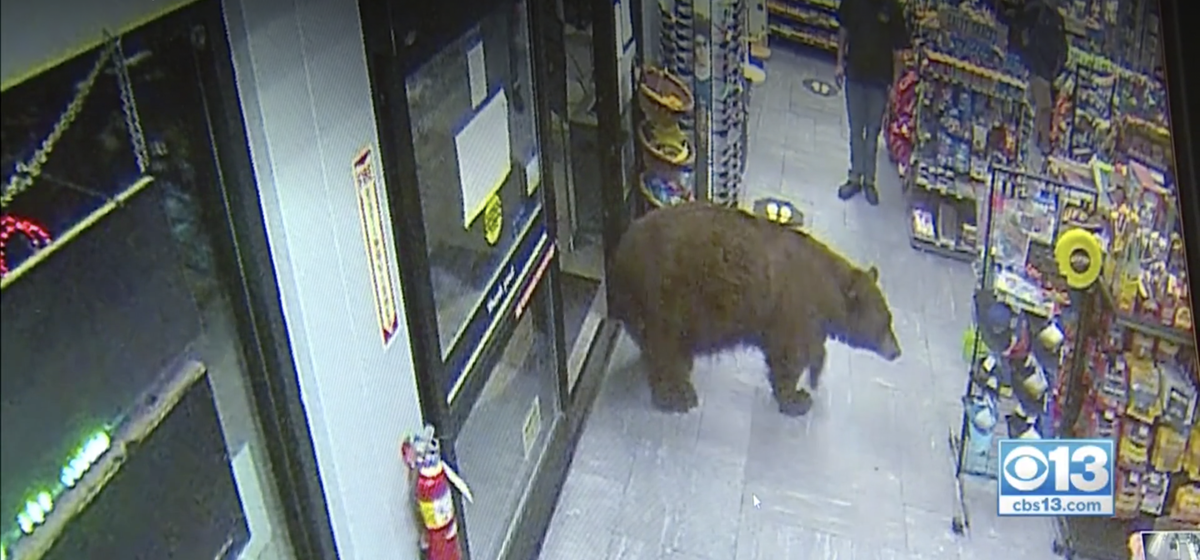
Black bears don’t frequent the Sacramento area. However, they’re common in the Lake Tahoe region to the east and in the Capay Valley to the northwest. The bears at UC Davis most likely came from the latter direction.
Bears have also been caught on camera in recent years in other places such as Vacaville.
You’re a lot more likely to come across a bear when camping or hiking than to have it pop up on your front lawn or the campus of your college. If a bear enters your property, don’t confront it, Fish and Wildlife said. If it won’t leave, call 911.
This story was originally published June 27, 2021 at 5:00 AM.