
What does it take to compete in Ironman? Here are 3 tips from a California triathlete
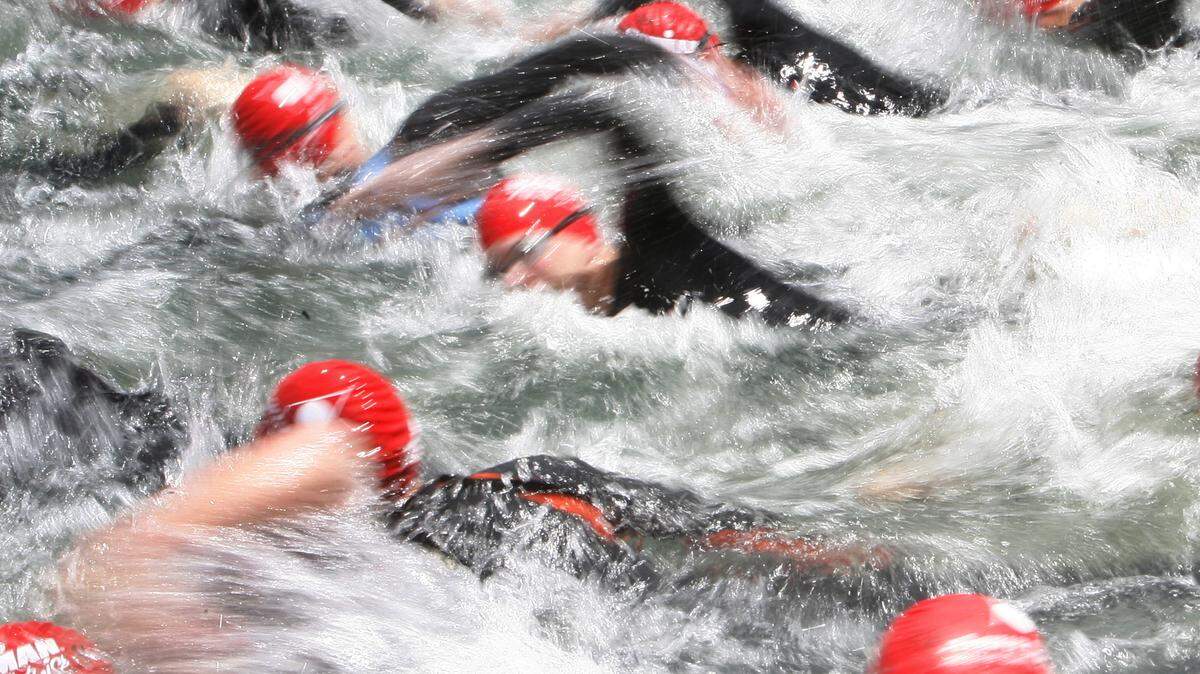
Ironman California is coming to Sacramento this weekend.
Which got us wondering, what does it take to participate in an Ironman triathlon?
The 140.6-mile race pushes athletes endurance to extreme levels. A participant must complete a 2.4 mile swim, followed by a 112 mile bike ride then end with a marathon. It’s safe to say the race requires dedication and gusto to successfully complete.
The Bee spoke to Vince Jones, vice president of the Sacramento Triathlon Club and avid Ironman participant. He will be racing in Sunday’s competition.
“It’s the hardest physical challenge I can think of,” Jones said. “For me once I did one I was like, ‘Wow, I really truly feel like now I can do pretty much anything physically.’”
How early should I start training?
If you’re considering participating in a triathlon, conditioning will be an integral part of the journey. The rule of thumb is typically to start training six months before the race start date. The Ironman website has a six-month training plan that anyone who is interested in running can follow.
For Jones, Ironman California will be the third triathlon he participates in this year. He started the year at St. George Ironman 70.3 World Championship, then he went on to race in the Alaska Ironman, and now he’s finishing the year in his hometown of Sacramento. Although he hasn’t stopped training, he also suggests starting six months before the race starts.
“I would say four months is probably pretty hard training, it kind of tapers up sort of like a mountain then comes back down,” Jones said when explaining what his conditioning looks like in the six months gearing up for Ironman. “The last two weeks I’m probably putting in 10 to 15 hours a week, in the middle four months it’s probably 20-25 [hours], sometimes 30 in the optimum couple weeks.”
This week leading up to Ironman, Jones has been training five days a week, but in the middle of the training session he was training for six days a week. In fact, earlier this week he did a small triathlon on his own.
Nutrition is important, too
Conditioning six days a week can be taxing on the body, which is also why nutrition plays a big role in preparing.
“My diet changes completely,” Jones said.
He doesn’t eat fast food, he pays attention to sugar intake and the amount of carbs he’s eating. Though he does say he is more relaxed than most and still likes to have fun with what he eats.
Get your mind right
Feeling anxious is normal on race day.
“There’s a mental part of this thing that most people kind of forget about, and to me that’s probably more important than the physical part.” Jones said.
In a published Journal of Sports Sciences survey, positive self-talk was the most used mental strategy on a triathlon day.
“When I talk to people I try to tell them you’ve done all the distances, you’ve done all the work, the only difference now is you get to do it with a bunch of people, with a bunch of friends — and you get free food,” Jones said.
This story was originally published October 22, 2022 at 5:30 AM.