Chinook salmon fishing to return to these three Sacramento-area rivers
AI-generated summary reviewed by our newsroom.
- California will reopen limited Chinook salmon fishing on three Sacramento-area rivers.
- New regulations take effect in mid-July on the Mokelumne, Feather and American rivers.
- Salmon population recovery follows increased hatchery output and improved water years.
Limited Chinook salmon fishing on sections of the Mokelumne, Feather and American rivers is being reopened for the first time in two years, the California Department of Fish and Wildlife announced Tuesday.
New regulations, adopted by the California Fish and Game Commission earlier this month, take effect July 15 for sections of the three rivers. The reopening limits the daily catch to one fish in those areas.
The Sacramento River and Klamath River basin and tributaries will remain closed to protect their salmon populations.
The regulations were unanimously approved in a commission meeting May 14.
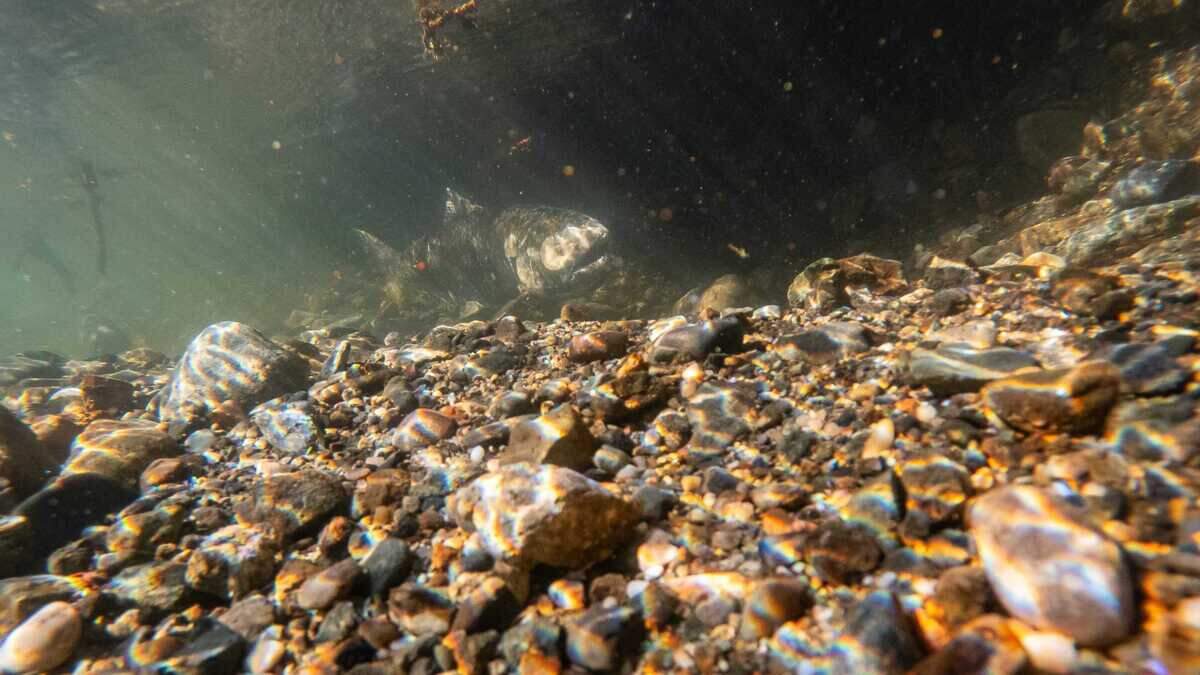
“I’m happy to see some Chinook salmon fishing opportunity brought back in Central Valley rivers,” said Jay Rowan, fisheries branch chief, according to a press release. “Increased hatchery production and a few good water years have led to a rebound in some of the key Central Valley salmon tributaries, which is encouraging to see.”
The Department of Fish and Wildlife says salmon stocks throughout the state have been harmed by multiyear droughts, causing inadequate spawning and migration conditions, ocean forage shifts and thaimine deficiencies.
Thaimine, also called Vitamin B1, is an essential nutrient for salmon and their reproduction. Scientists have theorized that anchovies, which are often prey for salmon, produce the thiaminase enzyme that breaks down thiamine. It’s believed warmer climates have caused anchovy populations to shift to ocean areas where river salmon go to grow and find food before returning to their rivers to spawn.
The Fish and Game Commission also adopted a second 90-day extension of regulations restricting white sturgeon fishing to catch-and-release. It continues while the state determines the candidacy of white sturgeon as part of the California Endangered Species Act.
This story was originally published May 20, 2025 at 1:23 PM.