
Kings games, concerts and events are back. Can they help downtown Sacramento rebound?
READ MORE
Downtown Sacramento’s Comeback?
Downtown Sacramento is struggling to fill the void left by the tens of thousands of people now working from home. But business is getting a boost from crowds returning to events at Golden 1 Center like “Hamilton” and Kings games.
Expand All
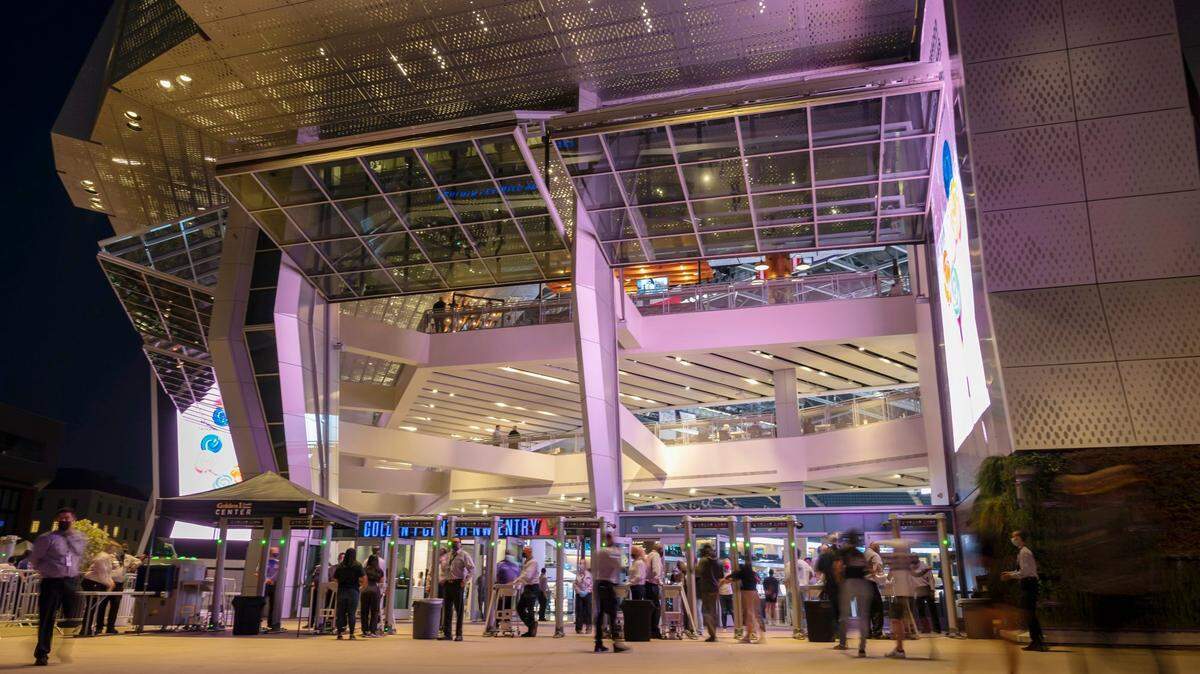
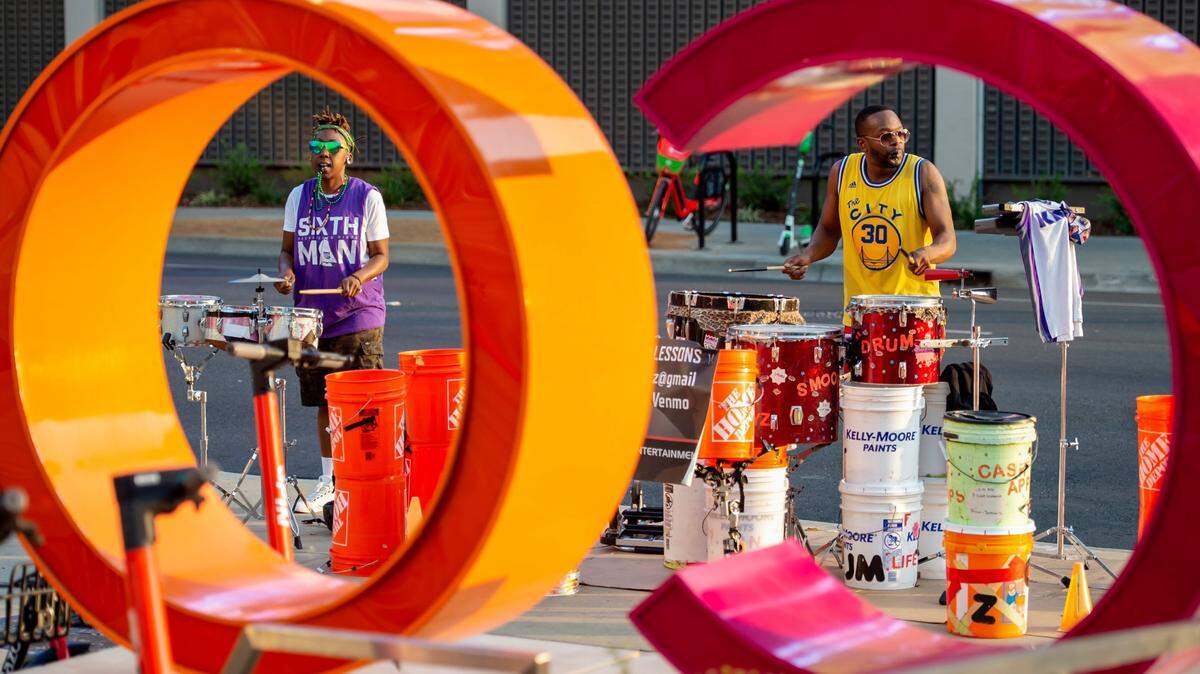
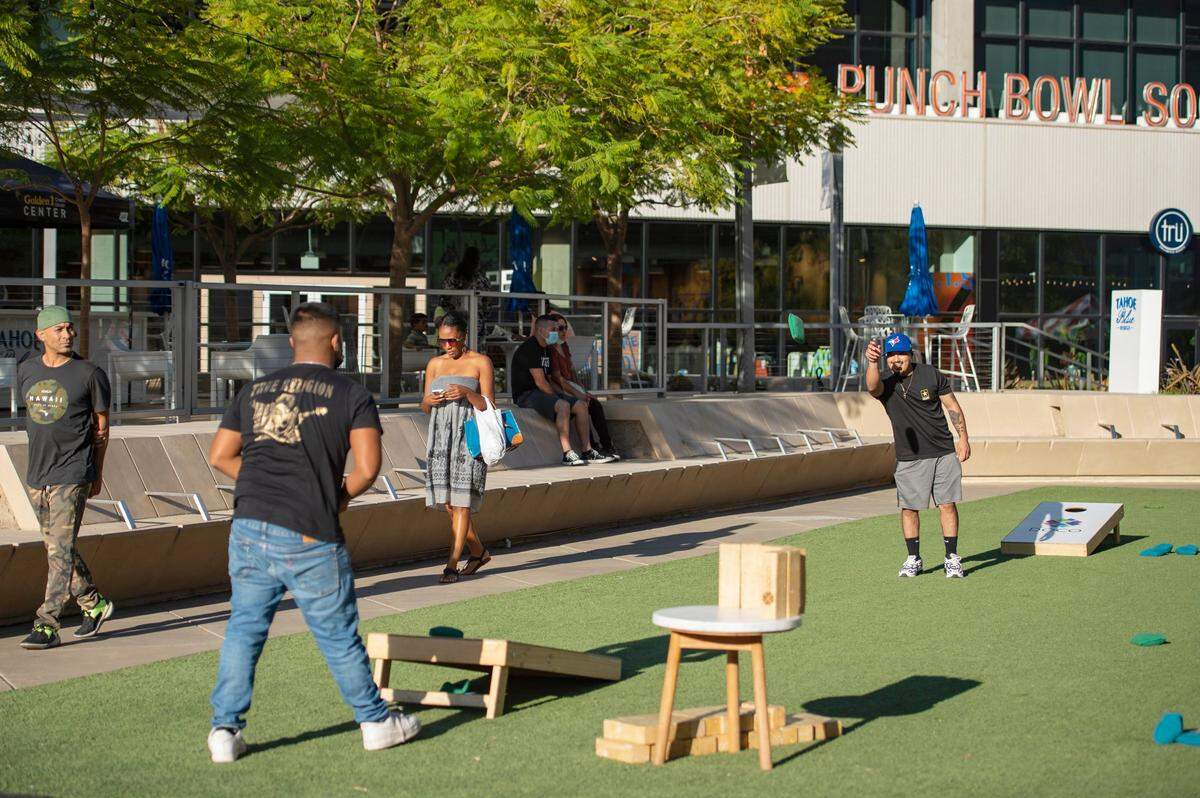
The lunch rush at Downtown Commons in Sacramento was eerily quiet on a recent weekday. Two people sat outside Chipotle, nobody was at Estelle Bakery and Patisserie and a couple of people ate at Polanco Cantina. Jimboys Tacos was empty. A few guys casually played cornhole in front of the entrance to Golden 1 Center.
Downtown is struggling to fill the void left by the tens of thousands of people now working from home. But business is getting a boost from crowds returning to events at Golden 1 Center and to long-anticipated shows such as “Hamilton,” which just ended a run at the newly renovated SAFE Credit Union Performing Arts Center.
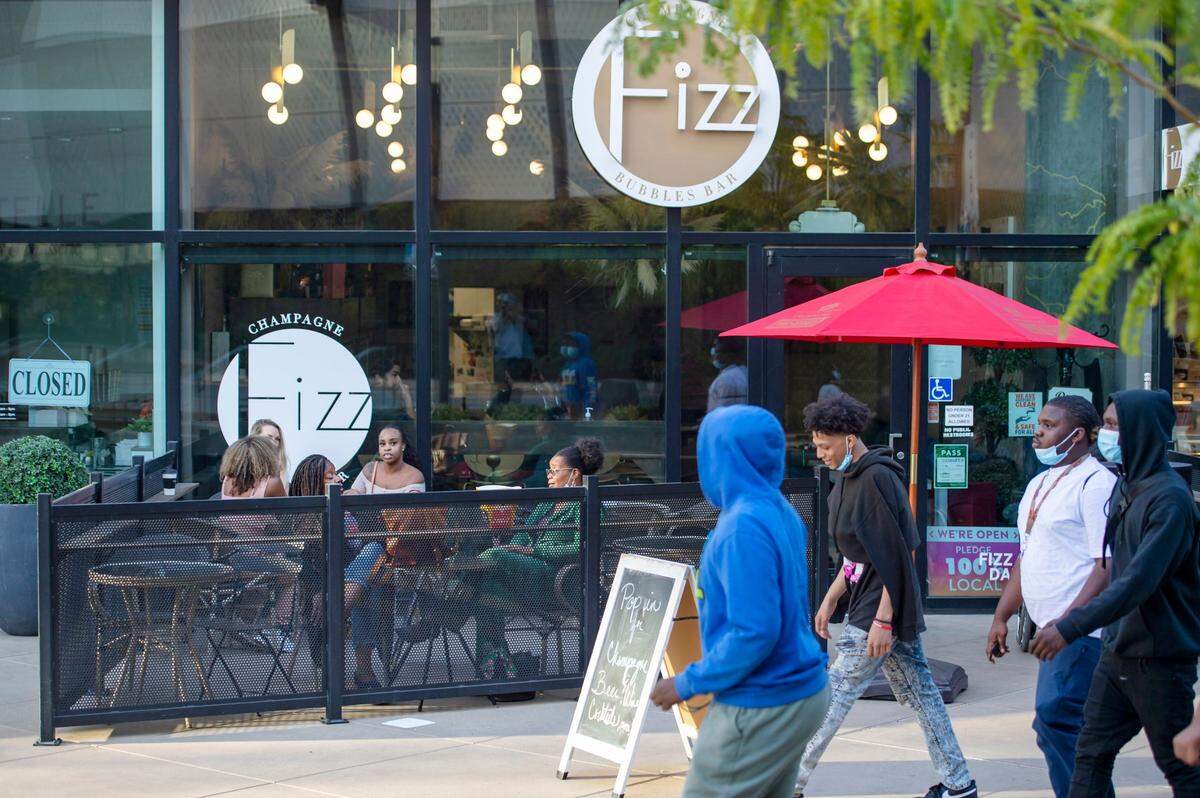
The return of downtown events is a life-saver for Fizz Champagne Bubbles & Bar owner Raymond James Irwin.
“I wasn’t sure this time last year that we would make it, but things are looking bright (now),” Irwin said. “We had to give up (due to an increase in pedestrian traffic) some of the extra (outdoor) seating that we had during COVID, but we’re back to celebrating the everyday joys of a Kings win or loss.”
What still hasn’t returned, however, is the economic engine that is the state workforce.
Fast-casual Korean/Japanese hybrid KoJa Kitchen opened on the northwest corner of Eighth and K streets about six months before the pandemic began, part of a long-awaited block-wide revitalization. Government workers came down for KoJa’s flagship bulgogi burger on a bun made from fried garlic rice, but even that honeymoon phase was tainted slightly by the realization of how tough parking around the arena can be, franchisee Thomas Quach said.
Weekend games and concerts will catalyze the late-night and happy hour crowds, but KoJa really misses state workers, Quach said. Lunch traffic is still down 60% from before the pandemic, Quach’s partner Ken Wong said, and parking remains a big issue.
“We used to have a lot of high hopes building out this space, and part of the reason was the arena,” Quach said. “But I don’t think we’ve had the chance to experience the full potential. … First we dealt with no business. Now we have people coming out, but we’re understaffed.”
Will office workers return?
The downtown economy is tightly tied to office workers. And state employees account for the majority of downtown workers. About 71,000 state employees work in Sacramento County, most in offices downtown. Roughly three-quarters of state office employees have been working from home for more than a year under telework orders from Gov. Gavin Newsom.
That was set to change for several of the largest state departments that told employees in the summer they would need to start appearing in offices at least once or twice a week as early as September. However, testing supply shortages and the delta variant delayed those reopenings.
State offices might never return to full occupancy. All state-run departments are required to develop detailed telework programs within a year. In the beginning of the pandemic, Newsom ordered departments to find ways to permanently incorporate telework.
That’s led to a piecemeal approach of departments trying to figure out when to come back downtown.
The Department of Health Care Services, which employs about 2,800 state workers in Sacramento, has delayed its return to offices, originally scheduled for Sept. 1, to the end of the year, spokeswoman Carol Sloan said in an email.
The State Treasurer’s Office delayed reopening from Sept. 22 to Oct. 22, according to an emailed statement attributed to chief of staff Genevieve Jopanda. And the Franchise Tax Board, originally scheduled for a partial reopening Oct. 4, delayed to Nov. 1, spokeswoman Victoria Rodriguez said in an email.
As state departments figure out when to return and how many employees to bring back, downtown businesses are left waiting. Downtown business interests are advocating for the return of as many office workers as possible.
“It’s important to remember the state of California is a crucial driver in the Sacramento economy,” said Emilie Cameron, district affairs and development director for the Downtown Sacramento Partnership. “The impact of the state work force is important. Building owners and the state itself have been working to make sure they’re a leader. We think the state has an ability to demonstrate how to safely return and transition back to the office, especially downtown. And we understand it’s delicate, with testing and vaccination requirements.”
Downtown’s already busy ... sometimes
Crowds are returning for arts and sports events in Sacramento, but it’s an open question of how much of a boon those activities provide. Sacramento Kings preseason games are typically not well-attended, but the crowd at the first of the season seemed small even by those standards.
That observation matches with ticket availability. As of Monday morning, tickets were available in every section of Golden 1 Center for the Kings’ regular-season opener next week. But it’s not just the Kings that might be having more trouble than usual. Tickets were still available Monday morning for nearly every section in the arena for Tuesday night’s concert by The Eagles. Phish was in a similar situation, with tickets going for just $6 on StubHub. Only next week’s WWE Monday Night Raw show had limited availability.
The apparent drop in demand could be because of COVID-19 vaccination requirements. Fans must either be fully vaccinated, at least 14 days since the most recent jab, or have proof of a negative PCR test within the last 48 hours.
Still, crowds can be found.
Sauced, a barbecue restaurant just outside Golden 1 Center on Seventh Street, bustled with energy before the Kings’ preseason game last Monday night, some getting a quick bite and drink before the game and others watching the Raiders-Chargers game on ESPN.
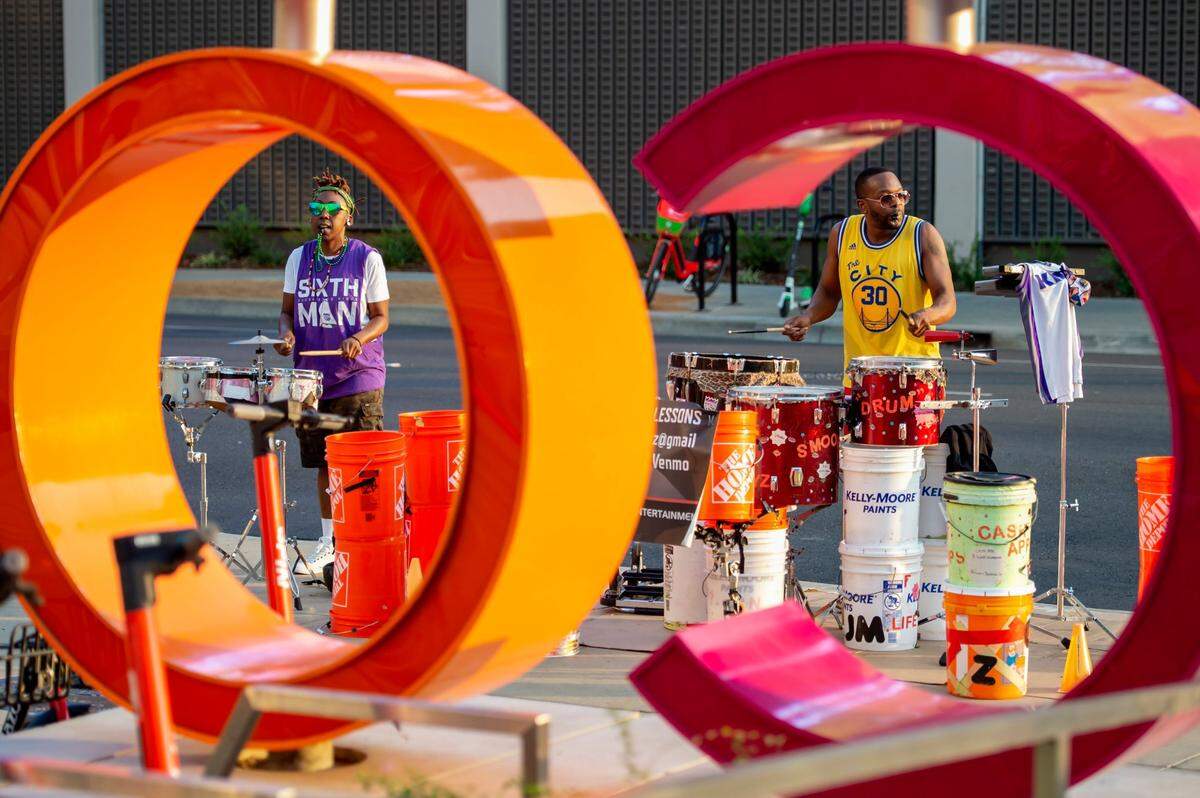
Lorenzo Almanza, 37, and his father, Esteban, 66, sat at the bar and had the view of a wall of television monitors and an ax-throwing section within a chained fence box setting to their right. Father and son both said they missed attending events at Golden 1 Center and having multiple dining options just yards from the arena.
“People are ready for all of this again,” said Lorenzo, a state worker in Health Care Services. “We started coming back downtown in the spring when fans were allowed inside Golden 1, but it wasn’t the same. Now it feels normal. It’s back to business. It’s great to see. We like these businesses and you don’t want them to struggle.”
Outside Sauced, taking a couples’ walk before dinner at a yet-to-be determined spot, Bob and Frances Walker of Placer County said they would not have returned downtown on busy nights had they not both been vaccinated. Married 35 years, they also appreciate mask mandates,
“It’s still the safe thing to do, but it doesn’t prevent us from enjoying downtown and what downtown has to offer,” said Bob, a retired engineer. “It’s great to see all the business.”
Do live events help?
More than one third of the city’s bars and restaurants are west of 21st Street. And while they might be hopping on a game night, it can be pretty quiet when there’s not a major event in town.
That’s a problem, Temple University professor of economics Michael A. Leeds said. Leeds has written extensively about the value of naming rights on stadiums and has questioned whether publicly-funded arenas are winners for cities.
The problem is the vast majority of fans drive into downtown on Interstate 5 or Highway 50, catch their event, then quickly leave town again.
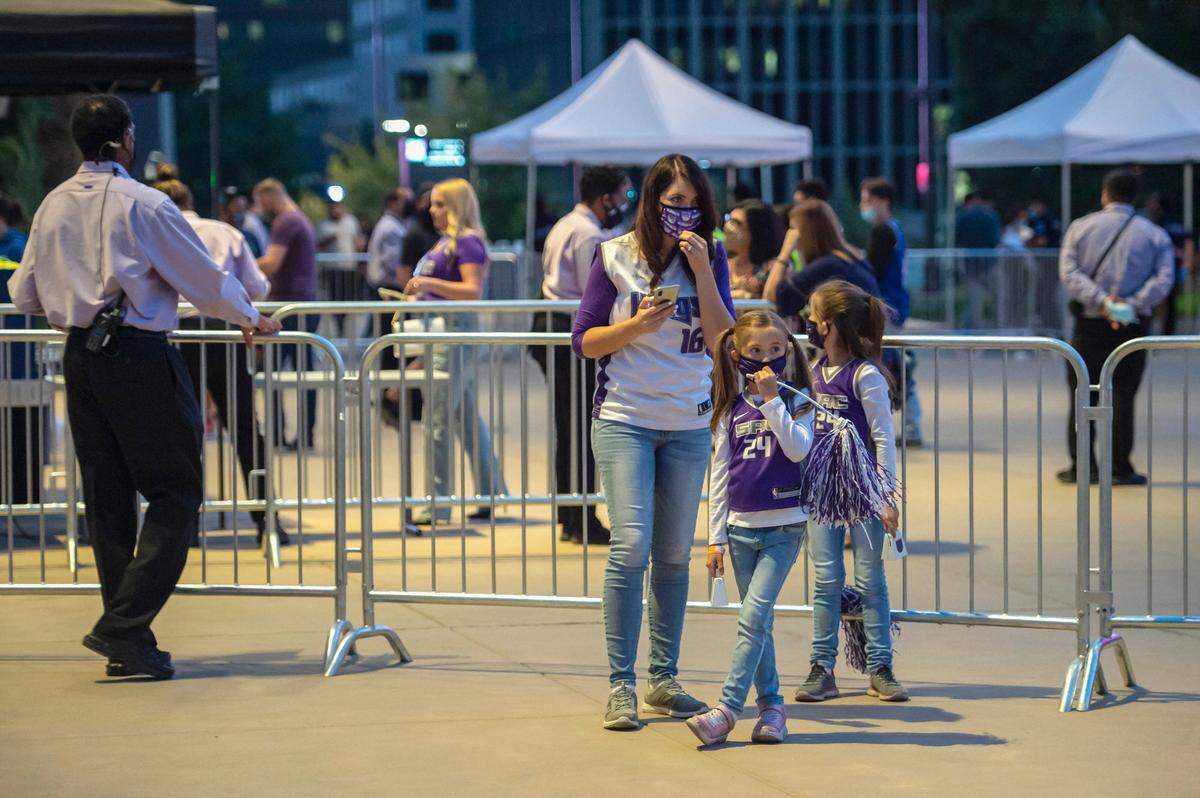
“You’re not going to generate urban renewal through sports bars,” Leeds said. “Especially ones that just have 41 days and change from the odd concert or tractor pull or whatever. We’re not talking about anything that’s going to generate massive influxes of spending. These things, imagine a mid-sized department store, that’s what you’re going to have.”
So what’s the right mix of businesses to have downtown?
“That’s a magic question. If I could answer that question, I would not be an academic, I would be on the Riviera somewhere with my consulting earnings,” Leeds said. “But again, what you need for a downtown core is precisely the things that people go to daily and go to regularly. You need major shopping areas, you need tourist areas or attractive places to go to eat. You need museums which will get people there seven days a week, 350 to 360 days a year. Not something that gets used once in a while.”
Leeds, who lives in Philadelphia, is a baseball fan. He said he didn’t want to slam sports teams too hard. He said that on the “rare occasions” the Philadelphia Phillies have a competitive team, it’s difficult to quantify the value of the happiness everybody in town feels.
There’s no question Sacramento would be buzzing if the Kings make the playoffs again. The last time they played in the postseason was 2006.
Still, events bring a sense of vibrancy downtown. City Councilwoman Katie Valenzuela, who represents downtown, said she enjoys going to a Kings game as much as anyone. Valenzuela went to a recent performance of “Hamilton” and said the atmosphere was electric. Face-value tickets were scarcely available online for any of the final week of performances. There was palpable excitement as people took pictures next to the showbill poster to share on social media.
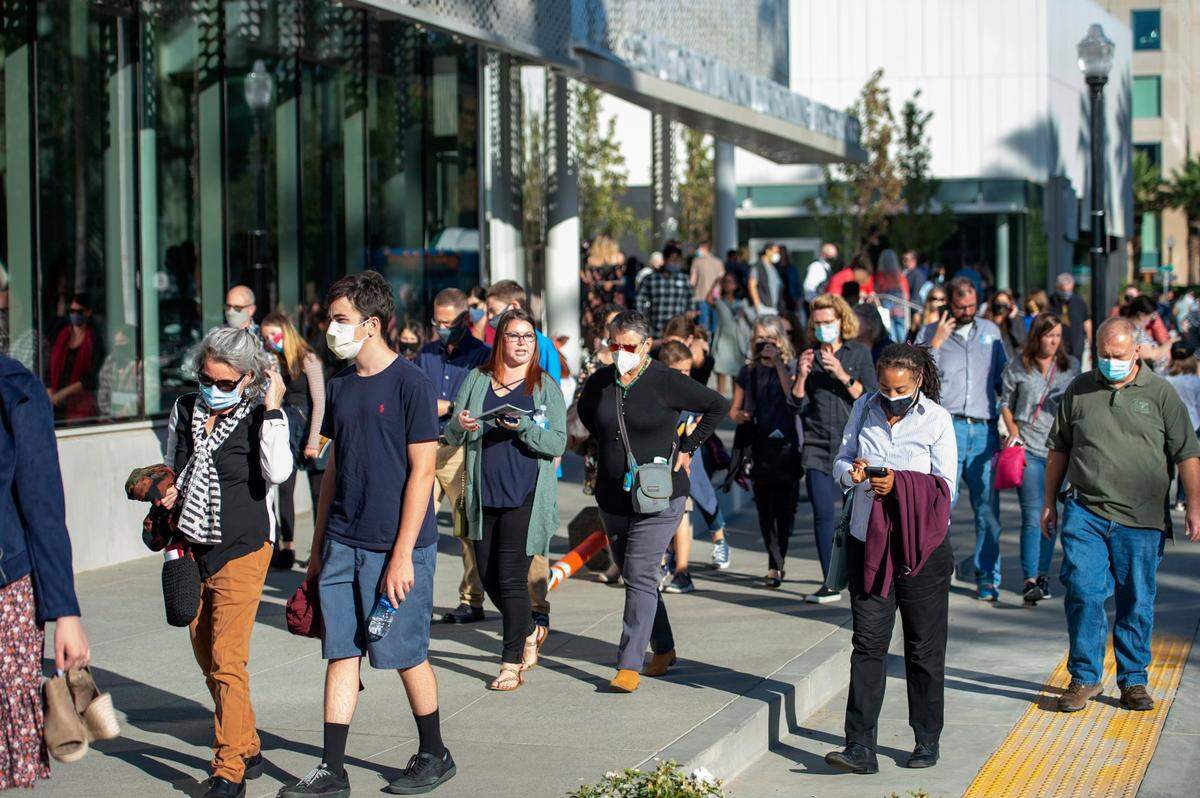
“There seems to be a tipping point happening,” Valenzuela said. “We need some folks coming downtown to tell other people, ‘I had a good experience,’ and we need that.”
“The return of events brings back an undeniable vibrancy to downtown. That’s part of what’s been unique about downtown for so long and what the events and activities bring to the district,” said Cameron from the downtown Partnership.
Both Leeds and Valenzuela agreed something else would be more valuable for downtown: more people living there.
More downtown housing
The economic problem with relying on office workers during the day and special events at night was laid bare during the pandemic. The more people who live in an area, the more dependable the retail economy will be.
Valenzuela said you don’t have to look far to see the difference.
“Part of what we saw why downtown was so impacted is there aren’t any people that live downtown,” she said. “Midtown is integrated into neighborhoods, people were walking by and still patronizing businesses.”
An influx of residents would be good for downtown, Valenzuela said. And with fewer office workers around, Valenzuela said she’s a big proponent of redeveloping office space into housing.
Cameron, with the Downtown Partnership, agrees on the need for housing. She said there’s a goal of creating 10,000 units by 2025; roughly 3,500 have been built. It’s all well and good to want the change, she said, but the projects need to be profitable. And that’s not a given.
“Infill housing is incredibly expensive,” Cameron said. “We’re talking about aging infrastructure. I think we’ve said for a long time, and I think the pandemic highlighted, how important a mixed-use neighborhood is. Even just crossing 16th street into midtown, which has a big mix, was very obvious during the pandemic. It definitely highlighted a need.”
Leeds, the Temple University professor, agreed. It’s great to have tourists and visitors from nearby suburbs come to town; it’s better to have a built-in customer base.
“People aren’t going to drive in from the suburbs to buy bread,” Leeds said.
This story was originally published October 15, 2021 at 5:00 AM.