
Walking in Sacramento is dangerous. Criminalizing jaywalking doesn’t help, experts say
READ MORE
Sacramento’s Dangerous Streets
Black pedestrians die at a disproportionate rate in Sacramento County traffic accidents — and the number of victims is growing, according to the latest state and federal data.
Expand All
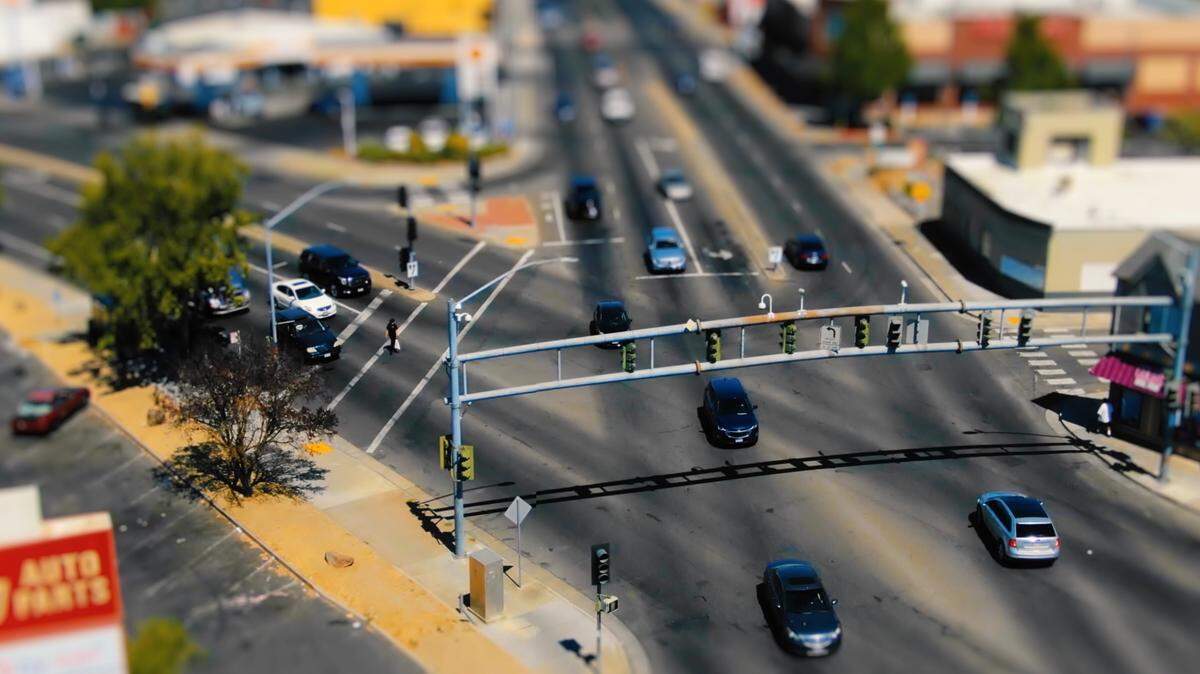
Dangerous by design: How Sacramento’s un-walkable roads imperil and kill Black residents
In her own words: A mom mourns her daughter killed in Sacramento hit-and-run
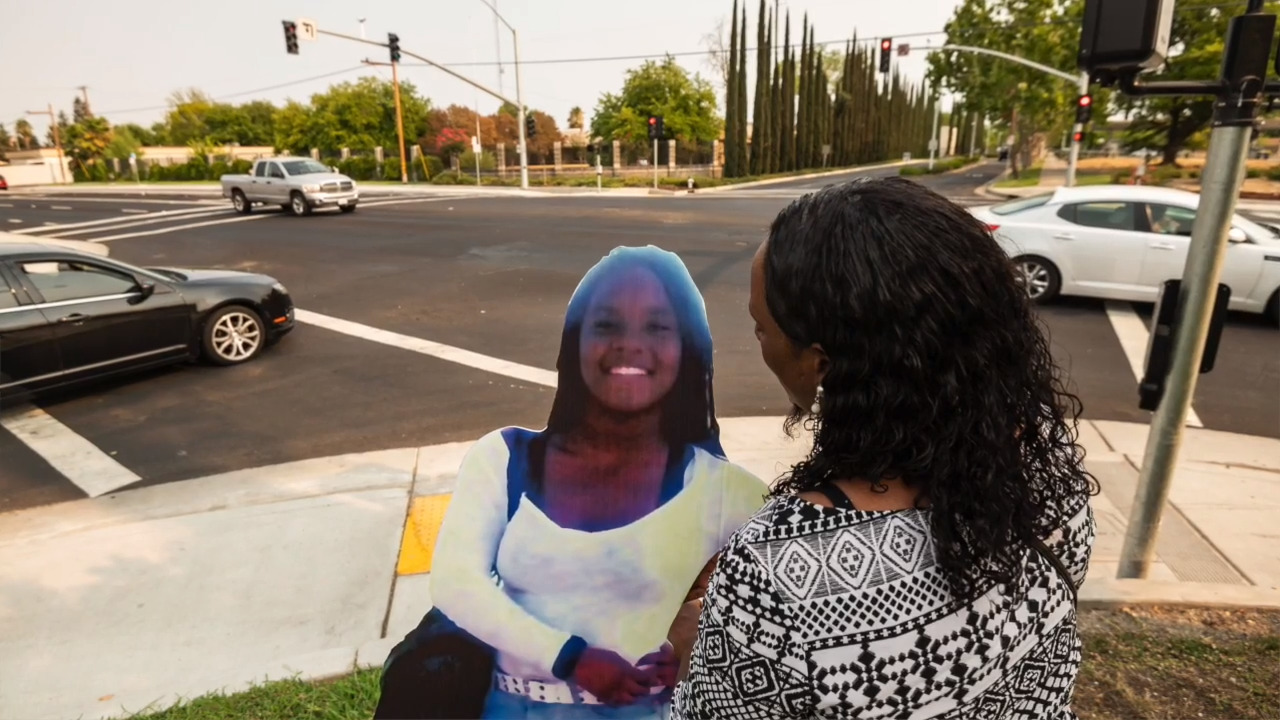
Walking in Sacramento is dangerous. Criminalizing jaywalking doesn’t help, experts say
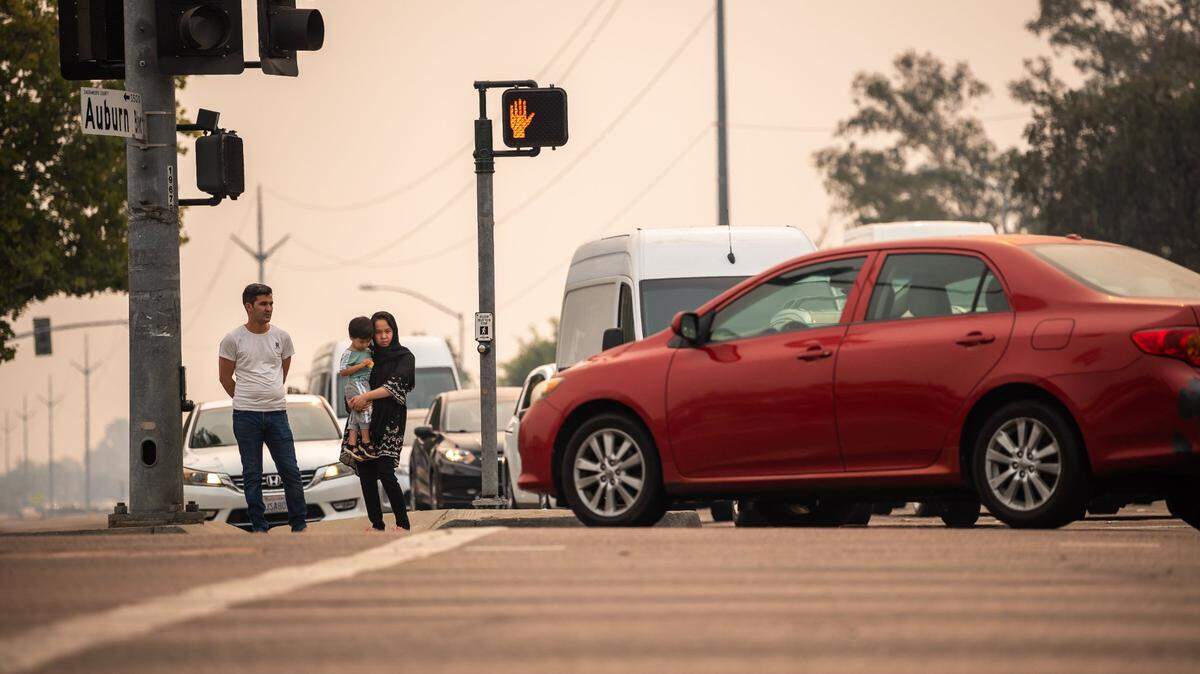
Is your Sacramento neighborhood dangerous for pedestrians? How to advocate for safe streets
Sacramento streets aren’t safe for people of color. It’s not an accident
In 2017, Nandi Cain Jr. was walking home from work in Del Paso Heights up Cypress Street. He arrived at Grand Avenue and crossed at the intersection, where three of the four streets don’t have marked crosswalks.
In California, all street intersections are legally considered crosswalks, and pedestrians have the right of way even when the crosswalk isn’t painted on the street.
Cain made his way across the street. Sacramento police officer Anthony Figueroa pulled over to stop him for jaywalking. Cain challenged the premise of the stop and their verbal argument escalated until Figueroa threw Cain to the ground and punched him repeatedly.
The city of Sacramento later settled a federal lawsuit Cain filed for $550,000.
At the time, The Bee reported that the Sacramento Police Department gave jaywalking citations to Black pedestrians at disproportionate rates. Nearly 50% of citations were given to Black residents in 2016, despite making up only 14% of the city’s population. Police officials said then that it was in the name of pedestrian safety.
During the last decade, a disproportionate number of Black pedestrians were killed or injured in traffic collisions in Sacramento County. In about half of the fatal crashes involving Black pedestrians in Sacramento County, investigators said the collision resulted from a pedestrian not walking in a crosswalk.
But Cain’s case reveals why stronger jaywalking law enforcement, a commonly touted solution to improving pedestrian safety, may not only be ineffective, but also could lead to further harm or violence.
Some transit experts say that if a number of fatal crashes stem from pedestrians not being in a crosswalk, that may show the need to make streets safer by taking steps such as adding more crosswalks or stop signs to slow cars down, rather than enforcing jaywalking laws against pedestrians. The crosswalk Cain crossed is still unmarked as it was four years ago.
“We wouldn’t see as much perceived jaywalking if we designed cities with a pedestrian-eye view,” said Charles T. Brown, principal of Equitable Cities and adjunct professor at Rutgers University.
In addition, Black pedestrians in fatal accidents were found “at fault” at similar rates to pedestrians of all other races in Sacramento County, according to state data from the California Office of Traffic Safety.
But in the city of Sacramento, Black pedestrians receive an outsized share of jaywalking citations compared to the overall population.
In 2018, officers gave more than 25% of electronic jaywalking citations to Black residents despite accounting for about only 11% of the city’s population. The following year, the overall number of citations decreased, but more than 40% were given to Black residents. The data, publicly released by the department, doesn’t include paper citations given out.
A new bill introduced this year by Assembly member Phil Ting (D-San Francisco) aims to decriminalize jaywalking in California. AB 1238, also known as The Freedom To Walk Act, would eliminate jaywalking infractions when pedestrians safely enter the street against the traffic light or outside a crosswalk.
“Doing so would end the undue burden placed on low-wage workers, as tickets are expensive, ranging from $250 to over $1,000,” Ting wrote in an op-ed in the SF Bay Times. “They often cannot take time off their jobs and go to court to fight this, which only adds more penalties to these outrageous fines.”
The bill was passed by the Assembly in June and is currently being considered by the Senate Appropriations Committee.
Unsafe streets prompts riskier pedestrian behavior
In City Councilman Sean Loloee’s district, which covers North Sacramento and includes the intersection where Cain was arrested, residents are well aware of how unsafe walking around the neighborhood can be.
“I have areas my kids, the youth in my district, as they’re walking home, there’s no sidewalk,” Loloee said. “We don’t have as many traffic lights as needed compared to other communities.”
Because Black pedestrians are also more likely to live in neighborhoods with unsafe streets — fewer marked crosswalks, limited sidewalks, poorer lighting, sprawling intersections — they may be more likely to engage in riskier behavior, Brown said.
Researchers have also found that drivers can be racially biased in who they yield to at crosswalks, a situation that could also force pedestrians to make dangerous choices.
A 2015 study from Portland State University found that Black pedestrians were passed by twice as many cars and experienced wait times at crosswalks that were 32% longer than white pedestrians.
The researchers later found in a separate study that drivers did not differentiate among Black and white men and women at the unmarked crosswalks. But at marked crosswalks, where drivers were more likely to stop, treatment was less equitable.
At marked crosswalks, drivers were less likely to stop for Black and male pedestrians, and when they did stop, they were more likely to stop closer to Black male and Black female pedestrians — a result that occurred regardless of drivers’ race and gender.
“This may lead to disparate pedestrian crossing experiences based on race,” associate professor Kimberly Kahn wrote, “and potentially contribute to disproportionate safety outcomes.”
Researchers recommended that additional infrastructure changes such as flashing lights at crosswalks, more signs indicating a crosswalk ahead, and sidewalk designs that make pedestrians more visually prominent like curb extensions, could improve drivers’ yielding behavior.
Last month, Loloee’s office put out a survey to residents asking where more stop signs should be placed across North Sacramento. More than 40 spots were identified, Loloee said, and his office has since shared that information with city staff to review for future stop signs — an upgrade that Loloee said could be cheaply and quickly implemented to improve street safety.
Loloee said he expects to see a city staff report on the viability of stop signs at community-identified locations within a few weeks.
This story was originally published August 29, 2021 at 5:00 AM.