
‘Relationships take time and care’: My lesson from interviewing a grieving Sacramento family
READ MORE
California police pursuits
Slightly more than half of police chases conducted from 2018 to 2021 started when the initial criminal charge was an infraction.
Expand All

Exclusive: Sacramento police have highest vehicle pursuit rate in CA, Bee investigation finds
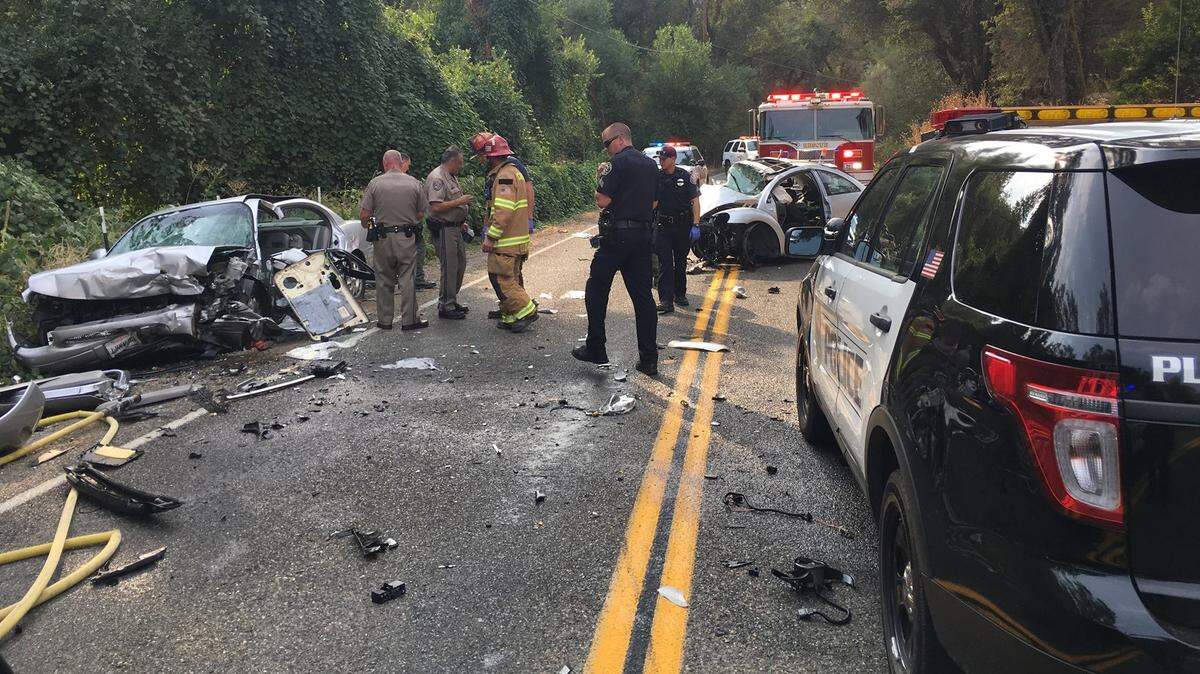
Car pursuits can be deadly to suspects, bystanders. California cops are shielded from lawsuits
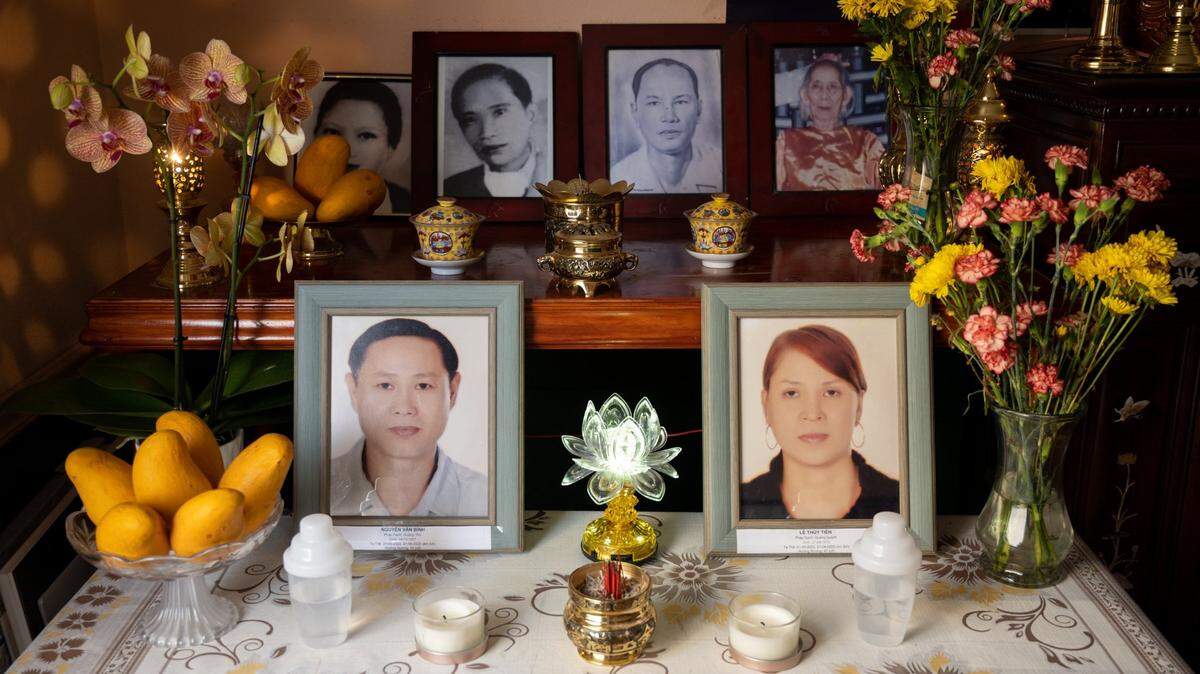
‘Relationships take time and care’: My lesson from interviewing a grieving Sacramento family
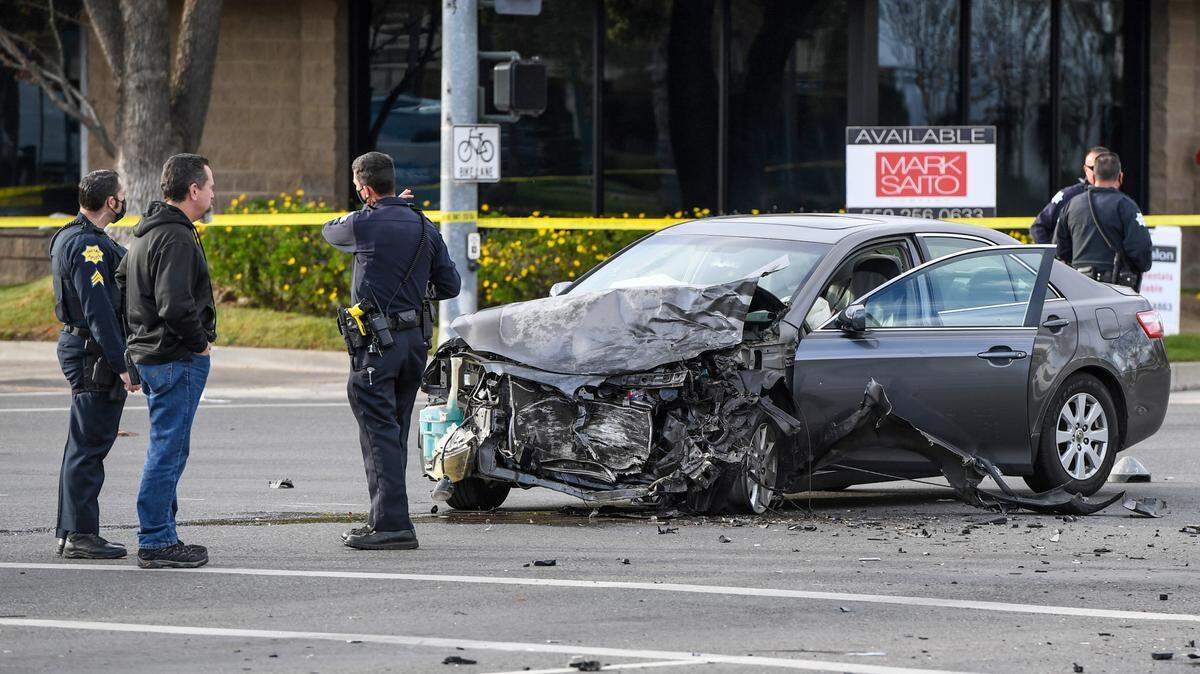
Searchable database: See how often California law enforcement agencies pursue suspects
Last summer, I moved to Sacramento for my first break in journalism. While it wasn’t a completely foreign place to me (I’m from San Jose), I still yearned for the comforts of home. That meant finding out where the best (or only) Vietnamese food was.
I didn’t need to look for long. When I made it to the old “City of Trees,” colleagues and friends in the area all uttered the same two words to me: Stockton Boulevard. There, I was told that I would find Sacramento’s own Little Saigon, or the unofficial capital of “Asian food” in the region. I was not disappointed and the area ended up becoming my go-to many days after work.
A few weeks into my job, I started to hear rumblings from members of the community about a tragedy that had stricken them in May. If you were Vietnamese and living in Sacramento, you must have heard of it, they said.
One Saturday morning at the intersection of Stockton Boulevard and 65th Street, Tien Le, 46, and her husband Binh Nguyen, 54, went out for their daily coffee and never came back. They were both killed after a car involved in a high-speed chase with police slammed into their Toyota. The incident lasted just 26 seconds and left their two young children orphaned.
It was beyond heartbreaking to read about and only added to the sense of dread that many had already been feeling. Their deaths followed a year of high-profile attacks against Asians. I filed their story away knowing that Nguyen and Le had joined a long list of those whose lives were taken away. Yes, it was unjust, but so were the others, and it didn’t seem like anyone else cared.
Investigative team asks for help
Then, a few more weeks went by and I got an unexpected call from The Bee’s investigative team. At this point, I had immersed myself in the local sports beat, writing about Sacramento Republic’s magical Cinderella run and was not thinking about public safety or policing.
They told me that they were looking into law enforcement’s use of high-speed pursuits and that they would like to make the Nguyen/Le family central figures in the story. The only issue was that the family didn’t want to talk.
My colleagues knew that I spoke Vietnamese and asked if I could help. At first, there was a part of me that felt uneasy about bringing the family back into the spotlight, but then, I figured that this was our shot to do better than those that had tried before.
Through previous media reports, I had learned that Nguyen and Le’s children were now under the care of their elderly grandparents. A brother-in-law who had spoken to the press before rebuffed my multiple attempts to set a meeting, citing the language barrier as a concern.
Moreover, he mentioned that when their interviews were previously published, they felt that their grief was just exploited without any meaningful follow-up. The whole experience had left them feeling ambivalent about what talking more would actually do to help with their grief. Those words stirred something deep within me.
Flowers, incense and fruit
So I did what they probably wouldn’t teach you at any journalism school, I took my reporter hat off. I stopped approaching it as a media person trying to nail down a source and shifted instead to a fellow community member who grieved with them.
I bought flowers, incense and fruit from the shopping plaza that Nguyen and Le once frequented with the sole intention of paying respects and not expecting anything in return. I did so because I saw on the KCRA report that their family was Buddhist and I knew from my own lived experience that Vietnamese families often liked to honor their dead with such gifts. Even if they never replied to me, I felt at least that I had done something good for people who deserved it.
With the gifts, I included a note addressed directly to Nguyen’s mother. I told her that I understood why she would decline any more interviews and that I probably would have done the same. I pivoted to asking her to tell me more about her son, his wife, their kids, and what they loved instead of what they lost.
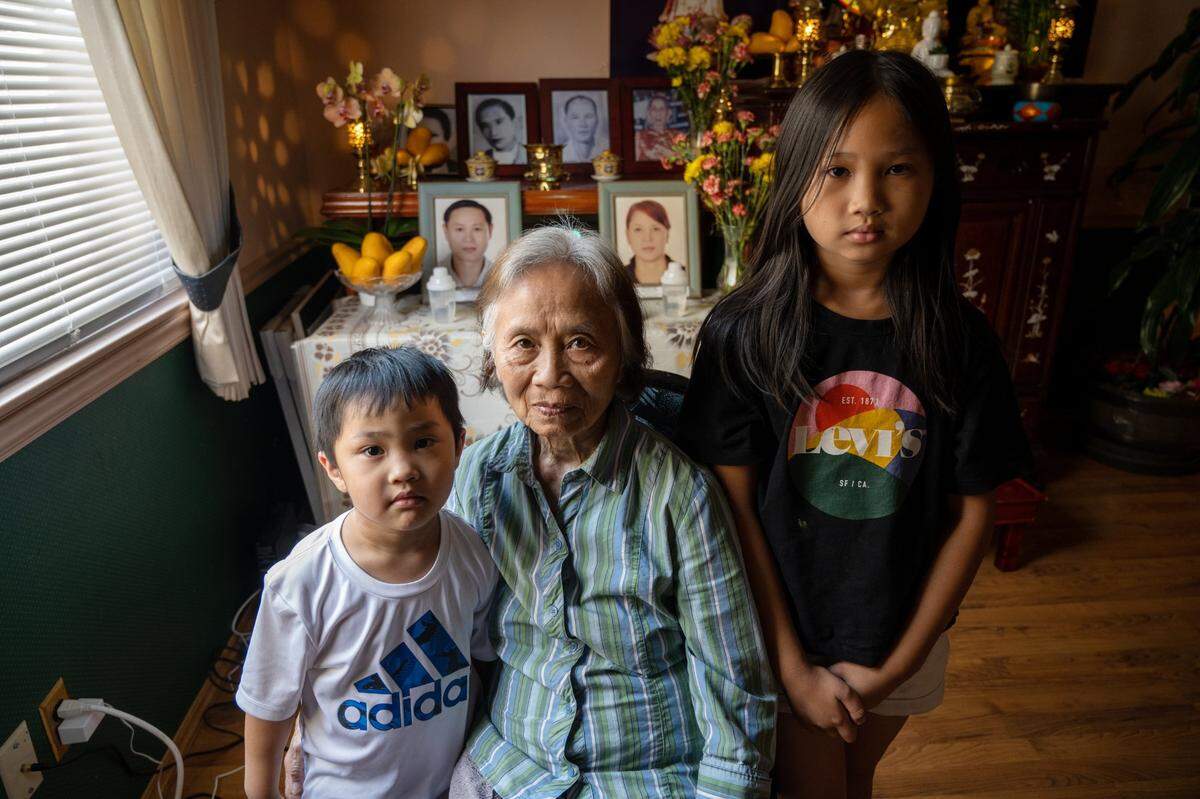
She ended up calling me back days later and eventually invited me and photographer Paul Kitagaki over to her home. We even got a chance to spend time with Nguyen and Le’s two young children, Cathy, 9, and Johnny, 5.
There, we talked about loss, but we also took the time to listen and ask about so many things that never made it into the story. Things like looking through the family scrapbook, the children’s favorite school projects, and their dad’s beloved guitar and music collection. It felt cathartic and there was a sense once we were done that we had all just done something that we didn’t know we needed.
I think about that time often. It serves as a reminder to always meet people where they are and not where you want them to be. Relationships take time and care. We in the media should never forget that.
This story was originally published October 27, 2022 at 6:00 AM.