
Exclusive: Sacramento police have highest vehicle pursuit rate in CA, Bee investigation finds
READ MORE
California police pursuits
Slightly more than half of police chases conducted from 2018 to 2021 started when the initial criminal charge was an infraction.
Expand All
Exclusive: Sacramento police have highest vehicle pursuit rate in CA, Bee investigation finds
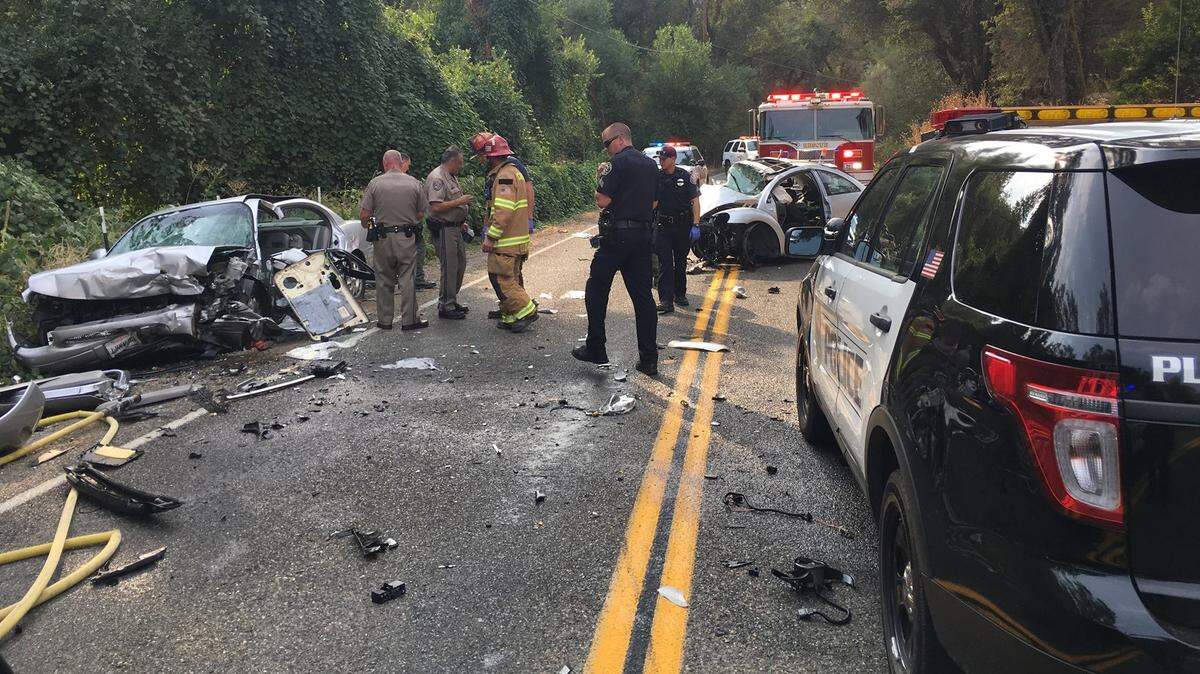
Car pursuits can be deadly to suspects, bystanders. California cops are shielded from lawsuits
‘Relationships take time and care’: My lesson from interviewing a grieving Sacramento family
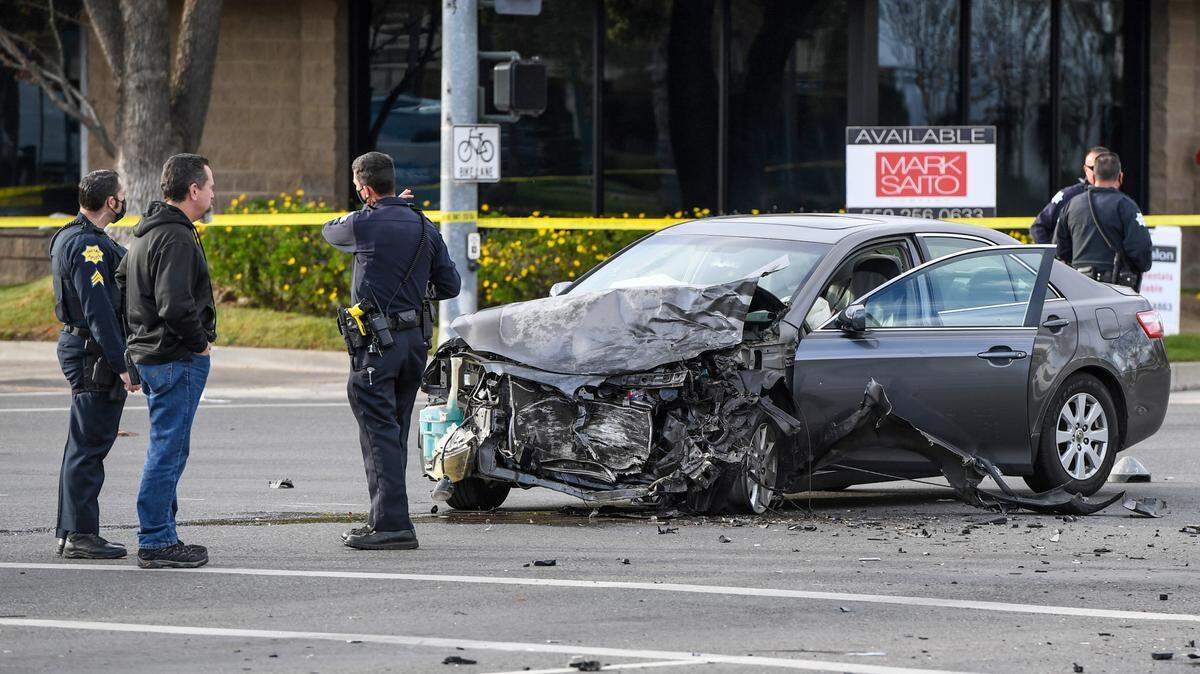
Searchable database: See how often California law enforcement agencies pursue suspects
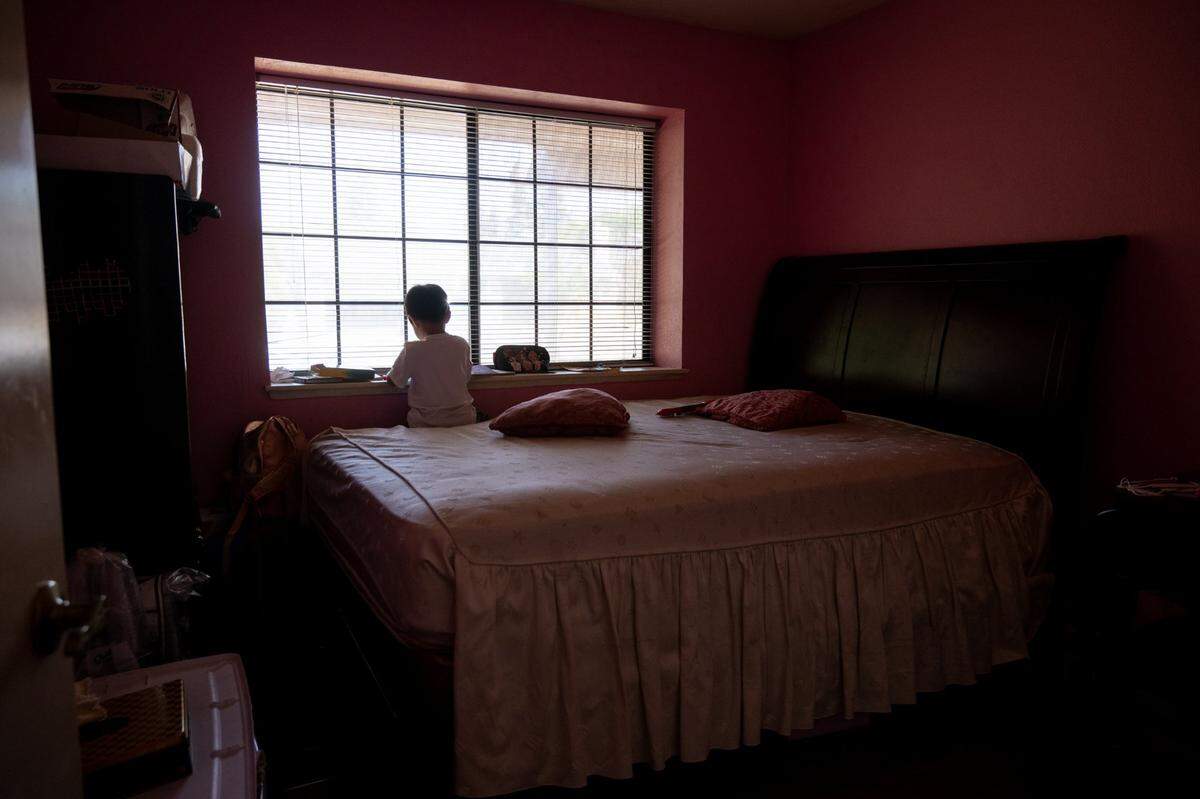
Each day after school, 8-year-old Cathy Nguyen walks straight into her new bedroom and hops on the bed to do her homework. The walls are painted pink, but the room doesn’t quite feel like a little girl’s.
There are no stuffed animals on the shelves. No posters pinned to the walls.
Instead, on the closet floor are boxes of mementos from her parents.
The bed on which she dutifully works out math problems and sounds out words in children’s books belonged to her mom and dad. But on May 21, Cathy’s parents went out for coffee and sandwiches in Sacramento’s Little Saigon neighborhood and never came home.
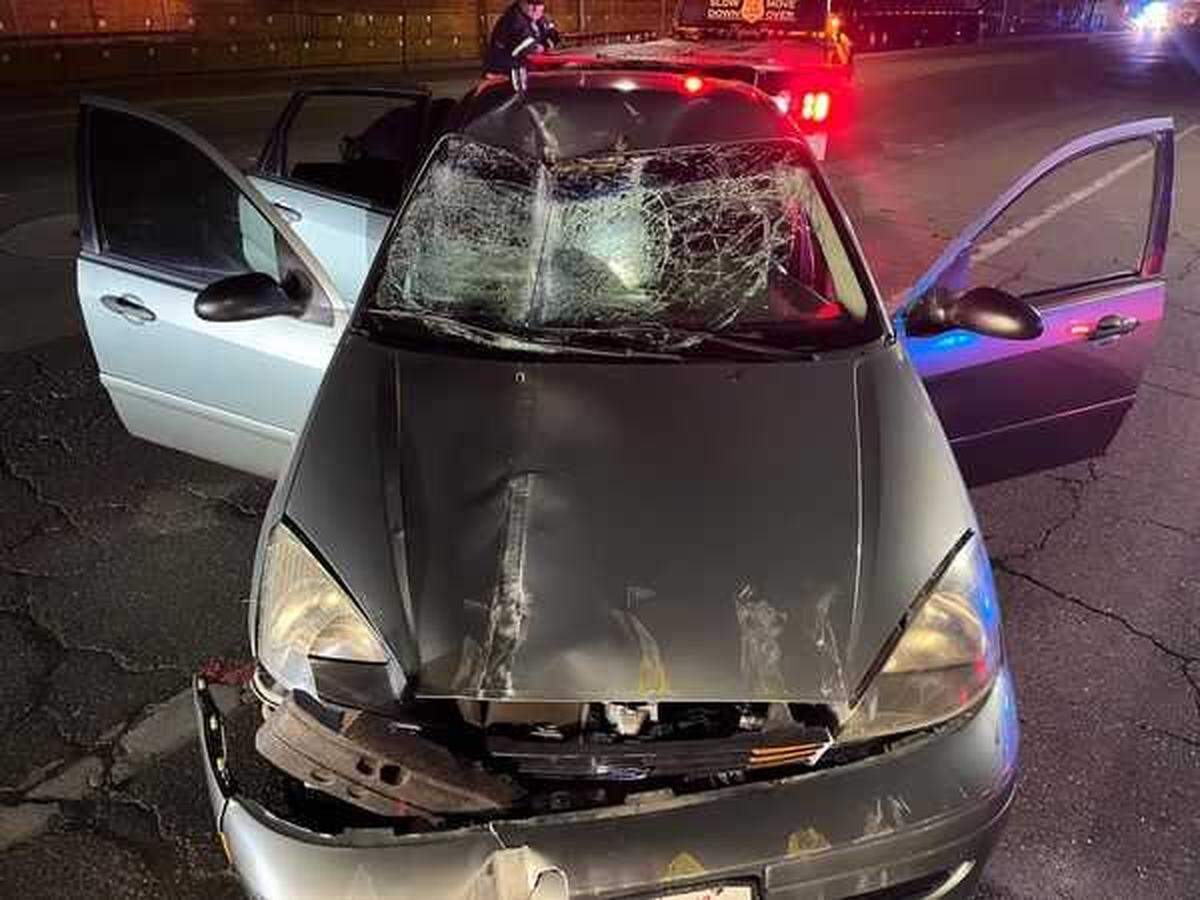
A vehicle that Sacramento police officers were pursuing crashed into Binh Nguyen’s and Tien Thuy Le’s car. Cathy’s parents died almost instantly.
“She puts on a brave face, but the girl sadly knows what happened to her parents,” the girl’s grandmother, Phuong Hoang, said in Vietnamese. “There are some nights I wake up to her crying, and I have to go across the hallway to comfort her.”
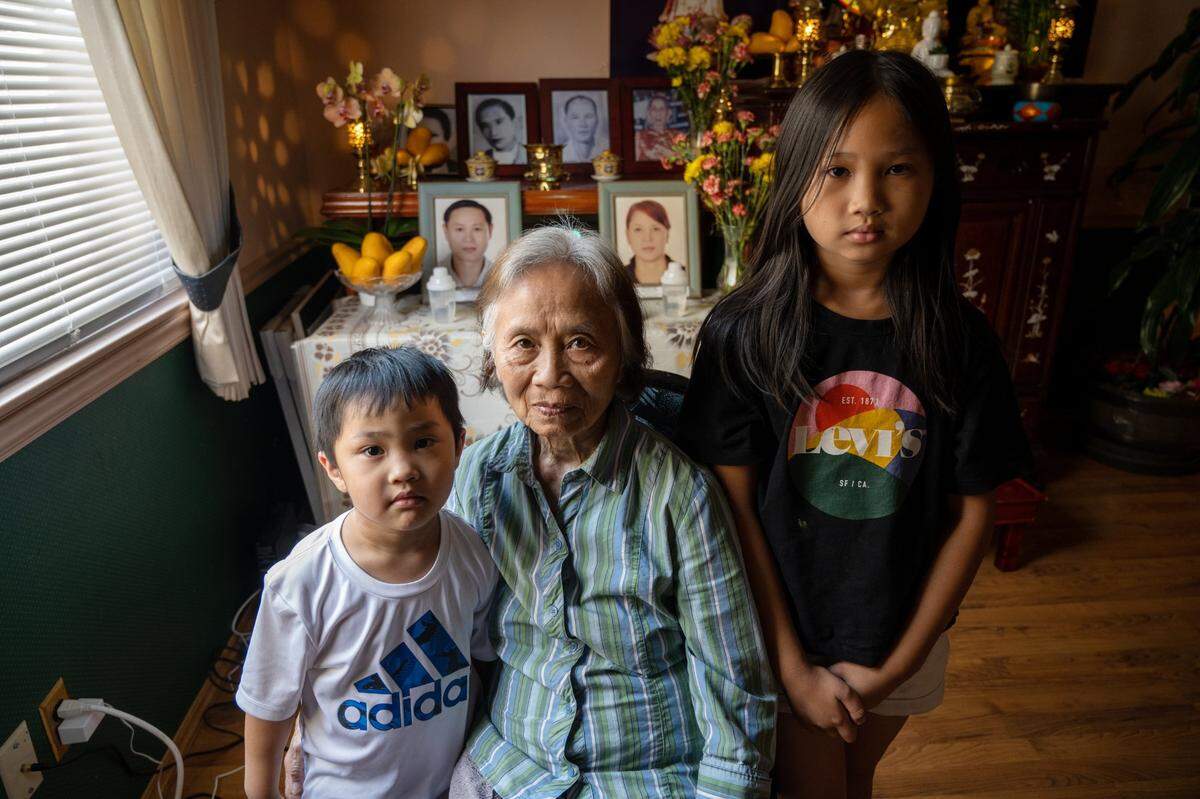
The Sacramento Police Department said the pursuit was particularly short — just 26 seconds from the time officers activated their overhead lights on Stockton Boulevard until the fleeing vehicle smashed into Cathy’s parents a half-mile away.
Decades of data show that police chases put innocent bystanders at risk. A chorus of experts have called for a ban on them in all but the rarest life-and-death circumstances.
But a new Sacramento Bee investigation reveals that even amid a climate of police reform in the wake of George Floyd’s murder more than two years ago, dangerous police chases are on the rise in California. So, too, is the carnage they create.
And this is especially so in Sacramento.
The Bee submitted a public records request to the California Highway Patrol seeking its police pursuit database, a compilation of records that each law enforcement agency in the state files after a chase. The Highway Patrol provided more than 1,000 pages of documents, which reporters used to build a database detailing more than 24,000 pursuits in California dating to 2018.
Among the Bee’s findings:
The Sacramento Police Department is driving an outsized part of the surge. Police initiated about 725 chases from 2018 through 2021. That amounts to a rate of about 10 chases per 1,000 reported violent or property crimes — the highest rate among the state’s 10 largest cities.
Sixty-nine of those chases in Sacramento resulted in collisions with at least one injury; again, the highest rate among the state’s 10 largest cities.
While some departments only allow officers to pursue after a serious or violent crime occurred, that is far from the norm. The most commonly cited crimes used to justify a police chase in Sacramento were taking a vehicle without consent — sometimes called “joyriding” — and speeding.
“Just because you can do something doesn’t mean that you should,” said Graciela Castillo-Krings, chair of the Sacramento Community Police Review Commission. Though the chases are permitted under Sacramento police’s current guidelines, she said the increase in chases raises serious questions about how much discretion cops have and what benefit, if any, chases have on making streets safer and communities better off in the long run.
“The bar has to be much higher for when pursuit is going to happen, especially because pursuit also means that other people can get hurt,” Castillo-Krings said. “The public can get hurt. We know this.”
Officials with the Sacramento Police Department “have not identified any trends related to the rate of vehicle pursuits in which our officers engage,” Sgt. Zach Eaton wrote in an email responding to The Bee’s findings.
Unlike some California departments, Sacramento’s policy does not detail what specific crimes do — or do not — warrant a chase. It also does not require an officer to obtain a supervisor’s blessing before beginning a pursuit. Both decisions are left to officer discretion.
Those who do pursue are supposed to consider obvious factors such as weather, traffic and speed, according to the city’s policy. They should also weigh other factors including their familiarity with the area and whether they can follow-up with a known suspect at a later time.
Pursuing officers are required to report that a chase is underway, which triggers oversight from at least two supervisors who can call off a chase at any time, Eaton said. “We consistently weigh the need for apprehension relative to the public’s safety.”
Eaton, however, would not answer several follow-up questions about why Sacramento’s policies allow for pursuits in circumstances where lower-level crimes are suspected and why they do not require officers to seek approval from a supervisor before initiating a pursuit. These stipulations appear in the policies of police departments with lower pursuit rates.
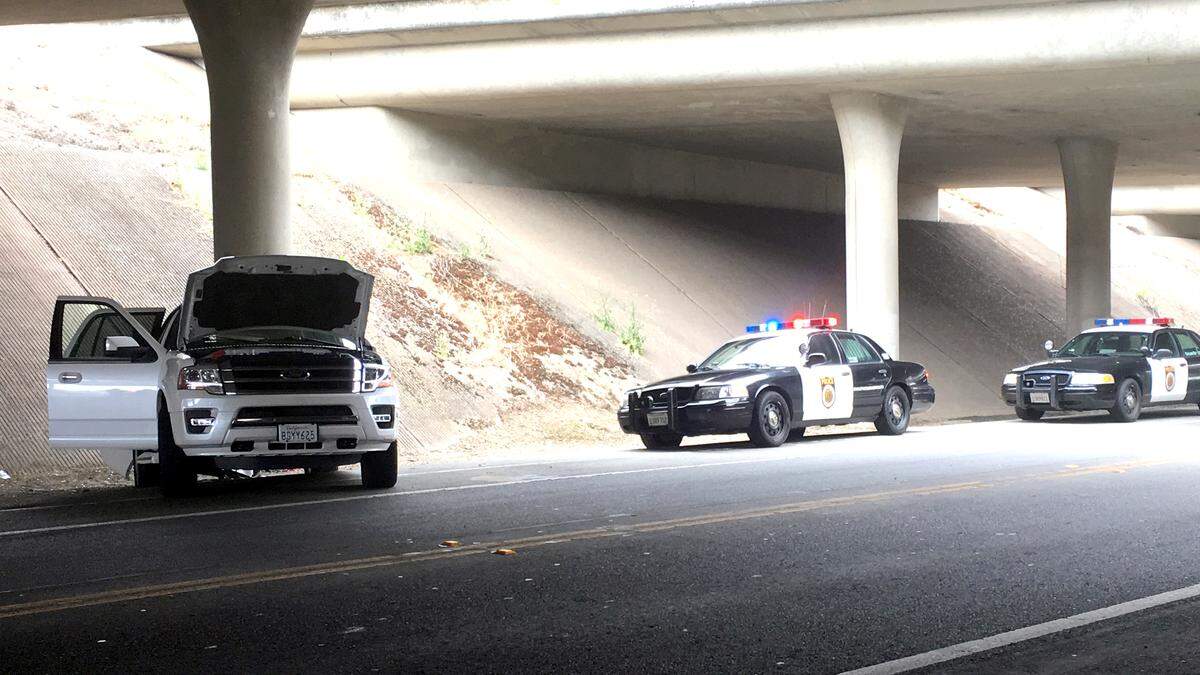
In response to the follow-up questions, Eaton reiterated the city’s earlier point: pursuits are monitored, and the police “have not identified” a reason driving the surge in chases.
Castillo-Krings said she intends to revisit the city’s pursuit policies, which were last updated in 2018, at an upcoming oversight meeting.
“The burden should be on them to explain to us why Sacramento citizens are safer by having this level of discretion,” she said.
California lawmakers and Gov. Gavin Newsom in the past two years have championed reforms aimed at holding law enforcement accountable and righting wrongs that have long harmed communities of color. They’ve rewritten the rules for how and when police can use deadly force and advocated for ways to hold officers accountable.
Yet dangerous police chases have been overlooked.
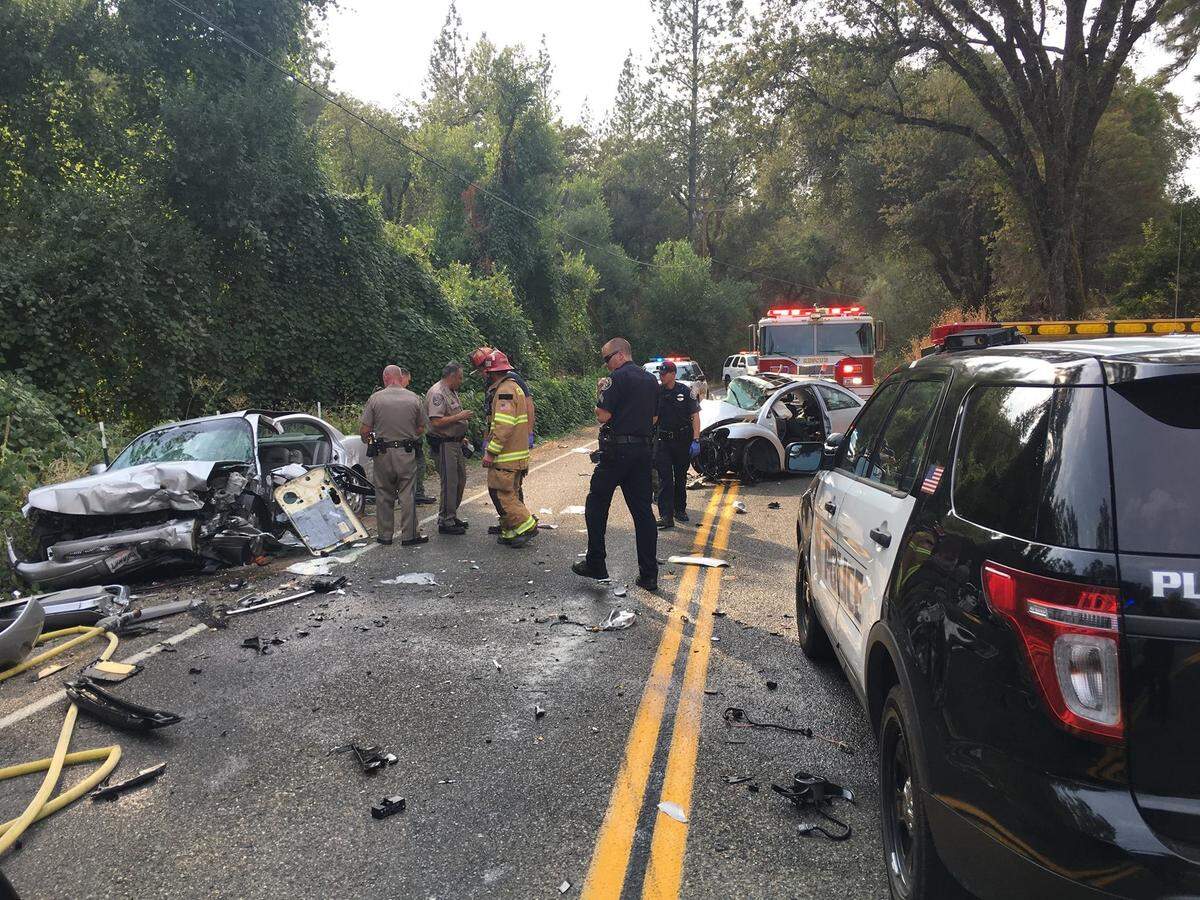
The vehicle chases that law enforcement agencies in California have undertaken crept up over the past five years, tallying 24,200 chases in 2020 and 2021. That’s a 43% increase from five years earlier.
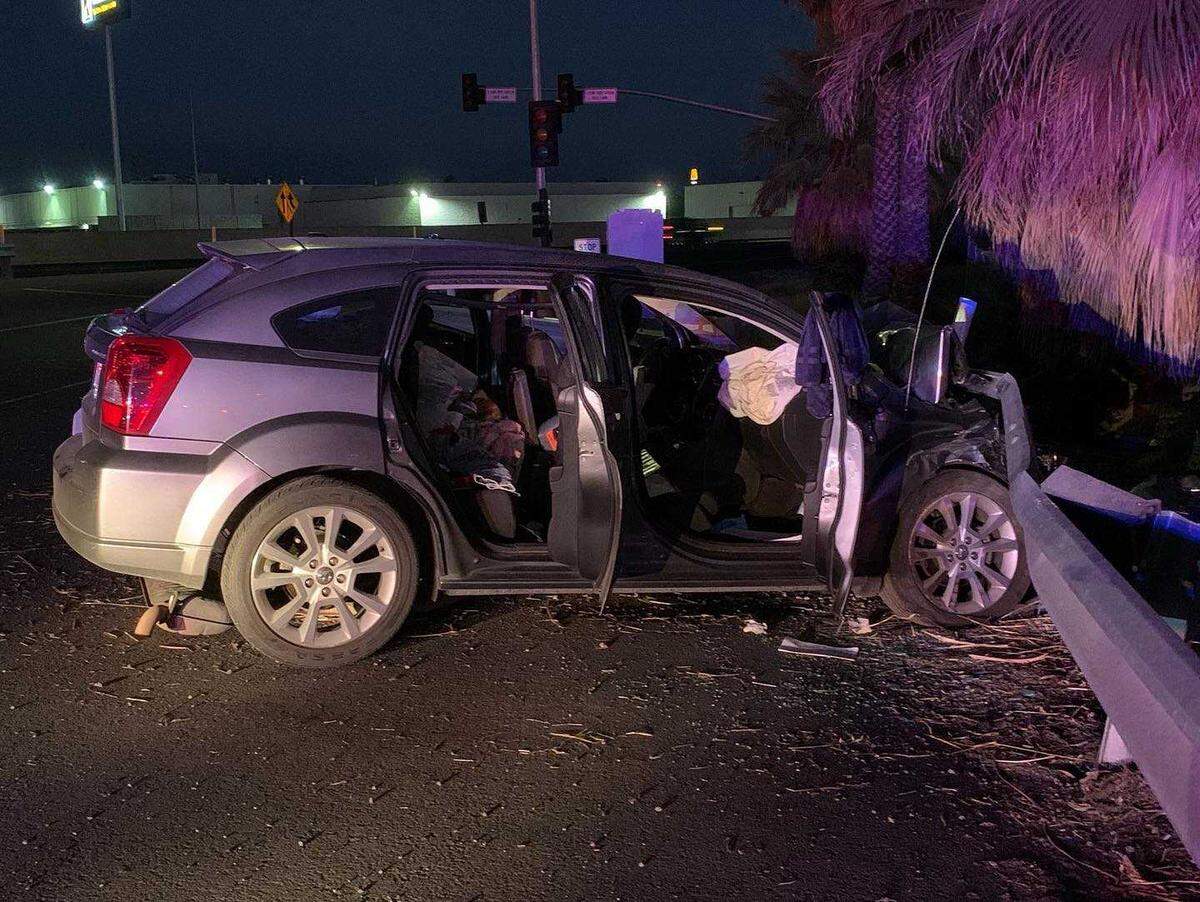
Almost 90 of those 2020 and 2021 chases in California ended with at least one death, data show. That’s roughly double the number of fatal wrecks from five years earlier.
Most police chases aren’t like the ones on nightly TV news filmed from helicopters and showing officers chasing suspects across miles of city traffic. In reality, the majority of police pursuits are like the one that killed Nguyen and Le: Under 2 miles and less than two minutes, according to experts.
Also, slightly more than half of police chases in California from 2018 through 2021 started when the initial criminal charge was an infraction, according to The Bee’s analysis of the Highway Patrol pursuit database.
Only about one in four chases started when the initial charge was believed to be a felony. Most of the rest started with a suspected misdemeanor. Records show the most common specific charges when initiating a police pursuit were taking a vehicle without consent, speeding, reckless driving and improper display of license plates.
That’s hardly worth the risks, said John Firman, a justice professor at American University who has studied pursuit policies.
“Two individuals are engaged in combat with 3,000-pound ‘weapons’ moving at very high speeds and likely at some point to spin out of control,” Firman said. “That often happens to one or both vehicles with tragic results to cops, suspects, and innocent victims as well.”
Years of debate on pursuit rules
Calls to dramatically curtail police car chases in all but the rarest of circumstances are not new.
In 1995, the commission that sets the standards for how California police officers are trained drafted guidelines for police pursuits. The suggestions came at a tenuous time when chases were increasingly a fixture on TV news, none more notable than law enforcement’s 60-mile slow-speed pursuit of O.J. Simpson a year earlier in Los Angeles and Orange counties.
Pursuits were ending with increasingly deadly results in the 1990s and early 2000s across the state, including just a few miles from the Capitol.
In 1997, a rookie Sacramento police officer was chasing a 16-year-old driver through North Sacramento after spotting the teen driving recklessly. Speeds ratcheted up, the officer hit a bump in the road and went airborne into the intersection, investigators said, smashing into a sedan at 53 mph. The crash killed a 13-year-old girl and her 31-year-old mother who were on their way to pick up a paycheck from a newspaper delivery route.
The Sacramento County District Attorney cleared the officer of wrongdoing. Realizing the optics were terrible and a jury might not be so forgiving, the city agreed to a $1.8 million settlement with the victims’ family.
Sacramento police vowed to examine their policy, but in that era when minimum standards were particularly lax, it’s unclear what additional reforms followed.
Regardless, pursuits remained a mainstay, both in Sacramento and across the country. Officers — many of whom lacked pursuit training — were initiating chases with increasingly deadly consequences.
“At one time, police policy was very liberal,” said Andrew Scott, a retired police chief of Boca Raton, Florida, whose doctoral dissertation was on police pursuits. “Police officers were allowed to pursue for any reason, and pursue until the wheels came off.”
Despite policy changes, risk remains high
Sacramento police and the Sacramento County Sheriff’s Office do not require officers to get permission from a supervisor before beginning a pursuit. Any officer can start a pursuit as long as they deem the suspect’s risk to the public high enough to warrant a chase, according to a review of city and county pursuit policies.
Supervisors should be dialed in from the beginning and monitor how a chase unfolds. They also can order an officer to stop at any time and manage who else can join the chase.
Sacramento police reported that 18% of pursuits were aborted, according to the Highway Patrol data. Pursuits appear to have been called off about 27% of the time outside of Sacramento.
Officers in the heat of a dangerous high-speed chase shouldn’t be the ones to decide whether to call it off — the emotions are running too high to make a rational decision, said Scott, the former Florida police chief.
“They’re engaged in an adrenaline dump,” Scott said. “And their mission is to apprehend. Many times, they’re unable to recognize the danger that they are creating by not only engaging in a pursuit, but their driving behavior is similar to the recklessness of the person fleeing from them.”
But others say it’s not so clear cut.
Ed Obayashi, a Plumas County sheriff’s deputy and police use-of-force expert, said it usually makes sense to call off a chase if an officer gets a suspect’s license plate number, which can be used to find the suspect later. But that’s not going to work if the car is stolen.
“So do we let car thieves just operate with impunity?” he said. “I don’t think the public wants that.”
Some departments have somewhat more restrictive pursuit policies than Sacramento’s, which reflects in the data.
San Francisco, for example, discourages pursuits for lower-level offenses. It has tallied just 115 chases from 2018 through 2021 — a rate of less than one per 1,000 reported crimes. Put another way, they were more than 10 times less likely to undertake a pursuit as Sacramento police officers. Davis likewise dissuades officers from giving chase and has a lower rate than many cities.
Elsewhere in the U.S., large cities have gone even further.
The pursuit policy in New Orleans says officers can only begin a chase after a supervisor gives the go-ahead and only if the fleeing person has committed or is going to commit a “crime of violence.” Pursuing lower-level offenses is “prohibited.” Saint Paul, Minnesota, likewise bars officers from pursuing lower-level offenses. If someone fails to pull over and is suspected of a non-violent felony or a lower-level offense, officers can follow the person but cannot chase.
The Sacramento County Sheriff’s Office has also seen an increase in the number of chases and crashes. The department initiated about 400 vehicle chases from 2018 through 2021, or about 8.2 chases per 1,000 reported crimes. That’s the sixth-highest rate among the 10 California sheriff’s departments serving the most residents.
The Sheriff’s Office did not return a request seeking comment. However, similar to the Sacramento police policy, the sheriff’s policy speaks broadly about weighing an arrest against the risk a chase poses to others.
“The immediate apprehension of the violator is no more important than the safety of innocent persons or the officer(s) involved,” the Sacramento County Sheriff’s Office policy says. “Officers shall take into account the risk that a pursuit poses in light of the threat that a pursuit, or the pursuit intervention tactic, is trying to eliminate.
“When it becomes apparent that the immediate apprehension is outweighed by an unreasonable danger to the officer or others, the pursuit must be terminated.”
Police pursuits usually begin when a driver tries to evade capture after allegedly committing a crime. In theory, a town with fewer crimes would have fewer opportunities for police pursuit. So The Bee used the ratio of police pursuits to reported crimes as a way to compare how often police take the chance to give chase.
Another way to make that comparison would be to calculate the number of pursuits per 10,000 residents. The Sacramento Police Department also had the highest rate of pursuits using that measure, among the 10 largest cities in the state.
The Police Department can change its policy at any time. Alternatively, City Council can adopt new police policies — created on its own or suggested by a community oversight group — and then direct the city manager to ensure the department’s protocols line up with the new rules.
The Sheriff’s Office can likewise update its own policy. However, the Sacramento County Board of Supervisors cannot compel the sheriff to change anything because the sheriff is an independently elected official.
Speeding turns deadly
The original crime is the top factor officers and deputies are supposed to consider before beginning a pursuit and while continuing it, according to city and county policies. In theory, that might mean officers won’t pursue people suspected of misdemeanors or nonviolent crimes. In practice, though, pursuits often start because of vehicle infractions and relatively minor offenses.
Among the most commonly cited originating offenses? Speeding.
Experts such as Scott who urge departments to only pursue suspects in life-or-death situations, said those sorts of policies don’t go nearly far enough. Data show that crime does not increase in cities when law enforcement officers are prohibited from chasing suspects except in cases where it’s a matter of life-or-death.
But that’s a tough thing to ask of a cop.
“Many officers take it as a personal affront,” Scott said. “‘How dare you ignore my authority? And you’re going to run from me?’ ”
Sometimes when one agency terminates a chase, another picks it up — with deadly results.
On a Friday night in mid-July, a Sacramento police officer near 14th Avenue and 64th Street tried to pull over a sedan for a traffic stop. The vehicle sped up, the officer turned on his flashing lights and the chase was on.
“There is no traffic out here,” the officer said in a calm voice to a dispatcher.
Behind the wheel of the car that blew through a stop sign was 16-year-old Elvis Umanzor. He veered into oncoming traffic and headed toward Highway 99, the officer reported. There was a passenger in the car. Someone was throwing things out of the car. They sped onto the freeway.
“Our speeds are 100,” the officer said near the Interstate 80-Highway 50 junction. “He’s going a little bit higher.”
Someone on the radio ordered the officer to terminate the pursuit as the teen sped away. Seconds later, however, the Sheriff’s Office was continuing the chase.
The deputy pursued the teen toward Cal Expo, where he almost sideswiped multiple vehicles. On the expanses of westbound I-80, the chase accelerated to over 100 mph.
Someone on the radio announced that they’d re-entered the city’s jurisdiction.
“They have sufficient, so we’ll stay out of it,” a Sacramento officer said on the radio.
The chase sped down Norwood and Main avenues and the teen reportedly began to pull away from the deputy. Seconds later, the Sheriff’s Office deputy announced that the car was wrapped around a tree. He had the passenger at gunpoint.
Umanzor, however, was dead. The teen’s body needed to be pried from the wreckage. Umanzor’s family didn’t return messages from The Bee.
Grief, a shrine and uncertainty — again
The police radios lit up around 8:45 a.m. that Saturday in May.
Two officers in a Sacramento police cruiser spotted two vehicles “driving recklessly” on Stockton Boulevard. Investigators haven’t provided details about what exactly the officers saw, so it’s unclear exactly how severe the original violations might have been or whether those factors would have justified a pursuit in another city.
“It looked like some road rage thing,” an officer said on the radio.
They flipped on emergency lights, cranked up the siren and tried to pull them over. An officer told a dispatcher that they’d relay the license plate information as soon as they could.
They wouldn’t have time to send over those details. Twenty-six seconds after beginning their pursuit, one of the cars smashed into Nguyen and Le’s vehicle, killing them.

The driver whose car crashed into the couple, J C Monroe, 35, of Sacramento was taken to the hospital. He was later booked in the Sacramento County Main Jail. Monroe has since been charged with felony vehicle evasion and murder. Prior to the crash, he had warrants out for his arrest for driving under the influence, reckless driving and driving on a suspended license, jail records show.
Nguyen and Le’s family hasn’t filed a damage claim with the city of Sacramento, a precursor for a lawsuit.
Hoang, who is 80 years old and whose son was killed in the crash, declined to say whether the family planned to hire an attorney or pursue legal action. She wouldn’t speculate on whether the police acted appropriately.
“A lot of people have shared their opinions about what caused the chase and whatnot, but I don’t really have the energy to think about that yet,” Hoang said. “It happened, and there’s nothing we can do to change it other than to pick up the pieces they left behind.”
After the U.S. military pulled out of Vietnam in 1975, her family did not have the money to escape the country sooner than some other refugees who managed to flee the Communist takeover of the country.
After the Vietnam war ended, her husband was imprisoned in a re-education camp for nearly a decade. He became disabled due to a stroke, leaving her to raise their five children mostly on her own. Nguyen was her second oldest son.
Hoang and her family immigrated to the United States from Hue, a central city in Vietnam, in 1997, and they eventually settled in Sacramento. Nguyen married Le in Vietnam in 2014. They moved to Sacramento. Cathy was born here; her brother, Johnny, came three years later.
The six of them squeezed into Hoang’s modest three-bedroom house in south Sacramento, which is known for its vibrant Vietnamese community. Nguyen and Le had taken over many of the household duties before they passed, and the couple worked together at a nail salon in Roseville with very few days off.
“They were a hard-working couple that went to work everyday,” Hoang said. “But they helped around the house as soon as they got home every night, especially with my sick husband.”
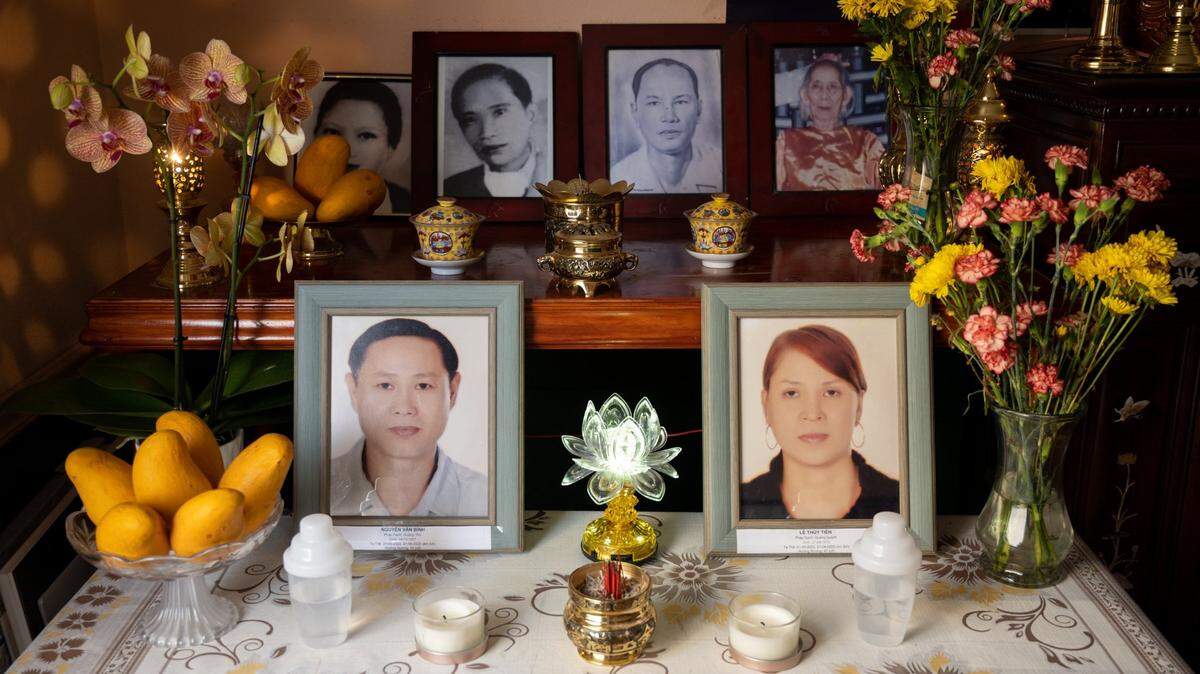
Grief still enveloped the house when Hoang and Cathy spoke to The Bee in July. The front guest room resembled a mini Buddhist temple. Hoang kept a large shrine there, filled with figurines, incense and fruits. Portraits of Nguyen and Le were front and center. A prayer asking for Buddha’s grace played continuously on a loop from a small speaker. The dull “nam mo a di da phat” chant filled the house. It can be heard from Cathy’s bedroom.
“We are all still in so much pain,” Hoang said. “But as much as I am hurting, I hurt more for my two grandchildren who have lost both of their parents at such an early age. I worry about how this will affect them in life.
“Two important people in the house are just gone.”
The interviews with Phuong Hoang and Cathy Nguyen were conducted in Vietnamese. Reporter Kevin V. Nguyen translated their words.
This story was originally published October 27, 2022 at 5:00 AM.