
Golden 1 reopens. But can Kings’ arena spark post-pandemic revival in downtown Sacramento?
READ MORE
The Kings and downtown Sacramento
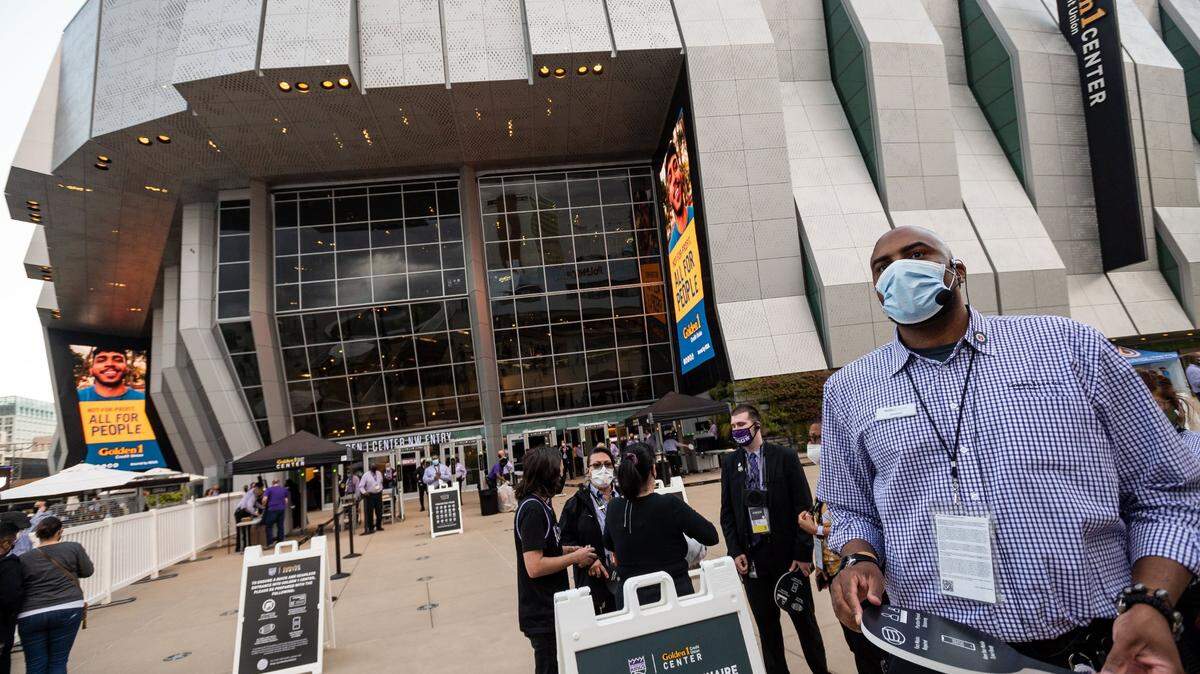
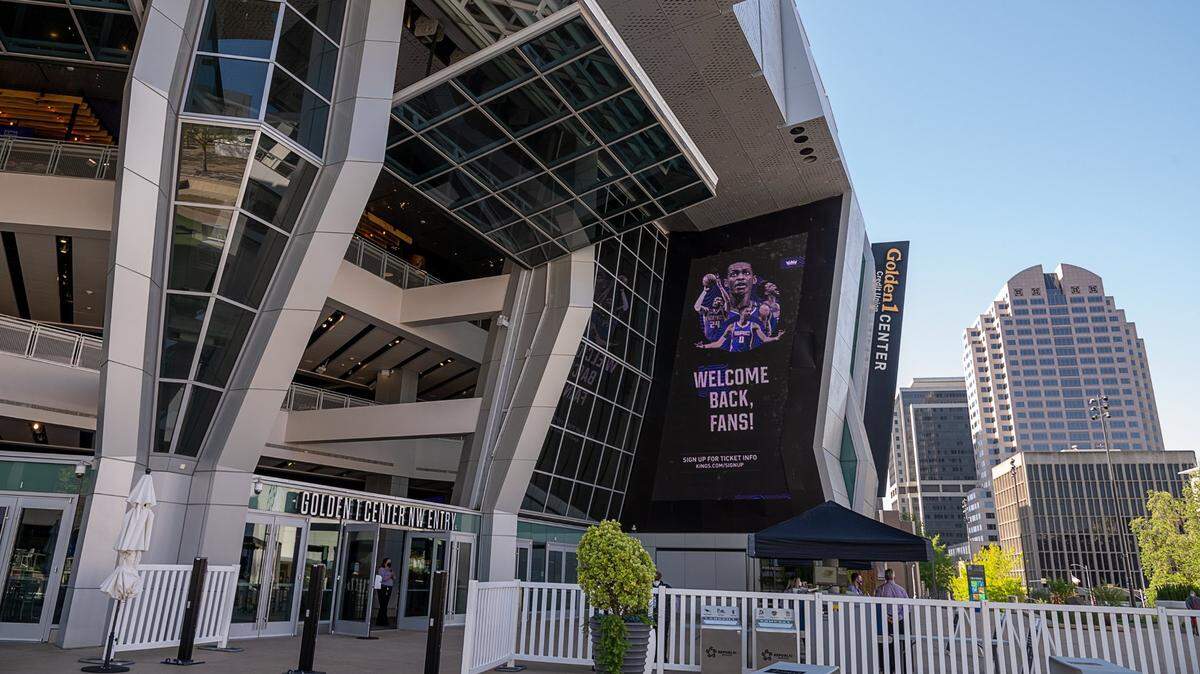
As the Kings prepare for the 2021 NBA draft, Sacramento is counting on the Golden 1 Center reopening for full capacity events to help revitalize the city’s downtown economy.
Expand All
Golden 1 reopens. But can Kings’ arena spark post-pandemic revival in downtown Sacramento?
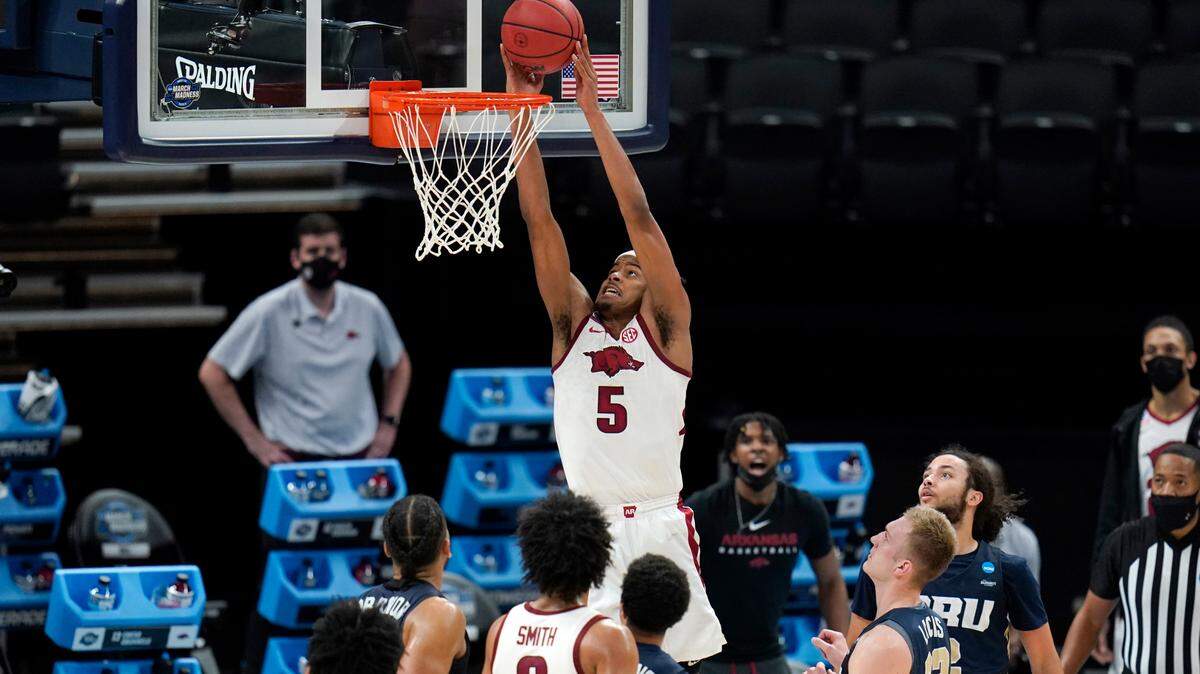
Ready for change? Kings hope to overcome NBA draft mishaps and build a playoff team
If Milwaukee can do it, so can Sacramento. Seize the moment, and the Kings hoist a trophy
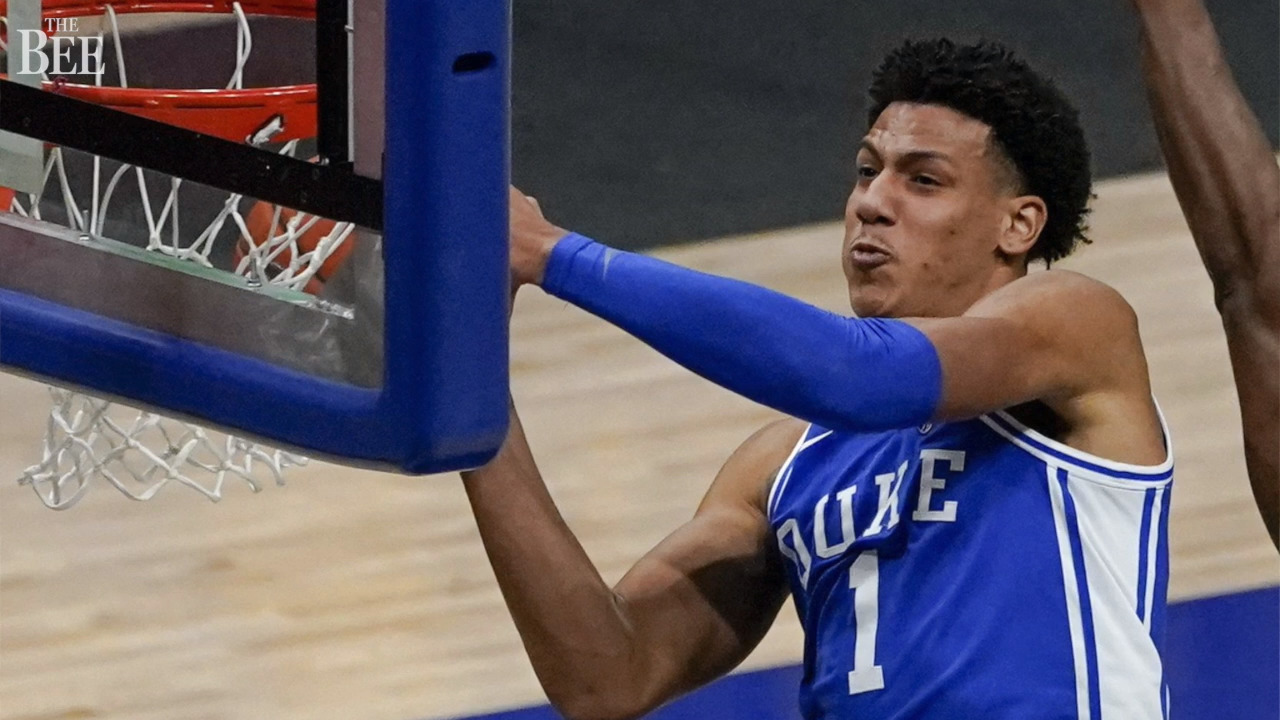
Video: Kings insider tells you what you should know for the NBA Draft
The Sacramento Kings are hosting an “NBA Draft Party” for their fans Thursday evening at Golden 1 Center, and a pretty weighty question will loom over the festivities. Namely, can the team select a player capable of leading the Kings out of the basketball wilderness and snap a league-record 15 straight years without a playoff appearance?
It will be a big moment for the city of Sacramento, too — the chance to have thousands of people milling around downtown, spending money in restaurants and bars, like they did before the COVID-19 pandemic struck last year.
“It should be a pretty well-attended event,” said John Rinehart, the Kings’ president of business operations. “We’re ready to host people at full capacity.”
Now more than ever, the Kings and their home city are joined at the hip — culturally, economically, financially. Elected officials and business leaders say Golden 1 Center, after going dark for most of the past 16 months, will be a crucial piece of downtown Sacramento’s comeback story. While the Delta variant of the coronavirus is raising fears that businesses will have to retrench, the Kings’ draft party is scheduled to kick off a healthy string of concerts and other events.
There’s a lot more at stake as Golden 1 reopens, including the city’s fiscal health. The city borrowed heavily to help pay for Golden 1, relying on parking revenue to cover much of the bond debt. But after the pandemic dramatically reduced business at its meters and garages, the city tapped into its general fund earlier this year to make its latest bond payment.
The amount pulled from the general fund was $11.75 million — enough money, say, to hire dozens of firefighters.
That doesn’t mean there were cutbacks in city services. The city avoided reductions, mainly because “other revenue sources have been more resilient,” said city spokesman Tim Swanson.
Sacramento Mayor Darrell Steinberg called it a victory: “During one of the most tumultuous public health and economic crises in our history, we managed to balance the budget without cutting programs and investments,” he said in a prepared statement. “That’s good fiscal stewardship.”
How Kings’ arena fuels downtown Sacramento
Brent Sands has big dreams for Impound Comics, the clothing store he’s about to open at Downtown Commons — the retail area the Kings developed around Golden 1. The store is based on the superhero comic book series he’s created, and he likes to say “this is Sacramento’s first superhero store.”
But even superheroes need help. Sands is opening the store with financial assistance from DoCo management — and is anticipating a big boost in business when people start pouring into the arena again.
“That’s the reason to be here,” Sands said, gesturing toward the arena’s main entrance. “It’s the most important traffic-building business in Sacramento.”
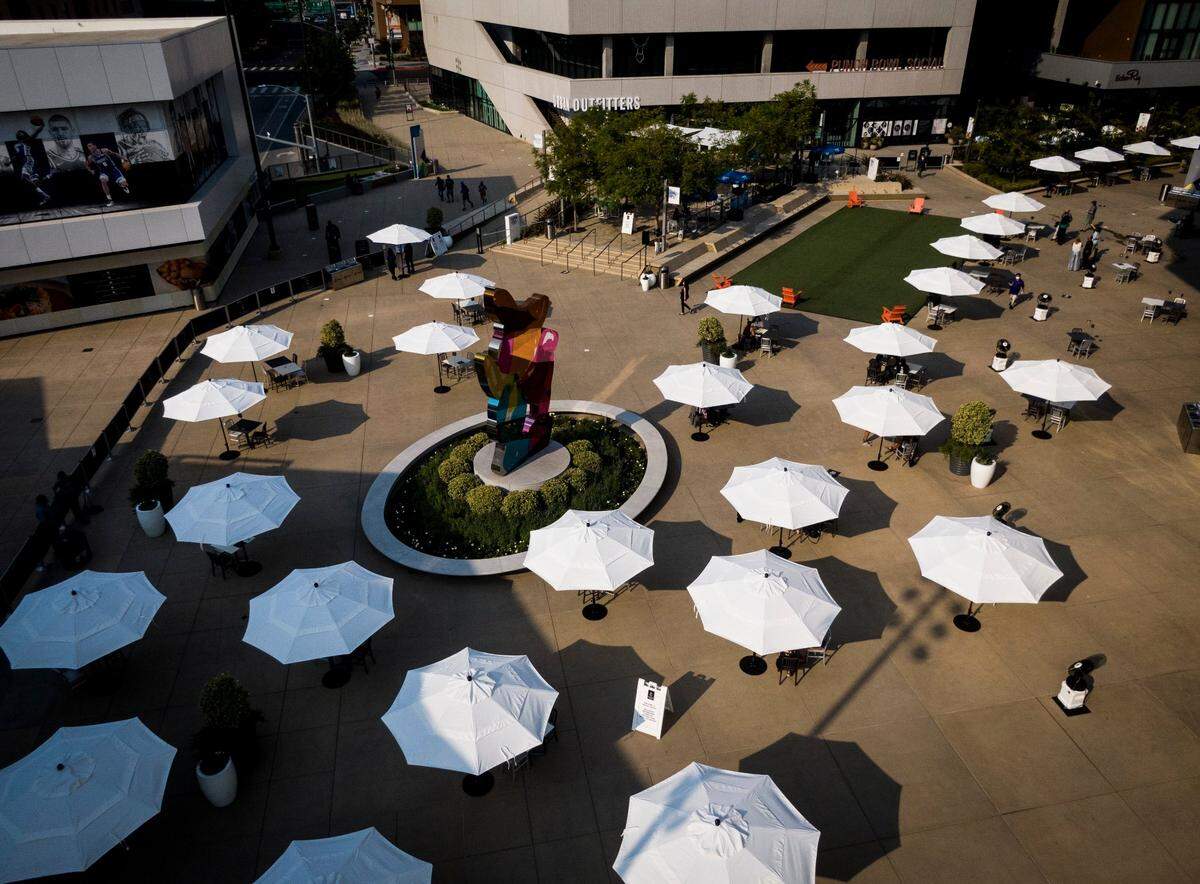
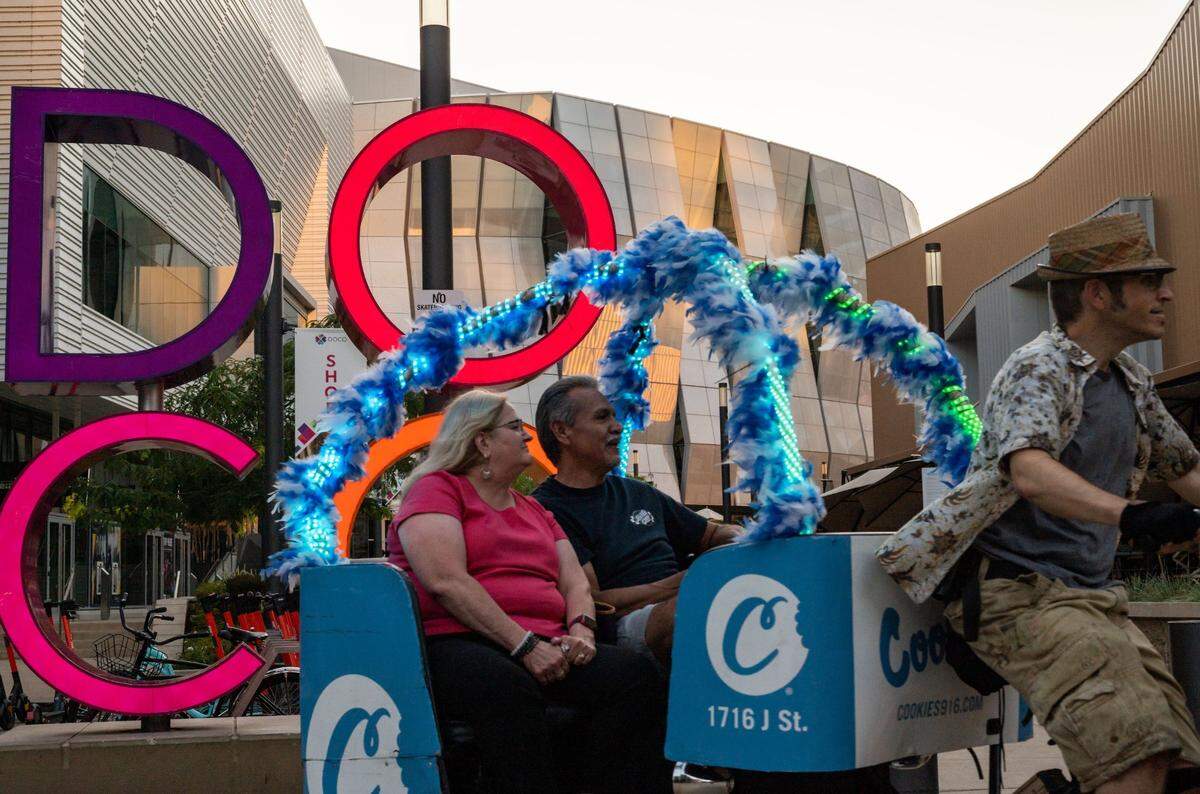
For now, DoCo is a fairly quiet place. On a recent weekday afternoon, perhaps a dozen people milled around the plaza. A handful lined up for drinks at Pressed Juicery. Maybe a third of the booths were occupied at Yardhouse restaurant. A couple was checking in at the Sawyer, the hotel tower developed by the Kings that looms over the arena.
Slow, but not moribund. “People are eating, people are walking around,” Rinehart said. “It’s definitely picking up, slowly but surely.”
The Kings hope to jump-start things in the coming weeks. The draft party will be soon followed by the California Classic basketball tournament, professional rodeo and a Monster truck show. September and October will bring Colombian singer Maluma, the Eagles and more. Comedian Jo Koy’s performance sold out so quickly, a second show was added, Rinehart said. It’s nearly sold out as well.
There’s little doubt that the arena’s opening in 2016 sparked a revival in the downtown core, including several hundred million dollars in real estate development. Michael Ault of the Downtown Sacramento Partnership, an alliance of property owners, said the full reopening of Golden 1 is crucial to getting downtown back on its feet again.
Before the pandemic, the arena was open 200 nights a year and drawing 2 million people downtown, and Ault says the resumption of concerts and other events could influence employers to accelerate the reopening of their offices.
“A lot of these business have slow-rolled their reopenings,” Ault said. “When you say Golden 1 Center is going to be reopening ... that gives people some assurance that these activities are coming.
“It brings energy; it brings excitement,” Ault said of the arena’s importance to downtown. “It’s critical to what an urban center is all about.”
Steinberg said the reopening of Golden 1 “is another sign that we are emerging from the pandemic and poised to reclaim the momentum our city had at the start of 2020.”
.JPG "SAC_xm0722doco010086 (1).JPG")
Pandemic closed arena and hurt city finances
It was March 11, 2020. The Kings were about to tip off against New Orleans on national TV. A playoff berth was on the line. At the last minute, the game was called off because of COVID-19 concerns. Thousands of fans streamed out of Golden 1 in disbelief, many of them hanging around the DoCo outdoor plaza for more than an hour, as if hoping the game would somehow get played.
No such luck. The NBA season was suspended, Golden 1 shut down and so did most of downtown Sacramento. Fans were not allowed back inside the arena to watch the Kings until more than a year later — and that was limited to 2,000 fans apiece for eight games.
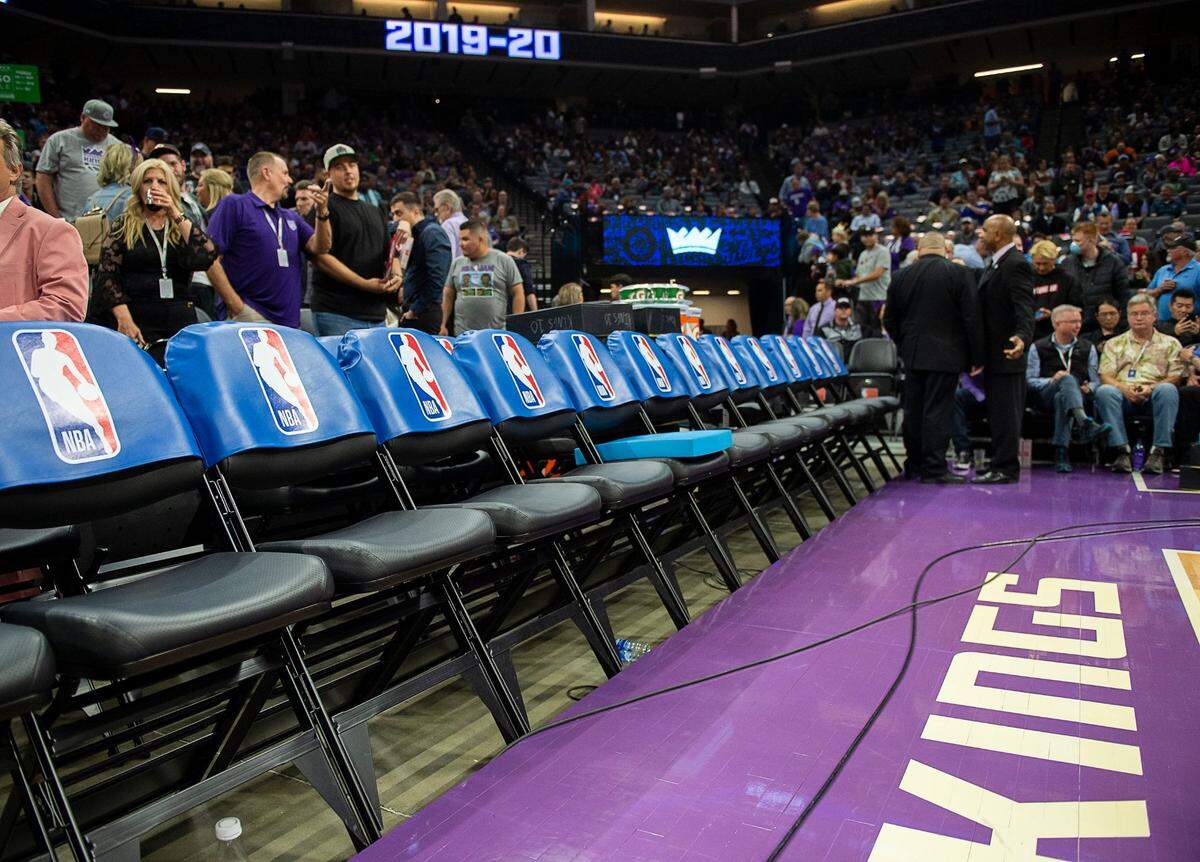
Put another way: The Kings have drawn about 16,000 paying customers to their building since March 2020, the equivalent of one game’s worth of attendance. Rinehart declined to say how much money the Kings have lost over the past year.
The coronavirus pandemic didn’t just short-circuit the Kings’ season. It disrupted the city’s carefully-laid plans for financing Golden 1, which opened in October 2016 with a pair of sold-out Paul McCartney concerts.
In 2015, the city issued $273 million in bonds to pay for its share of the $558 million construction cost. The debt burden has been about $18.4 million a year, mostly covered by city parking revenue and a $6.5 million annual lease payment by the Kings (The team’s payments will grow dramatically in future years). The team also kicks in about $1.2 million a year in taxes.
At the time they issued the bonds, city officials acknowledged they would have to tap the general fund if the parking revenues fell short — but they insisted the likelihood of that happening was small. “I feel comfortable we’re on track to hit these targets,” said then-Assistant City Manager John Dangberg shortly before the arena opened.
After the pandemic struck, city officials encountered a financial squeeze that they say couldn’t have been predicted. The city was short on funds for the arena debt. It also had to confront problems with repaying the $350 million it borrowed to renovate the convention center, community center theater and Memorial Auditorium — a debt that was to be covered with rapidly shrinking tax revenues generated by hotel occupancy.
“We stress test every bond issuance and a Black Swan event would never meet the criteria of a stress test,” City Treasurer John Colville said last summer, using the financial term to describe an unimaginable catastrophe.
The arena bond faced shortages in two revenue sources. Not only did parking income plummet, the Kings shaved their lease payments to the city. A clause in their contract gives them the right to do that if they can’t host a full complement of 41 regular-season games. This year the NBA shortened the season and the Kings played just 36 games at Golden 1. As a result, the Kings cut their payment by $792,000, Swanson said.
Along with the decline in parking revenues, the city had to find $11.75 million to pay bondholders.
Now, with the NBA preparing to hold a full season starting Oct. 19, Kings officials believe they can get life at Golden 1 back to normal. The organization has recalled most of the full-time employees who were furloughed last year, and is in the process of hiring back hundreds of part-timers who work on nights the building is open, Rinehart said.
Based on feedback from fans, the Kings expect ticket sales to be strong this season.
“We’re very excited, very bullish,” Rinehart said. “Our fans are excited to get back into the arena.”
Sacramento needs state workers to come back
It was a work day, but downtown Sacramento was hardly bustling with activity the other afternoon. On K Street just east of Golden 1, a homeless man shouted at the heavens from a sleeping bag in front of a boarded-up bakery. Plenty of parking spaces were available in the main garages. A handful of merchants, though open, still had their windows covered with plywood following last year’s protests.
It’s fair to say downtown Sacramento is a long way from recovering from a brutal year of pandemic and civil unrest. Business owners such as John Vanini are skeptical that things can turn around quickly.
“I’ve seen 9/11, I’ve seen lots of problems, lots of ups and downs,” said the owner of Vanini European Clothier on L Street. “But this one has done permanent damage. Things are not going to be normal for a long time.”
Vanini’s shop is a downtown fixture, decorated with photos of the owner posing with Jerry Brown, Arnold Schwarzenegger and other political dignitaries. He’s just a quick walk from Golden 1 but relies on a different building for his traffic — the Capitol. By his count, 90% of downtown commerce is generated by state workers, lobbyists, lawyers and others connected to the Capitol.
“Now everybody’s working from home,” Vanini said. “They’re not going to eat in the restaurants, they’re not going to (buy) clothing.”
Before the pandemic, about 100,000 people came downtown every weekday for work. These days, the central city is repopulating, but slowly. Gov. Gavin Newsom’s administration has directed state agencies to develop policies that would allow many of their workers to continue telecommuting for the foreseeable future.
Ault said downtown offices are still only about 45% occupied — about double what they were two months ago, but still far short of what’s needed to get the central city humming again. He and Steinberg, a former legislative leader, have appealed to the state to bring workers back into their offices more quickly.
“The state plays a huge role ... in getting the momentum back, not only in Sacramento but in downtowns across the state,” Ault said.
Andrea Lepore and Jami Goldstene, co-owners of Solomon’s delicatessen on K Street, are among those waiting for more state workers to show up.
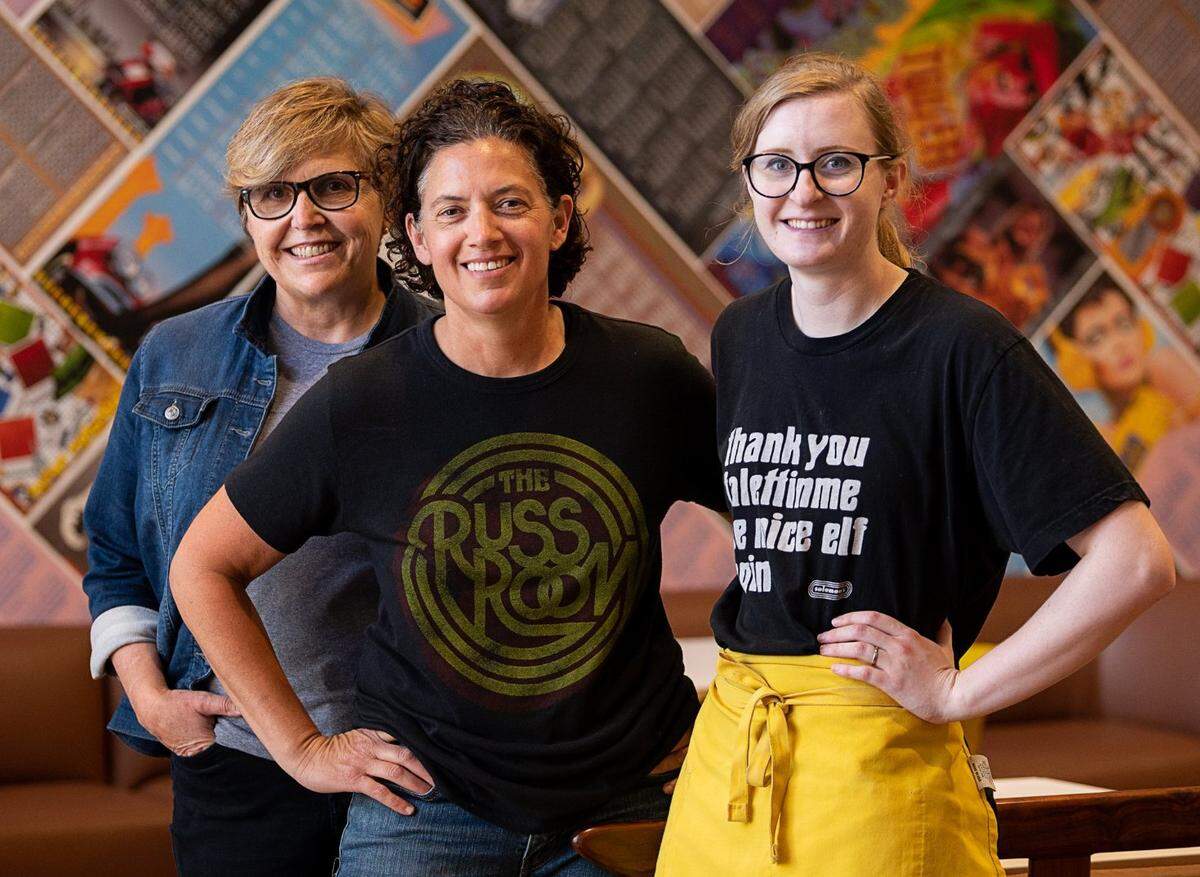
“During the week, with no office workers, it’s hit or miss,” Lepore said. “We could do a decent lunch and the next day there’s no one around.”
She said Solomon’s business is down 30% to 50% from pre-pandemic levels, and the neighboring businesses are struggling, too.
“This whole block is closed Mondays and Tuesdays. There’s not enough business here to support seven days a week,” she said.
Solomon’s live-music venue — named for legendary Tower Records founder Russ Solomon — reopened recently for three nights a week, but that’s being pared back to two nights because of a lack of business. Lepore said restaurant employees are frequently calling the city’s 311 help line to report problems with homeless people in the area. The reopening of Golden 1 will help downtown, she said, but probably won’t do much for a restaurant that isn’t open for dinner.
And then there’s the X factor known as the Delta variant, which has led to a resurgence in coronavirus infections. Business at Solomon’s dipped noticeably right after Sacramento County advised residents to resume wearing masks indoors, even if they’ve been fully vaccinated.
“We felt at least the last few weeks we were coming back,” Goldstene said. “Now it’s a little bit questionable.”
This story was originally published July 28, 2021 at 5:00 AM.