
Behind Placer County’s change in investigating fentanyl overdose deaths
AI-generated summary reviewed by our newsroom.
- Placer County treats overdoses incidents as potential criminal scenes, detective says.
- Prosecutors filed murder charges against dealers who they say know the risks of fentanyl.
- California has looked to Placer County to help solve fentanyl homicides.
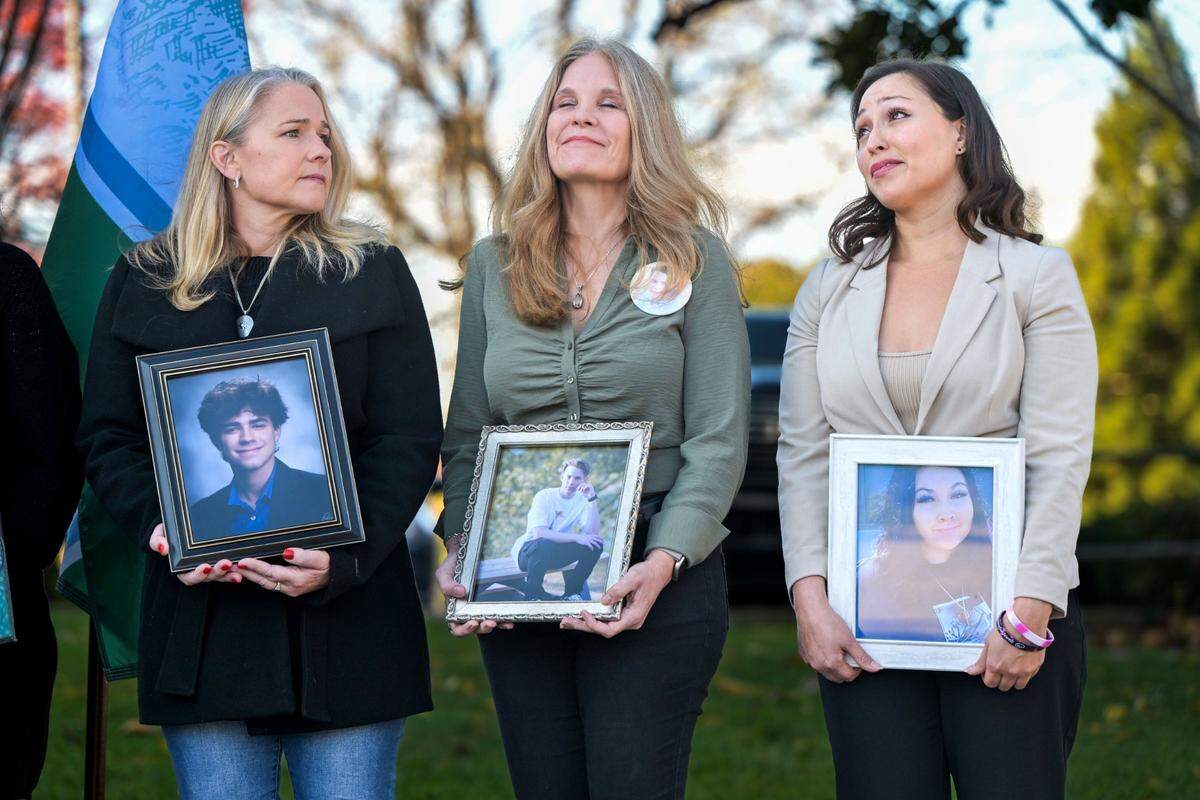
Zachary Didier, a bright and compassionate teen, died alone in his Rocklin bedroom two days after Christmas in 2020.
The 17-year-old loved learning and dreamed of attending UCLA. He balanced the life of an exceptional athlete and musical theater star at Whitney High School.
A toxicology report weeks later found fentanyl in Zach’s system after he unknowingly ingested a fake Percocet pill, according to Laura Didier, his mother. But he was not a typical overdose fatality — most victims died after repeatedly using drugs and their body falling apart.
Around the same time, Placer County sheriff’s Detective Patrick Craven landed a crucial tip while investigating Zach’s case which would fuel law enforcement’s drive to change decades of investigatory practices. Virgil Bordner, a dealer who law enforcement says gave the fake pill, coached and warned Zach about how to use the drugs, Craven said. The knowledge officials believed Bordner possessed about the dangers of his substances — that they potentially contained a lethal dose — proved his case could qualify as a murder, a novel technique, said Craven and the Placer County District Attorney’s Office.
Zach’s death ushered sweeping changes across Placer County over how to handle overdoses, which were previously not always investigated as a criminal act by law enforcement.
A majority of law enforcement agencies in Placer County now approach each overdose as a potential criminal scene, Craven said. Firefighters, whose first responsibility is to provide life-saving care, may handle the incident as a criminal investigation, tracking evidence or documenting witness’ statements. The coroner’s office has to perform increased testing on victims. Hospitals may have to turn over additional evidence, while ensuring its preservation, according to the Placer County Sheriff’s Office.
“It took some frank discussions and sort of a paradigm shift to say these are no longer overdose scenes,” said Placer County District Attorney Morgan Gire.
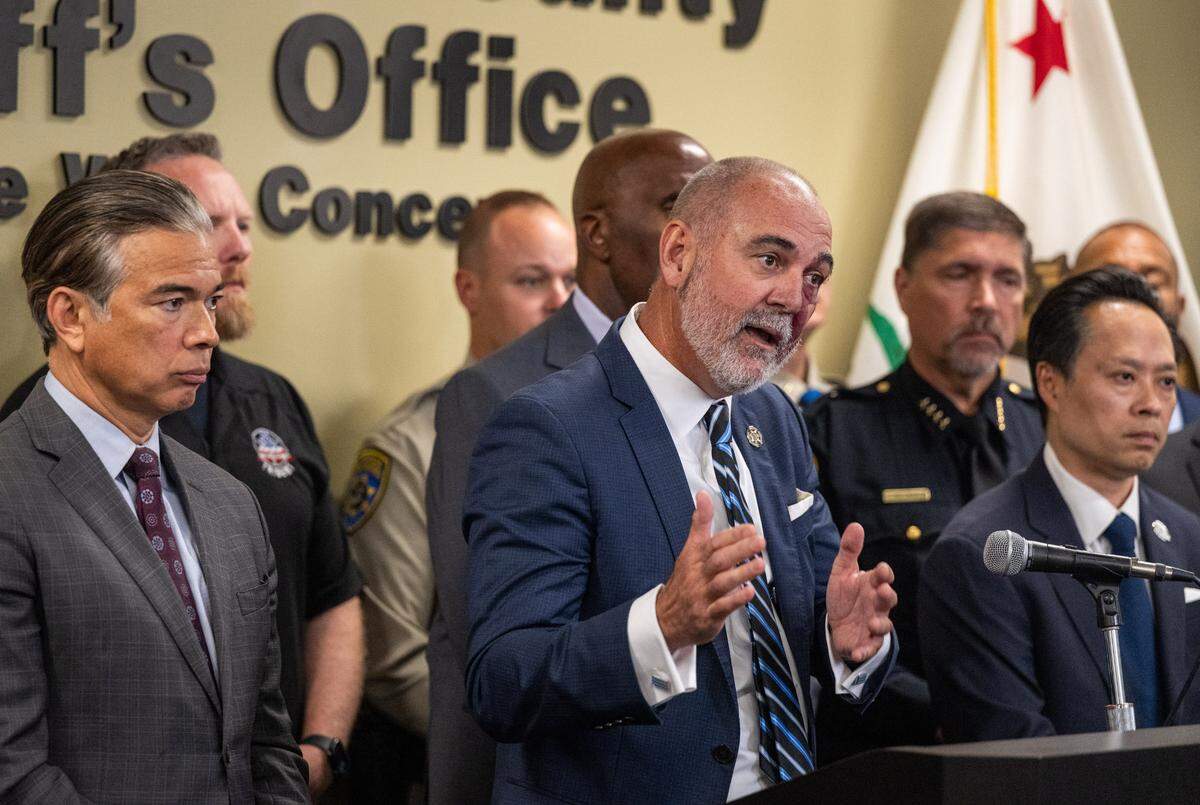
This change is among the first in California, and a shift in how law enforcement tackles a drug-fueled crisis. Law enforcement agencies across Northern California now look to Placer County to help guide their own investigations.
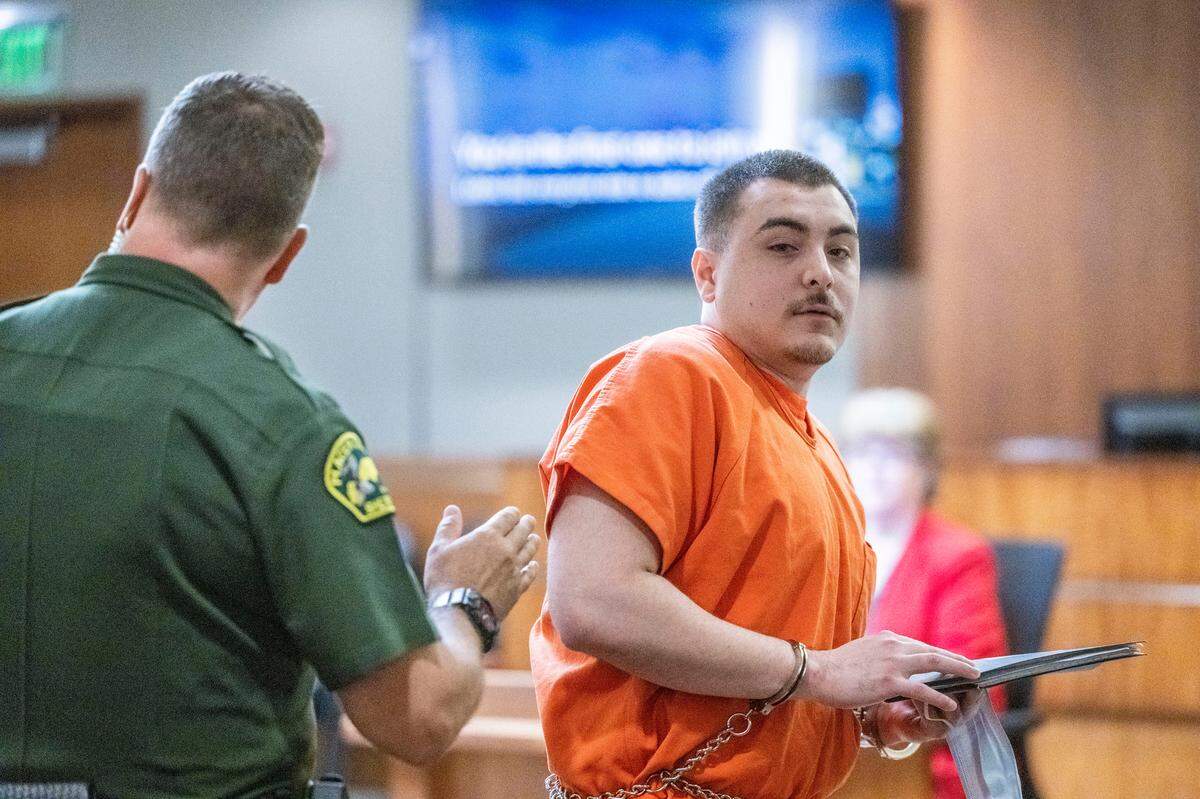
Bordner pleaded no contest to involuntary manslaughter in September 2022 and was sentenced to 17 years to prison. California saw its first sentencing of a fentanyl-homicide when Nathaniel Cabacungan pleaded no contest to second-degree murder in 2023 after furnishing a 15-year-old Roseville teen with a fake Percocet pill, which killed her. Cabacungan was sentenced to 15 years to life, prosecutors said.
Critics of Gire’s approach warn his approach does not directly reduce substance use and overdose deaths. Evidence-based services, such connecting people with treatment, housing and care, must be prioritized, said Cristine Soto DeBerry, the executive director of Prosecutors Alliance, a San Francisco-based nonprofit which advocates for reforming prosecutorial offices.
“It’s understandable that a prosecutor seeking accountability in the face of an overdose death would react with severe charges, but reflexively reaching for the harshest punishment can actually push us further from the goal of saving lives,” Soto DeBerry said.
Along with criminal charges, the District Attorney’s Office has informed more than 40,000 students, from seventh to twelfth grades, about fentanyl’s toxicity and dangers in presentations at schools.
“We are not going to arrest and prosecute our way out of the fentanyl crisis,” Gire said. “We have to educate the community.”
Gire said his office has only filed homicide charges in a small number of cases in narrowly tailored circumstances. He added other counties may disagree with his approach because it does not work in their jurisdiction. But officials there can take a piece of his method or call him with their own successes.
‘An enormous power’
Prosecutors often first greeted Morgan Gire in 2020 with a cryptic but poignant statement when he entered his office for the workday: “We had another one. 18.”
Gire, who had been appointed that year as Placer County’s District Attorney, knew exactly the meaning behind that message: Another life claimed after ingesting fentanyl. The frequency of deaths prompted Gire to contemplate his obligations in the criminal justice system and what prosecutors can and should do.
“Filing criminal charges — let alone murder charges — is an enormous power,” Gire said, “and we have the power to really affect human life on all sides of the equation.”
As a former narcotics prosecutor, Gire had firsthand knowledge of a typical overdose victim, commonly a person who consumed enough of methamphetamine, cocaine or heroin that their body gave out. There was no thought that the drug dealer, who provided the last lethal dose, was responsible for killing a victim. The fatal overdose often resulted from a lifetime of abuse and addiction by consuming narcotics from multiple dealers, causing repeated damage overtime to a body, Gire said.
But in 2020, Gire began to see more young children dying from a single pill, some instantly after experimenting, without a history of substance abuse disorder. The COVID-19 pandemic fueled a perfect storm. Teenagers’ stress mounted and social media offered lethal doses of drugs for a quick reprieve which, unbeknownst to victims, contained fentanyl, he said.
Placer County saw a rise in the number of fentanyl overdoses since 2019, with a precipitous drop last year, according to the the county’s Department of Public Health.
Zach’s death prompted the office to wonder about filing murder charges, but doing so was still a theory, Gire said. It wasn’t until the arrest of Carson Schewe, another dealer, that prosecutors could look again at Zach’s case.
Schewe, who eventually was the defendant in Northern California’s first fentanyl homicide trial, fulfilled the legal theory of implied malice necessary to prove murder, Gire said. The 23-year-old knew the lethal doses his narcotics contained, yet he still sold them to Kade Webb, 20, who died in a Roseville Safeway, Gire said.
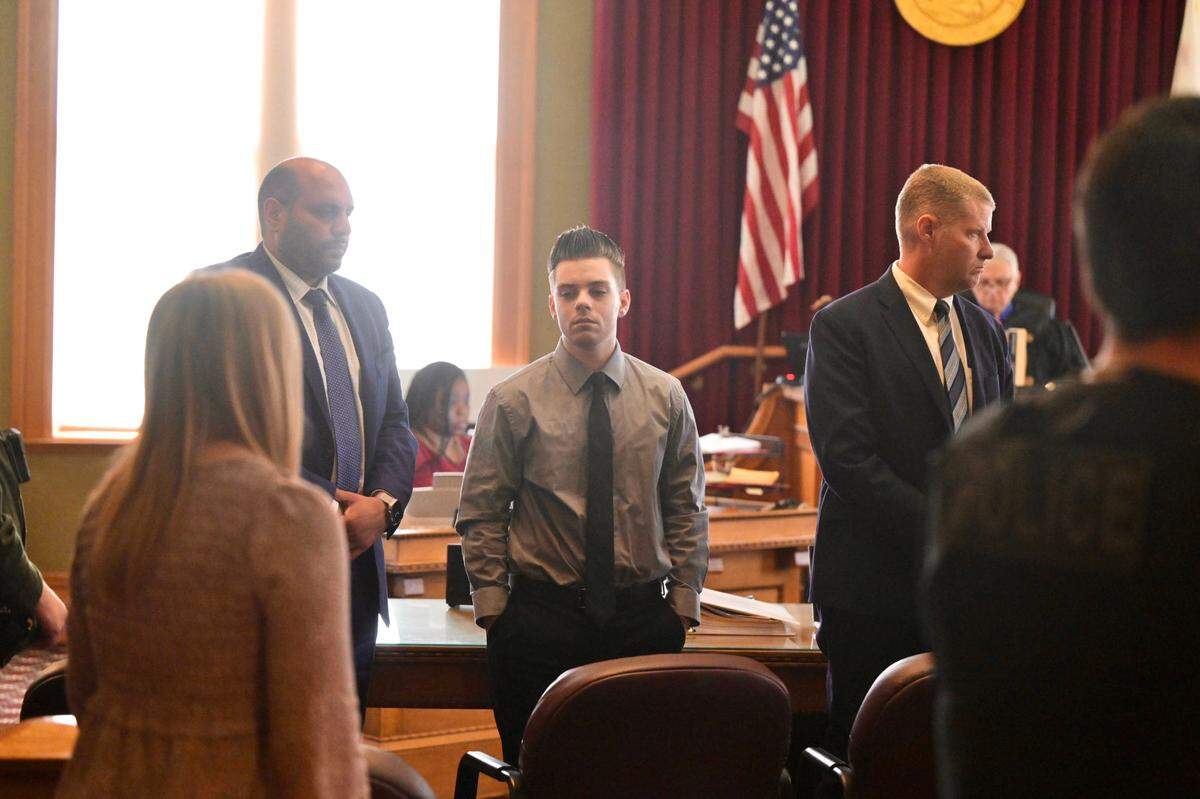
The equation for murder filing charges is more than a person who sells a victim with the drug that kills them. A suspect must have conscious disregard, or deception, in which they care about profits over human life, Gire said. Prosecutors must prove the dealer’s decision was not impulsive, he said.
He began to have conversations with Riverside District Attorney Mike Hestrin, an old friend who heads the office where Gire started his career, about how to handle these cases. Hestrin recalled speaking about strategy and telling Gire that it takes a group of investigators and other agencies to collaborate to solve these cases.
“Prosecutors faced a lot of headwind, or resistance from police, at least early on” who asked why a drug overdose case qualified as a murder case, Hestrin said of his experience in Riverside County. He explained to them “fentanyl has changed everything.”
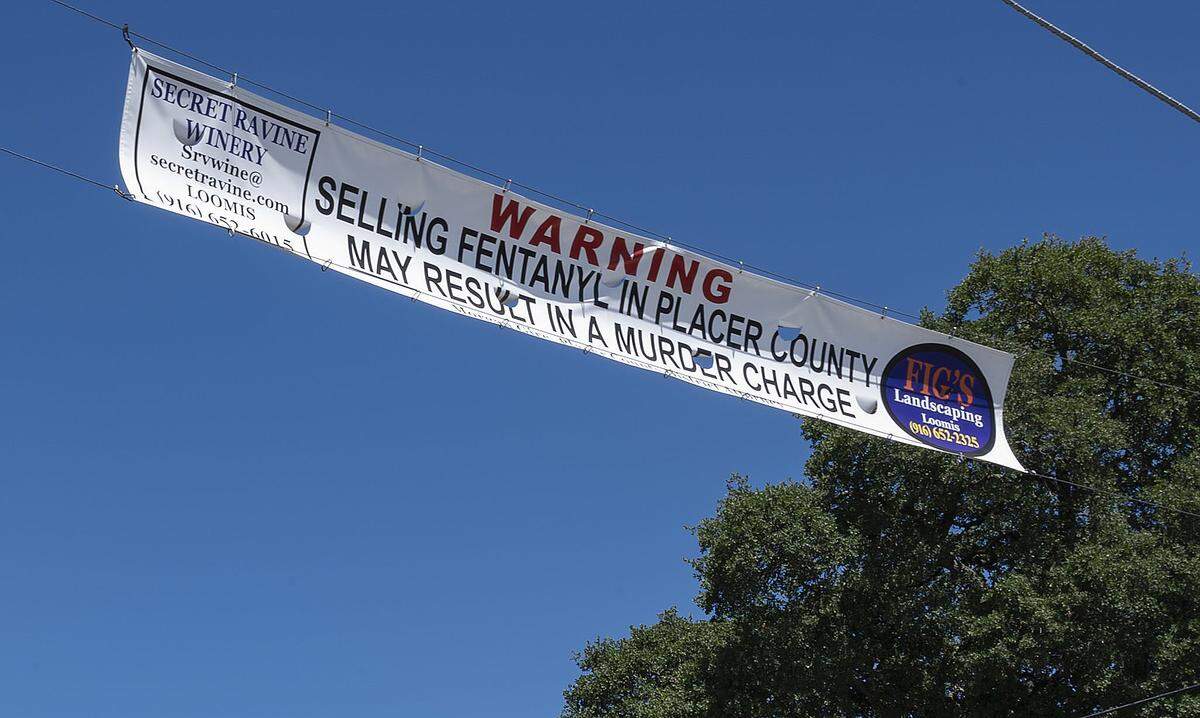
Gire’s office has filed six murder charges so far. But he has also adopted community outreach methods to teach the public about fentanyl. Messages about fentanyl’s lethality graced billboards and wrapped around buses. Every homeowner received a flyer along with a property tax bill. A PSA sponsored by the Placer County District Attorney’s Office was nominated this year for an Emmy award.
But he’s not doing a victory lap. Prosecutors and the Placer County Sheriff’s Office continue to investigate more cases. People who do not fit one mold — a young person without an addiction who unknowingly ingests a pill laced with fentanyl — still deserve to have their cases examined, Gire said.
‘Never been done’
Craven, the detective, had worked his way up at the Placer County Sheriff’s Office before becoming a narcotics investigator. He worked undercover with the Sheriff’s Office special investigations unit, tasked with collaborating with other law enforcement agencies to investigate the drug world.
Craven heard rumors of fentanyl before it seeped into the public consciousness. Dealers discussed furtively about “something powerful” in the works while arrested, he said. Deputies began seizing many Percocet pills. “Well, this doesn’t really make that much sense,” Craven recalled, wondering what made users make the switch to “such an extreme level.”
But Craven had never been a homicide investigator — a different process than investigating drugs. The fast-paced drug world requires deputies to be updated on the next narcotic trend or lingo adopted by dealers. Homicide investigations typically require more evidence and embody a slow methodical fact-finding process, he said.
Zach’s case required the Sheriff’s Office to change their approach into these investigations — and it’s that mindset they teach to law enforcement around the state through teaching classes.
“It had never been done,” Craven said.
Bordner’s case was Craven’s first time investigating a potential murder in which he found messages showing the dealer knew the lethality of the drug, he said. Testing the pills showed they were primarily fake but looked like pharmaceuticals, he said.
He collaborated with the District Attorney’s Office to think through cases and determine if a jury would agree with their findings.
Cases kept piling up for Craven, who transitioned last year into solely investigating fentanyl-homicide cases with his supervisor, Sgt. Dan Stokes, in a newly created unit in the Sheriff’s Office.
“Had it not been for the work that he’d done, I don’t know what investigations into fentanyl would look like in Placer County,” Stokes said. “Realistically, in law enforcement it is historically unique to see an issue and be able to actually come up with a solution that is working.”
For Laura Didier, Zach’s mother, adopting treating fentanyl-homicides as a criminal prosecution informs dealers their actions will not be tolerated. In 2020, she did not know about counterfeit pills or fentanyl.
“My son’s life mattered to our county, and they did their due diligence to investigate what happened and give us answers,” Laura Didier said, adding she’s grateful for the District Attorney’s efforts to educate the community about fentanyl.
Word spread quickly across California that Placer County had adopted this novel approach. Calls flooded into the agency with requests about lessons learned and best practices to apply these investigative methods to these local jurisdictions, Craven said.
Recently, Craven taught about 46 people stretching across Northern California of his techniques. They capped the number of attendees and created a waitlist for a future class.
Craven impresses upon other fentanyl homicide hopeful investigators the lessons he’s learned, analyzing data and dealers’ lingo. But these cases require a lot of work — and often require the approval of county supervisors, coroner’s office and others to build a case.
And he hopes to inform experienced investigators about the realities of addiction. The decision to take a pill is like breathing for an addict. “This is not conscious,” Craven said.
Craven himself has learned not every case qualifies for a murder charge. But even so, he takes solace to inform families about their loved one’s last moments.
“That has been helpful to keep motivation to investigate these,” he said. “Being able to tell their story and not let their name be forgotten.”
This story was originally published June 2, 2025 at 7:00 AM.