4 takeaways from The Bee’s series on Sacramento’s $120M homeless shelter spend
AI-generated summary reviewed by our newsroom.
- City and county spent $120M on eight shelters from 2020–2025 — $126,315 per bed.
- About 5,393 exited shelters; 1,098 found housing or live with family — many return.
- County plans new 350‑bed shelter at $87M total; experts favor rental aid instead.
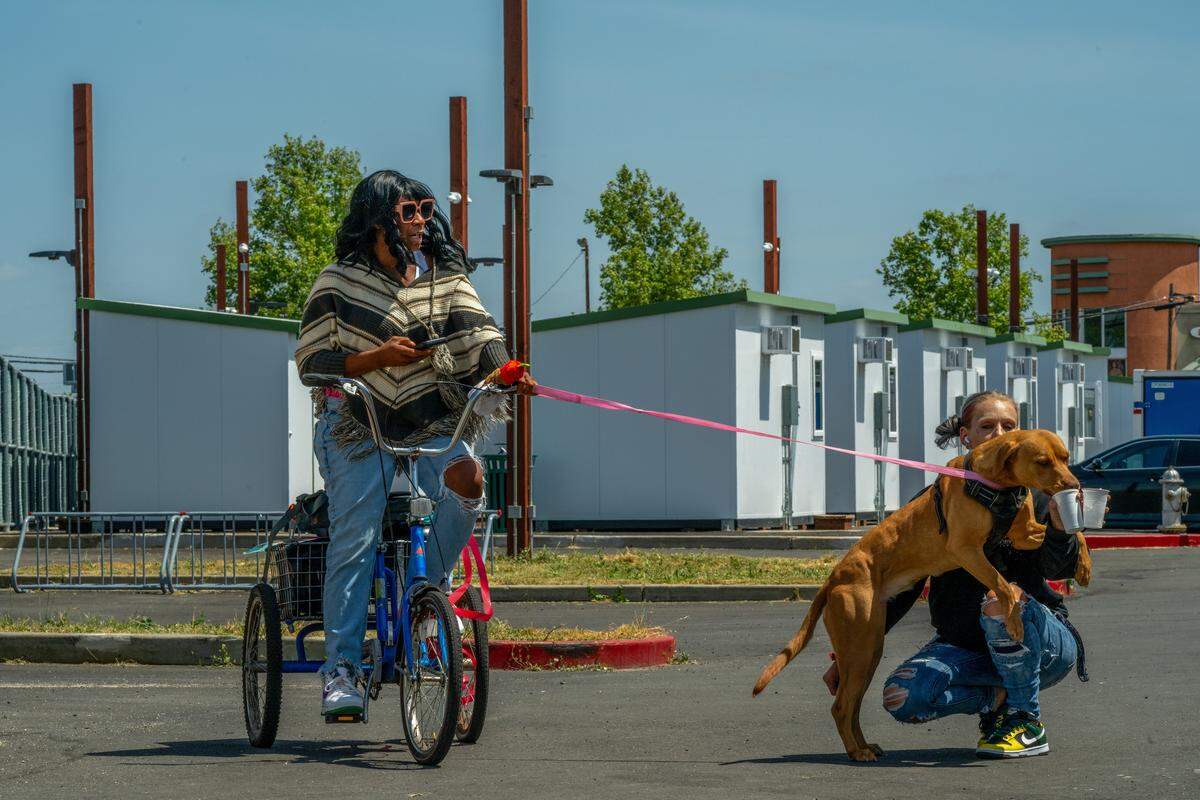
Answering the rising demand from Sacramento residents, the city and county of Sacramento opened eight large homeless shelters in the last five years.
Politicians cut ribbons outside the shelters in front of TV cameras to show they were taking action to address the crisis, and now residents drive by them every day.
The waitlist to get in a Sacramento shelter totals 4,000. Once there, finding the promised permanent housing is difficult. A Sacramento Bee investigation found that many guests stay for over a year, and many end up returning to the streets.
Our stories focused on not only how few go on to permanent housing, but also how much money has been spent over five years and whether that has been an effective approach and whether a new shelter is worth the cost.
Here are four takeaways from those stories:
Money spent
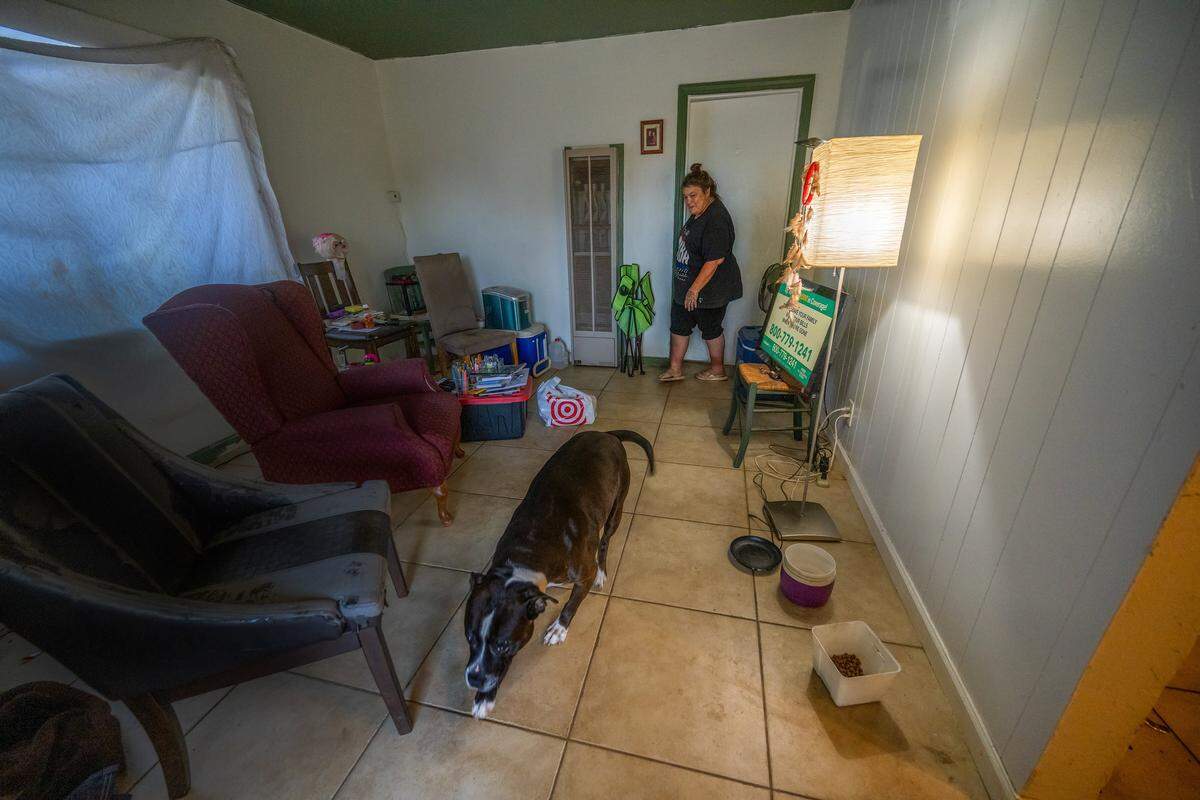
Five years, $120 million.
Sacramento city and county together earmarked that much in taxpayer money, from a mix of local, state and federal sources, on building and staffing eight homeless shelters from July 2020 through 2025. They had a total of about 950 beds.
A bottom line: That’s about $126,315 per bed.
Transition limited
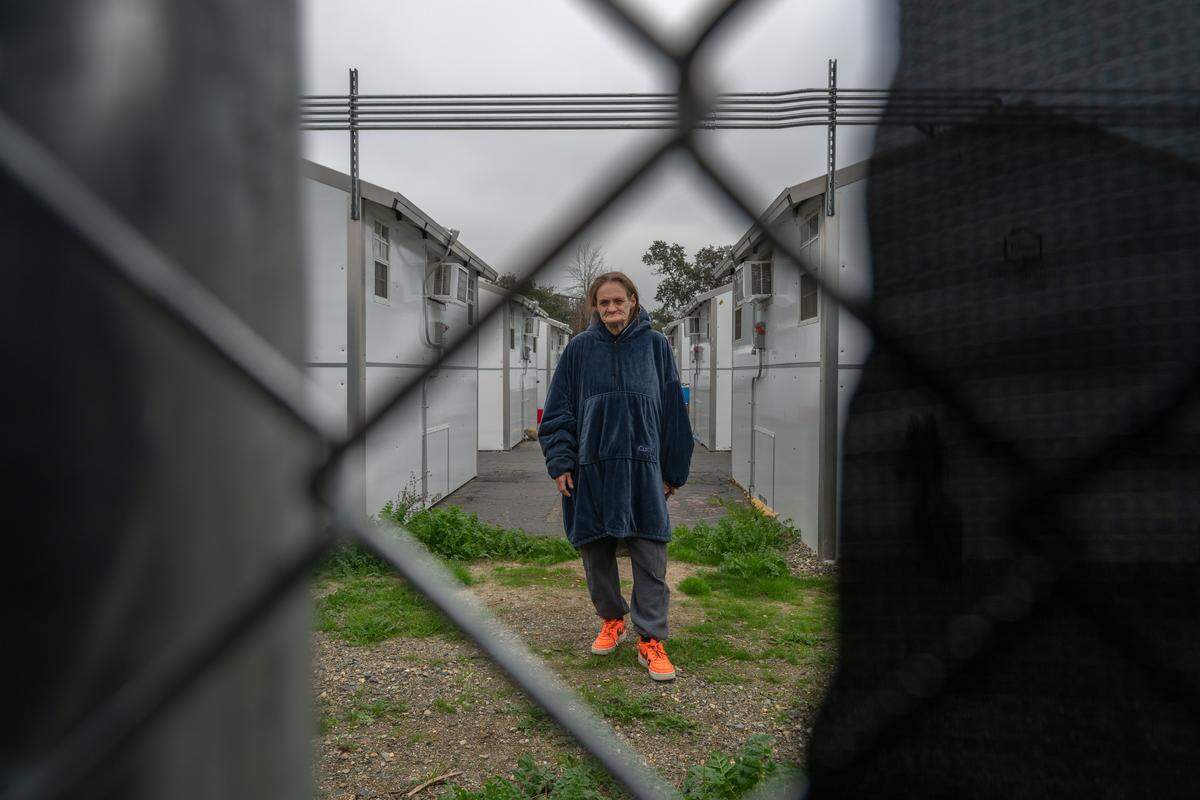
Only 20% find permanent housing.
About 5,393 people have exited the shelters. About 1,098 of those have secured permanent housing or permanently live with friends or family. The city and county do not track how long people stay housed. An expert said the real proportion of people housed long term is likely significantly lower than 20%. The Bee interviewed one couple that is back on the streets after spending over a year in the city’s Roseville Road shelter.
A bottom line: Many return to the streets.
Is more, bigger better?
Coming soon, Sacramento’s largest shelter.
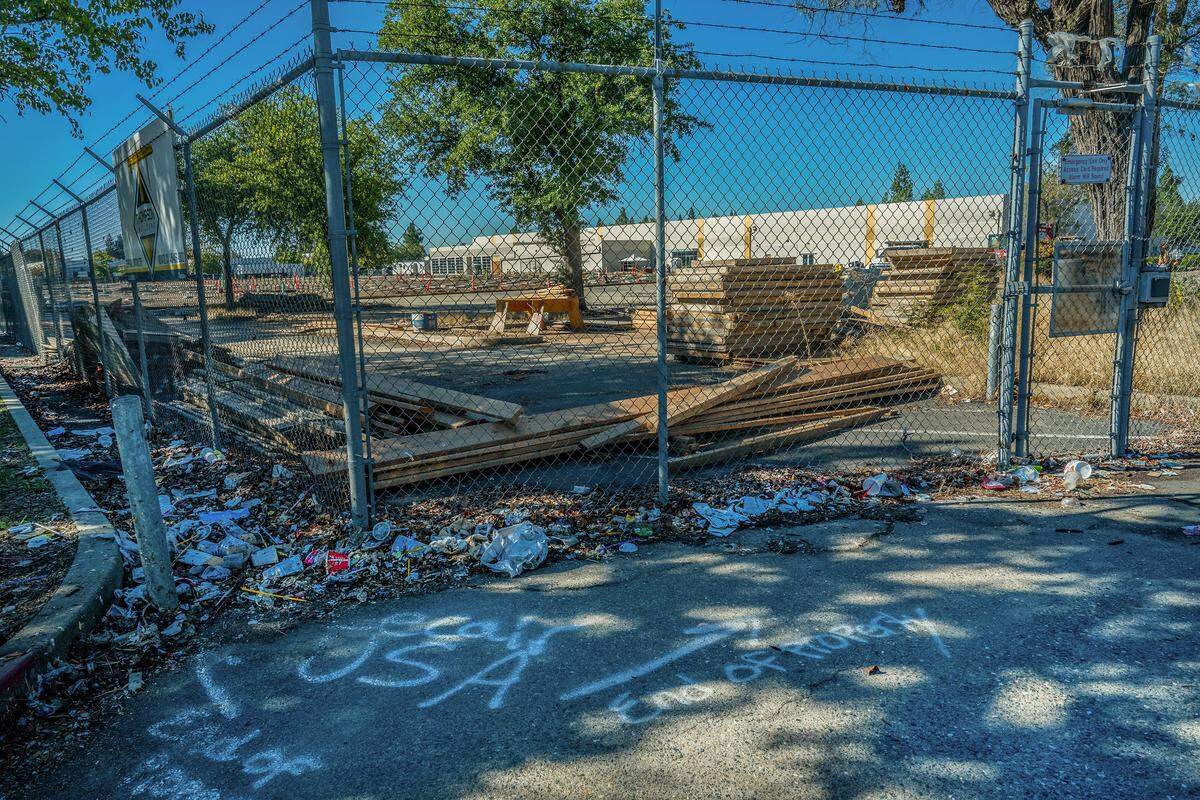
The county is paying $64 million to build a homeless shelter with 275 beds and 75 beds of weather respite. Included in that, the county in 2022 paid about $23 million for a property that had sold for about $12 million the previous year. The county primarily used federal American Rescue Plan Act funds, intended to help with the COVID pandemic. The county bought it in 2022, and it’s set to open early next year.
A bottom line: Total costs, building and land, are $87 million.
Alternatives, solutions
Experts ask, can we look beyond shelters, are there better ways?
Several experts said that helping the homeless with rent would provide a better and less expensive way off the street. A 2023 UCSF study found 70% of homeless Californians believed that a rental subsidy of just $300 to $500 a month would have prevented their homelessness for a sustained period.
A bottom line: Rental assistance for good housing already available may be a less expensive and effective way than building more shelters.