District in crisis: Sacramento City School board reviews fiscal insolvency risk
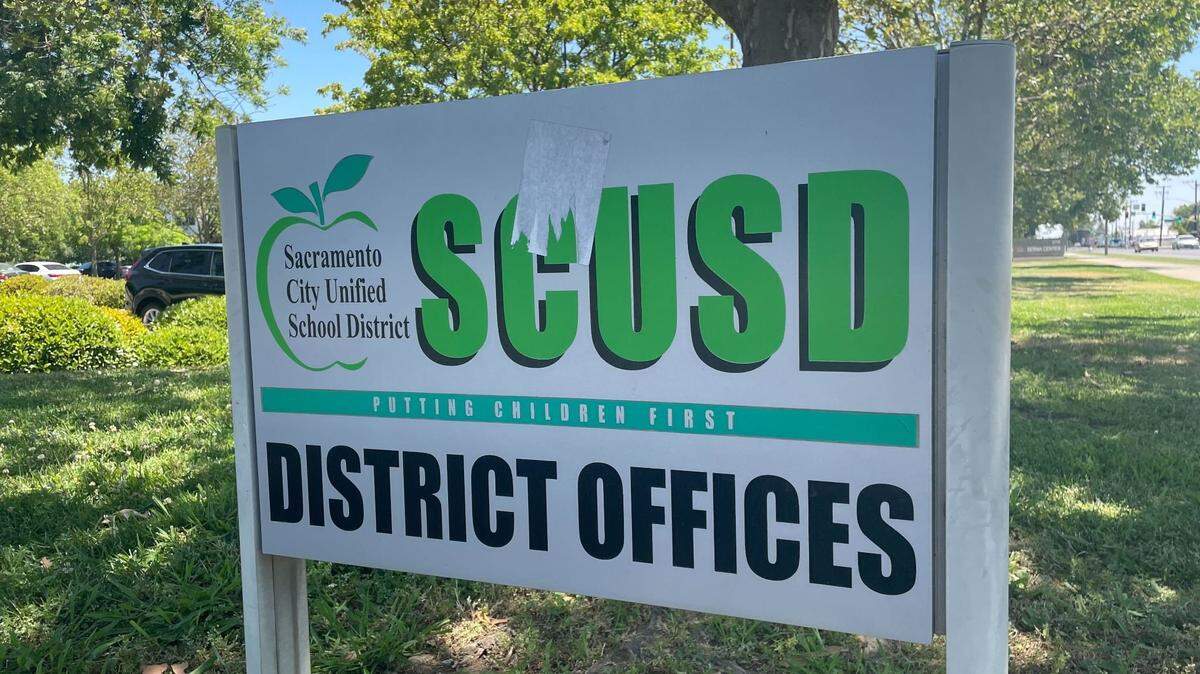
The chief executive officer of California’s Fiscal Crisis and Management Assistance Team declared the Sacramento City Unified School District to be in a “crisis.”
Michael Fine, who assessed the district’s $125 million budget shortfall, leads the team that determined the district was at risk of financial insolvency and state takeover.
“It’s been a district in crisis for too long, suffering as a result,” Fine said. The crisis...manifests itself in fiscal matters, but it’s a crisis of leadership, and it’s a crisis of integrity.”
During a somber Thursday board meeting, the trustees reviewed the report from FCMAT, and what they must do to prevent fiscal insolvency. The district finds itself in a larger deficit than previously projected, facing a $125 million shortfall ahead of the 2027-28 school year.
Through a motion made by former board President Jasjit Singh, the board delayed their discussion of adjustments to the district’s previous fiscal solvency plan from 2025-26. Singh, who is now a trustee after the board realigned its leadership, stated the item will be discussed in “the future.” The trustees certified an interim financial report.
Fiscal crisis report
In addition to the deficit, FCMAT’s report discusses issues with budget development and monitoring, deficit spending, leadership, unreliable projections and a lack of “proper controls and board authorizations of new positions.”
FCMAT found that the district had several “indicators of risk or potential insolvency,” including contracts that were unmonitored within special education, mismanagement of the current year’s general fund and mishandling of employee benefits and collective bargaining agreements, according to Fine’s presentation.
If the board of trustees cannot address budgetary troubles with a solvency plan, Sacramento County or the state will take over.
“You need to act quickly. Time’s of the essence,” Fine said. “We cannot overemphasize that every day that goes by in your current situation, will make the next day worse. There are difficult decisions to be made here.”
To prevent insolvency, FCMAT recommended the board do the following:
- Work with the district staff, the Sacramento County superintendent and a fiscal advisor.
- Continue to curb budgetary spending.
- Guarantee that all receivables and payables are recorded and that contracts are authorized.
- Use FCMAT’s fiscal health risk analysis to implement what needs to be improved within the district’s processes.
The FCMAT report recommended trustees undergo governance and budget training. The Sacramento County Office of Education will be hiring an advisor for the board, according to previous Bee reporting.
Singh said the board needs to act with more transparency and called the fiscal insolvency “a terrible place to be.”
“I want us to function like we actually function in our own checking accounts at home. If you have no money in your checking account, you cannot spend money,” Singh said. “You get an overdraft fee, and then probably are just in trouble, you know? And that’s how we need to function as a district.”
Other board members debated what group was also responsible for the financial problems. Board member Taylor Kayatta asked to dismiss the “public narrative” that the board is inattentive to its budget, saying the board is paying attention. He said challenges arose from a lack of support from staff.
Board member April Ybarra put blame on the district’s administrators, saying her concerns have fallen on deaf ears. She alleged that administrators have made “poor choices,” and urged the board to hold administrators accountable for their “poor decisions.”
“It is in your job description to go out and hear the community’s voices,” Ybarra told the district administrators, who sat in the back of the room. “That is how we know what our schools truly need, it’s letting the community drive those conversations.”
Administrators speak out
Administrators criticized the board during the meeting, saying the deficit results from mismanagement and unchecked expenditures.
Albert Einstein Middle School Principal Chase Tafoya said the district’s fiscal challenges are not unprecedented, but were foreshadowed by financial challenges in the past. For example, he said that back in 2017, fiscal and governance concerns were brought up but remained “unsolved.”
“The choices made here affect the livelihood of our staff, the stability of our schools, the trust of our families and educational experiences of our students,” Tafoya said.
The board announced in November that more than 50 administrative positions would be eliminated as a part of its fiscal solvency plan because of the school district’s shortfall. Additionally, the district decided to cut back on supplying funding. The previous budgetary shortfall was estimated to be $43 million.
Garrett Kirkland, the principal of Hiram Johnson High School, said as a result of the budget shortfall, he foresees administrators being stretched thin.
Kirkland also serves as president of the United Professional Educators, the union that represents the district’s administrators. He said the district’s current plan “attempts to balance the budget on the backs of administrators.”
“When leadership becomes challenged, then school sites become challenged” Kirkland said. “And so this is where we’re stuck right now. We are responsible to clean up all the messes that the board has created financially because people are going to be cut.”
This story was originally published December 18, 2025 at 10:28 PM.