Second death penalty trial begins for man who ambushed and killed Sacramento police rookie
Prosecutors on Wednesday began for the second time to lay out their case that the man who killed a rookie Sacramento police officer in a chaotic and bloody ambush in 2019 deserves the death penalty.
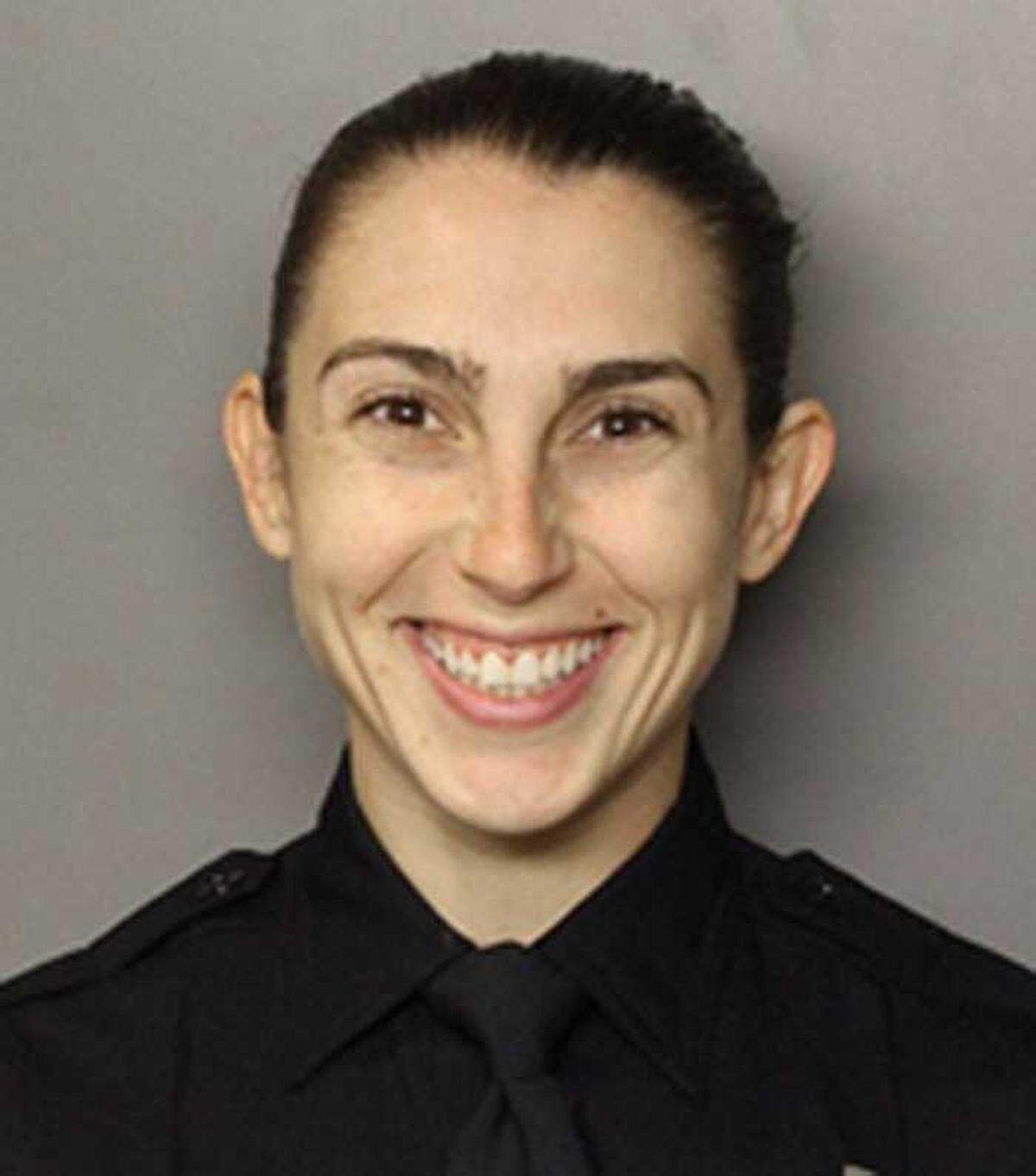
In a narrative that was a bit more polished than the first time around last fall, which ended in a hung jury, Deputy District Attorney Jeffrey Hightower said that Adel Ramos should be put to death for the ambush-style shooting of 26-year-old police rookie Tara O’Sullivan.
“There are a lot of folks who have waited a long time to tell you Tara’s story,” Hightower said in opening statements Wednesday to the newly impaneled jury of nine men and three women in Sacramento Superior Court.
His voice rising to a dramatic pitch that contrasted with the understated style he had used during the first trial, Hightower spoke about O’Sullivan’s childhood, and said that a family member’s experience with domestic abuse led her to a insist on helping Ramos’ girlfriend retrieve her belongings from the Del Paso Heights home where Ramos was holed up.
As O’Sullivan’s family and police officers including Sacramento Police Chief Kathy Lester looked on, Hightower began to build a case that Ramos had planned the shootout in which he killed O’Sullivan and wounded other officers before engaging in a terrifying hourslong standoff.
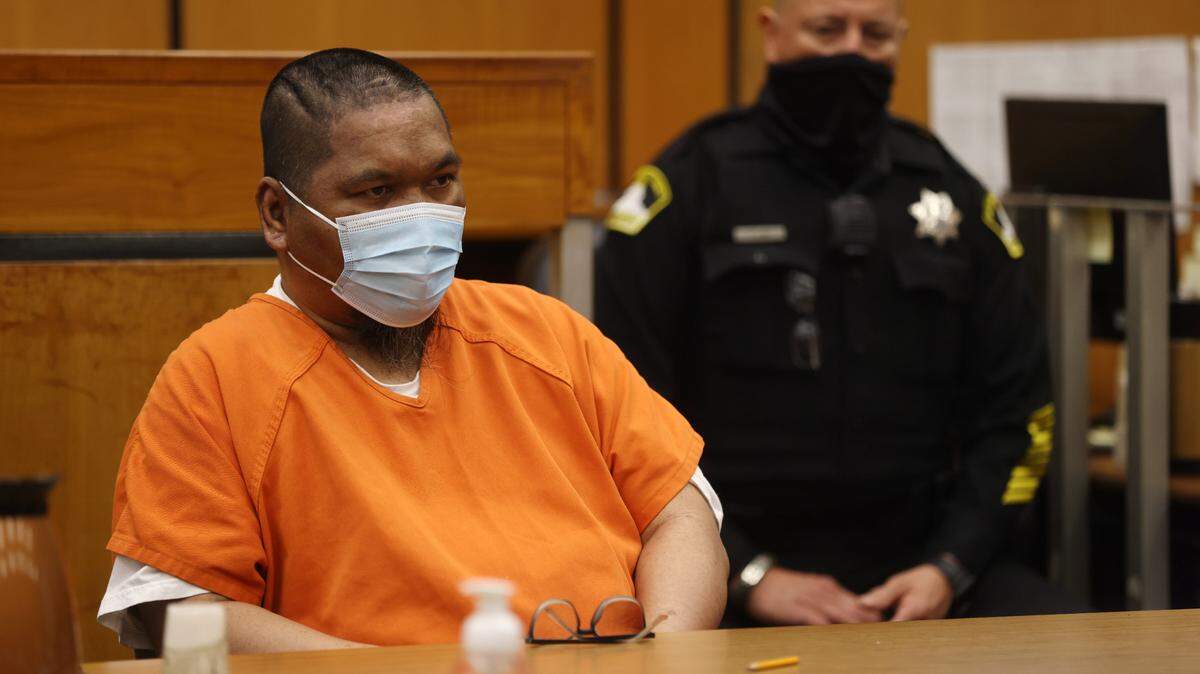
Ramos, 51, sat at the defense table wearing an orange jail jumpsuit and bouncing his left leg up and down, much as he had during the first trial. He pleaded guilty to murder and other charges, and his lawyers said he took responsibility for crimes that he admitted were horrendous.
But defense attorney Jan Karowsky in his opening statement said that Ramos’ brutal, impoverished childhood in the Philippines left him with ongoing trauma and mental health issues that should be considered as mitigating factors when jurors consider imposing capital punishment.
He also told a more nuanced and narrative story of Ramos’ early life than during opening statements in the first trial, displaying a picture of Ramos’ parents at their wedding and listing family members by name to humanize their stories.
Karowsky detailed drinking and abuse at the hands of Ramos’ father and an uncle. He went on to describe a bloody scene in which the family, hungry from not having any dinner, heard a commotion and went downstairs to find that a different uncle had stabbed Ramos’ father. The nearly 6-year-old Adel had tried to staunch the bleeding with his own small hands, he said.
After the first jury deadlocked in November, Superior Court Judge James Arguelles declared a mistrial. Sacramento County District Attorney Thien Ho decided to again seek capital punishment against Ramos, triggering a new penalty trial.
California has not carried out an execution since 2006, and has had a moratorium on carrying them out since 2019, but the death sentence remains on the books, and prosecutors continue to seek it. The process adds about $72 million a year to the cost of criminal justice proceedings in the state, and has swelled the ranks of condemned inmates to about 600.
During jury selection, which began last week, Arguelles asked potential jurors whether they felt they could impose the death penalty if warranted. He separately asked if they could instead, if the evidence supported it, impose a sentence of life without parole.
During the first trial, the jury of seven women and five men said they could not reach a unanimous verdict because one juror disagreed with the rest that Ramos should be put to death. Sentencing Ramos to life in prison without parole was also an option — several from the original jury in attendance Wednesday said they could not reach a unanimous verdict on that option either.
That proceeding included powerful and emotional testimony from O’Sullivan’s family and colleagues. Hightower directed O’Sullivan’s grieving mother to describe and recall her daughter, going back to the day that Tara was born.
Also testifying in the first trial was O’Sullivan’s partner and training officer, Daniel Chipp, who left the Police Department after her murder. In emotional testimony, Chipp pointed to the jury and said it was their job to put Ramos to death — testimony that Arguelles instructed jurors to ignore.
After the first trial ended, several jurors wept and said at the time that they felt they had failed O’Sullivan’s family. The trial was so emotional and traumatic and Hightower urged jurors to see a therapist to help process the upsetting images they had seen and the testimony they had heard.
Testimony will continue Thursday in the penalty trial, which is expected to last more than a week before the jury deliberates Ramos’ fate.
This story was originally published March 5, 2025 at 2:07 PM.