
Placer County isn’t building enough affordable housing. Why that’s bad news for the economy
Check out more our stories in the Tipping Point series. Click here.
• • •
Like many counties in the state, Placer struggled to create a balanced housing environment over the past eight years, new data show, and now finds itself struggling with a deficit of housing units for low-wage workers who are key to the foothill county’s growing economy.
A popular relocation locale for Bay Area and Sacramento workers and retirees, Placer was among the fastest growing California counties over the past decade. But 84% of the housing built in Placer since 2013 has been aimed at people of above average income. Of the many thousands of housing units built in the last eight years, only 468 affordable units were built.
That’s just 14% of what state housing officials say the county should have constructed.
The county isn’t legally on the hook if those state housing quotas aren’t met; it’s only required to create a path for developers to build that many units, via zoning enough lots for housing.
But as housing becomes more expensive and commutes get longer, some community representatives say the county has hit a critical moment that will require a major effort by county leaders – as well as an attitude readjustment by the public – to avoid squeezing out the next generation of workers, including teachers, restaurant workers, caregivers for the elderly and others in service industries.
Shawna Purvines, deputy director of the county’s community development resource agency, said the county has made it a priority to encourage a greater variety of housing in the last four years, initiating multiple projects that have come to fruition during the pandemic.
“Our employers need to be able to house someone . . . That affects the county itself,” she said. “When it’s really snowing our buses can’t get around because our own bus drivers that work for the county can’t live near where they work, so they have to drive in and if the roads are closed they can’t get in so the buses are down. It hits home.”
There are signs of progress: in 2020, the county built more affordable units than the previous seven years combined.
In the midst of the pandemic last July, the county signed a lease with Mercy Housing to allow the development company to construct 78 affordable housing multi-family rental units on the Placer County Government Center site on First Street in North Auburn.
Purvines said the project is one way the county is putting skin in the game by incorporating affordable housing on its own government campus. To make it happen, the county partnered with Mercy Housing and leased the land to them for $1 per year for the next 99 years.
Twenty units will be rented thru referrals from the County Behavioral Health, according to Mercy Housing. The other 58 units will be available to the general public to apply to Mercy Housing starting later this summer. The process for this will be publicized in the coming weeks.
The project is expected to have occupancy by the fall, Purvines said.
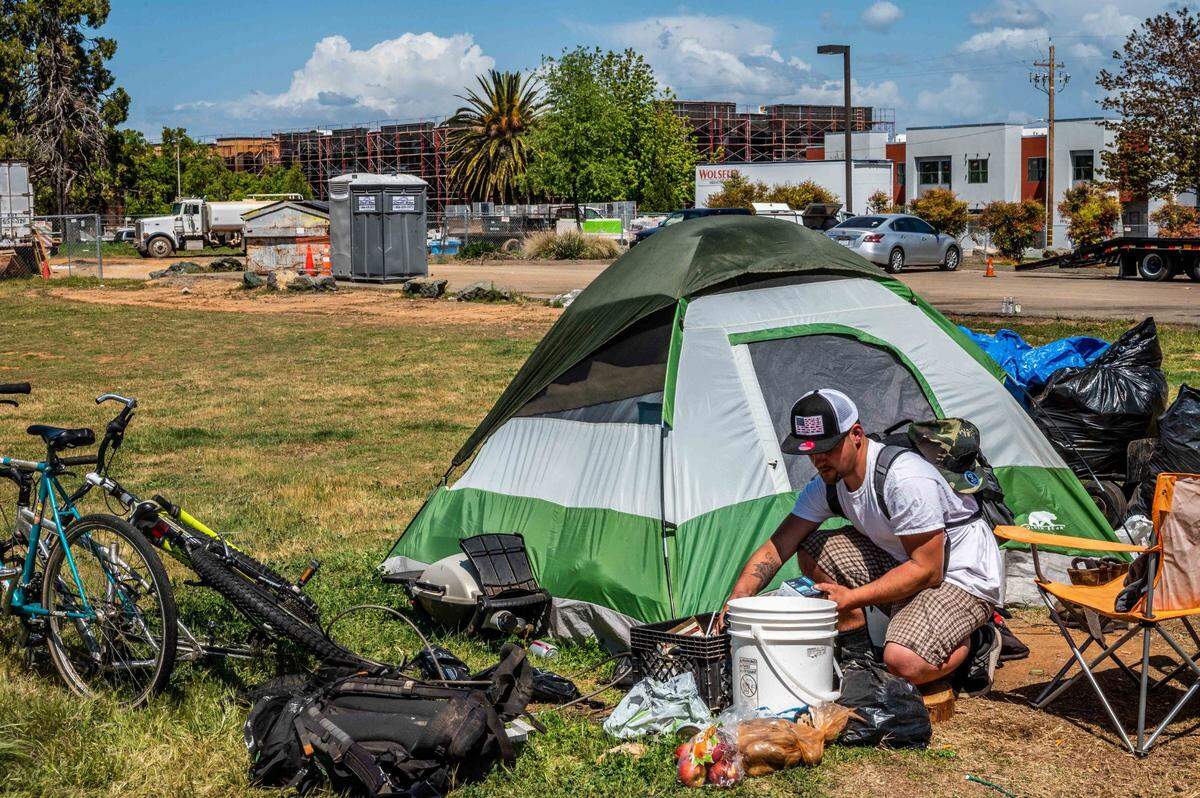
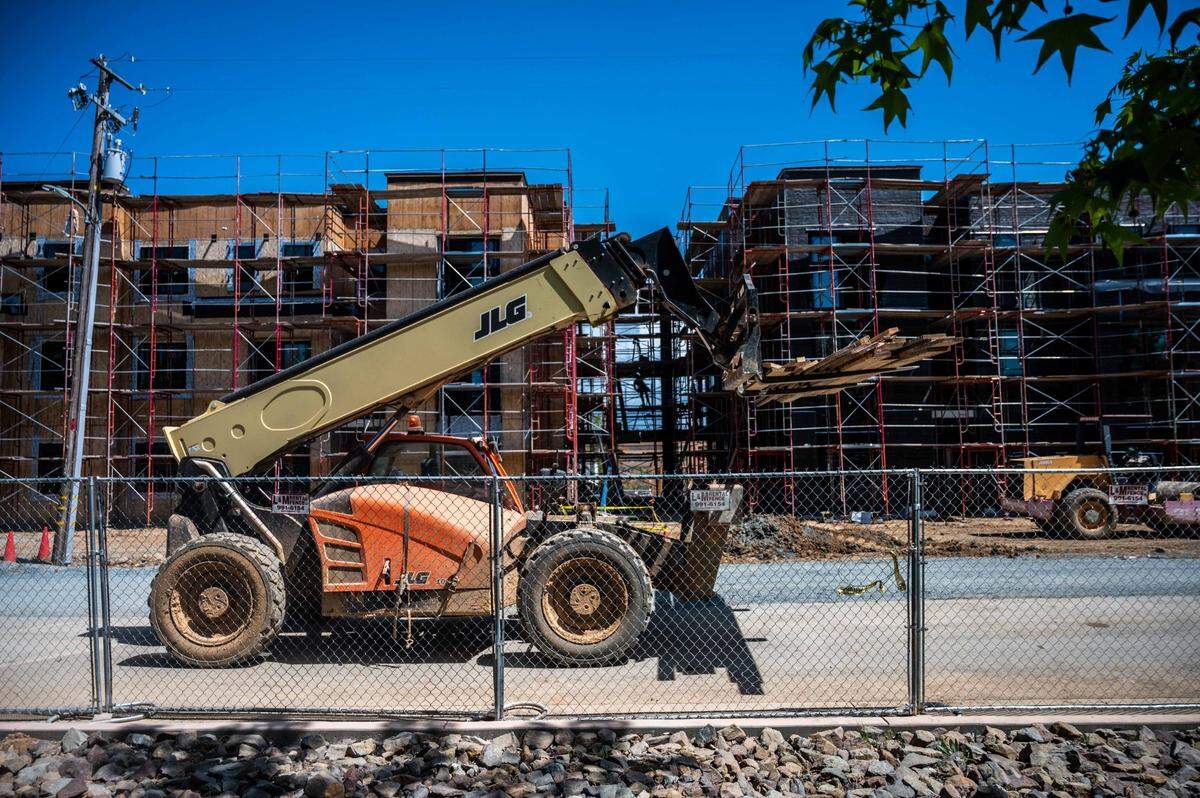
In the Tahoe area, where housing is in especially high demand, Meadow View Place housing broke ground on 56 affordable units just outside of Truckee. Notably, the Truckee area has some of the highest home prices in Placer County and in the greater Sacramento region.
Workforce housing needed
The affordable housing units there are critically important to house service industry workers the regional tourist attractions.
And to add to the mix of housing, the county is also making it easier for homeowners to add “accessory dwelling units” on their property. Whereas in Sacramento, accessory dwelling units often are small garages converted to studio apartments, in Placer the average ADU size is 1,200 square feet and can range from an attached apartment in Roseville to a detached home on larger properties in unincorporated parts of the county.
Purvines said applications for residential permits for accessory units or second residential units skyrocketed last year, with over 100 submitted. Of those, 57 permits were approved and 25 finished construction by the end of the year. She said 2021 is already on pace to be another big year for accessory homes.
“In 2020, we had a pandemic and that pandemic started to really drive people’s interest because they had kids coming home or seniors and parents that needed to relocate or be closer to family.”
That said, these efforts are small, given the expected need for lower-cost housing in Placer in the coming years to keep the county from being completely unaffordable to lower-income earners.
The median price of a home in Placer County jumped 21% between March 2020 and March 2021, topping $600,000, Sacramento region data analyst Ryan Lundquist reports.
What must be done
Veronica Blake, chief executive with the Placer Community Foundation, is one of several Placer leaders who say a lack of affordable housing is one on the county’s most troublesome Achilles’ heels.
She and other affordable housing advocates say the county should get rid of fees developers pay into a housing fund and instead require builders to construct affordable housing units as part of major subdivisions and housing projects. The county also should dedicate more of its infrastructure funds towards constructing utilities and roads to directly serve affordable housing sites, she said.
The county should also consider using more surplus government land, including land owned by school districts, as affordable housing sites, much like the Mercy project at the county government campus in Auburn.
“There is quite a bit that has to be done,” Blake said. That includes leadership efforts to encourage residents to realize that affordable workforce housing in their neighborhoods contributes to health for the economy, and for the next generation of Placer residents.
“We have to stop opposing affordable housing projects,” she said. “It needs to fit seamlessly in the community.”
Purvines said the housing crunch is especially felt in the Tahoe area where permanent residents who work there are hard pressed to find homes they can afford.
“It’s not that we don’t have the inventory, we’ve got 15,000 homes and there’s only 12,000 people who are actually living there, so we clearly have the units but it’s just that most of them are being used as second homes,” she said.
“We know that in 2017, 2018 and in 2019, when we go back and look at the real estate rolls of what sold, only 6% of homes that sold up there during that time period went to somebody who worked there. That meant 94% of all other homes went to someone who doesn’t work there,” Purvines added. “That’s our biggest challenge.”
To begin to address this need, Placer County purchased 11 acres near Tahoe City where it plans to break ground for high-density workforce housing.
“So it is a priority, it is a priority to have that mix of housing types,” Purvines said. “It is a priority to support economic development through housing and housing infrastructure. That’s how we look at it. Just like you need roads, and water, and sewer, you need housing to balance your economy.”
This story was originally published April 15, 2021 at 5:00 AM.