
Will the Sacramento homeless crisis get better? Three things to watch | Opinion
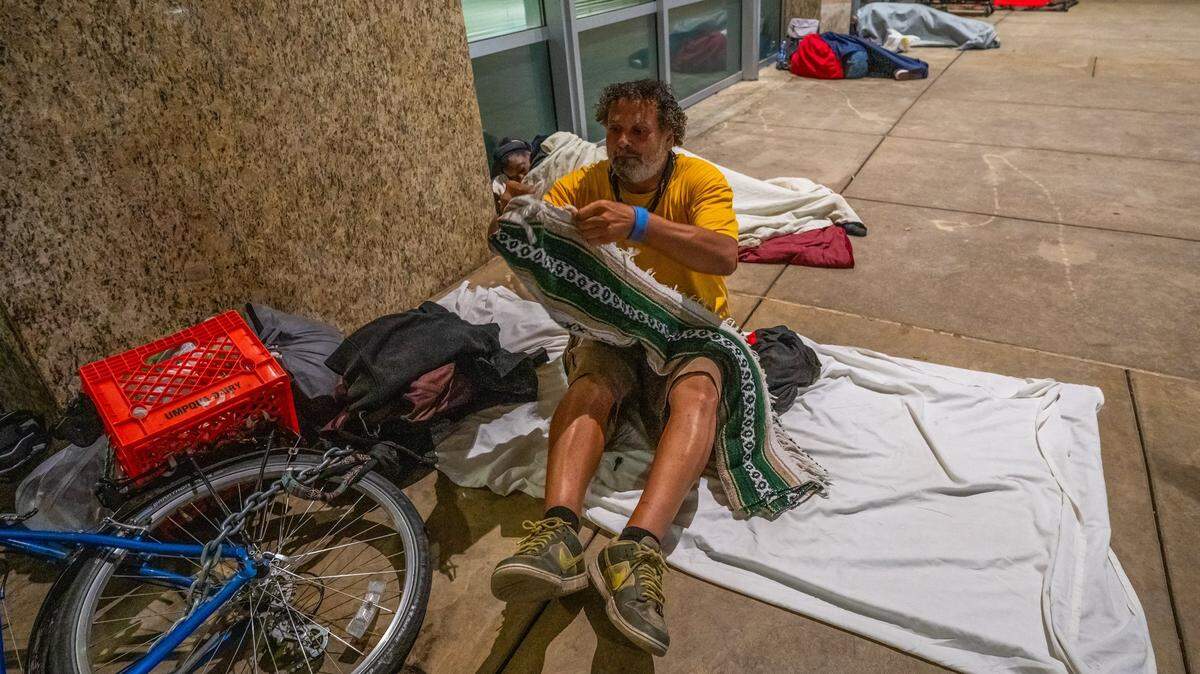
The next time Sacramento County officially counts the number of homeless on the streets, City Councilmember Lisa Kaplan has a prediction.
“We all know it’s going to go up,” she told fellow council members last Tuesday. “We don’t have enough beds. We don’t have enough space.”
As a recent fight over an attempt to regionalize homeless governance demonstrated, we don’t have local leaders who are remotely unified on how to start breaking this cycle of dislocation and despair.
But there are signs of change, perhaps quite positive change, on the horizon when it comes to our local governments attempting to manage homelessness in a more unified, effective way. Here are three different things to watch in the coming months that may help swing the homeless pendulum in one direction or another.
A closer look at affordable housing
California’s lack of affordable housing is widely regarded as a major driver of homelessness, and the local lead on managing and expanding this housing is the Sacramento Housing and Redevelopment Agency. SHRA is one of the strangest creatures in local governments, for its two bosses - the Sacramento County Board of Supervisors and the Sacramento City Council - never meet together to discuss their shared problem.
SHRA’s governance is a recipe for dysfunction, and while the city council seemed disinterested in confronting this problem, credit goes to the county and Supervisor Patrick Kennedy in particular to putting SHRA under the microscope.
Searching how to strengthen oversight of SHRA, supervisors on Tuesday are scheduled to decide whether to hire some outside experts to see how well SHRA is financing more than 11,000 affordable housing units in the area and the rest of its complex job.
State Senator Angelique Ashby, D-Sacramento, recently pushed legislation to expand SHRA into county-wide manager of both homeless and housing efforts, an effort that is now tabled. Her bill irked supervisors like Patrick Hume who are openly wondering how well SHRA is doing its job, calling the legislation “the cart before the horse.”
If the City Council puts the same energy into examining SHRA as the supervisors, oversight of this vital agency could be comprehensively improved.
Kevin McCarty’s tiny homes
Sacramento’s new mayor is attempting to make a pivot on how the city (largely with state funds) invests in sheltering the homeless, currently about 2,000 beds on any given night. McCarty wants fewer of the large, institutional shelters and villages of individual “tiny homes” instead.
On paper, tiny homes are cheaper than the larger shelters. But can Sacramento really find where to locate these homeless villages and withstand the inevitable neighborhood opposition?
On Sept. 16, or what McCarty refers to as “916 Day,” the mayor plans a “comprehensive discussion on homelessness as it relates to housing and what to do going forward.” His first major council huddle on homelessness was last May. Some initial progress is happening on the tiny home front.
An effort under McCarty’s predecessor, Darrell Steinberg, for council members to find homeless shelter sites in each of their districts ended in abject failure. The council is far better at banning homeless people from sleeping at places such as City Hall, based on a decision last Tuesday, than where it should be permitted. This indecision is a form of political paralysis, and it has resulted in Sacramento homelessness being largely unmanaged. The September meeting should reveal whether progress is perhaps around the corner.
Finally, a homeless summit
County supervisors and the Sacramento City Council haven’t held a joint meeting since the beginning of the Steinberg mayoral tenure back in 2017. The silence barrier is about to be broken.
On Oct. 28, the two governing bodies will hold this long-awaited meeting about homeless management, along with representatives from Folsom, Citrus Heights, Rancho Cordova, Elk Grove, Galt and Isleton.
It’s about time. And some credit deservedly goes to Ashby. She may have had the wrong idea in trying to mandate local collaboration on homelessness through legislation. But the threat of legislation seems to have helped to motivate pledges to hold more.
All these elected officials around the same table is undoubtedly going to lead to some initial platitudes. But there’s some serious challenges to candidly discuss. All these cities depend on the county to provide the mental health and substance abuse treatment services for those homeless desperately needing care, and many not getting it.
The supervisors have made their hard jobs even harder by governing in a silo and not seeking a true partnership with the cities that depend on them. A single meeting in October won’t turn the tide. But it’s a start.
From the outside, it may look like nobody inside government is trying anything new to address the homeless crisis. That’s not the case. In these three different ways, local leaders are trying to change for the better. Homelessness is the most wicked of problems to confront, given how there are not enough affordable places to live or money to shelter every soul on the streets. But we can do better. There’s no choice but to make the most of dollars available and the organizations we put in charge.
This story was originally published August 5, 2025 at 5:00 AM.