
The Bee is suing Sacramento for police records. Why is the city breaking transparency laws?
The City of Sacramento apparently needs to be reminded in court that following the law and being transparent are the bare minimum responsibilities of a government.
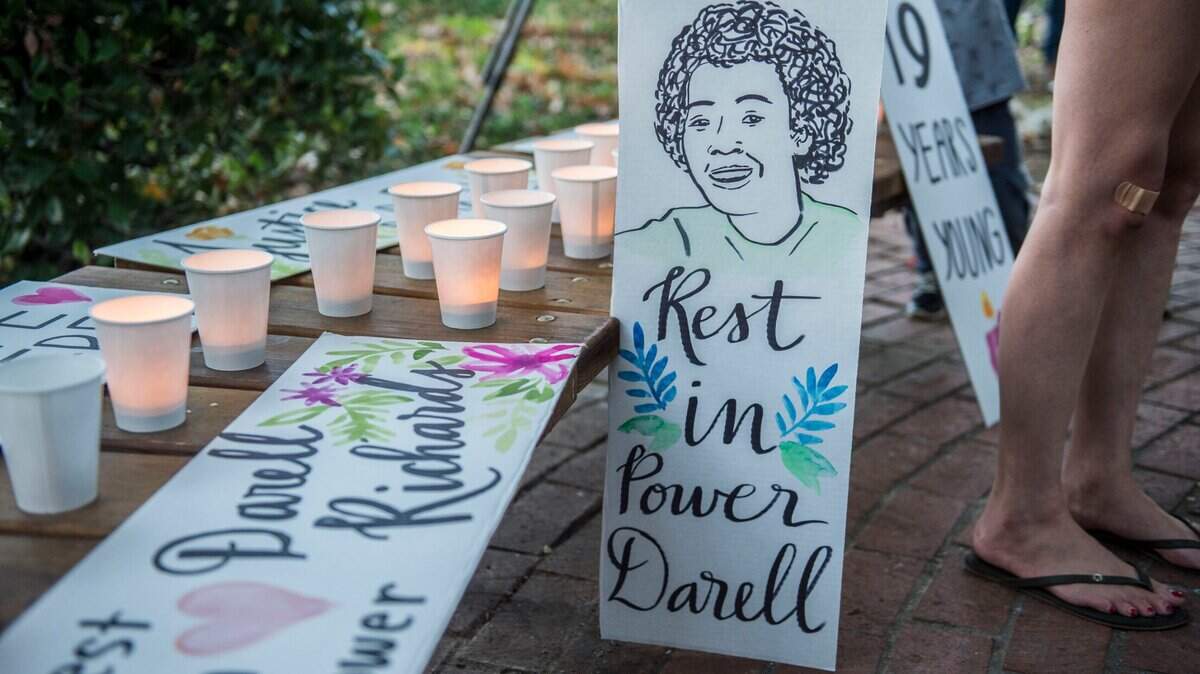
The city is skirting multiple California laws and withholding hundreds of documents that would illuminate what happened when police officers killed 19-year-old Darell Richards nearly three years ago. Police accounts have conflicted with video footage and audio files, raising questions about the deadly tactics used on a teenager who was allegedly suffering from mental health issues.
The Sacramento Bee is now suing the city to obtain the unreleased records. The lawsuit claims that the city has failed to comply with the Right to Know Act, a state law that requires police to release records after deadly use-of-force incidents. Since Sacramento only released partial records, The Bee filed a California Public Records Act request on Sept. 25, 2020, but the city is still withholding more than 600 pages from a vital June report.
“That report contains statements from witnesses and relatives, officer observations, detective follow-up, forensic diagrams, autopsy findings, and a February 2020 memo from the Sacramento County District Attorney’s Office,” The Bee’s Theresa Clift reported.
On Sept. 5, 2018, emergency dispatchers received a call about a masked man pointing a gun at people along Broadway near Tower Cafe. Over three hours later, following a SWAT search, police found Richards hiding under the stairwell of a Curtis Park home. He possessed a pellet gun that resembled a 9 mm handgun and a knife. A hail of gunfire from two officers struck Richards seven times. He died at the scene.
The Sacramento Police Department said Richards pointed the pellet gun at the officers, but the video footage didn’t back up that claim. One officer didn’t have his body camera on. Police also told Tim Foster, who lives at the home Richards was shot at, that it was clear suicide by cop based on a note in Richards’ backpack. It turned out it was Richards’ homework.
Naturally, Richards’ family is still seeking answers and filed a federal lawsuit against the city.
“There have been conflicting stories about the officer-involved shooting of Darell Richards,” The Bee’s attorney Karl Olson said. “The public needs answers about what happened. The city’s long delays in disclosing records, which clearly should have been made public a long time ago, left The Bee no choice but to sue.”
What is the city trying to hide?
Sacramento fancies itself as a leader on police reforms, responsive to a community rocked by the deaths of Richards and Stephon Clark. Withholding records after police fatally shot a Black teenager sends a far different message.
The city is eager to promote the police department’s anti-bias virtual reality training, its slate of recent police reforms and its new inspector general. Yet when it comes to honesty and transparency after the death of a young Black man, it’s clear that our police department hasn’t changed much at all.
Policy changes are crucial for lasting police reforms. But if a city doesn’t comply with transparency laws and accept accountability, why should the public trust that these new policies will actually create change?
The Sacramento City Council must direct City Manager Howard Chan to immediately turn over the remaining records in the Darell Richards case and comply with the multiple laws the city is openly violating. If Sacramento is serious about police reform, transparency and accountability are paramount.
It shouldn’t take a lawsuit to get the truth. Clearly, Sacramento has a long way to go to change the culture of a government that tries to avoid accountability, and a police department with a history of killing Black men who should still be alive.