
Is the new Sacramento city-county homeless agreement a ‘game-changer’? It needs to be
Potentially, it’s great news that the city and county of Sacramento have agreed to a new legal framework on how to address our homelessness crisis.
All the ghosts of failures past are sitting on that word “potentially.”
But it’s a positive step that the county, which has both the money and the authority to make a difference, has agreed to work with the city in this way.
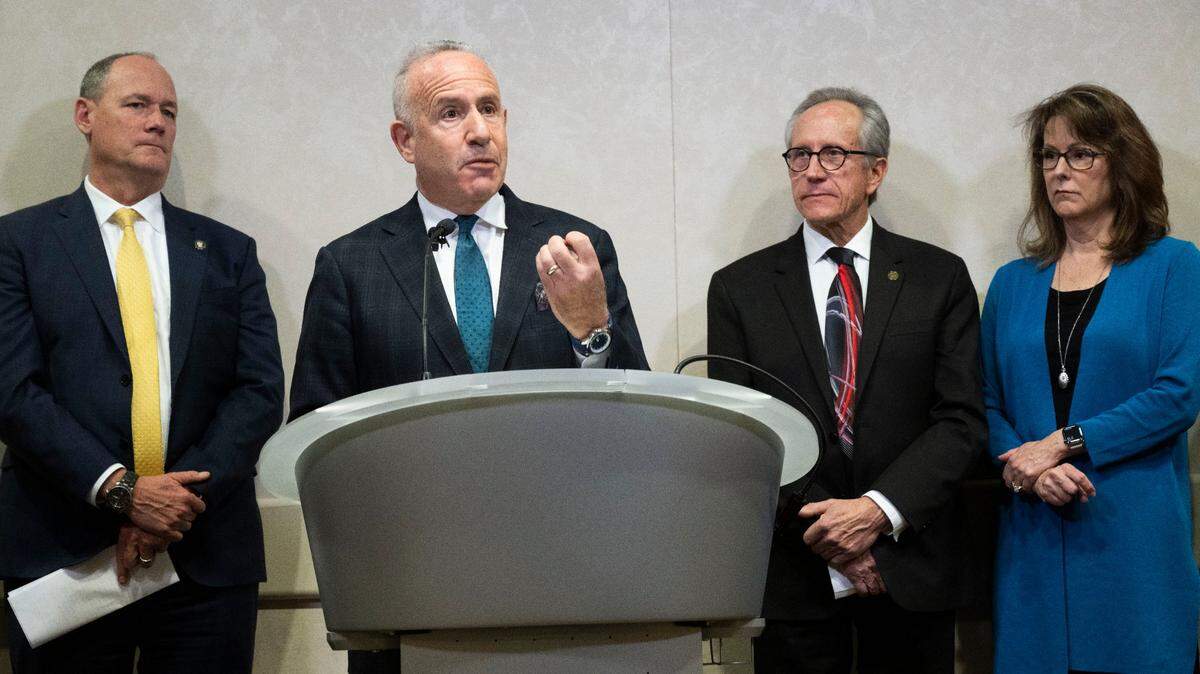
So we’re going to dare to hope that Mayor Darrell Steinberg will turn out to have been right in praising the county for “stepping up big time.”
Erin Johansen, the CEO of the non-profit HOPE Cooperative, likewise called the deal “a game-changer,” and that’s certainly what we need it to be.
What exactly will it change? Johansen sees it creating “a real equity of access; no longer do you need a secret handshake or golden ticket to access an available shelter bed.” That the county has agreed to support 10 outreach teams with county clinicians to increase access to treatment “is huge progress,” she said.
If the legally binding pact is approved as expected by the City Council and Board of Supervisors on Tuesday, it will commit the county and city to offering 200 more shelter beds and to building a desperately needed downtown behavioral health center.
Mental health and substance abuse outreach teams will also be required to visit 20 homeless encampments a month. They will start with those near Sutter Middle School and on Colfax Street in North Sacramento.
The agreement will allow Measure O to go into effect, which could mean more sweeps of homeless encampments. But the measure does not void the federal appeals court decision Martin v. Boise, which found that homeless people cannot be removed from publicly owned land if no shelter is available. The 2018 decision prohibits governments from punishing homeless people sleeping in public areas by relocating them “when those people have no home or other shelter to go to.”
Boise does not, however, mean that no restrictions are possible; the ruling allows officials to remove homeless camps near “critical infrastructure” such as levees.
The 600 shelter beds written into the new agreement include roughly 400 that the county had already approved. Just 200 more is far too few given the estimated 9,300 people who are homeless on any given night. Right now, the county offers about 1,300 shelter beds and the city about 1,100. All are usually taken.
The agreement obligates the county to operate a new 200-bed new shelter within Sacramento’s limits if the city provides a “shovel-ready site.” The county is also expected at some point add 500 more residential substance abuse treatment beds.
Here’s a provision that is a genuinely big deal: The behavioral health outreach teams will be able to assess people and then drive them to same-day appointments with psychiatrists who can prescribe medications right away.
None of the above has happened before, Steinberg said in an interview, because nothing in the law or policies required it to happen. Now, he says, “we’re legally accountable to one another, legally accountable to the people suffering, legally accountable to the larger public.”
This agreement creates a model, as he sees it, for a right to care. It creates “a legal standard that requires them to do whatever it takes — mental health services, substance abuse services, housing services, child welfare services, food assistance. … It’s their obligation to figure out the money.” With more services available, the mayor said, “we’ll be able to move people through more quickly.”
Siting issues, including neighborhood opposition to shelters and the price-gouging of the city and county by property owners, won’t just melt away. Neither will a severe shortage of behavioral health workers. We know that.
But in obligating themselves to attack the problem instead of attacking the people, city and county officials deserve our support. And in inviting us to hold them to it, they will also deserve the accountability they’re promising.
BEHIND THE STORY
MOREWhat are editorials, and who writes them?
Editorials represent the collective opinion of The Sacramento Bee Editorial Board.
They do not reflect the individual opinions of board members or the views of Bee reporters in the news section. Bee reporters do not participate in editorial board deliberations or weigh in on board decisions. The same rules apply to our sister publications, The Modesto Bee, Fresno Bee, Merced Sun-Star and San Luis Obispo Tribune.
In Sacramento, our board includes Bee Executive Editor Colleen McCain Nelson, McClatchy California Opinion Editor Marcos Breton, opinion writers Robin Epley, Tom Philp, LeBron Antonio Hill and op-ed editor Hannah Holzer.
In Fresno and Merced, the board includes Central Valley Executive Editor Don Blount, Senior Editor Christopher Kirkpatrick, Opinion Editor Juan Esparza Loera, and opinion writer Tad Weber.
In Modesto, the board includes Senior Editor Carlos Virgen and in San Luis Obispo, it includes Opinion Editor Stephanie Finucane.
We base our opinions on reporting by our colleagues in the news section, and our own reporting and interviews. Our members attend public meetings, call people and follow-up on story ideas from readers just as news reporters do. Unlike objective reporters, we share our judgments and state clearly what we think should happen based on our knowledge.
Read more by clicking the arrow in the upper right.
Tell us what you think
You may or may not agree with our perspective. We believe disagreement is healthy and necessary for a functioning democracy. If you would like to share your own views on events important to the Sacramento region, you may write a letter to the editor (150 words or less) using this form, or email an op-ed (650-750 words) to opinion@sacbee.com. Due to a high volume of submissions, we are not able to publish everything we receive.
Support The Sacramento Bee
These conversations are important for our community. Keep the conversation going by supporting The Sacramento Bee. Subscribe here.