Phones are expensive, and most people don’t want to pay the full cost upfront if they don’t have to. That’s why buy now, pay later phone options have gotten so popular. They can make a new phone feel a lot more manageable by breaking the price into smaller payments.
Laptops attract the same offers at higher prices, and financing a laptop the same way brings lease-to-own into the mix.
But here’s the catch:
BNPL providers—and their plans—can vary a lot.
Some are easy and straightforward. Others come with fees, credit requirements, or terms that only look good at first glance.
If you’re thinking about financing a phone, it helps to know which companies offer these plans, what services are out there, and what to watch for before you sign up.
Key Takeaways
- BNPL isn’t One-Size-Fits-All: Phone payment options vary a lot, so it’s smart to compare buy now, pay later terms before you commit.
- Small Payments Can Still Add Up: A lower monthly bill may look great, but the total cost matters just as much.
- Fees Deserve A Close Look: Late charges, interest, and other extra costs can turn a decent deal into an expensive one.
- Trade-Ins Can Help Lower Costs: Your current phone might reduce the amount you need to finance, which can make payments easier.
- The Best Plan Fits Your Budget: The right option is the one you can manage comfortably without stretching your finances too thin.
Who Offers BNPL for Phones?
The short answer is: quite a few types of businesses do. When I shop for cell phones, I usually see payment offers from three main places.
Wireless Carriers
Phone carriers often let shoppers spread out the price of a device over time. These are usually tied to service, so the phone payment gets bundled into your bill. That can feel easy because there’s one place to manage everything. Still, I always read the details carefully. A carrier deal may depend on staying with that company for a set time. Or you could always go with a company like Sezzle that launched a mobile plan.
Retailers and Electronics Stores
Big-box stores, online retailers, and electronics chains may also offer flexible payment plans at checkout. In my experience, this is where you’ll often see outside financing partners pop up. It can be convenient, especially if I want to compare brands in one place instead of shopping through a single carrier.
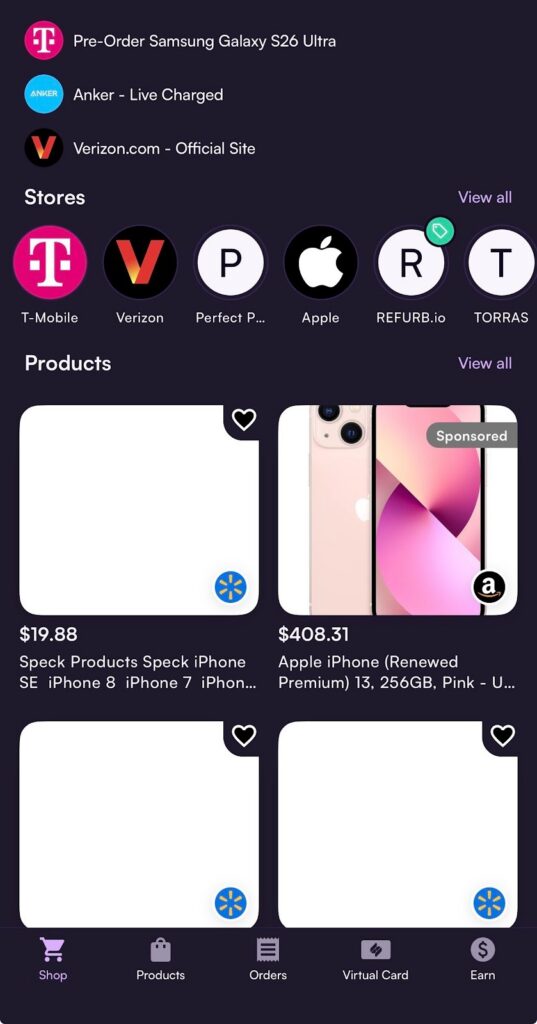
Third-Party Financing Services
Some people use third-party payment services to split the cost of a phone into smaller payments. These options can be convenient at checkout, but the terms can vary quite a bit. Some are simple and easy to manage, while others may come with extra fees or charge more if you miss a payment.
What Services Are Usually Available?
Not every plan works the same way, and that’s where people get tripped up. I’ve learned that the label sounds simple, but the structure behind it can be very different.
Some plans break the cost into a few equal installments over a short period. Others stretch the balance out longer with low monthly payments. That sounds great at first, but I always remind myself that smaller payments can mean I’m committed for longer.
You may also see lease-style offers, store financing, or installment agreements tied to your wireless account. In some cases, approval depends on having valid credit. In others, the process is more relaxed and designed for shoppers who want instant access to a phone without a long application.
That said, not all applicants will qualify for every plan. Approval rules depend on the provider, the cost of the phone, and the shopper’s financial profile. I’ve seen people assume every offer works the same way, and that’s usually where frustration starts.
What I Look at Before Choosing a Plan
Buying a new phone is exciting, and—while easier said than done—I think it’s important to slow down and crunch the numbers before making a purchase.
Here’s my personal checklist:
- The total cost over time
- The payment schedule
- Late payment rules
- Whether the offer works for bad credit
- What happens if I want to pay early
- Whether there’s a required credit check
I also look at how the first payment is handled. Some services want payment up front. Others may ask for a debit card on file before the order is complete. That part matters because the plan that looks easiest on the product page may feel less easy once the checkout screen starts asking for money right away.
The BNPL Services You’ll Usually See at Phone Checkout
If you’re buying a phone online, the Buy Now, Pay Later names you’re most likely to run into are Affirm, Klarna, Zip, PayPal Pay Later, and sometimes Sezzle, depending on the retailer. A lot of phone sellers also push their own financing or carrier installment plans, so the exact mix can change from site to site.
- Affirm: One of the more common options for phones and other electronics, especially on bigger purchases.
- Klarna: Often shows up as a pay-in-4 option on retail sites, including Samsung.
- Zip: A name people often see on major electronics checkout pages like Best Buy.
- PayPal Pay Later: Common when a store already offers PayPal at checkout, with options like Pay in 4 or longer monthly plans.
- Sezzle: You may not see it built into every major phone checkout page, but it’s still a real option for phones through participating stores and Sezzle’s app or virtual card.
Personally, Sezzle is my favorite of the bunch. It’s simple, easy to manage, and the virtual card process makes it easy to buy online or in-store.
Trade-Ins, Upgrades, and Other Details
A lot of people forget to think about trade-ins when they’re financing a phone. If I’m replacing an old phone, I always check whether that device can reduce the total price. A trade-in won’t always be a huge discount, but it can make the payments much more manageable.
It’s also worth checking the upgrade rules. Some plans work fine if you keep the phone until it’s paid off. Others are clearly designed to get you upgrading again sooner. That can be tempting, but it can also leave you stuck in a cycle where you’re always paying for the next phone before you’ve finished paying off the last one.
Where Costs Can Sneak Up on You
This is one part I always pay attention to. A financing plan can be helpful, but it can also end up costing more than you expected if you don’t read the details.
The main thing I look at is interest. Some BNPL offers are pretty straightforward, especially if you pay on time. Others can make the phone a lot more expensive than it looked at first.
I also check for extra fees, late penalties, and what happens if a payment doesn’t go through. Even a decent offer can turn into a headache when the rules are strict. That’s why I always read the fine print, even when the deal sounds great.
A Few Green Flags I Like to See
Here are the green flags I look for before choosing a provider:
- Clear payment dates
- Easy-to-find fee information
- Straight answers about approval
- No confusing legal maze at checkout
- A simple way to contact support
I also like seeing transparent disclosures around banking or account relationships. For example, some financial products mention terms like member FDIC, but I don’t treat that as a magic stamp that makes every financing offer great. It’s just one detail. The real question is still whether the full agreement makes sense for my budget.
When BNPL Makes Sense
These plans can make sense when you actually need a phone, and the payments aren’t going to stretch your budget. If your current phone is on its last leg, financing can be a reasonable way to replace it without paying everything up front. And honestly, having a reliable phone matters for everyday life, whether that’s work, school, directions, or just keeping up with people.
Bottom Line
If you’re considering phone financing, make sure you know what you’re signing up for before you buy. You don’t need to overthink it, but you should know how much you’ll pay, when the payments are due, and whether it actually works for your budget.
BNPL can be helpful, but it’s not automatically a good deal. It makes sense when you need a phone now, and the payments are manageable. Just compare your options, watch out for extra fees, and don’t let a flashy offer talk you into spending more than you want to.
FAQs
Sometimes, yes. Some providers are more flexible than others, but approval rules still vary, and not all applicants will qualify.
No, not all of them do. Some plans are interest-free if you pay on time, while others can come with interest or added fees.
It depends on the provider. Some companies do a credit check, while others use different approval methods during checkout.
In many cases, yes. A trade-in can reduce the amount you need to finance, which may lower your total balance or payments.
Not always. Lower payments can be helpful, but they may also mean a longer repayment period or a higher total cost over time.