How about farm-to-glass? Sacramento’s real culinary jewel is its world-class wine scene
READ MORE
Sacramento Farm-to-Fork Festival
Sacramento’s Farm-to-Fork Festival is returning this year, after being canceled in 2020 due to the COVID-19 pandemic. Here’s what you need to know.
Expand All
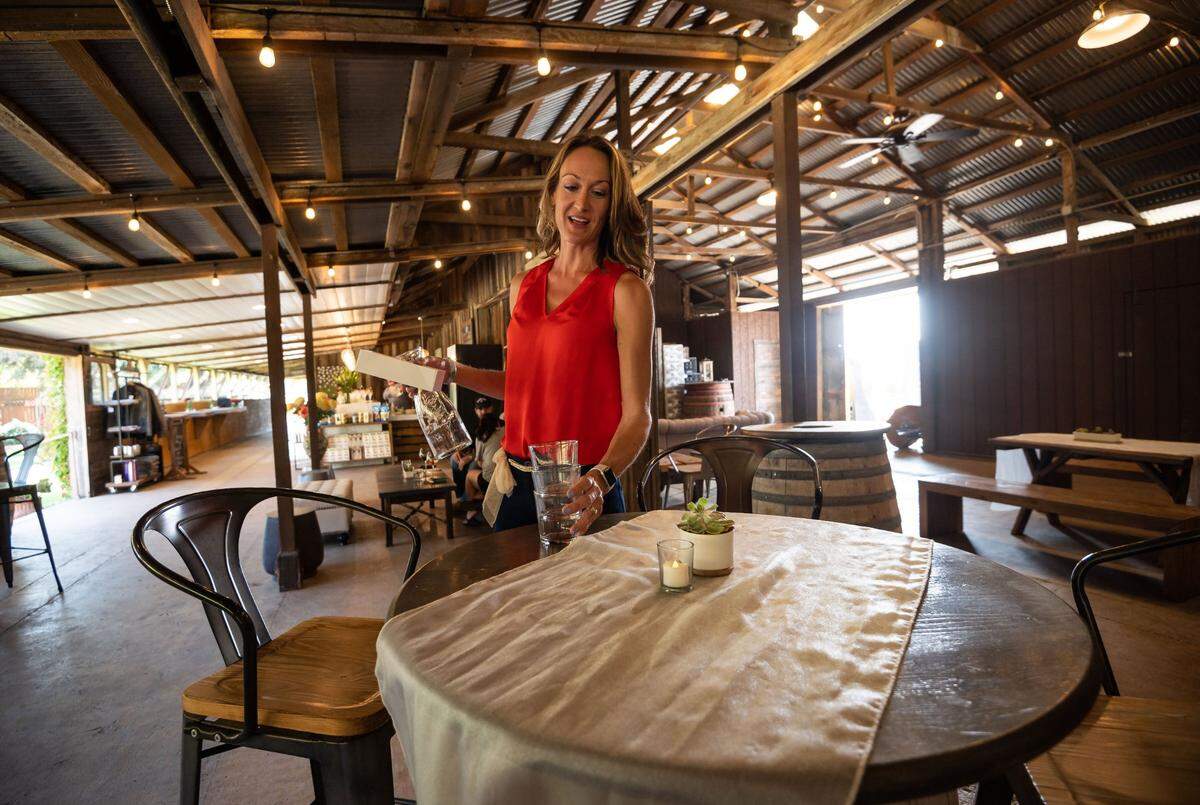
A few families sipped from glasses of chenin blanc and pinot grigio on what appeared to be a lazy Friday afternoon at Silt Wine Co. in Clarksburg. Here, 15 minutes from Sacramento, they absorbed the quiet and immersed themselves in the wine experience of the reservation-only tasting room.
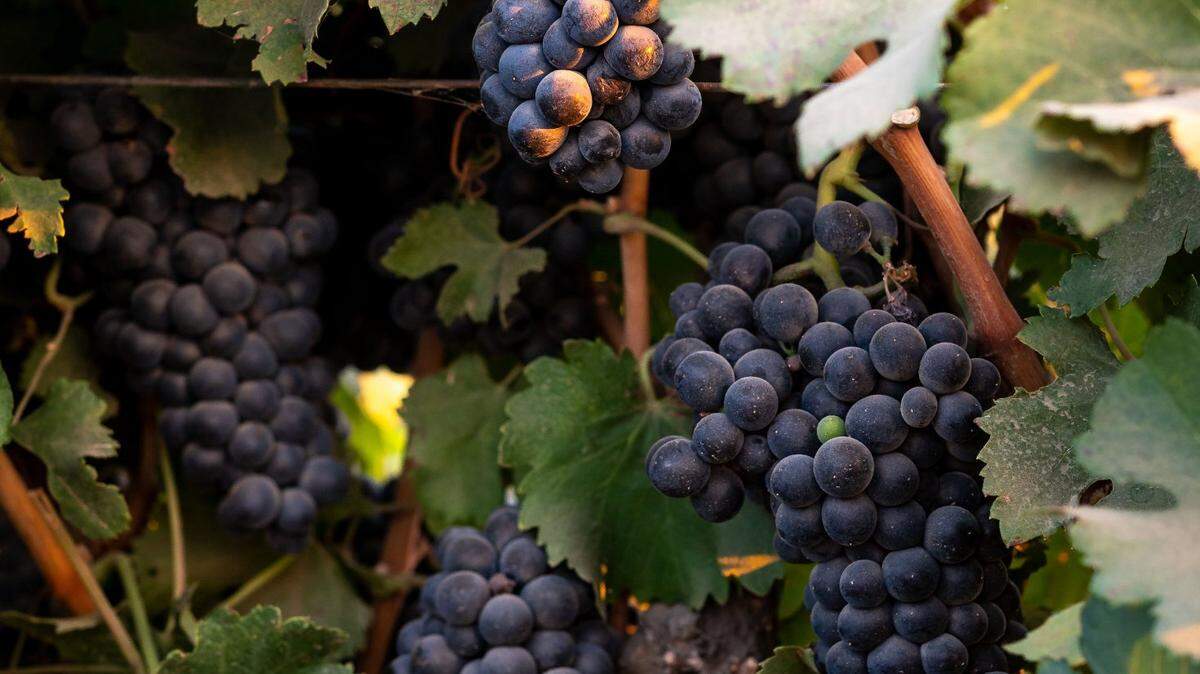
Nearby, to the east, past Silt’s lawn and gazebo, they could peer at the still water in the Babel Slough, a Sacramento River inlet. To the west, they could admire a refurbished barn that would host a wedding the next day. The chardonnay grapes were ripening in the 100-degree heat.
And they are there to be picked. The families sip, the workers harvest — this is harvest time, they work in morning and evenings — and the owners, as the multitude of winery owners in the region do, ponder how they are going to help make customers realize the Sacramento area isn’t as much that touted Farm-to-Fork capital, but farm-to-glass.
For all the hype surrounding food and beer, wine rules here.
Farm-to-table restaurants and kid-friendly microbreweries have become cornerstones of Sacramento’s cultural identity over the last decade, but wine sells more. Wine grapes are the Sacramento area’s agricultural star.
And yet local wine hasn’t yet achieved quite the same “coolness factor” nor has the realization that you don’t have to travel far for a wine experience. Wine’s social cachet has been hamstrung by outreach limitations, misguided impressions and a relatively brief history of widespread production.
“(People) talk about the experience of tasting wine and what’s around them, the patio overlooking a beautiful vineyard, maybe some light cheeses,” said Silt co-owner Phil Ogilvie. “They explain that thing, and I say ‘yeah, you can experience that 15 minutes from the state Capitol.’”
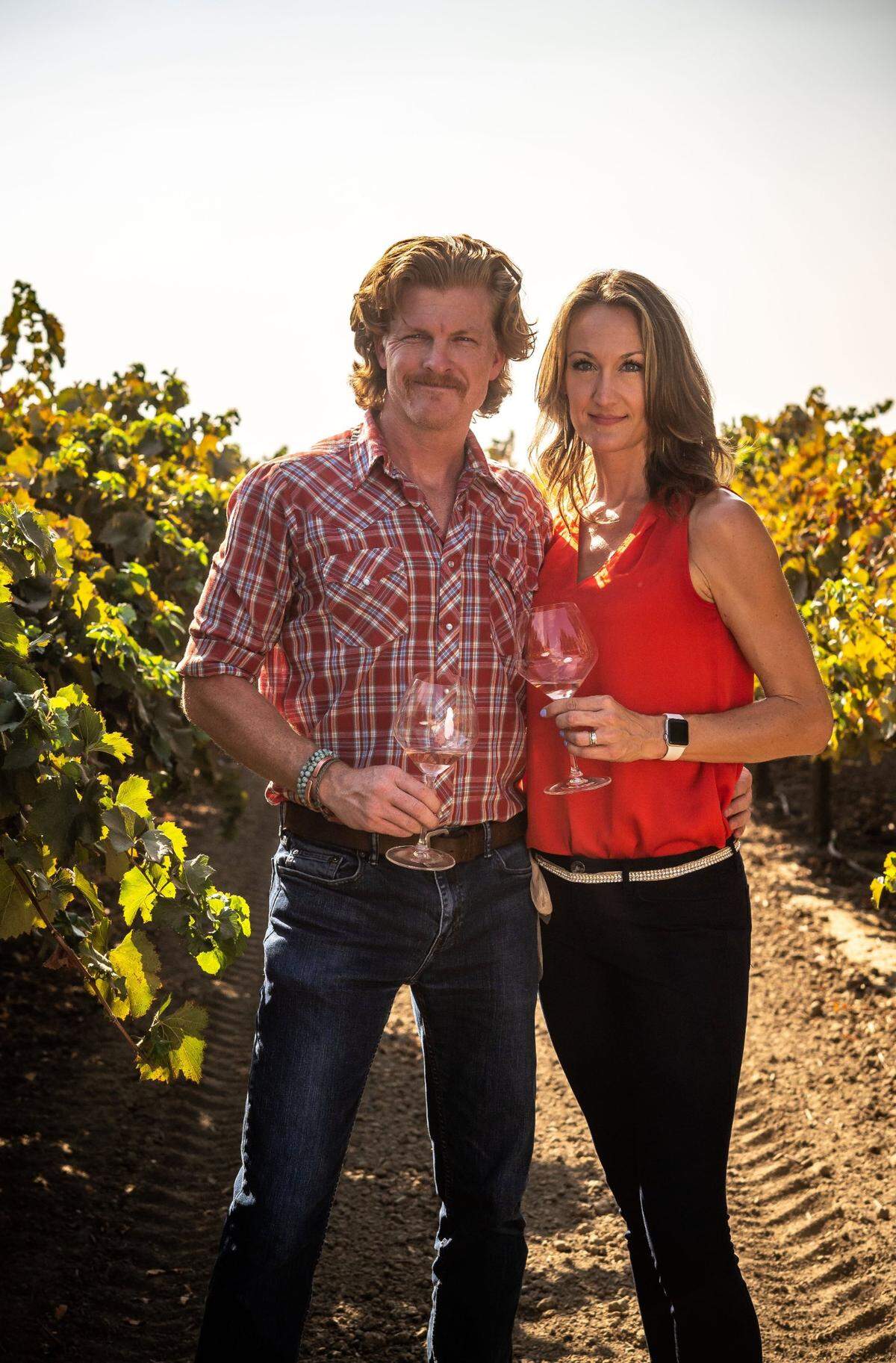
Phil and David Ogilvie and their childhood best friend Tom Merwin already had a successful budget wine when they created Silt and its tasting space in 2018. Their goal was to attract people to Clarksburg beyond the “welcome mat” of Old Sugar Mill, a place for picturesque California wine tasting experiences right in Sacramento’s backyard.
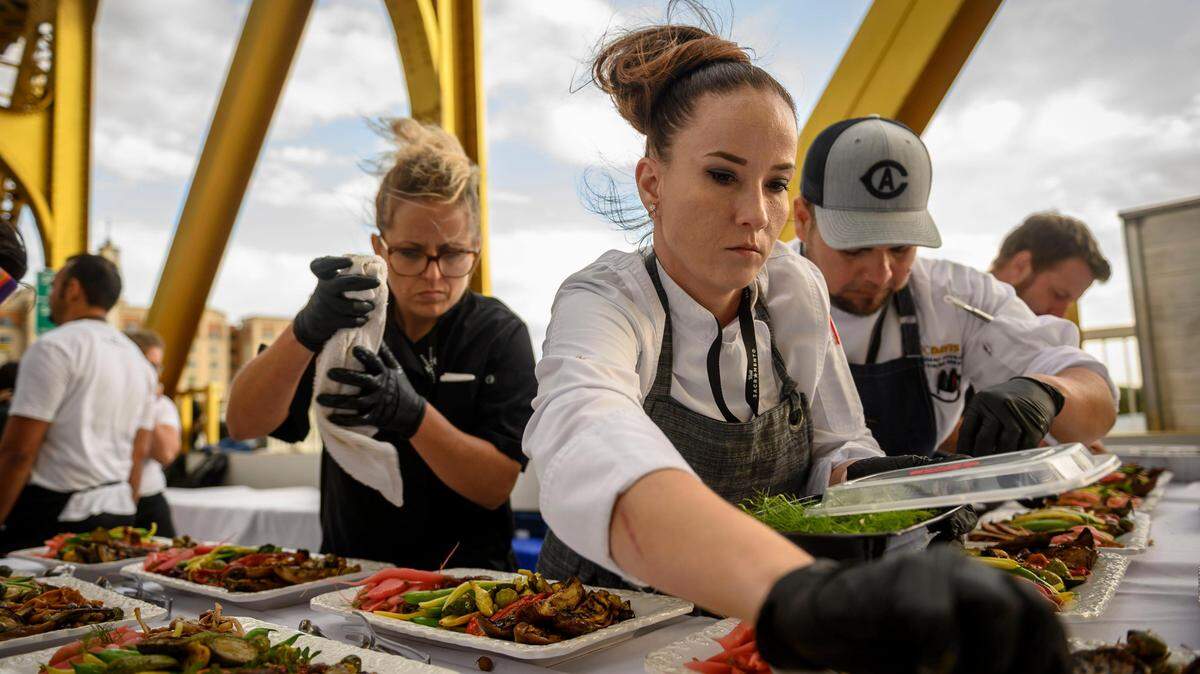
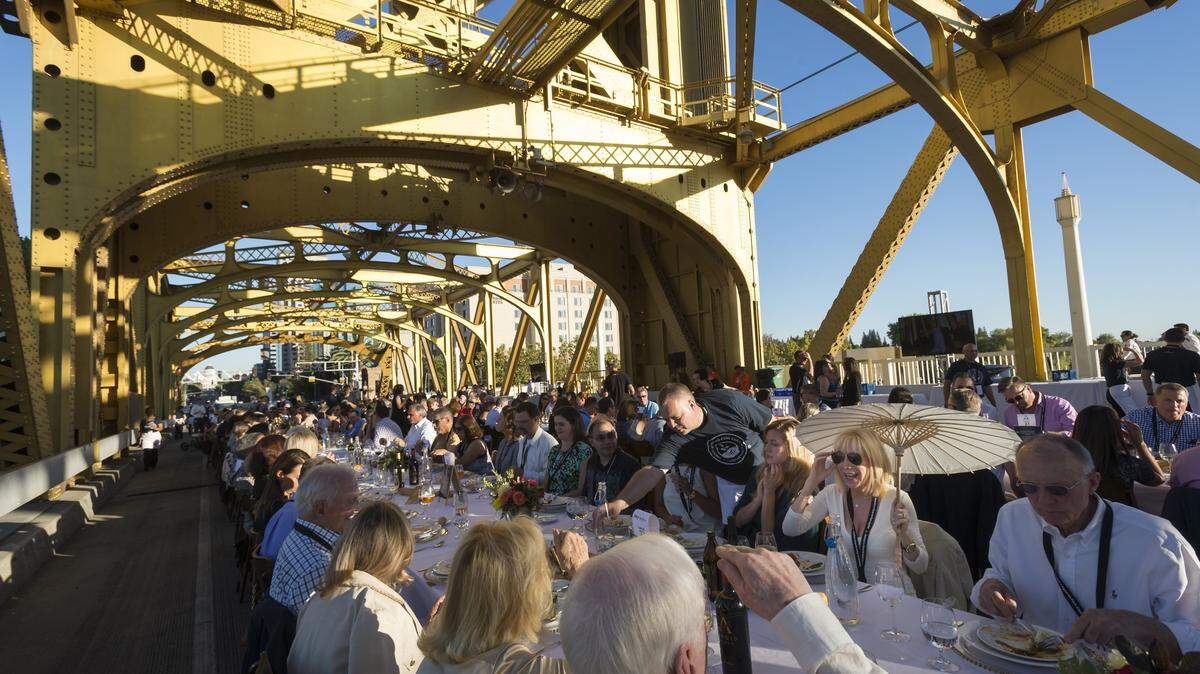
The spotlight was on wine for a moment. The Legends of Wine event kicked off the 2021 Farm-To-Fork Festival on Thursday night, bringing the region’s best chenin blanc, malbec and petite sirah to Capital Mall.
Hosted once again by Corti Brothers grocery store owner/world-renowned oenophile Darrell Corti and longtime Sacramento wine expert David Berkley, the 7-year-old event showcased just how much has changed.
“There’s been a complete change,” Corti said. “You’ve seen Lodi, which was going away, has now become very important again. ... It’s a completely different situation than what there was before.”
Wine by the numbers
Wine grapes are by far Sacramento County’s most valuable agricultural commodity, grossing $175.4 million in 2019. That’s more than the next five best-selling commodities (milk, nursery stock, poultry, pears and aquaculture) combined, according to the county agricultural commissioner’s annual report.
Grapes were No. 1 in Amador County as well ($21.6 million) and second only to almonds in Yolo County ($108.1 million) and apples in El Dorado County ($12.1 million).
All that pales to what comes out of the Lodi AVA, or American Viticultural Area, America’s most widely-planted wine region, just 35 miles from the capital. More grapes are grown in Lodi than Napa and Sonoma counties combined, or Oregon and Washington combined plus another 30%, according to the Lodi Winegrape Commission.
Sac wine improves
Some of those grapes end up in the barrels of E&J Gallo, the world’s largest wine producer headquartered in Modesto. Others go to Napa, Sonoma or Paso Robles, destined for processing and sale under labels from better-known regions.
But as with grapes grown around Clarksburg, Plymouth and the Capay Valley, some stick around and end up producing exceptional small-batch wines right in Sacramento’s backyard. Area micro-producers keep their region’s grapes local and turn out world-class wine, UC Davis viticulture and enology department chair David Block said.
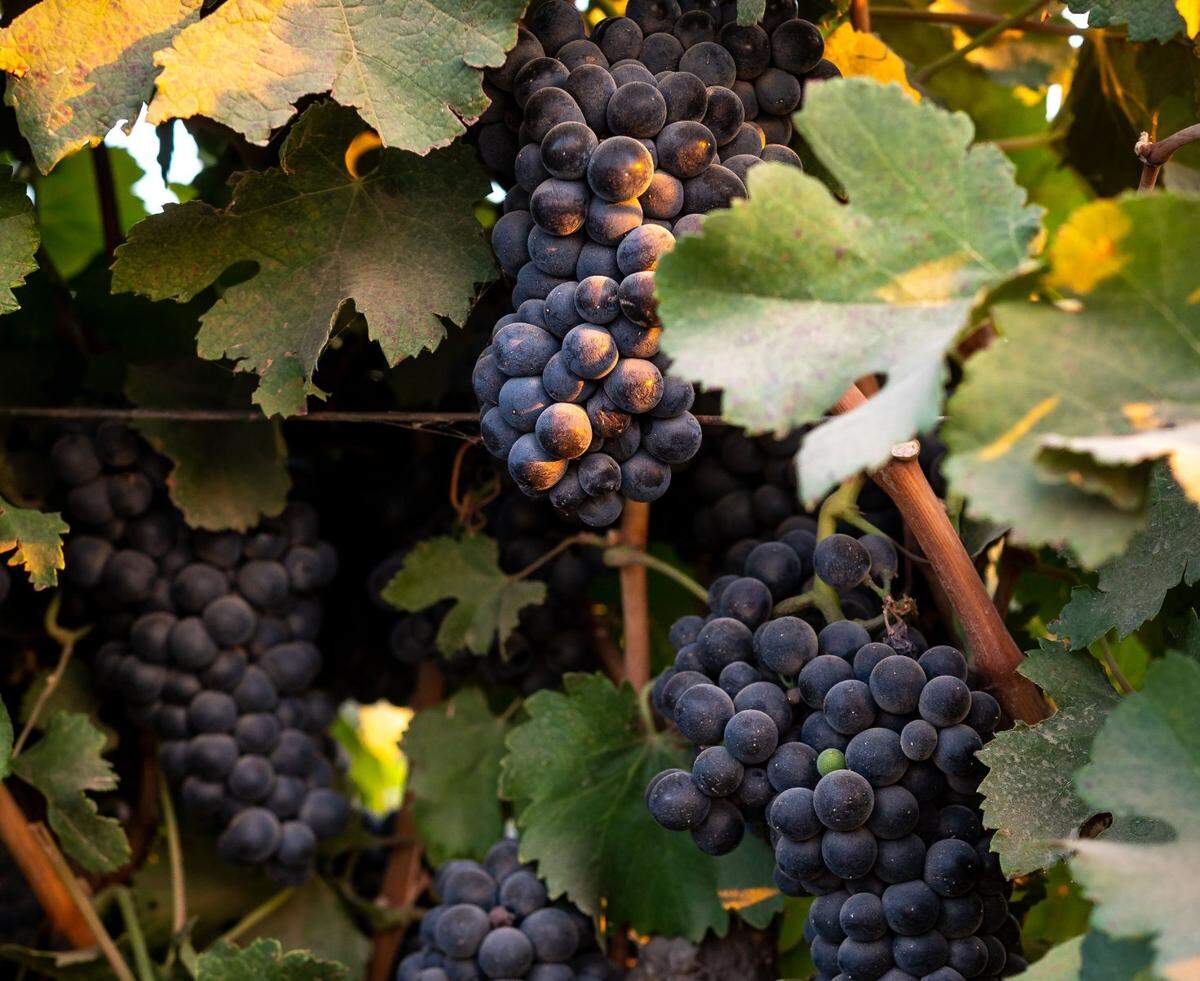
“Some of these places are making wine that rivals Napa and Sonoma and places in Northern California that are maybe more known for their wine,” Block said. “Are they the same as wines in Napa? They aren’t the same because they’re made in a different place. Are they as good? I think some of them are probably as good, if not better.”
Corti echoed Block in an interview a week before he co-hosted Legends of Wine.
“Sometimes they can be as good (as Napa and Sonoma’s best wines). Sometimes, they’re better,” Corti said.
There’s a 93-point score from Wine Enthusiast for Placerville-based Lava Cap’s tempranillo. And for Berryessa Gap’s 2018 petite syrah in Winters. And for Oak Farm’s 2018 estate-grown malbec in Lodi. And for Bogle’s 50-year-anniversary petite syrah. It wouldn’t be hard to find more accolades.
The Sacramento area has produced some of the United States’ best grapes for decades. Now it has the wines to match.
Times have changed
California first acquired its reputation as a wine mecca at the Judgment of Paris, the 1976 blind tasting where French judges shockingly voted Napa Valley wines better than their own crème de la crème. But while the decision had huge ramifications for California wine, things didn’t change overnight outside of the North Bay Area.
The Bogle family has farmed in Clarksburg since the 1870s, but planted their first 20 acres of grapes in 1968. Not until another decade later, following the Judgment of Paris, did Bogles start making wine rather than just selling fruit.
A Bogle Winery tasting room, the first of its kind in Clarksburg, didn’t open until 1999, after Jody and Warren Bogle returned to the family business following their father Chris’ death. (A third sibling, Ryan, would return in 2007). As the Bogles tasted around the Sierra Nevada foothills in the late 1990s and early 2000s, they met several others in the same boat.
“I think it was a lot like we were, a lot of small family wineries just getting started,” said Jody, now Bogle’s vice president of consumer relations. “It was very uncrowded, and we’d have lots of long conversations with (winemakers) for an hour or more because we were the only people in (their tasting rooms). Just being able to connect, engage and share stories with people was really fun in those early years.”
Bogle, of course, has come a long way since those early days. The reigning Wine Enthusiast American Winery of the Year, its bottles can be found in all 50 states and 40 countries. It’s the wine world’s Blue Diamond Almonds — the rare name-brand product with an international reputation that’s proudly rooted around Sacramento.
Growing wine scene
Clarksburg’s wine tourism industry got another big boost with the 2003 reopening of Old Sugar Mill, a former beet refinery that now houses 15 or so wineries’ tasting rooms at a given time. Yet, small farm wineries have opened too, building out a more thorough scene.
The Ogilvie family has grown crops such as asparagus, corn and sugar beets next to the Merwins since the 1920s, when the Ogilvie twins’ great-grandfather acquired the farmland newly surfaced by a recent dam construction. The Ogilvies’ grandfather planted the family’s first wine grapes in 1970, but not until 2014 did Phil, David and Tom co-found Ogilvie Merwin Vintners.
“We’ve been selling all that fruit to other wineries that become national wineries with our fruit. I could walk into any grocery store and see wine labels that have my family’s fruit,” Phil Ogilvie said. “This region has been selling fruit to wineries since the 1970s, and what those wineries do is typically drop ‘Clarksburg AVA’ off of it because people don’t know where Clarksburg is. There’s no value to the name, so it’s better just to say California.”
Ogilvie Merwin Vintners started selling retail wine at about $10 per bottle under the label of Muddy Boot Wine, name inspired by a prank from when the founders were 10 years old. They would drive north to Sacramento to host tastings and find their clients didn’t know Clarksburg.
“Sometimes they’d know what Old Sugar Mill was, but they didn’t know it was in Clarksburg or that this AVA existed,” Phil Ogilvie said. “It was one of those recognitions that made us say, ‘Man, we gotta invent something to get people to Clarksburg.’”
So Ogilvie Merwin Vintners created Silt Wine Co., with a tasting room managed by Phil’s wife Shannon. A third label called Fellow Wines of Clarksburg with $15-$20 bottles followed. All three exclusively use Clarksburg grapes, 95% of which come from the 2,000 acres between the owners’ families’ farms.
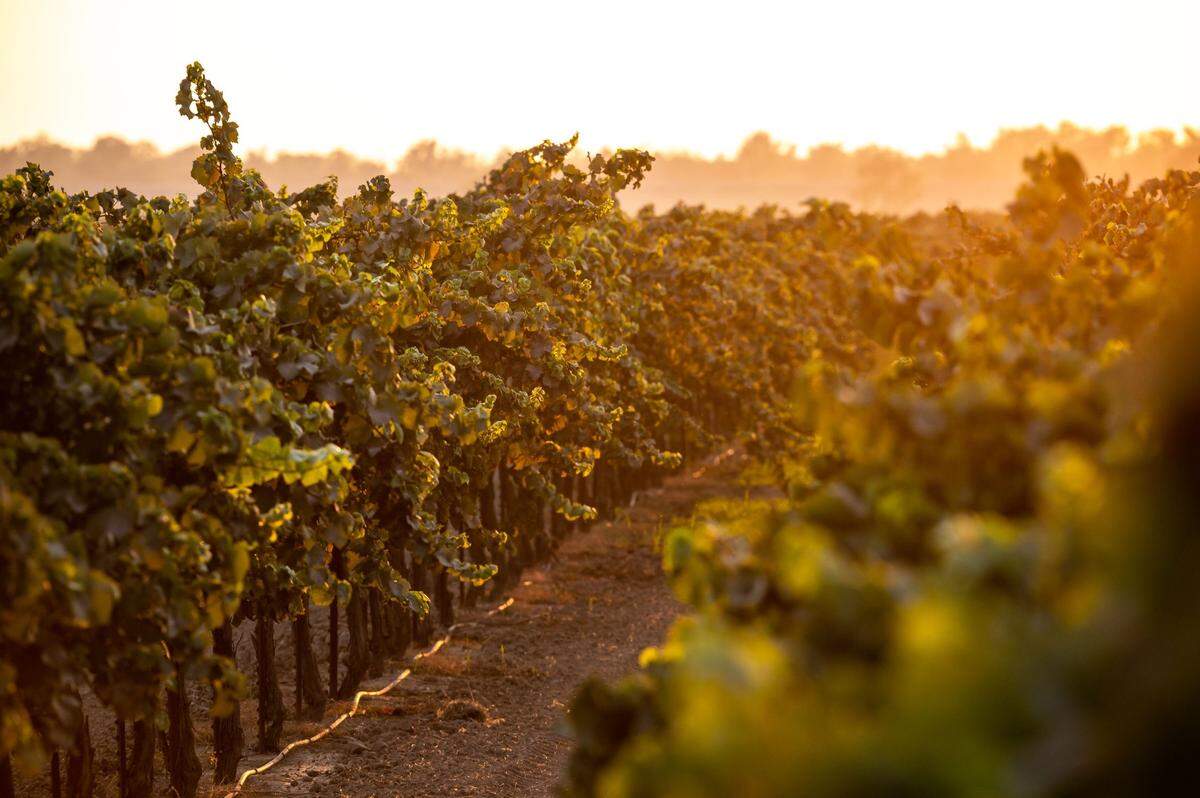
No set radius defines food “farm-to-fork,” an ambiguity that’s cheapened the term somewhat, but 50 miles would be pretty tight. In wine terms, that distance represents a wide range of microclimates preferred for different kinds of grapes.
El Dorado and Amador counties are known for Zinfandel, though malbec also grows well in the hot, hilly climate. Clarksburg’s toasty days and cooling delta breezes produce great chenin blanc and petite sirah; longtime “Gourmet” wine editor Gerald Asher called the former “the right grape in the right place” in a 1985 book. UC Davis vintners grow roughly 200 varieties of grapes in the campus vineyard, and albariño seems to do particularly well, Block said.
Dry, hot Lodi made its name on Flame Tokay table grapes (the city’s two high schools are the Lodi Flames and the Tokay Tigers) that could be made into brandy but fell out of favor as palates sharpened. Now, Lodi claims to be the “Zinfandel capital of the world,” a fitting title considering farmers have grown the grape there since the late 1800s.
Yet Lodi doesn’t look or taste like it did even a decade or two ago, Block said. Micro-producers are keeping more grapes around the city, creating a wine scene that rivals the North Bay’s early days.
“I think there’s a real renaissance going on there,” Block said. “If I look at a Lodi wine map now, it does look a lot more like the early Napa maps would have looked, with lots of wineries — not as many as Napa or Sonoma, but lots of wineries, 70 or 80 wineries, all making wine of really good quality.”
Why not here?
A glass of chablis creates a different ambiance than a pint of pale ale. Fair or not, wine’s higher price point and haughty reputation can keep some people away.
Don’t worry about those things around Sacramento, said Elevation 10 Winery co-owner Rina DiMare. The president of the Clarksburg Wine Growers & Vintners’ Association from 2015-18, DiMare points to easily drinkable, more affordable wine as a regional hallmark. Tastings that might cost $40 in more popular wine regions are free or maybe $5, and bottles often retail for $15-$40.
“Most of the wines that are made in this area are not austere by any means,” DiMare said. “So for someone new to wine consumption, I think they’ll find that the wine is very approachable.”
Maybe it’s accessibility. Vineyards are usually in more rural settings, drinking and driving doesn’t mix and Sacramento doesn’t have anything like the Napa Valley Wine Train coming from the city center.
Yet Clarksburg is a 20-minute drive from the Capitol. Ride-sharing services such as Uber or Lyft eliminate the risk of drunk driving. Companies such as El Dorado Wine Tours provide designated drivers for tours starting in Loomis.
Wineries are also bringing production to the people. Bailarin Cellars is just a block-and-a-half down K Street from Golden 1 Center. Houston Astros manager and Fair Oaks native Dusty Baker opened Baker Family Wines next to Bike Dog Brewing Co. in a West Sacramento business park.
Acheson Wine Co., Revolution Winery & Kitchen and Twisted Twig Winery all make their wine and/or have their lone tasting rooms in downtown or midtown Sacramento. Lucid Wine and Voluptuary Wine, made by Kevin Luther off Power Inn Road, are opening a 5,000-square foot R Street Corridor tasting room in November.
“(Metropolitan wineries) are serving a lot of wine just out their door, which is kind of a new idea,” Block said. “These little ... boutique distilleries or wineries that are opening in a more urban environment, closer to where people are so you don’t have to go travel for an hour or something, I think that’s kind of a cool idea and something I hope will expand a lot.”
The real problem, at least for Sacramento’s closest AVA? People just don’t know about it. Clarksburg doesn’t yet have the resources to really get its name in lights, DiMare said.
Even Bogle didn’t pay for advertising until five years ago, Jody Bogle said. They just relied on word of mouth. Now she’d like to pass some more along.
“There’s a real opportunity here, within an hour’s drive in any direction, to find some real gems in the wine industry,” Jody Bogle said. “Sacramento’s wine scene in general is just waiting to be explored. ... It’s really a great opportunity for folks to go on a little treasure hunt right in their backyard because there’s so much for everybody.”
This story was updated Sept. 10 to correct the location of Bogle Winery.
This story was originally published September 10, 2021 at 5:00 AM.