After two turns as Sacramento’s top federal cop, U.S. Attorney McGregor Scott exits the scene
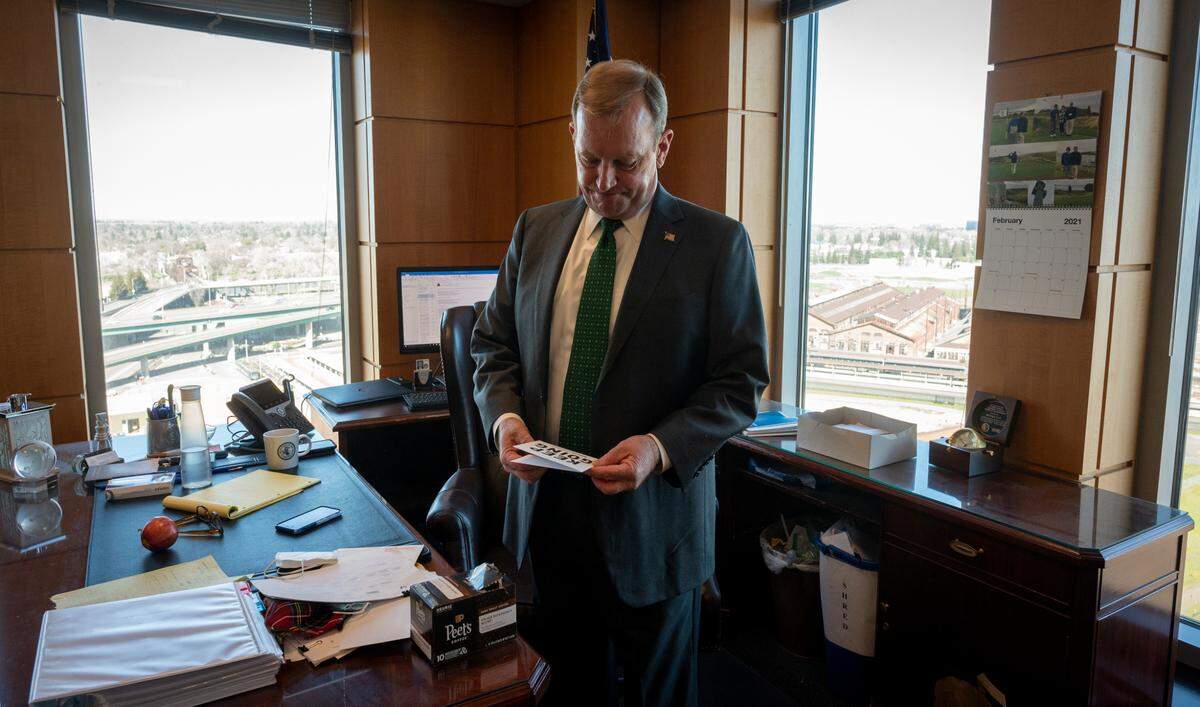
U.S. Attorney McGregor “Greg” Scott walked the halls of his 10th-floor command post Wednesday in downtown Sacramento for one of the last times, passing the empty, closed offices belonging to 100 federal prosecutors and as many investigators and support staffers.
For nearly a year now, Scott has been one of the few people regularly reporting for duty inside the Robert T. Matsui U.S. Courthouse as the region’s top federal law enforcement officer, a routine interrupted only for a positive COVID-19 diagnosis that sidelined him for a bit in December.
But after two stints that spanned nine years — 2003 to 2009 under President George W. Bush and 2018 through last week under President Donald Trump — Scott has resigned from a job he says he would stay in for life if he could.
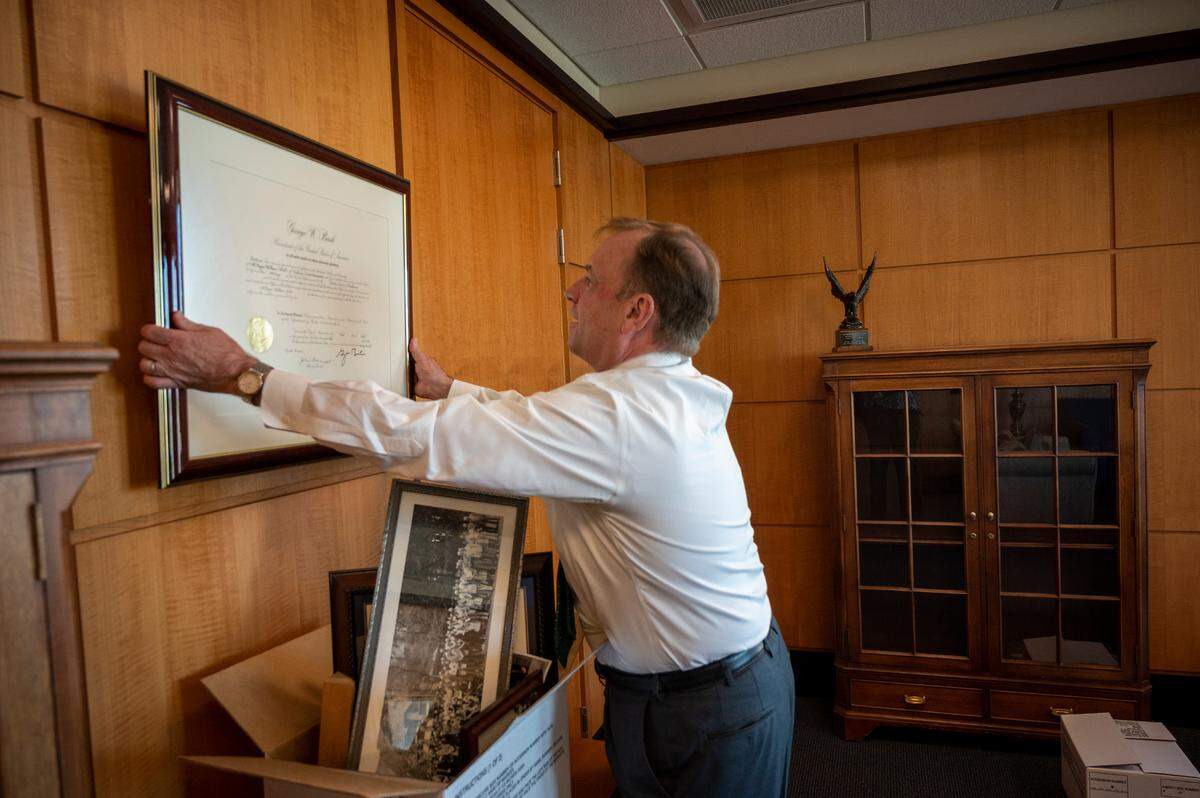
“I feel like this is exactly where God meant me to be the last three years,” Scott said in an interview in his office, where various plaques, photos and other memorabilia had been packed into cardboard boxes.
With President Joe Biden’s victory in the November election, Scott is making way for an expected Democratic appointee, and leaving a remarkable — and sometimes controversial — legacy as the top prosecutor in the Eastern District of California, which stretches across 34 counties from the Oregon state line to Bakersfield as one of four federal districts in the state.
Major terror cases define legacy
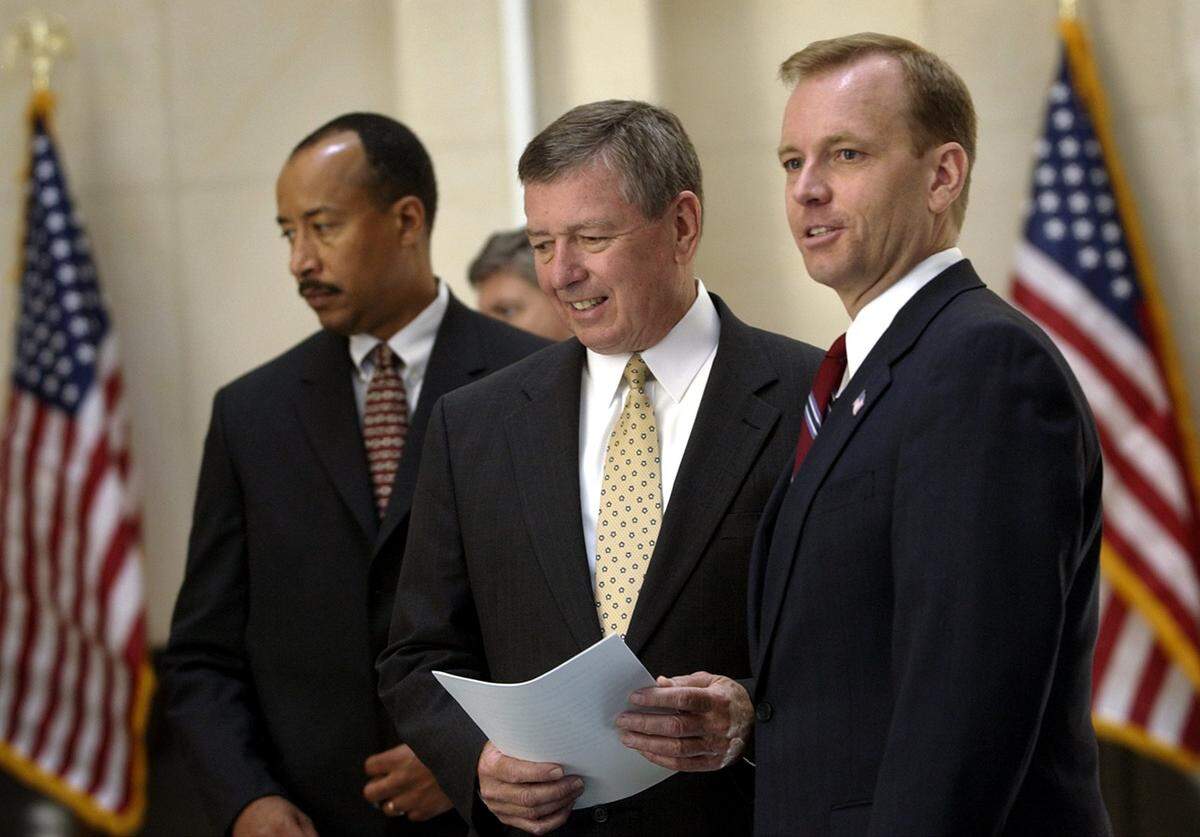
Scott’s tenure under Bush began after the Sept. 11, 2001, terror attacks and was marked by a high-profile prosecution of Hamid Hayat, a Lodi cherry picker accused of training in a Pakistani terror camp and using photos of Bush during weapons and explosives training.
That case followed him into his second stint as U.S. attorney as Hayat’s appellate attorneys fought — successfully — to get their client released after spending 14 years of a 24-year prison sentence.
A federal judge ordered Hayat’s release after finding that he had not received a proper defense from his rookie lawyer, and the Justice Department ultimately decided not to try him again.
Hayat’s appellate attorneys insisted their client was innocent and that the government had evidence to prove the terror camp was not open while Hayat was in Pakistan, and called the prosecution a “grave miscarriage of justice.”
But Scott defends the decision to try the case, which was one of the first large post-9/11 prosecutions and involved sensitive classified information.
“It was not a satisfying end because at the end of the day what the court found was that his lawyer had rendered ineffective assistance, not that our case was flawed in any way,” he said. “The problem is, all these years later when you go back to try to put it back together again, it’s very difficult to do that.
“And we searched high and low, we tried to work with certain agencies to see if there was more information we could use in an open courtroom, and we were not successful with that. So in a lot of ways it is a dissatisfying outcome. But it’s the way our system works, and we have to respect that and move on.”
As Scott departs, his office is overseeing another high-profile terror case, the effort to extradite Sacramento resident Omar Ameen back to Iraq to face trial in the 2014 slaying of an Iraqi police officer.
As in the Hayat case, Ameen’s lawyers say the government prosecution is misguided and insist the evidence shows Ameen was in Turkey with his family when the officer was killed.
That case is still being fought in court amid pointed filings from both prosecutors and Ameen’s attorneys from Federal Defender Heather Williams’ office, which offered scant comment on Scott’s departure.
“Because of our opposing roles, we often agreed to disagree,” her office said in a statement to The Sacramento Bee. “But we wish him well.”
Scott played major role in EDD scandal
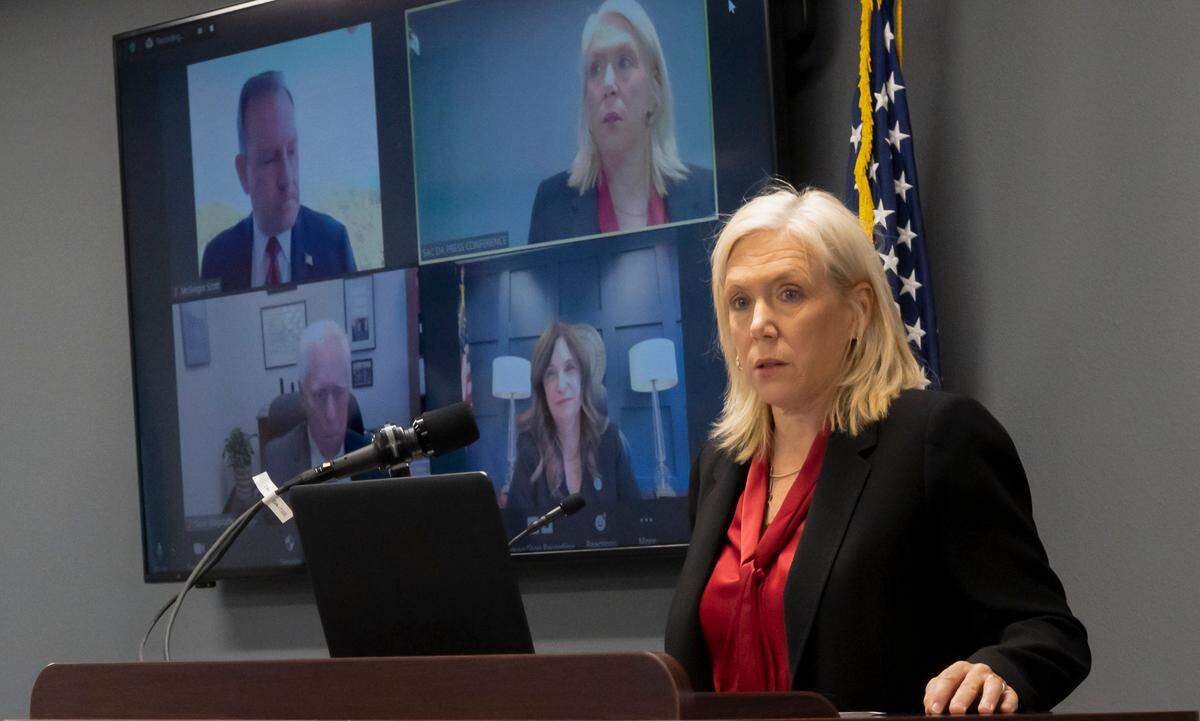
Others who have worked with Scott over the years offer more effusive praise, and point to his role in investigating a number of scandals, most prominently the massive California Employment Development Department fraud case that some estimate may cost taxpayers as much as $30 billion.
“There’s no question that Greg was a big part of that at the beginning,” said Sacramento County District Attorney Anne Marie Schubert, who first met Scott when they were both deputy district attorneys in Contra Costa County in 1990. “The information we got from the feds helped us recognize the magnitude of the fraud.
“The revelation of the fraud was a major impetus for the changes we’re seeing right now to stop it. He’s really done an extraordinary job. He’s a consummate professional.”
Sacramento lawyer William Portanova, who worked with Scott’s office during the investigation of Jeffrey David, the former Sacramento Kings executive who siphoned off $13.4 million from team sponsors for beachfront homes and other lavish spending, had similar praise.
“This district was lucky to get Greg Scott to return for another term, especially under the 45th president,” said Portanova, who represented the Kings. “It was important to have such a steady, experienced hand at the tiller while the world spun out of control.”
Called on during Russia probe of Trump
In fact, Scott had a role in the Trump administration investigations that he had not spoken of publicly until last week.
As special counsel Robert Mueller investigated whether Trump or his campaign had conspired with Russians during the 2016 election, Scott was quietly summoned to Washington, D.C., to serve as a special counsel of sorts advising then-acting Attorney General Matthew Whitaker, a longtime friend of Scott’s.
“So basically from Veterans Day 2018 through Valentine’s Day of 2019, on a nearly weekly basis, I was flying back to D.C. and sitting there, and I sort of adopted the title of senior counsel and tried to help him navigate this time,” Scott said.
The experience led to some jarring moments, including when he first arrived and was handed copies of Watergate-era documents to study involving the prosecution of former Vice President Spiro Agnew and investigations of President Richard Nixon.
“To be in that position in November of 2018, it was incredible,” Scott said. “They handed me a copy of a letter from the Watergate grand jury addressed to Richard Nixon, and I thought, ‘This is big stuff.’
“It really hit me.”
Scott said that during that period, when Trump was regularly denouncing what he termed a “witch hunt,” he never saw untoward pressure from the White House on Whitaker.
“I can’t say I sensed any interference,” Scott said. “There was obviously a lot of interest coming from the White House, but no time was there ever a directive or an order.
“There certainly were questions about things, but there was never an indication that we should do anything but the right thing.”
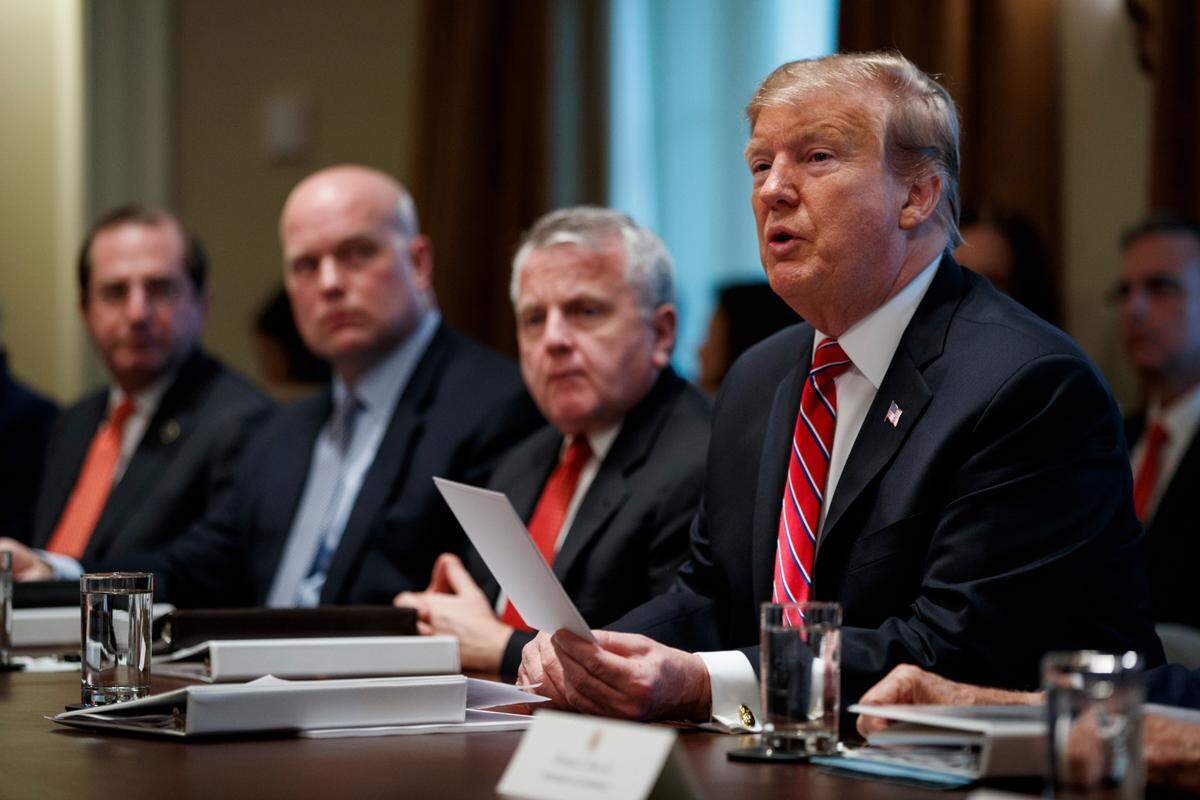
Scott said he was disappointed in how Mueller’s team “dragged on way too long” with the probe, as well as Mueller’s ultimate declaration that he could not exonerate Trump.
“For somebody who has been a prosecutor for most of my legal career, I’ve never heard of that,” Scott said. “There is no concept of exonerating or not exonerating in our criminal law.
“Either a prosecutor has enough evidence to file a formal charge or they don’t. So, to me, that was just a reprehensible thing that happened. I’m not saying that the president didn’t do a lot of things that were odd or squirrely or unusual, but it was shocking to me.”
Scott concedes that he knew early on that the Trump administration was going to be “unconventional,” and that was one of the factors that led him to leave his lucrative job at the Orrick law firm he joined after resigning as U.S. attorney when the Bush administration ended.
“I had strong indications early on that this was going to be not a typical presidential administration, and I felt like somebody needed to be in this chair to protect the office from any shenanigans that could be going on at any level,” he said. “And, humbly, I felt I was the best person to be able to do that.”
Dust up over ban on church services
Even after the Trump administration scandals and two impeachments, Scott said he has “zero regrets” about serving under the former president.
“I feel I was removed enough as U.S. attorney,” Scott said. “I’ve never met him. I’ve been in the same room with him a number of times, but I’ve never met him, and so I have no regrets about this at all.”
Scott said he never felt Trump or Justice Department officials pushed him to do anything he considered improper, except for one instance involving Gov. Gavin Newsom’s stay-at-home orders last spring.
At the time, California had banned in-person church services because of the pandemic, and Trump was railing that houses of worship should be “open right now.”
The Justice Department sent Scott and California’s other three U.S. attorneys a letter on the issue that they were to sign and deliver to Newsom.
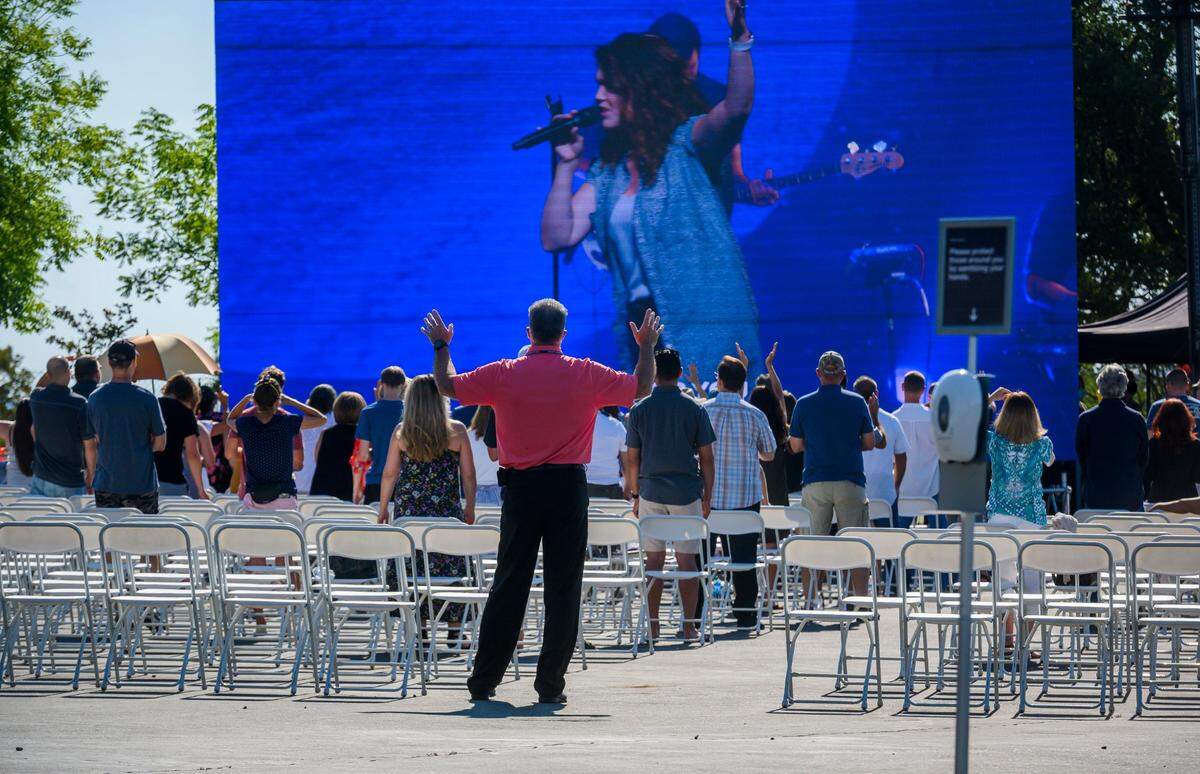
“The topic was religious freedom, the that COVID shutdowns had exceeded what the governor was allowed to do under case law and the First Amendment,” Scott said. “Let’s just say that the first draft of that letter really had some unfortunate language in it that we all, the four of us, thought was really unnecessary.
“So we pushed back and said, we’re not signing letter and expressed what our thoughts were and what we thought the letter should say. They heartily accepted our edits and changed the letter, and ultimately we did, in fact, sign the letter.”
Scott said the first draft of the letter, which he declined to release, “looked like it had been written by the Office of Public Affairs, and it just had a tone of political calculation to it that we, the four of us, thought was really inappropriate and unnecessary.”
That’s the one time I can say in all my nine years as U.S. attorney that I felt I was being asked to do something by main Justice that I was not comfortable with,” he said.
State agency scandals consumed much of his time
Much of Scott’s time during his second stint as U.S. attorney was spent dealing with Newsom administration problems, he said.
“This second term it seems like we’ve spent a lot of time cleaning up messes for agencies of the state of California,” he said. “I’ve lost track of how many corruption prosecutions we’ve done around employees of the Department of Motor Vehicles selling commercial licenses and things.
“Obviously, there’s this whole EDD fraud thing, which is front and center in the news now and which we were out on early last summer before anybody was paying attention to it. And there’s this guilty plea that was obtained in the state Office of AIDS corruption investigation.
“It’s sort of startling to me how much of that we’ve had to do. Here we have a full-time Legislature, a state bureaucracy with the possible exception of New York that is the largest state bureaucracy, and we pay the highest level taxes for that state government. But it just seems incompetent and corrupt at every level in my experience.”
One of the largest prosecutions — one that likely will go on for years — is the racketeering indictment of California prison inmates and others accused of being leaders of the Aryan Brotherhood prison gang.
“These guys are doing life terms in the most secure prisons in the state prison system, and yet they’re killing and ordering hits of people,” Scott said.
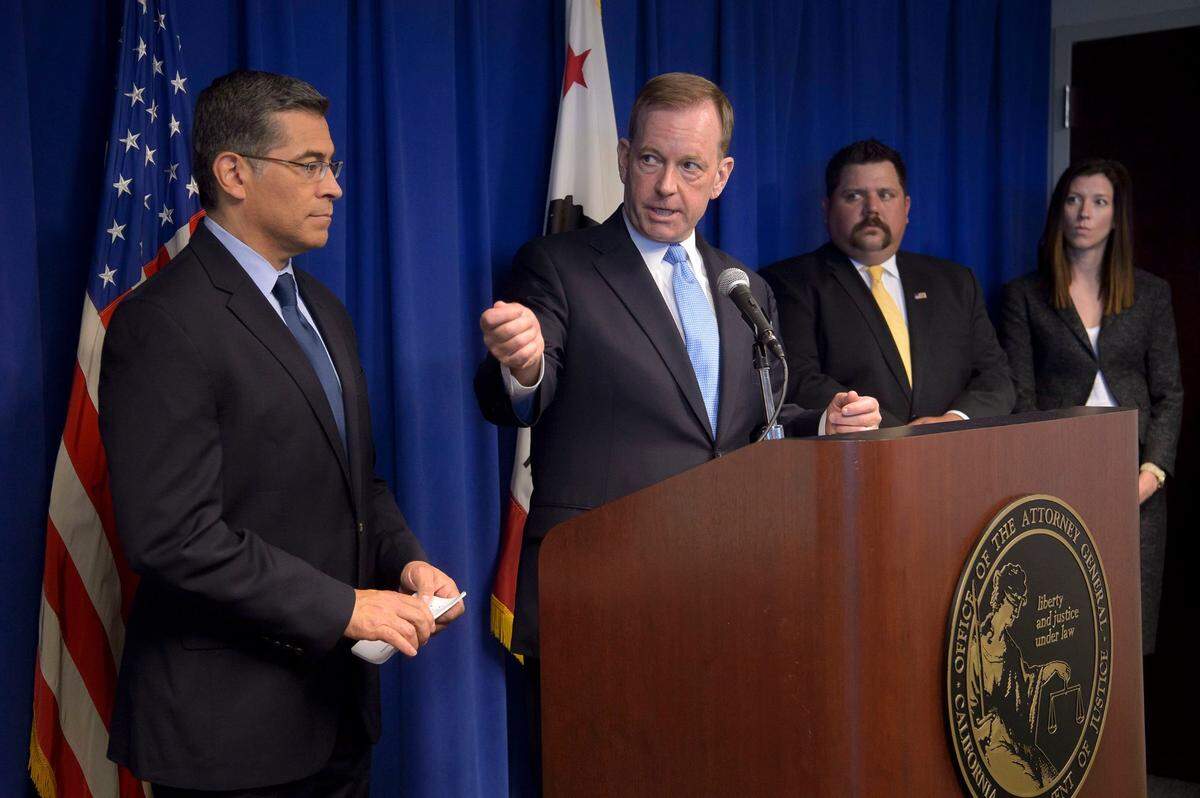
Any law enforcement official will tell the media these days that they’re most proud of their cooperation with other agencies, and Scott says that has been the case with many state officials, especially outgoing state Attorney General Xavier Becerra, who is Biden’s nominee to lead the U.S. Health and Human Services Department.
Cases evolved to violent crime, massive frauds
He also concedes that the U.S. attorney’s job has changed dramatically from his first term, when such posts were thought of as focusing on white-collar crime and yawn-inducing fraud schemes.
“It’s not the U.S. Attorney’s Office of 20 years ago, when there was a lot of white paper stuff,” he said. “Its a lot more violent crime, a lot more great big fraud cases like the Carpoffs.”
The Carpoff case refers to a $1 billion fraud prosecution involving Jeff and Paulette Carpoff of Benicia, the owners of DC Solar who pleaded guilty last year after federal agents seized 149 exotic sports and race cars that later were auctioned off at a Woodland warehouse.
“That day we were out there at that warehouse with all those cars, that was a good day,” Scott said. “To say, these guys stole a billion dollars, and this is what they did with it.”
Scott’s departure means the office will be run in the interim by veteran prosecutor Phil Talbert, a Democrat who hopes to be nominated to succeed his old boss and has Scott’s endorsement.
Scott says he still does not know what he will do next, but figures he will return to private practice in a high-end law firm where he can expect to earn far more than the $170,000 the U.S. attorney’s post paid this year.
He does have trouble hiding his disappointment at leaving the U.S. attorney’s job, where he is the only person in the history of the Eastern District to have served two stints.
“In my heart, I’ve been a public service guy throughout my career,” he said. “And I did do my nine years at Orrick with the law firm, and it was good work.
“But the manifest sense of purpose and focus that I had as a deputy D.A., as an elected D.A. (in Shasta County) and as a U.S. attorney, I did not have that. And life is too short.”