
Your guide to Sacramento weather: What’s normal and what you can expect from the extremes
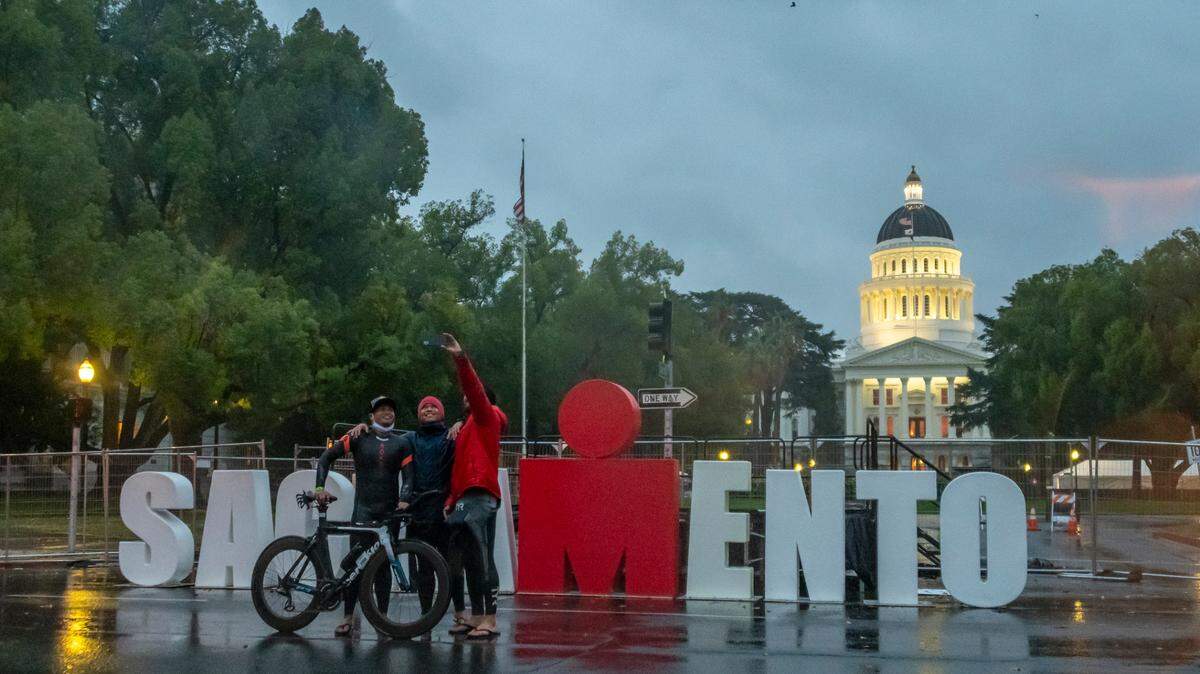
Situated in the north-central part of California and lavished with a Mediterranean-like climate, Sacramento is kissed with sunshine, showered with rain and brushed by the Delta breeze.
But where there is the sun, there are record heat and drought conditions; and where rain falls, there are storm watches and floods. At least in Sacramento.
Though the city generally maintains steady weather, it can often veer toward freezing cold forecasts or dry with unseasonably warm temperatures, hitting records on both ends of the thermometer.
With this climate, Sacramento-area neighborhoods may experience a high risk of flooding and damage from heavy rain and, even a bout of pea-sized hail from thunderstorms from time to time. But sometimes the rain is not enough, as the area recently experienced one of its driest winters and required state-mandated water restrictions to curtail drought.
What’s the weather like in Sacramento?
According to the National Weather Service in Sacramento, the average annual temperature downtown is around 63 degrees.
The average maximum temperature and minimum temperature in Farenheit for each month are:
- January: 56.5 / 41.1
- February: 62.2 / 43.7
- March: 67.8 / 46.7
- April: 73.5 / 49.3
- May: 81.3 / 54
- June: 89 / 58.7
- July: 94.4 / 61.4
- August: 93.5 / 61
- September: 89.3 / 58.8
- October: 78.9 / 52.9
- November: 65.3 / 45.3
- December: 56.4 / 40.7
These numbers are based on averages in downtown Sacramento from 1991 to 2020.
You’ll likely find that Sacramento is doused with sunshine year round, with the summer “virtually cloudless with warm, dry days and mild, pleasant nights,” according to the National Oceanic and Atmospheric Administration, a U.S. agency that monitors weather. This is with the exception of the wet season from November through February, and in the spring — as long as El Niño and La Niña, climate patterns in the Pacific Ocean, do not shift the amount of precipitation in the area.
During this time, morning fog appears and more than half of the total annual rain falls.
On average, Sacramento gets about 19.2 inches of precipitation each year, according to the NWS, with January getting the highest total precipitation normals of 3.8 inches. On rare occasions, the Sacramento Valley and the foothills of the Sierra Nevada will get snow.
What about extreme weather?
The Sacramento area occasionally experiences extreme weather, such as a steady stream of record rain that causes localized flooding or even a bomb cyclone. A bomb cyclone is a weather phenomena fueled by strong winds and heavy precipitation, potentially creating conditions similar to hurricanes and blizzards.
Dry spells have parched the Sacramento region as well, with record long consecutive days of no rain during anticipated water years. With less than normal precipitation and snow, there’s less water in the state’s water supply, which is not good for California’s long-standing drought.
The city has been urging residents to limit their water usage, as Sacramento and the state confront severe drought conditions. In the county, more than a million people are affected by drought, according to Drought.gov, a national drought information system. Under these conditions, land for grazing is inadequate for animals, wildlife diseases increase and water beds are lower than usual.
Wildfires
With severe drought, wildfire season can also easily spark in the region and will be longer, have high burn intensity and can spread widely.
The Sacramento region is no stranger to wildfires, having unfurled in places such as Cresta Dam in Feather River Canyon, Butte, Plumas, Lassen, Tehama, El Dorado County and South Lake Tahoe.
Although these fires may scorch acres from miles away, its smoke can travel to the city, causing symptoms such as coughing, irritated sinuses and chest pain.
According to Sacramento County, wildfire season typically occurs from July to October.
A majority of fires can be attributed to human activity, according to a Bee report, “But climate change, by excessively drying out trees, chaparral and other vegetation, is setting the stage for more extreme fire behavior.”
Sacramento occasionally has heat waves in the summer, which dry up the region, making it fertile for fires. According to NOAA, winds from “the Great Basin, over the Sierra Nevada and the Siskiyou Mountains” are typically pushed down to the valley, creating what’s called Foehn wind.
“This air is warmed by compression as it descends, reaching the valley floor as a hot and dry north wind,” NOAA wrote. These winds often cause heat waves in the summer. The Delta breeze, wind from the Sacramento-San Joaquin Delta known for cooling down temperatures in the area, is no match for this hot wind.
You can prepare for wildfires as the summertime approaches by following this guide.
What are El Niño and La Niña?
El Niño and La Niña have also made their way to the Sacramento region at different times. These patterns typically affect weather during the cold season, according to the NWS, and their impacts will vary for each area depending on its high pressure system.
According to the Water Education Foundation, El Niño is when water temperatures at the Pacific Ocean’s equator rises. Typically, a strong El Niño can result in wetter conditions in Northern California and above average precipitation across the state — but not always.
A La Niña is when the ocean surface at the central and eastern Pacific cools down, the foundation wrote on its website. Generally, Southern California will see drier conditions during La Niña winters, whereas the Pacific Northwest and parts of Northern California get heavy downpours and floods.
Sacramento has seen La Niña winters start off with rain, and other times led a dry winter. When faced with an El Niño, the area has seen average rains, flood warnings due to rising river levels and strong winds.
This story was originally published April 5, 2022 at 5:00 AM.