
Sacramento’s restaurant scene was flourishing before the coronavirus. Will it ever recover?
Check out more our stories in the Tipping Point series. Click here.
• • •
Local restaurants fueled Sacramento’s cultural growth over the last decade. By the time the coronavirus pandemic subsides, the city’s food scene could be a shell of its former self.
The embrace and marketing of locally-sourced ingredients transformed Sacramento restaurants, fueling new and trendy establishments like Canon and Beast & Bounty. As the economy boomed, the metropolitan area was averaging 20 to 25 new restaurants per month prior to the worldwide COVID-19 outbreak.
Outsiders took notice: Thrillist called Sacramento the country’s best up-and-coming food city in a 2018 article, and Michelin included Sacramento in the new statewide guide last year, bestowing various honors to 13 local restaurants.
That rise carries its own challenges now that a statewide directive has closed all bars and restaurant dining rooms. Most restaurants aren’t profitable for some time after opening; chef/owner Rick Mahan said it took five years for The Waterboy to start making money.
No Sacramento-area restaurant owners have publicly said they’ll have to close permanently as a result of the shutdown, in contrast with the Bay Area. But the National Restaurant Association projects independent restaurants will lose $225 billion in revenue, and New York restaurateur/”Top Chef” judge Tom Colicchio has estimated that 75 percent of them will close.
Sacramento could lose more than one-third of its restaurants by the time the directive is lifted, Mahan said, with new establishments in high-rent, rapidly changing neighborhoods such as The Kay particularly vulnerable.
“A lot of places aren’t going to reopen, I guarantee you that ... I would not be surprised to see a contraction of 35 to 40 percent,” said Mahan, who also owns OneSpeed in East Sacramento. “I just know a lot of those (newer) places are going to go, ‘You know, this was a grind before. I think we’re done.’”
Those that don’t fold face an uphill battle back to where they were. Takeout or delivery offer some economic respite, but a growing number of restaurant owners are stopping that service out of fear their staff could contract COVID-19.
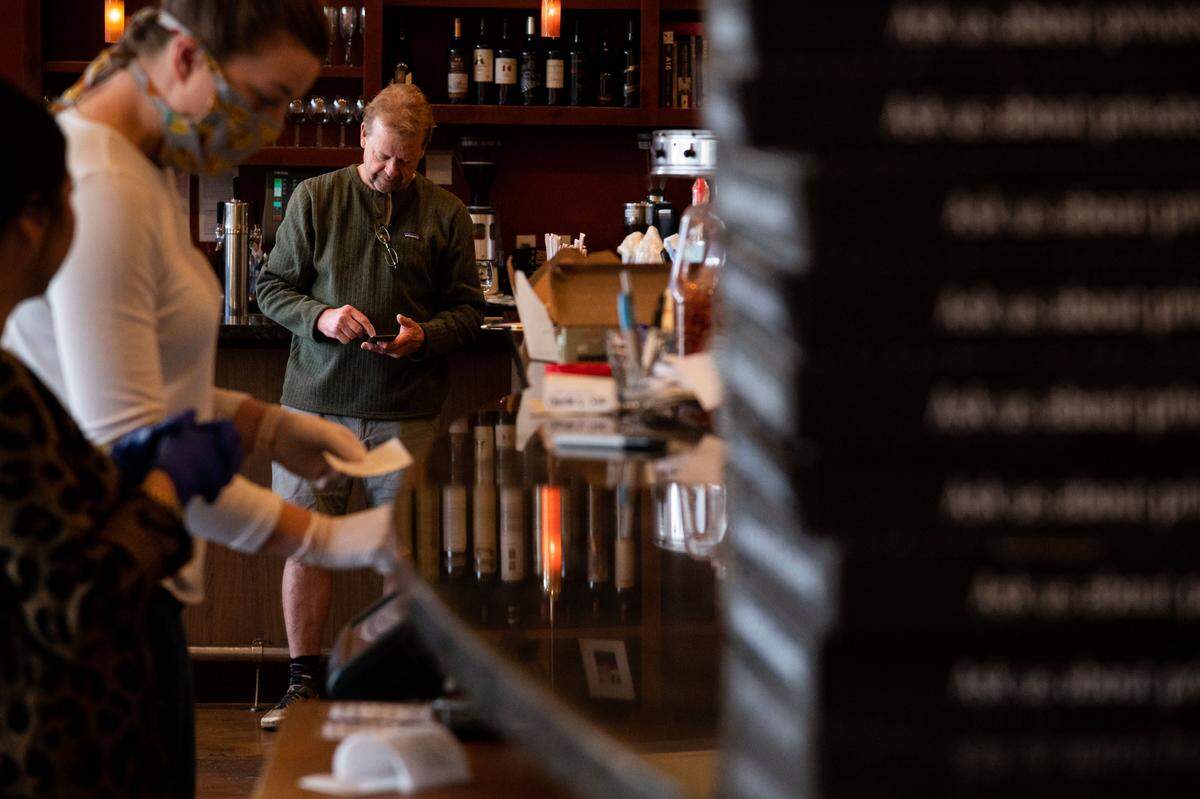
The Sacramento restaurant landscape
Gov. Gavin Newsom’s March 16 directive for all restaurants statewide to cease dine-in service, echoed by Sacramento Mayor Darrell Steinberg the next day, has forced owners to get creative.
Localis customers once ordered five or seven-course tasting menus; now employees at the midtown restaurant package and delicately transport three-course dinners to their homes. Many restaurants are selling pre-mixed cocktails or bottles of wine and beer to-go, and several have started selling four-person meals designed to offload their unnecessarily full pantries and fridges.
The uncertainty of when the lock downs might be lifted makes it tough for restaurant owners to plan for the future. What appears clear, though, is that social distancing recommendations will last for multiple months. Newsom canceled in-person school classes through the end of the school year, and said Saturday that he doesn’t anticipate the NFL season starting on time in September.
Restaurateurs are still responsible for bills accrued before or during that time, many of which aren’t problems for other businesses, Paragary Restaurant Group partner Randy Paragary said. For example, restaurants often operate on credit systems with their vendors where they might pay off each shipment 30 days after delivery.
If a restaurant was already lagging on those payments before the shutdown, closing dining rooms and the associated loss of income likely dug them a deeper hole. The owners would have to work out a payment plan with vendors for meat, produce, dry goods, linens and everything else that goes into the restaurant. If the restaurant’s revenue declined precipitously in February, as was the case at many of the city’s Chinese restaurants, that credit hole might be too deep to climb out from.
“It’s a fragile business oftentimes,” Paragary said. “The restaurants that weren’t super busy, (the ones that were) making a living but not really very profitable, so therefore the ownership didn’t have a great amount of ability to sock away savings for something crazy like this, they’re the ones to watch for.”
Those that do survive the dine-in ban will be starting essentially from scratch, Mahan said, having to scramble together inventory and staff all while competing with every other restaurant in town for those same resources. A potential gradual reopening — say, dining rooms allowed to be half-capacity for the first couple weeks — would ease that acceleration but would present other logistical obstacles and mean less revenue, Paragary said.
That’s all to say: just because a restaurant reopens in full when allowed to do so, it doesn’t mean it’ll make it through what will likely be a brutal first few months.
“(The restaurant scene) is a great part of our community and will continue to be a great part of our community. But will every restaurant that was open in Quarter 1 of this year be open in Quarter 1 of next year? Probably not,” Sacramento Metropolitan Chamber of Commerce President/CEO Amanda Blackwood said.
Visit Sacramento President/CEO Mike Testa is optimistic the city’s restaurant scene has a couple of things going for it that other cities don’t. For one, he said, driving destinations usually rebound quicker from recessions than those that rely on tourists flying in to stoke their economies, and Sacramento’s geographic location within a few hours of several Northern California hotspots lends itself to weekend getaways.
The other boon, Testa said, lies in nearby fields and feedlots. Sacramento’s dining scene hinges on its identity as the nation’s self-proclaimed Farm-To-Fork Capital and the fresh fruits, vegetables and other products nearby. Even if culinary stalwarts aren’t able to survive multiple months of takeout-only dining, the chefs and ingredients are already in place for new concepts to replace them.
“(Food) is the primary piece that we lead with for leisure travel because of the diversity of crops that are grown here and diversity of the restaurant scene,” Testa said. “We’re not going back to leading with the Gold Rush of 1849, though our history’s important. What has resonated with mass audiences of travelers is our food scene.”
But local farms, which have been increasingly selling their land to real estate developers for decades, aren’t exactly escaping the pandemic unscathed. The supply chains on which they rely to distribute product have been scrambled by a number of factors related to the coronavirus, and those that sell directly to restaurants are finding their remaining clients don’t need so much.
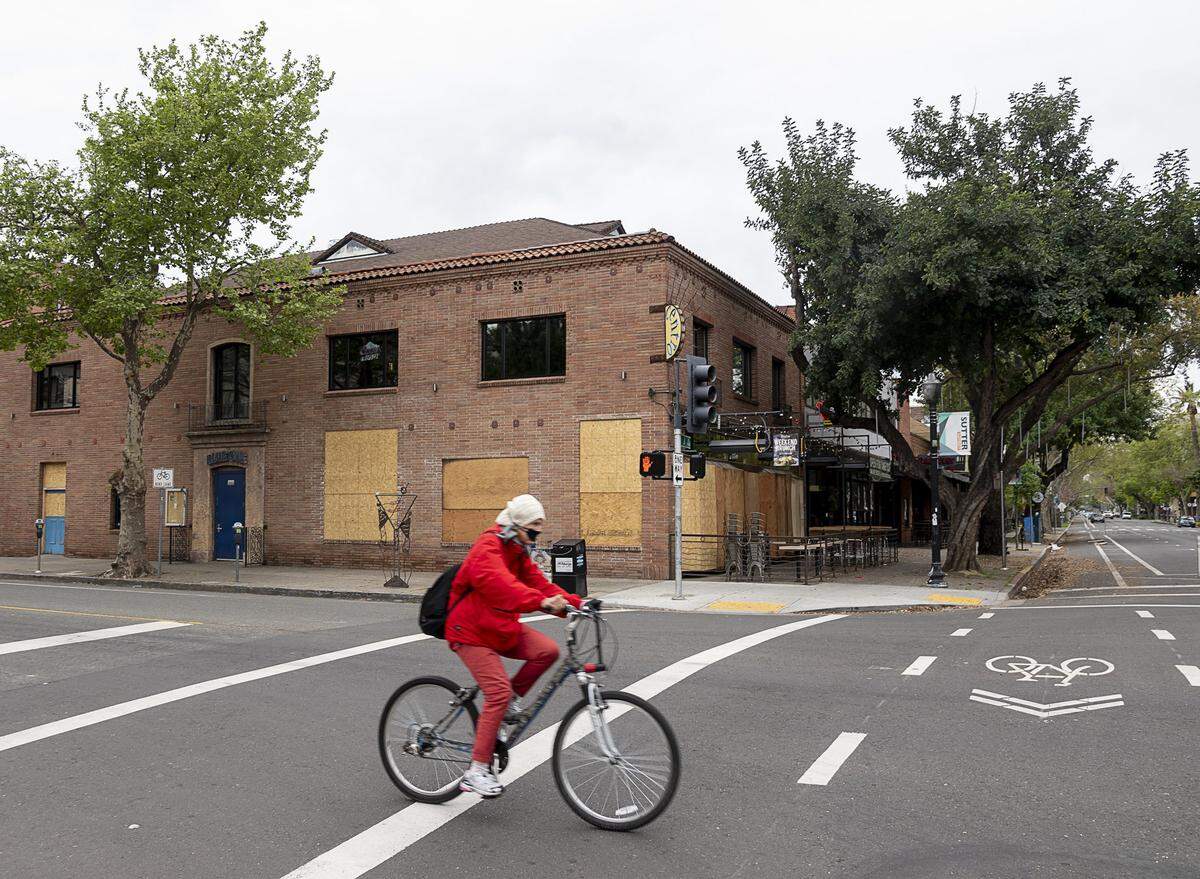
Are open restaurants a health risk?
For the time being, hundreds of local eateries have pivoted to takeout- and delivery-only business to tread water until they can fully reopen. Yet as COVID-19 infection totals rise and Sacramento County’s social distancing restrictions become more stringent, several restaurateurs have opted out of their sole moneymaking enterprise.
An infected customer who comes in to pick up an order may leave pathogens behind by using the bathroom or resting their hands on a counter, to say nothing of the cooks working closely together in kitchens. Though the Centers for Disease Control has repeatedly said there’s no evidence that COVID-19 can be transmitted through food itself, doctors recommend transferring each meal out of its to-go container and washing hands after handling the packaging.
Selland Family Restaurants closed its four remaining restaurants last Monday, weeks after determining The Kitchen, Bawk Fried Chicken and Ella Dining Room & Bar wouldn’t do takeout. CEO Josh Nelson said he felt OBO’ Italian Table & Bar and Selland’s Market-Cafe’s remaining staff were being put at risk even though none displayed COVID-19 symptoms and 90 percent of orders were done via curbside pickup.
“The more you read and the more you listen to what’s going on, you’ve got to get past this point of self-preservation and think about the people in front of you and the people working on the frontlines and make sure you’re making the proper decision,” Nelson said. “I just wish more people would protect everybody. The quicker everybody hunkers down, the quicker this is over.”
Closing The Kitchen was a relatively easy decision; dinner theater is hard to transfer to takeout. Ella shut down because downtown K Street’s foot traffic evaporated, Nelson said, the same reason Mayahuel closed Tuesday after trying takeout for two weeks. Bawk, which the family owns with Pangaea Bier Cafe and Urban Roots Brewing & Smokehouse owner Rob Archie, got much of its business from people on their way to or from the R Street Corridor’s shuttered bars.
Yet OBO’ and the three Selland’s Market-Cafe locations could have made takeout work. The revenue stream wasn’t great but was good enough on a normal night, and pop-ups — including a beef tenderloin dinner for two from The Kitchen executive chef Kelly McCown — sold out in less than 30 minutes, Nelson said. It was health concerns, not money troubles, that led to the last few dozen of Selland Family Restaurant’s 350 furloughs.
“When I sit back and look at where we’re going to be in two weeks, obviously no one knows the answer to that but I’m having a hard time asking staff to show up and stand next to each other,” Nelson said. “I feel like this’ll get worse, and we can’t keep asking staff to come in and put themselves in harm’s way.”
Health concerns scared Bacon & Butter owner Billy Zoellin away from opening for takeout as well. Even after school districts shut down and concerts, athletic events and parades were canceled throughout the city, people flocked to both Bacon & Butter locations on the weekend of March 14 and 15, Zoellin said.
Newsom called for all restaurants statewide to cut their dine-in capacity by half that Sunday night. The next day, he said they should close entirely except for takeout and delivery.
Bacon & Butter’s weekend brunch service normally generates a queue of customers waiting for tables. On that weekend, it made Zoellin feel queasy.
“It felt terrible with the looming news and knowing what was going on. Hearing things from the city leaders, it felt like we were on the frontlines already,” Zoellin said.
Bacon & Butter’s Facebook page announced the breakfast-and-lunch restaurant in East Sacramento and Tahoe Park would switch to to-go service on March 17, the morning of St. Patrick’s Day. A little more than an hour later, the post was updated to effectively say, “never mind, we’re closing entirely.”
Zoellin hopes to hire back all Bacon & Butter staff once the restaurants can reopen, he said. His landlords are being flexible on rent, and the little remaining perishable food was distributed to employees. But both locations usually drawing many customers from nearby hospitals, and the risk of contamination from an infected person pulling on a door handle or using the restroom was too high for Zoellin to open even for takeout, he said.
“We’ve always been held to high standards of cleanliness in this industry,” Zoellin said. “But when something is this aggressive, this dangerous and we are inviting the public in, they’re touching our doors, using the restrooms … there’s no way (to be totally safe).”
Journey to the Dumpling didn’t suffer an economic hit the way other Chinese restaurants did as the pandemic began spreading throughout February, but the Elk Grove business ceased takeout at the end of March. The Other Side closed last Wednesday to consolidate Track 7 Brewing’s resources. And Anna’s Vegan Cafe and Sinbad Market & Bakery both cited health concerns as the reason to close last Thursday after doing takeout since the shutdown began.
“We feel that it’s impossible to have our cafe be back in business knowing our valued customers, friends, staff and families may be at risk,” Anna’s wrote on Facebook.
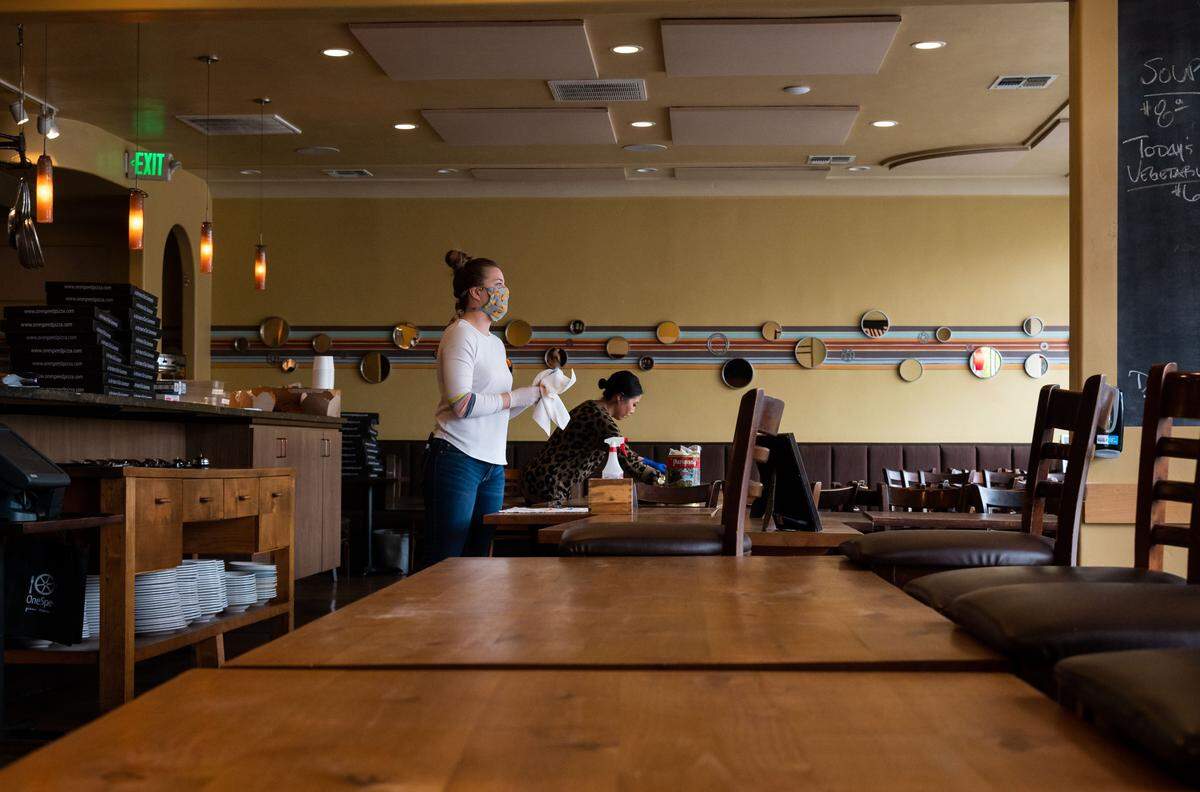
Help for restaurants amid COVID-19
For all the factors currently working against Sacramento’s dining scene, it’s not going down without a fight.
The Sierra Health Foundation’s Donate4Sacramento fund surpassed $1 million in private donations earlier this week, some of which will go toward locally-owned businesses in Sacramento’s less affluent neighborhoods in addition to homeless services, nonprofits and families in need. A GoFundMe page to benefit independent restaurants, bars, cafes, breweries and wine tasting rooms has also given 26 establishments about $1,000 apiece.
Direct purchases of food, drinks or sundries obviously financially benefit the restaurants that do remain open, though delivery apps such as GrubHub and DoorDash take a 15 to 30 percent commission fee per order. Gift cards can also help but may amount to nothing more than a donation if the restaurant can’t eventually reopen.
Restaurant owners maintain they’ll need federal bailouts to rebound, and the National Restaurant Association asked Congress for $325 billion in grants, loans and other financial aid on March 18. For now, government resources such as the Paycheck Protection Program, CARES Act and Small Business Administration economic insurance disaster loans offer a small amount of relief.
Assemblyman Jim Cooper, D-Elk Grove, joined dairy farmers in Galt for a press conference Wednesday morning to plead for people to buy locally-sourced milk. Farmers in other states have been forced to dump milk despite high customer demand because of supply chain breakdowns tied to social distancing; California dairies and other farms could avoid the same fate if they didn’t need to transport their products as far, Cooper said.
All these efforts may stanch the bleeding some. But as Hoppy Railyard Kitchen & Hopgarden owner Troy Paski wrote on Twitter, his 18-month-old brewpub was offered a $15,000 economic insurance disaster loan to offset an anticipated $500,000 loss. And even if restaurants are permitted to reopen their dining rooms as early as June, things won’t back to the way they were for some time.
Money will be owed left and right. A considerable chunk of the city’s already-thin hospitality employment sector may opt for more stable fields, and customers may have less cash to spend. Sacramento’s most prominent blocks will be pocked with vacant buildings.
Mahan said The Waterboy will be forced to change if it makes through the dining room closure, though he declined to give specifics as to how. Testa, for his part, said food will remain the Sacramento region’s calling card, no matter which restaurants come out on the other side.
“I don’t have a crystal ball to tell you what’s going to happen to specific restaurants over the next few months,” Testa said. “What I do know is what makes this region special is the agriculture we produce and the talented chefs we have. At end of day, what’s made our food scene special will still exist.”
This story was originally published April 9, 2020 at 12:56 PM.