Sacramento is struggling to build affordable housing. These policies could fix that
READ MORE
Sacramento’s Affordable Housing Needs
Despite recent building and development, Sacramento has fallen far short of meeting the needs of those without resources to pay skyrocketing rents and the rising cost of home ownership.
Expand All
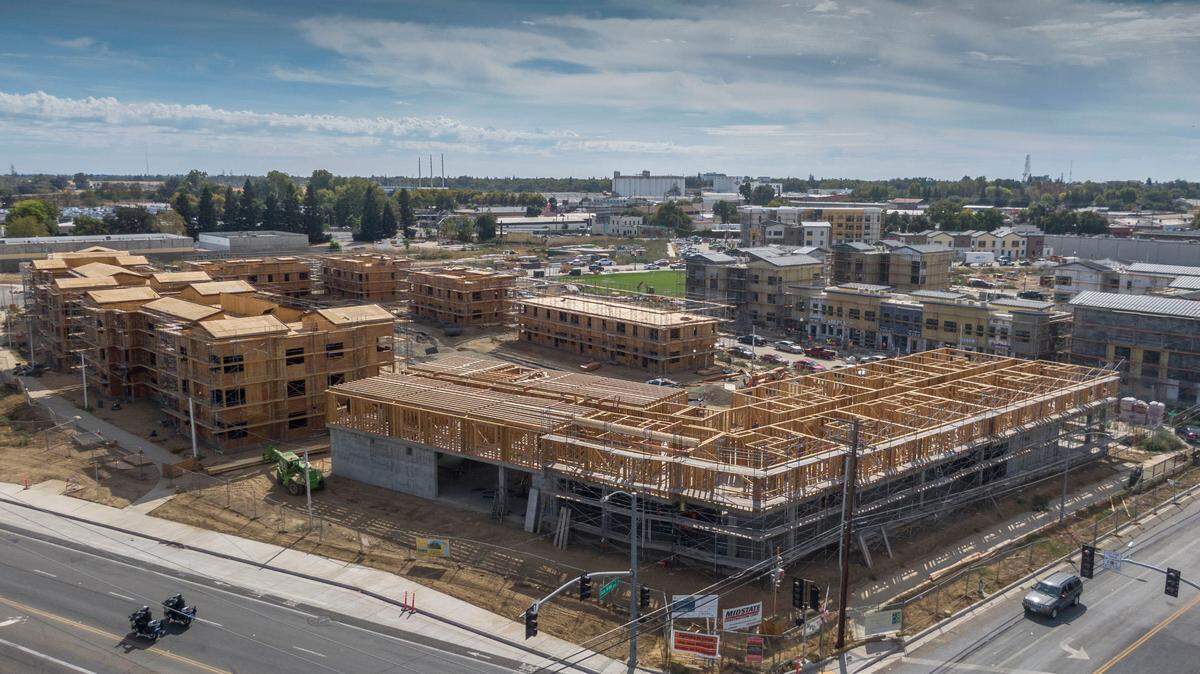
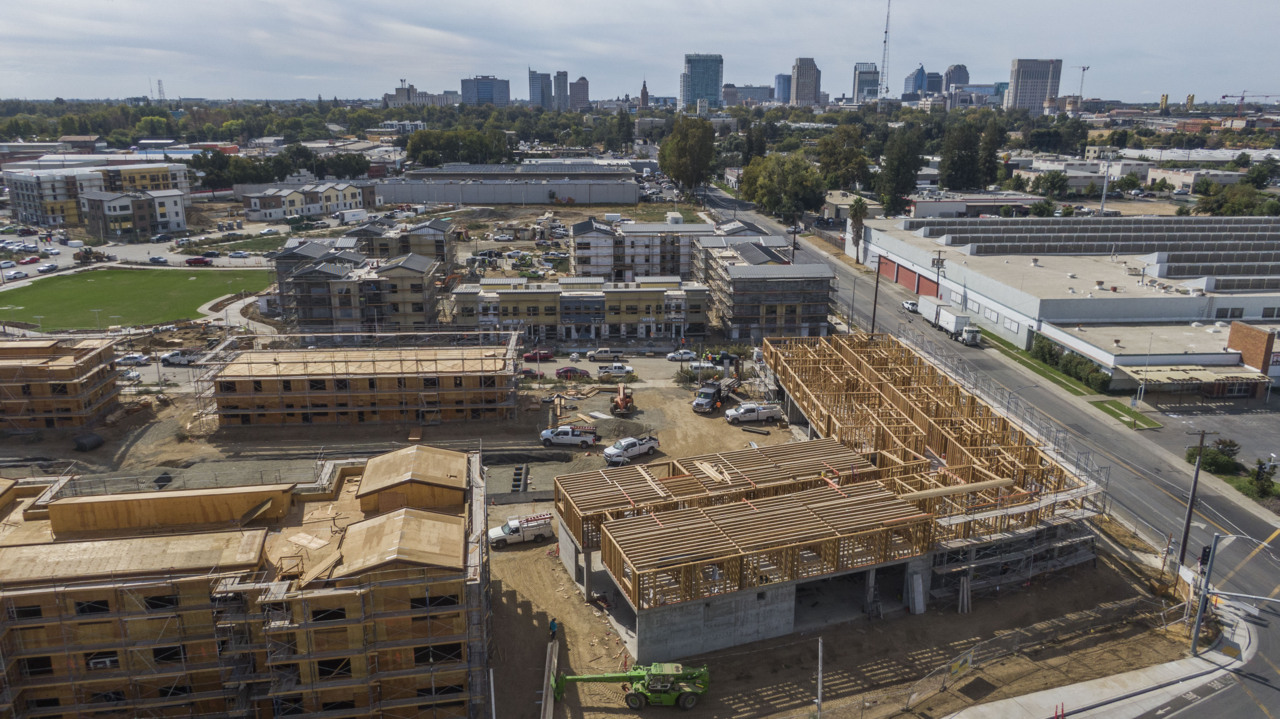
Sacramento has enough vacant and underused land to add nearly 27,000 new residential units to the city’s housing stock by 2029. Under an eight-year housing strategy the City Council approved in August, 60% of those new units could be for lower-income residents.
The question is whether city officials can deliver substantive relief from the housing crisis and get those units built so more service workers, public employees and young people can afford to live here. So far, the data doesn’t bode well for meeting such state-mandated targets, which means the city must do more to encourage and enable high-density housing construction across the board.
As of June, there were an estimated 23,797 housing units in the city’s development pipeline. While 73% are higher-density projects such as apartments or condos, only 1,931 are affordable units. That’s roughly 8% of the city’s proposed residential development, underscoring the difficulty Sacramento faces in turning its housing capacity into projects that its workforce and underprivileged residents can afford.
The city also has had limited luck attracting developers. Since approving a $100 million housing trust fund in January 2020, Sacramento has placed $31.5 million into the fund to help build 350 low-income units but has spent just $13.5 million. To address the city’s housing deficit, Sacramento needs 16,769 more affordable units, a Sacramento Bee analysis found.
Obviously, the pandemic severely hampered development plans. But with the city now in recovery mode and housing production ramping up, its leaders need to accelerate housing production or risk displacing more residents and forcing others into substandard conditions.
Mayor Darrell Steinberg told The Bee that adding more revenue to the housing fund is his No. 1 priority when the midyear budget discussions begin in a few months. Using public subsidies to attract affordable housing developers is a worthwhile goal, but it should not be viewed as a panacea. Further reforms are needed to address the city’s bureaucratic barriers.
Sacramento has already taken steps to make housing production easier by streamlining projects that meet certain affordability criteria. In July 2020, the city adopted a new ministerial approval process that allows infill housing projects that comply with the city’s top-line housing standards to bypass the long line of public hearings that routinely delay needed projects.
More than a year later, Sacramento has had a few success stories since it adopted the change. Two different North Sacramento projects, Northview Pointe and 1212 Village, received expedited approvals in under 75 days. They will bring a combined 142 affordable housing units along the Arden Garden Connector.
For comparison, approval of the Arden Way Apartments, which consists of 120 affordable units, took 295 days.
Expedited approvals are just one step, though. The current city code requires affordable housing developers to build one parking space for every two units, and a single parking space can add as much as $80,000 in construction costs depending on the property. Sacramento should remove parking requirements for all affordable and senior housing projects so future tenants can reap the benefits of lower building costs and less pollution in walkable, transit-oriented neighborhoods.
Sacramento should also strive to implement a new state law, Assembly Bill 602, as soon as it is enacted on Jan. 1. AB 602 reforms impact fees to make them proportionate to the size of new housing units, which reduces the incentives for developers to build larger and more expensive projects.
Other actions, such as changing how transportation impacts are calculated, advertising the streamlined review processes, improving transparency and aligning housing standards with neighboring cities, are the sort of small technical changes Sacramento can effect to make building easier. The Sacramento Area Council of Governments has laid out many of these policy options for local officials to explore.
Sacramento leaders have demonstrated a willingness to reform housing laws at the local level and explore wholesale changes that encourage smart development. But given the insufficiency of the affordable housing in the pipeline, we can’t afford complacency on housing policies.
NIMBYism and legal action from well-heeled residents threatens even the smallest projects. Sacramento leaders need to be assessing every step of the process, from application to leasing day, to find ways for quality projects and affordable housing to become the rule and not the exception.
BEHIND THE STORY
MOREWhat are editorials, and who writes them?
Editorials represent the collective opinion of The Sacramento Bee Editorial Board.
They do not reflect the individual opinions of board members or the views of Bee reporters in the news section. Bee reporters do not participate in editorial board deliberations or weigh in on board decisions. The same rules apply to our sister publications, The Modesto Bee, Fresno Bee, Merced Sun-Star and San Luis Obispo Tribune.
In Sacramento, our board includes Bee Executive Editor Colleen McCain Nelson, McClatchy California Opinion Editor Marcos Breton, opinion writers Robin Epley, Tom Philp, LeBron Antonio Hill and op-ed editor Hannah Holzer.
In Fresno and Merced, the board includes Central Valley Executive Editor Don Blount, Senior Editor Christopher Kirkpatrick, Opinion Editor Juan Esparza Loera, and opinion writer Tad Weber.
In Modesto, the board includes Senior Editor Carlos Virgen and in San Luis Obispo, it includes Opinion Editor Stephanie Finucane.
We base our opinions on reporting by our colleagues in the news section, and our own reporting and interviews. Our members attend public meetings, call people and follow-up on story ideas from readers just as news reporters do. Unlike objective reporters, we share our judgments and state clearly what we think should happen based on our knowledge.
Read more by clicking the arrow in the upper right.
Tell us what you think
You may or may not agree with our perspective. We believe disagreement is healthy and necessary for a functioning democracy. If you would like to share your own views on events important to the Sacramento region, you may write a letter to the editor (150 words or less) using this form, or email an op-ed (650-750 words) to opinion@sacbee.com. Due to a high volume of submissions, we are not able to publish everything we receive.
Support The Sacramento Bee
These conversations are important for our community. Keep the conversation going by supporting The Sacramento Bee. Subscribe here.