High rents and low incomes: Sacramento is far short of its affordable housing needs
READ MORE
Sacramento’s Affordable Housing Needs
Despite recent building and development, Sacramento has fallen far short of meeting the needs of those without resources to pay skyrocketing rents and the rising cost of home ownership.
Expand All
Kristi Phillips, Anthony Slain and their three children have been on a waiting list for a Housing Choice Voucher, formerly known as Section 8, for over 11 years.
The engaged couple recently contracted the coronavirus, which meant they couldn’t work. They’re running out of money to pay for their South Natomas hotel and when they do, the family will have to go sleep in their camper in a parking lot.
“I don’t know what we are going to do,” Phillips, 47, said. “My anxiety is starting to really mess with me at this point. I just want to crawl under a rock and cry so bad.”
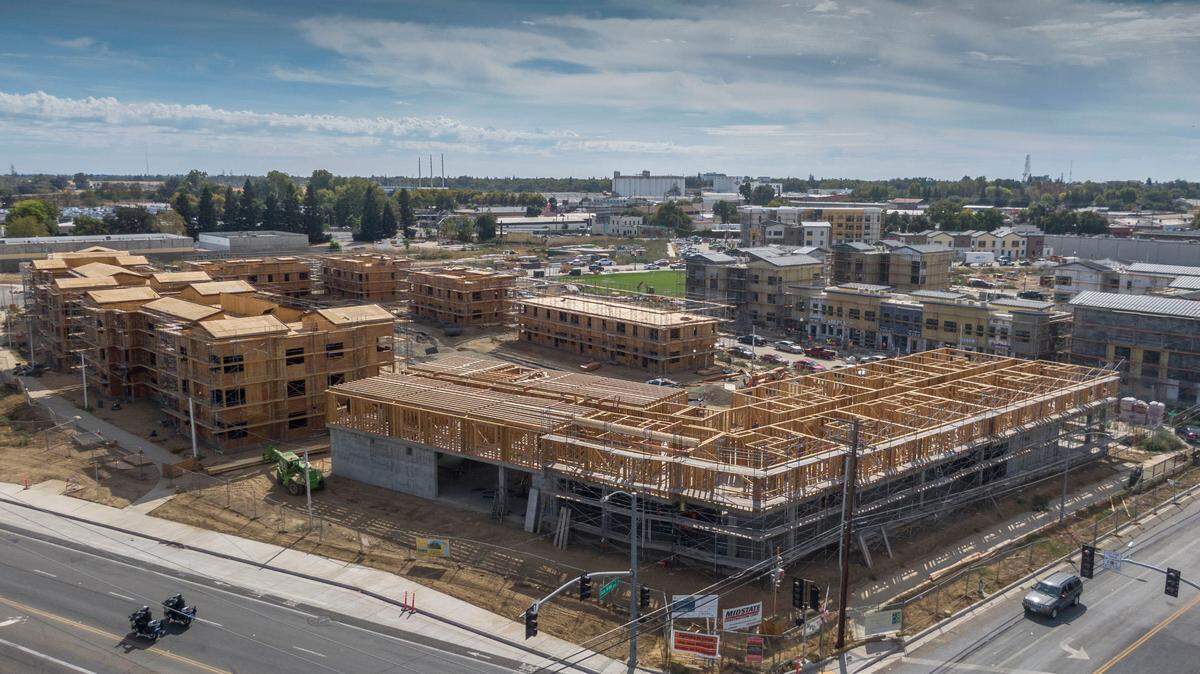
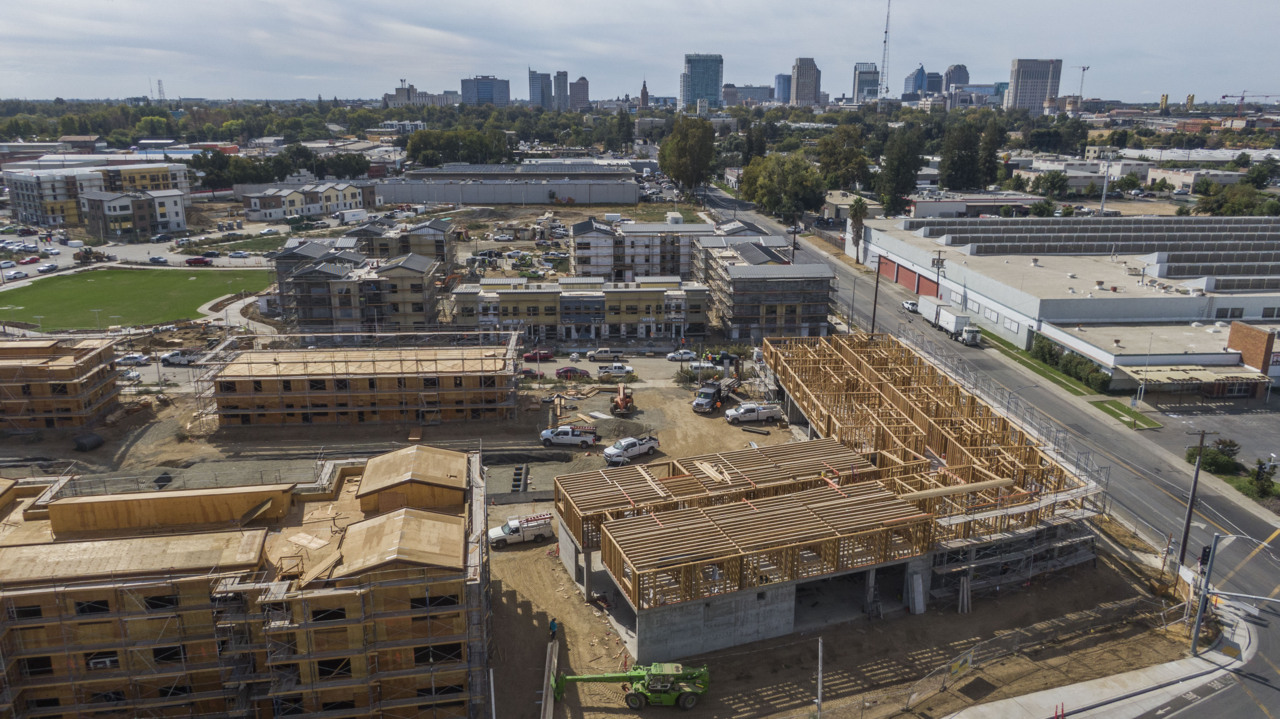
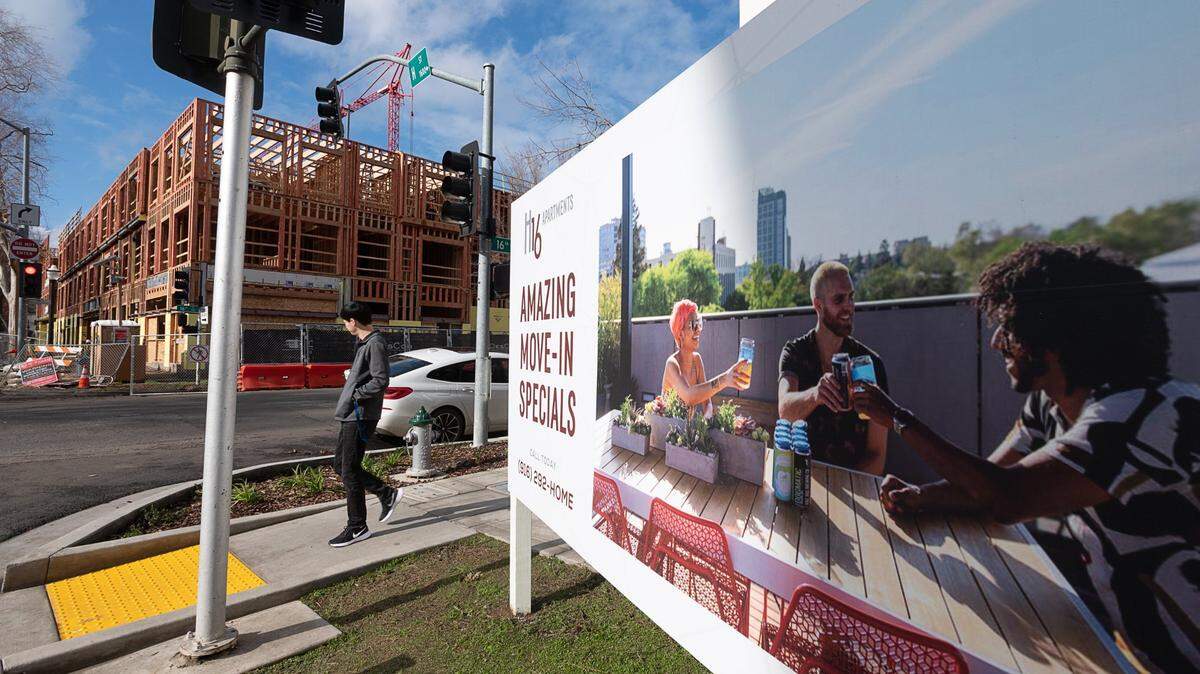
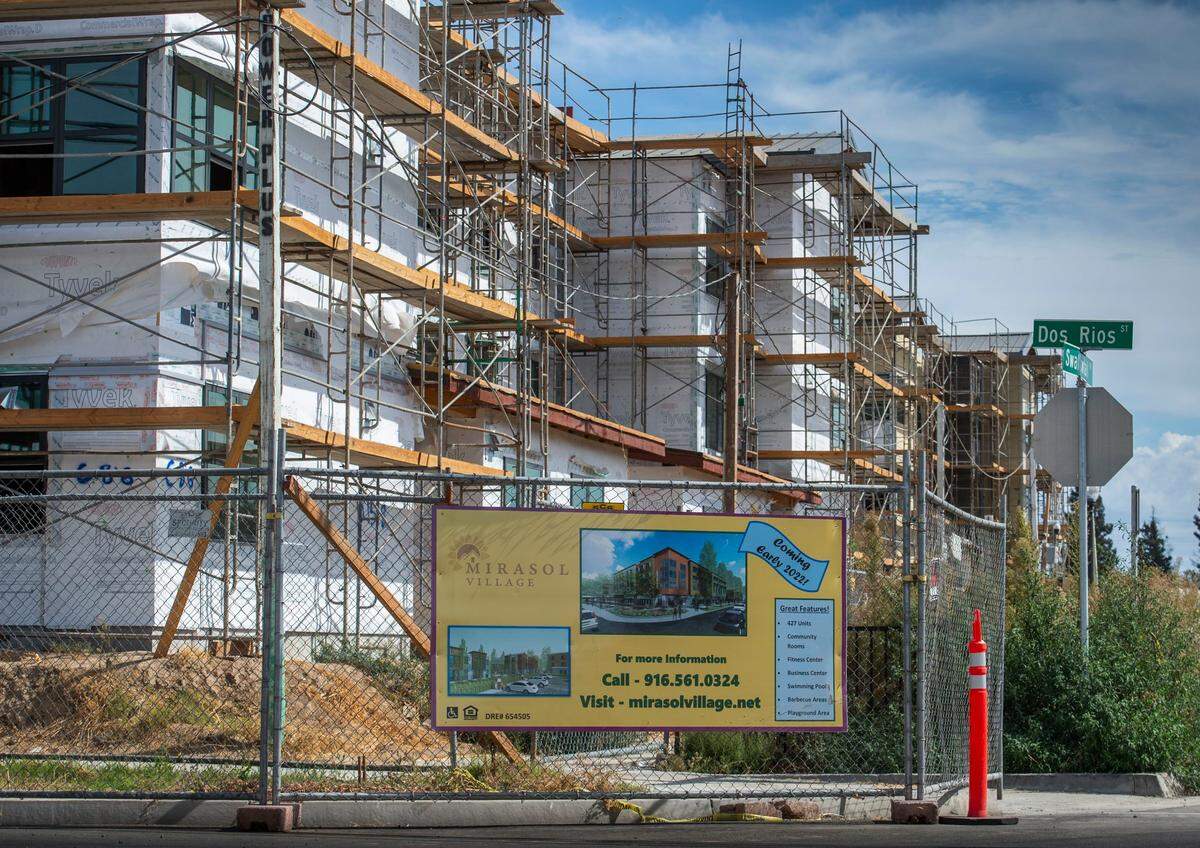
During the past decade, rows of homes have been built from North Natomas to south Sacramento. A major mixed-income development called Mirasol Village is under construction north of downtown, replacing an outdated public housing complex with a new neighborhood of 420 homes, a city park and community garden. Cranes have filled the downtown skyline while the population of the city has boomed.
Despite all the building and development, Sacramento has fallen far short of meeting the needs of those without the resources to pay skyrocketing rents and the rising cost of home ownership. The city still needs thousands more affordable housing units.
“We need to produce that affordable housing to provide places to live for people who can’t afford market-rate housing,” said Ansel Lundberg, co-chair of House Sacramento, a housing advocacy group. “Whether that’s service workers or people who move to Sacramento for a more affordable place to live or people who grew up here.”
Yet nearly two years after the city launched an ambitious fund to support the construction of affordable housing, the plan has been slow to gain momentum, financing fewer housing units than city officials had initially hoped for.
In January 2020, the city started an affordable housing trust fund. The idea was to sell $100 million in bonds backed by future Measure U city sales tax revenue to spark the construction of thousands of affordable units, Sacramento Mayor Darrell Steinberg said at the time.
Then the coronavirus hit, and the city hit pause on selling the bonds due to its uncertain financial state. The city treasurer still has not given the green light to sell bonds for the housing trust fund, Steinberg said.
Mirasol Village, which broke ground in late 2020, was not financed by the housing trust fund but instead was backed by federal and state dollars.
Last year, during the midyear budget process, the City Council directed $31.5 million from the city budget surplus toward the housing trust fund. The money was available because the pandemic did not cause as big of a hit to city coffers as officials originally projected.
So far, that money has been allocated to two affordable housing projects — $10 million for 200 units on Stockton Boulevard and $3.5 million for the 150-unit Wong Senior Center Apartments in the downtown Railyards. Construction has not started on either project.
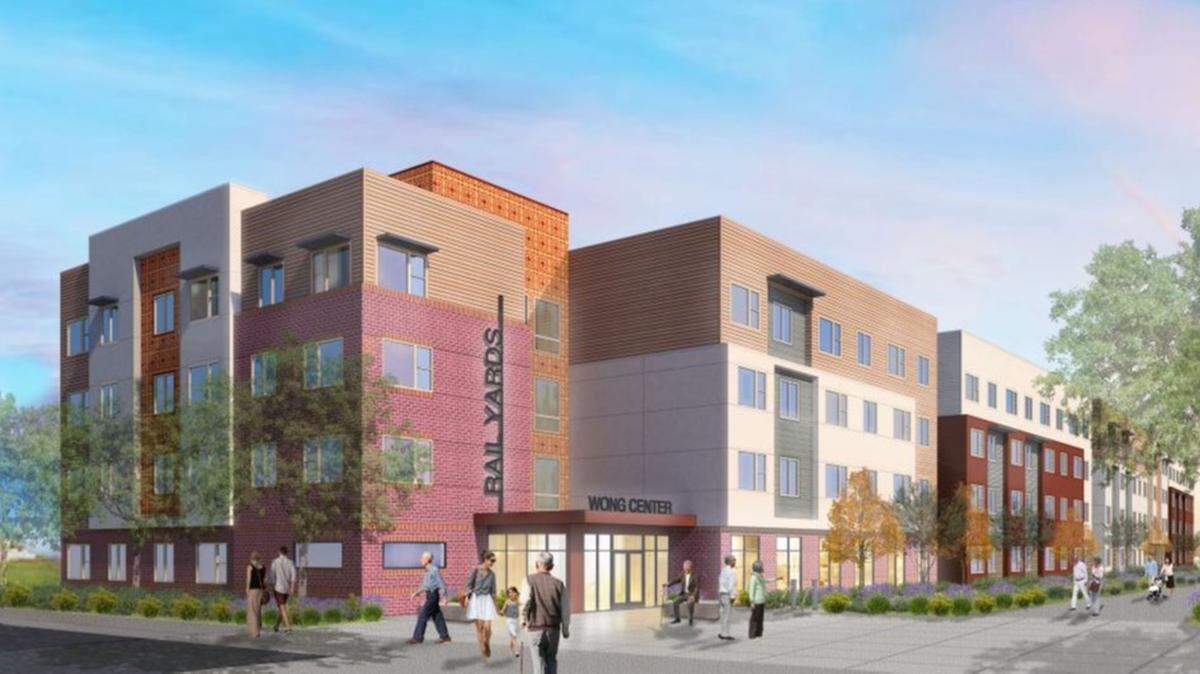
Those projects are important steps, but to sufficiently address the city’s housing shortage, the city would need to create a whopping 16,769 new housing units for low-income residents by 2029, according to a state-mandated report. Low-income households are those in which a family of four earns $69,050 or less.
“It makes a big impact and it’s only the beginning,” Steinberg said of the 350 units. “We have to continue with what we started.”
In February, during the next midyear budget process, the council could increase the trust fund.
“When midyear comes again in several months, if we have additional revenue, which I anticipate we will, filling the housing trust fund with more resources is my number one priority,” Steinberg said.
More money needed for housing
The mayor said he still wants to grow the fund to $100 million, but that won’t happen from the midyear budget alone.
The city might also receive federal and state money it could put toward the fund. Steinberg said he is exploring potential ways to sell bonds that would be backed by a different revenue source than Measure U and the general fund, which supports many core city services, including police officers, fire personnel and parks maintenance.
Kendra Lewis, executive director of the Sacramento Housing Alliance, said she was glad the trust fund was “back on track,” but said the city needs to find a way to reach the $100 million goal.
“We have to find all this money for all these units — 16,000,” Lewis said. “It’s daunting, I think, at times from the public’s perspective.”
Earlier this year, the City Council determined how it would spend $112 million coming from the federal American Rescue Plan Act, largely approving a framework proposed by the mayor. Even though it included $41 million for homeless shelters, tiny homes and Safe Ground sanctioned tent encampments, it did not include funding for the housing trust fund.
Instead, it removed $5 million from the $31.5 million housing trust fund and shifted it to the city manager to use for expenses related to the pandemic and other organizational needs. The council also did not allocate any of the $89 million in federal Coronavirus Aid, Relief, and Economic Security Act it received last year to the trust fund.
The council should have allocated some of that coronavirus federal money to the housing fund, Lewis said.
“The way things look like they’re going, (the pandemic) is going to be impacting affordable housing,” Lewis said. “Even more people just can’t afford to pay high rents.”
A surge of Bay Area residents have moved to Sacramento during the pandemic, seeking more affordable housing and more space to work remotely. That has exacerbated an already tight housing market. As the region emerged from the Great Recession, the typical apartment rent soared 45% over the last seven years, adjusting for inflation. The typical apartment rent in the Sacramento region is now higher than in Seattle, Washington, D.C., and New York. Additionally, home values in the region jumped 21% in the last year — among the biggest increases in the country.
Housing also needed for homeless
Even though the trust fund is focused on affordable and workforce housing, the city must also create housing specifically for homeless individuals, Steinberg said.
Volunteers in January 2019 counted 5,570 homeless people living in Sacramento County, mostly in the city and mostly sleeping outdoors and in vehicles. An estimated 10,000 to 11,000 people would experience homelessness at some point during the year, the researchers estimated.
That year, the city permitted just 47 units for construction in Sacramento that were affordable for very low-income earners and another 59 units for people in the low-income category. That meant that in 2019, only 3.5% of newly permitted housing units in the city were affordable to a family of four that earned $67,000 or less.
The number of unhoused people living in Sacramento County increased 19% from 2017 to 2019, and if Sacramento continues to fall short of its low- and very-low income housing goals, homelessness will likely increase, said Lundberg of House Sacramento.
“It’s just exacerbating current trends,” Lundberg said.
Several homeless housing projects are underway, outside of the housing trust fund. Under the state’s Project Homekey program, the city and the Sacramento Redevelopment and Housing Agency are converting a hotel into 100 units of homeless housing in south Sacramento’s Parkway neighborhood, and creating 20 modular homes run by nonprofits. The city and SHRA are also opening a 119-unit homeless shelter and housing project for families in a North Natomas hotel.
Last month, Gov. Gavin Newsom announced a $2.75 billion expansion of Project Homekey, and Sacramento will be “competitive” in that process, Steinberg said.
“There’s a difference between homeless housing and workforce/affordable housing,” Steinberg said. “And we have to do both.”
This story was originally published October 10, 2021 at 5:00 AM.