
Local journalism with impact: Sacramento Bee’s 2024 stories that made a difference
Making a difference — that’s the driving force behind The Sacramento Bee. Our mission is to publish stories that tackle the region’s most pressing issues, bring our community’s rich diversity to life, and demand accountability from those in power. Through it all, we strive to make communities in Sacramento strong — not just as journalists, but as fellow community members.
In 2024, The Bee’s impact was felt across a wide spectrum of issues. From exposing conflicts of interest in charter school management to uncovering illegal practices in city governance, our reporting led to significant changes. We investigated financial turmoil at CapRadio, put authorities on notice in the cases of missing Indigenous people, and highlighted creative solutions to the housing crisis.
We invite you to help shape our focus for 2025. What issues do you believe need our attention? Where can our reporting make the biggest difference? Email your tips and story ideas to me at nstockdale@sacbee.com. Your insights are invaluable in guiding our efforts to serve this region better.
And if you believe in the power of local journalism to effect change, consider supporting The Sacramento Bee. By joining our mission, you can help strengthen our newsroom, ensuring that this kind of impactful storytelling continues for years to come. Contributions are tax-deductible, and you can donate online at sacbee.com/donate.
— Nicole Stockdale, senior managing editor
Questions about education and finances at St. Hope charter school
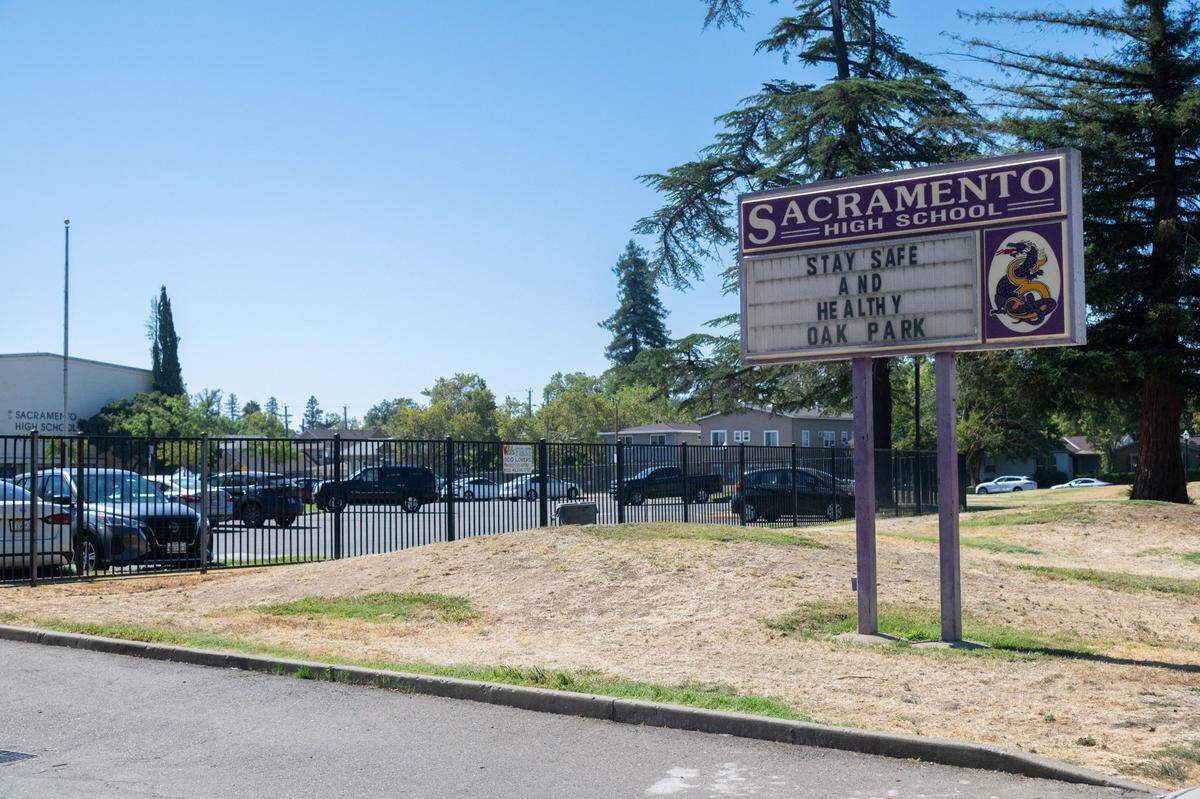
Topic: Students at Sacramento High School, one of California’s oldest high schools, struggled in the early 2000s to meet state educational standards. St. Hope, a program founded by former NBA star and Mayor Kevin Johnson, promised better outcomes for these underserved students by converting the high school into a charter and later adding an elementary and middle school to the program. St. Hope has received its share of criticism, but questions about educational quality, financial oversight and potential conflicts of interest have been raised as the program sought a renewed charter from the district.
Impact: Jennah Pendleton’s reporting informed the public about allegations of a range of major violations as St. Hope leaders sought its charter renewal. They responded to issues raised in an independent audit report by cherry-picking data on which to pin their success and by pressuring and enticing students to show support for their charter at school board meetings discussing the renewal. Jennah’s reporting kept pressure on St. Hope leaders to acknowledge and address conflicts of interest and on the school board to put in place some conditions in the charter renewal.
— Emilie Stigliani, assistant managing editor
Brewing battles over a raise for the city manager
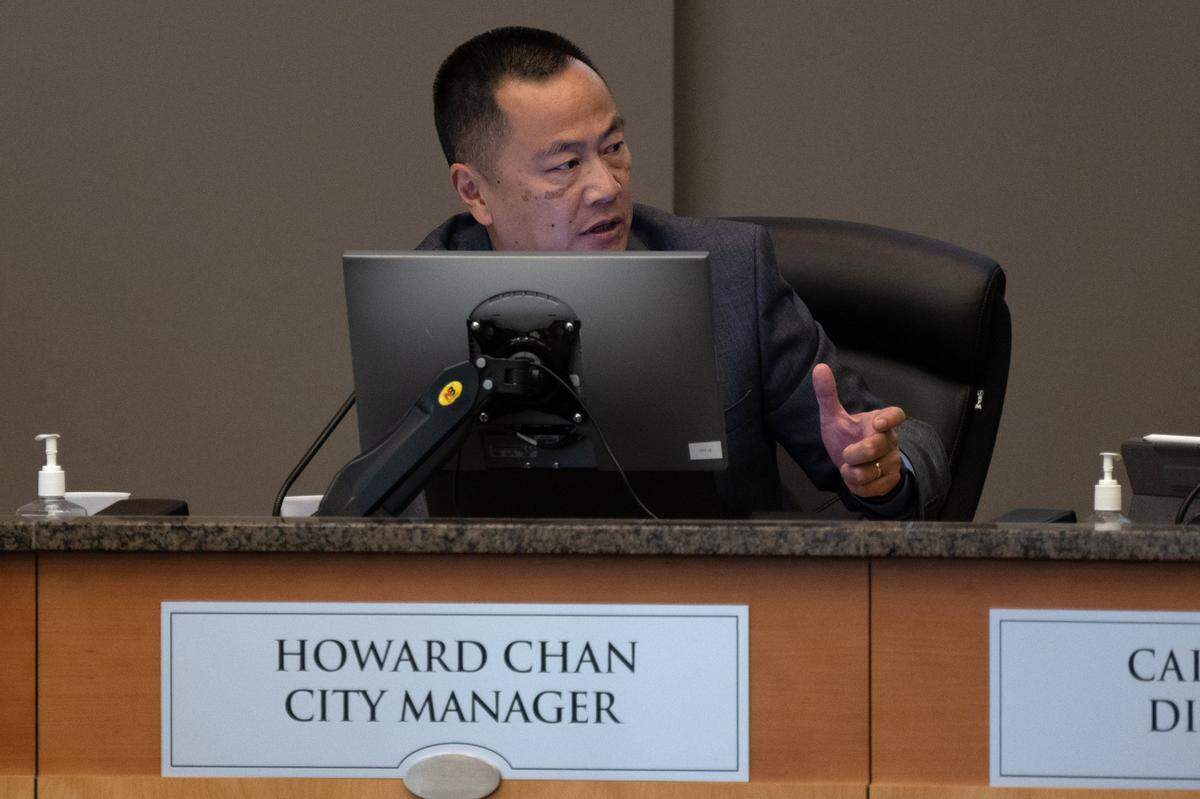
Topic: A year ago, right before Christmas break, Sacramento City Manager Howard Chan, who makes more than the governor, put an item on the agenda for the City Council to vote to give him a raise. Since it was during a “special” meeting with limited public notice or public comment, it was illegal, an expert told The Bee.
Impact: After I reported that the raise was illegal, the council in January rescinded the raise. The mayor and several council members issued formal apologies from the dais to the public. They also changed the rules to no longer allow the city manager to place his own raises on council agendas. In June, the city manager again asked the council for a raise, this time behind closed doors, which again broke the law, I reported. When Chan asked for a one-year contract extension in October, the City Council continued to delay the decision. The City Council ultimately struck down Chan’s contract extension.
— Theresa Clift, senior writer, and Sabrina Bodon, Equity Lab editor
Putting City Manager Howard Chan’s power into perspective
Topic: No one elected Sacramento City Manager Howard Chan. But Chan repeatedly demonstrated in 2024 that he is far more powerful than Sacramento’s elected leaders who were too timid to challenge Chan in public. Opinion writer Tom Philp did challenge Chan’s outsized authority by explaining it to readers.
Impact: Through dogged reporting and clear analysis, Philp explained to the public how Chan flexed his power in violation of state law and enhanced his personal wealth by coercing substantial raises out of elected council members until they finally refused him. Philp detailed the 64 vacation hours that Chan could cash out whenever he wanted and the private meetings he arranged to coerce elected officials for more. Philp demonstrated how the will of leaders elected by the public was subverted by a bureaucrat whose name has never been on a ballot.
— Marcos Bretón, California opinion editor
Hosting Sacramento mayor’s debate
Topic: In October, our audience and opinion journalists teamed up to give Sacramento voters a chance to hear from their mayoral candidates ahead of a monumental local election. The Bee hosted a live debate in partnership with PBS KVIE, where candidates Flojaune Cofer and now-Mayor Kevin McCarty confronted each other on issues ranging from homelessness to city development. The Bee’s opinion editor, Marcos Bretón, and KVIE’s Scott Syphax moderated the event, asking tough questions as voters prepared to cast their ballots. Behind the scenes, audience journalists JJ Juarez and Camryn Dadey led the way to bring the livestream to viewers on our website and social media platforms.
Impact: Local elections play a critical role in shaping the health and wellbeing of our cities. With tough-to-solve issues such as homelessness and affordability facing Sacramento, our team stepped up as a community convener to hold space for the consequential debate so voters could hear directly from their leaders and make informed decisions.
— Savanna Smith, digital strategy and audience editor
Police departments share data, after being told not to

Topic: Sacramento Bee reporter Stephen Hobbs teamed up with the News & Observer, a sister paper of ours in North Carolina, to investigate law enforcement agencies across California that were routinely making data they collected from automated license plate readers available to federal and out-of-state police departments, despite guidance from Attorney General Rob Bonta that the practice was illegal.
Impact: After they were contacted by The Bee, representatives for two police departments in the state said they would stop making their data available to non-California agencies.
— Karisa King, investigations editor
Immigration politics and realities in Sacramento
Topic: Throughout the year, Latino Communities reporter Mathew Miranda covered the complex world of immigration, writing stories that explored migrants’ frustrations with U.S. border politics, as well as the emotional toll of these policies, and following up on the realities migrants encounter after a year of unfulfilled promises.
Impact: These stories offered perspective into how policy, work opportunities and the complex immigration system manifest in the lives of migrants in Sacramento and California. Read more:
Latinos are growing frustrated and angry about migrants and the border. Here’s why
Viva Supermarket employees speak out against former councilman Sean Loloee, grocery stores
With false promises, Florida sent migrants to Sacramento a year ago. Where are they now?
Did Gavin Newsom, Rob Bonta fail the migrants who were flown to Sacramento from Florida?
California’s most anti-immigrant law passed 30 years ago. Do Latinos care about it today?
— Sabrina Bodon, Equity Lab editor
Financial turmoil, conflicts of interest at CapRadio
Topic: Our coverage of long-standing financial problems at Capital Public Radio, the local public radio station that is an auxiliary of Sacramento State, shed light on the extent of its debt and leaders’ efforts to handle the turmoil. We also revealed the identities of former CapRadio board members accused in an audit of having potential conflicts of interest while serving on the board of the taxpayer-funded organization.
Impact: Through investigative reporting and records obtained via the Public Records Act, these stories revealed to the public the identities of figures central in a financial scandal involving hundreds of thousands of dollars or more. Our reporting also deepened the public’s understanding of CapRadio and Sacramento State’s transparency, or lack thereof, in their accounting practices.
— Michael McGough, sports and local news editor
Shining a light on tribal communities
Topic: By publishing stories on Sacramento and Northern California tribal communities, The Sacramento Bee has put a mainstream spotlight on California Indian Country, strengthening the visibility of our local and state Native communities and helping effect change. We shared that the California Highway Patrol had issued only one Feather Alert, the emergency notification system for missing Indigenous people, in its first year. And we brought attention to the more than 150 documented cases of Missing and Murdered Indigenous people in the state.
Impact: Our reporting on the Feather Alert began the conversation in the California Legislature to amend the alert through Assembly Bill 2348, which was signed into law this year by Gov. Gavin Newsom. And the work we published on the Native American Graves Protection and Repatriation Act put pressure on the California State University system to not only expedite the return of Native ancestors and family items but also to improve collaboration with tribes.
— Emma Hall, equity reporter
Examining the role of the California Coastal Commission

Topic: As California struggles to find solutions to the affordable housing crisis, political reporter Jenavieve Hatch unveiled how strange bedfellows in the Capitol are beginning to emerge. Republicans, Democrats and YIMBY activists alike are coming together to reexamine the role of the California Coastal Commission, a largely unchecked government body that critics accuse of worsening the affordability crisis on the coast, leaving inland communities to pick up the slack.
Impact: Lawmakers said that due to our coverage of these issues, and of the Coastal Commission, California is likely to see renewed calls for reform in the upcoming legislative session.
— Grace Wyler, political editor
Combating poverty and inequity in Sacramento housing
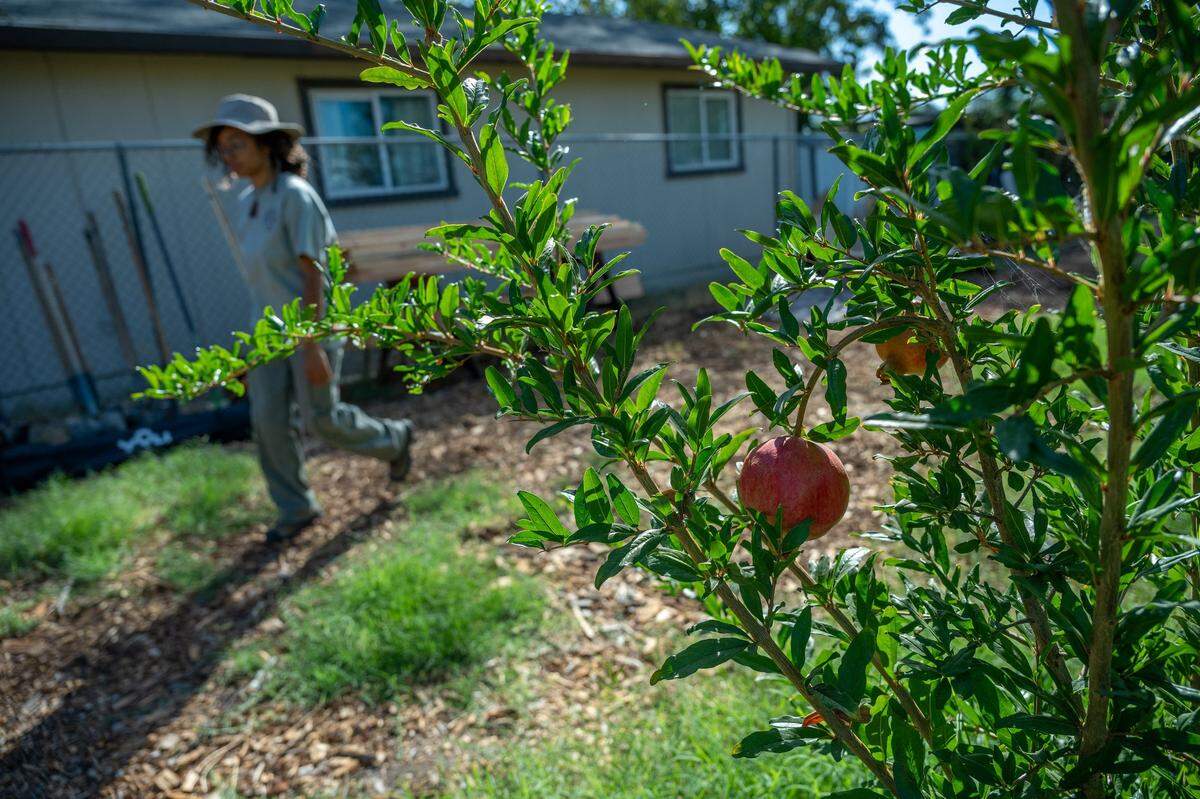
Topic: In covering low-wage workers, economic mobility reporter Cathie Anderson took stock of how nonprofits assist in finding, acquiring and maintaining affordable housing. Her reporting revealed the creative approaches individuals have undertaken to combat poverty and inequity in our community.
Impact: A nonprofit buying homes and empty lots in underserved neighborhoods. Tiny homes helping homeless families get back on their feet. Real estate veterans giving homeless women a new lease on life. A nonprofit that found success helping refugees turns its attention to the homeless. These stories share the collective efforts of nonprofits or individuals creating more equitable housing opportunities in Sacramento, especially for women and families.
— Sabrina Bodon, Equity Lab editor
After fraternity hazing, a trail of suffering
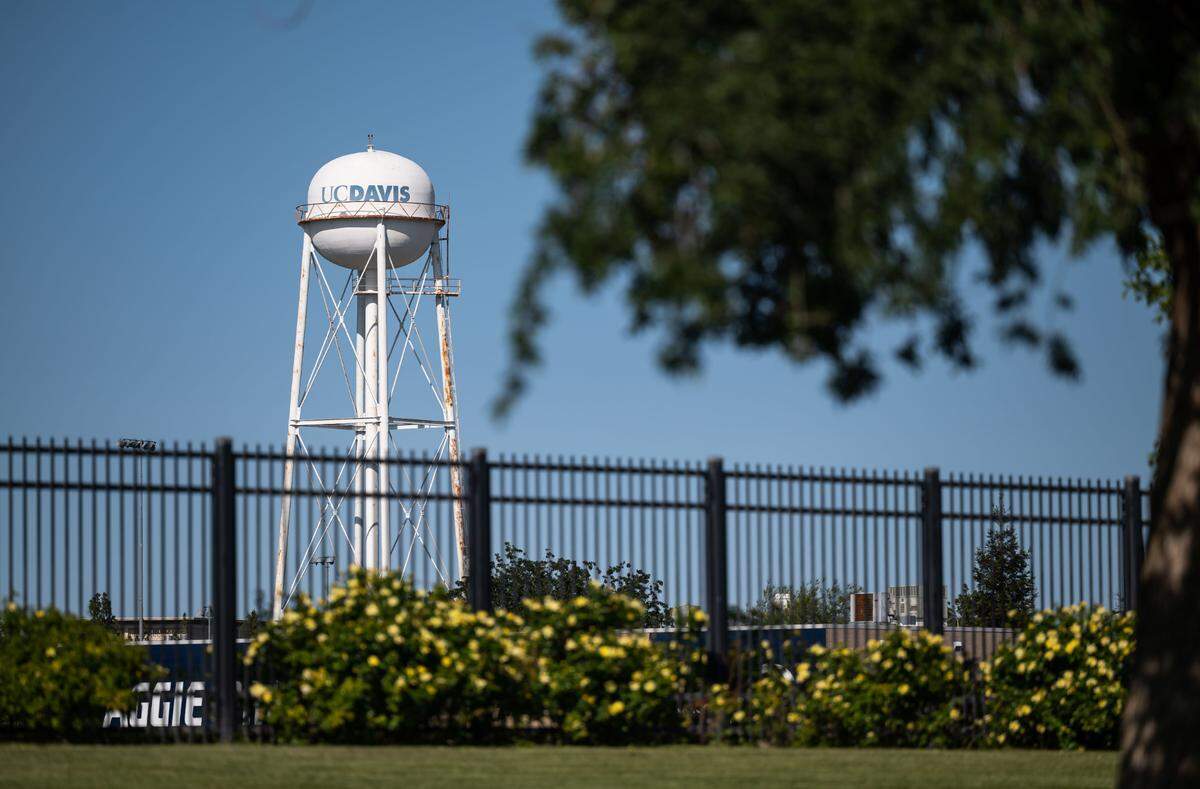
Topic: Alpha Kappa Psi, a co-ed professional business fraternity at UC Davis, was suspended on the campus after first-year student Sean Tran was hospitalized in a hazing incident. Reporter Ishani Desai examined in great detail Tran’s suffering and the university’s response.
Impact: Alpha Kappa Psi remains suspended. In November, the fraternity was placed on a revocation of registration through September 2029.
— Michael McGough, sports and local news editor
How Democrats lost touch with their mission
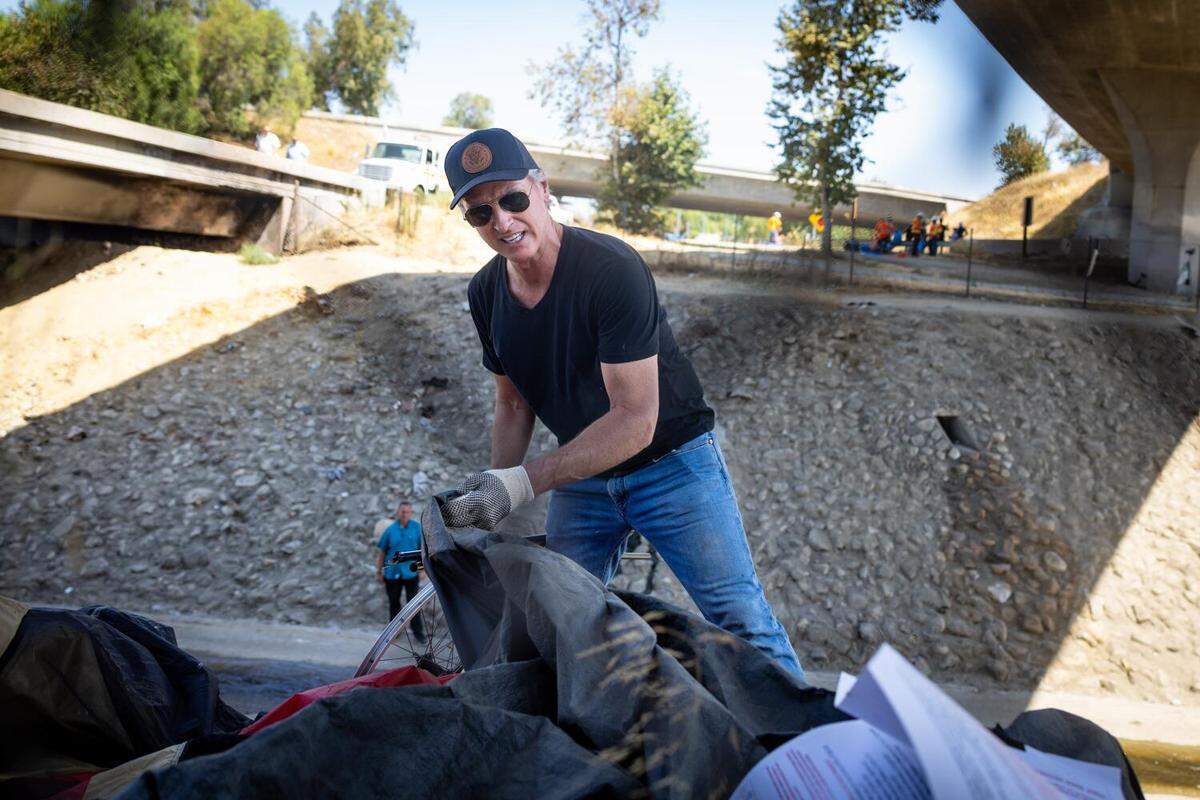
Topic: Opinion Writer Robin Epley has emerged as an incisive and sometimes withering critic of Gov. Gavin Newsom, President Joe Biden and local Democrats in the Sacramento region. Epley’s takedowns of leading Democrats in 2024 foreshadowed voter dissatisfaction that led to Democrats losing the White House and Congress.
Impact: Opinion writing is about reporting the news and understanding what it means. Months before post-election autopsies of Democratic failures, Robin Epley was demonstrating to readers why and how Democrats had lost touch with their mission and with voters.
— Marcos Bretón, California opinion editor
Finding relief from the Sacramento summer heat
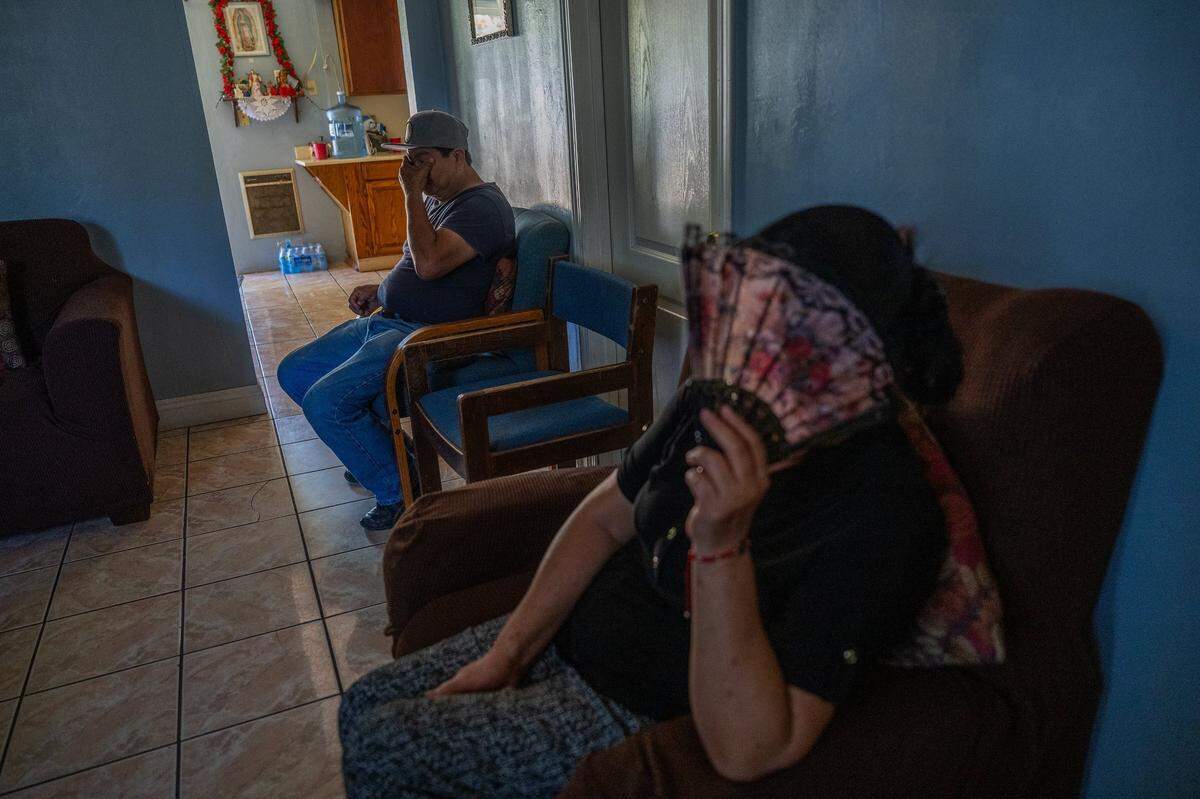
Topic: Reporter Ari Platcha and visual journalist Renée C. Byer told the story of low-income Sacramentans suffering through the summer heat in older homes that lack central air conditioning. For example, a family in Del Paso Heights was using inefficient window units to cool their home, and because of the expense, they couldn’t run the units long enough to get the house to a comfortable temperature.
Impact: After our reporting, the family was able to apply for assistance from the local nonprofit Community Resource Project, which helped install an AC system in their home.
— Nathaniel Levine, visuals editor
Digging for answers on state workers’ insurance plans
Topic: William Melhado, The Bee’s state worker reporter, wrote about public employees’ anxiety over CalPERS’ PPO plans changing administrators from Anthem Blue Cross to Blue Shield of California and Included Health. He also covered how the state’s fund balance for PPO plans, which serves as an emergency reserve, has shrunk by hundreds of millions of dollars.
Impact: After inquiring about the new insurance administrator’s missing health care coverage documents with CalPERS, the agency provided important policy information to members who were in the process of selecting plans during the open enrollment period.
— Grace Wyler, political editor
A fresh new voice in Sacramento opinion journalism

Topic: LeBron Antonio Hill brought a fresh perspective to The Bee’s opinion pages in 2024, relocating here from Tennessee. Hill gave voice to renters and young people. He wrote with conviction when California’s reparations movement for the descendants of slaves stalled out at the state Capitol. He explained why young Black men were attracted to Donald Trump.
Impact: Hill spoke for people whose stories and perspectives are too often missing in mainstream media. He was unafraid to challenge difficult topics or to champion people left behind in California.
— Marcos Bretón, California opinion editor
City Councilmember Sean Loloee’s resignation
Topic: In 2022, I uncovered that then-Sacramento City Councilman Sean Loloee was not living in the low-income district he was elected to represent, but instead in the affluent Granite Bay suburb. A week later, I broke the story that the U.S. Department of Labor had sued him, alleging he had threatened to deport employees at his grocery store chain and refused to give lunch breaks, among other labor violations.
Impact: I wrote over a dozen stories about Loloee not living in his district and his federal charges. He remained on the council. Then in December 2023, he was indicted in the labor violation case. The DOJ also independently verified my 2022 reporting, finding he indeed resides in Granite Bay. Loloee resigned in January 2024.
— Theresa Clift, senior writer