Some Californians make less than minimum wage. Here’s why
READ MORE
California’s $15 minimum wage
California set out in 2016 to become the first state on a path to a $15-an-hour minimum wage. Five years later, how’s that going? And why can some workers earn less than the minimum wage?
Expand All
California is trying a $15 minimum wage. Is it time for $20 – or $0?
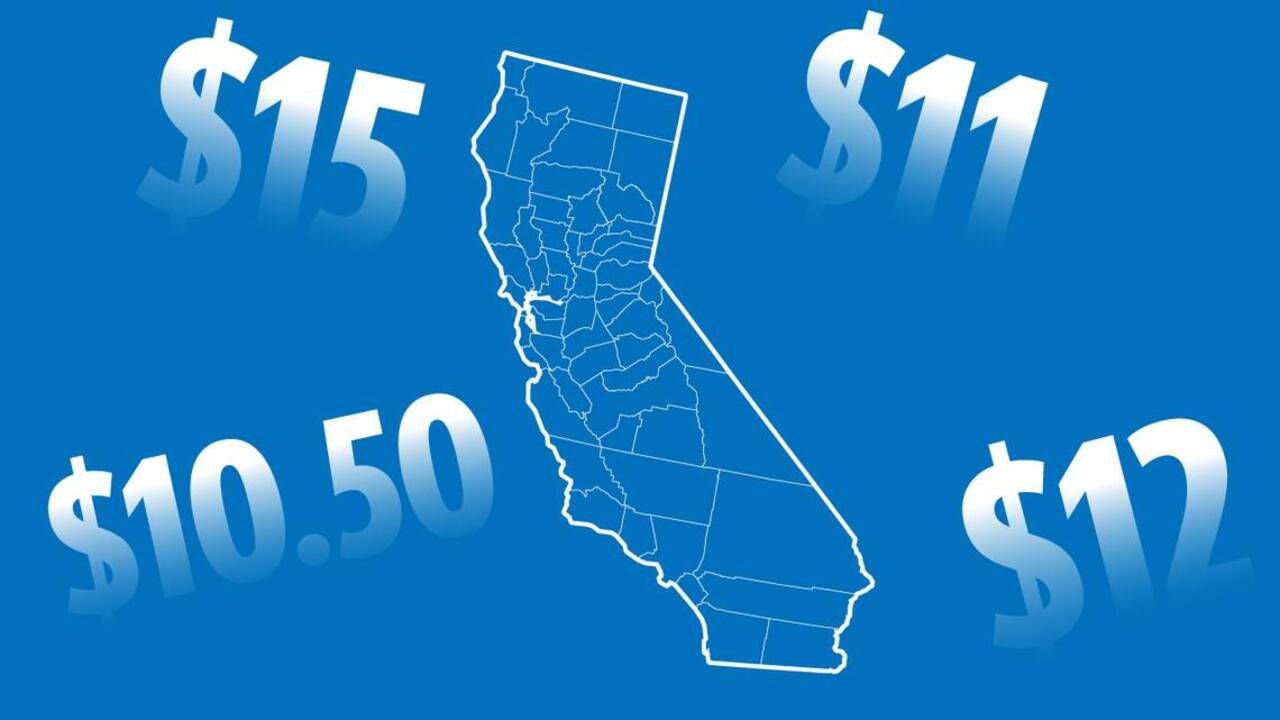
Here are 36 California cities and counties where the minimum wage is higher than $14 an hour
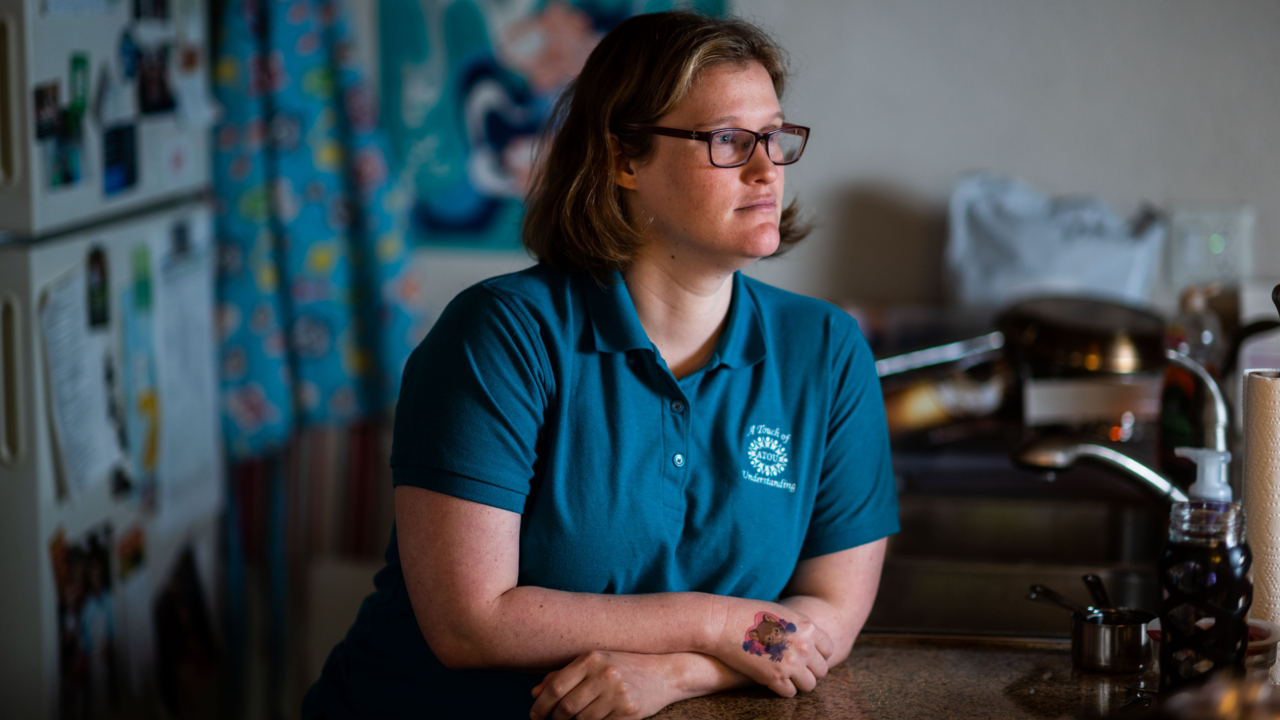
Some Californians make less than minimum wage. Here’s why
Who’s hiring in the Sacramento region? Here are the top sectors for job seekers
Uber, Lyft drivers have no right to minimum wage; that must change
Not everyone in California makes minimum wage.
Thousands of Californians with disabilities earn as little as $2 an hour. Garment workers have among the highest rate of wage violations, making as little as $5 an hour. Rideshare and food delivery drivers have a wage floor under Proposition 22, but it can be lower than the state’s minimum wage, with one study finding workers could be guaranteed only $5.64 an hour.
Here’s a breakdown:
WORKERS WITH DISABILITIES
Under a program known as 14(c), companies can pay Californians with disabilities below minimum wage.
The program began as a carve-out in the federal labor law in 1938, as a way to offer job opportunities to disabled veterans. The program requires employers to get a certificate from the government and adjust workers’ pay according to their performance compared to those without disabilities.
Many advocates, including parents of those with disabilities, support the program. They have said the program provides valuable opportunities for those who would otherwise not be able to get a job, although the state hasn’t done enough to connect them with employment.
Other disability advocates say the program is ripe for exploitation, citing a federal report that found thousands of workers across the nation were owed back pay. They have lined up behind Senate Bill 639, which would end the program by 2025 at the earliest. The bill is currently in the state Assembly.
“The subminimum wage not only relegates many highly capable, ambitious workers into menial, unfulfilling and below-poverty vocational experiences, it also reduces our expectations about work and wages for all people with disabilities,” Disability Rights California, which sponsored SB 639, wrote in a letter to the Legislature supporting the bill.
GARMENT WORKERS
Garment workers are required to make minimum wage. However, advocates say wage thefts in the industry are so rampant that many workers make far less than $13 or $14 an hour, which is California’s current minimum wage.
The state’s Labor Enforcement Task Force reported that garment manufacturers in 2019 were assessed nearly $2.2 million in wage-related and health and safety penalties.
A key reason, advocates said, is that those workers are paid by how many pieces they produce, not by the hours they work. That could often mean workers are paid $300 a week for working 60 hours, said Maria del Carmen Hernandez, a garment worker in Southern California for more than 30 years.
Hernandez is one of the workers lining up behind Senate Bill 62, which would require workers to be paid by hours worked and hold fashion brands liable for labor law violations of their contractors.
Business organizations are pushing back against the bill, with the California Chamber of Commerce labeling it a “job killer.” In a letter provided to The Sacramento Bee in August, CalChamber said it agrees with eliminating wage theft in the industry but has a problem with the bill holding fashion brands liable for the violations of their contractors.
“SB 62 will drive businesses to manufacture out of California because of the unprecedented joint and several liability that the bill places on brands, retailors, licensors, and others without punishing the bad actors. If SB 62 were amended so that it only eliminated the use of piece-rate work in the garment industry, we would remove our opposition,” wrote CalChamber policy advocate Ashley Hoffman.
The bill is currently in the state Assembly.
RIDESHARE AND FOOD DELIVERY DRIVERS
Under Proposition 22, which passed last year, rideshare and food delivery drivers are guaranteed 120% of the area’s minimum wage for the time they spend picking up and driving goods or passengers, plus 30 cents a mile.
But some workers, advocates, and experts argue the proposition still doesn’t guarantee a minimum wage for those drivers. Why? Because drivers aren’t paid for the time they spend waiting for passengers, nor the time they spend preparing and cleaning their cars.
That time accounts for one-third of the drivers’ working time, Ken Jacobs at the UC Berkeley Labor Center said.
Jacobs and Michael Reich published a report in 2019 saying the drivers are only guaranteed $5.64 an hour under Proposition 22, accounting for the time they spend waiting.
However, other experts have called the report biased, saying drivers are currently making well over the state’s minimum wage even after accounting for the wait time and expenses.
The future of Proposition 22 is murky at the moment. A state judge ruled the measure unconstitutional. Gig companies have said they will appeal the decision.
The Bee’s Andrew Sheeler contributed to this report.
This story was originally published September 8, 2021 at 5:00 AM.