
Future of Sacramento region transportation is long distance transit, not wider highways
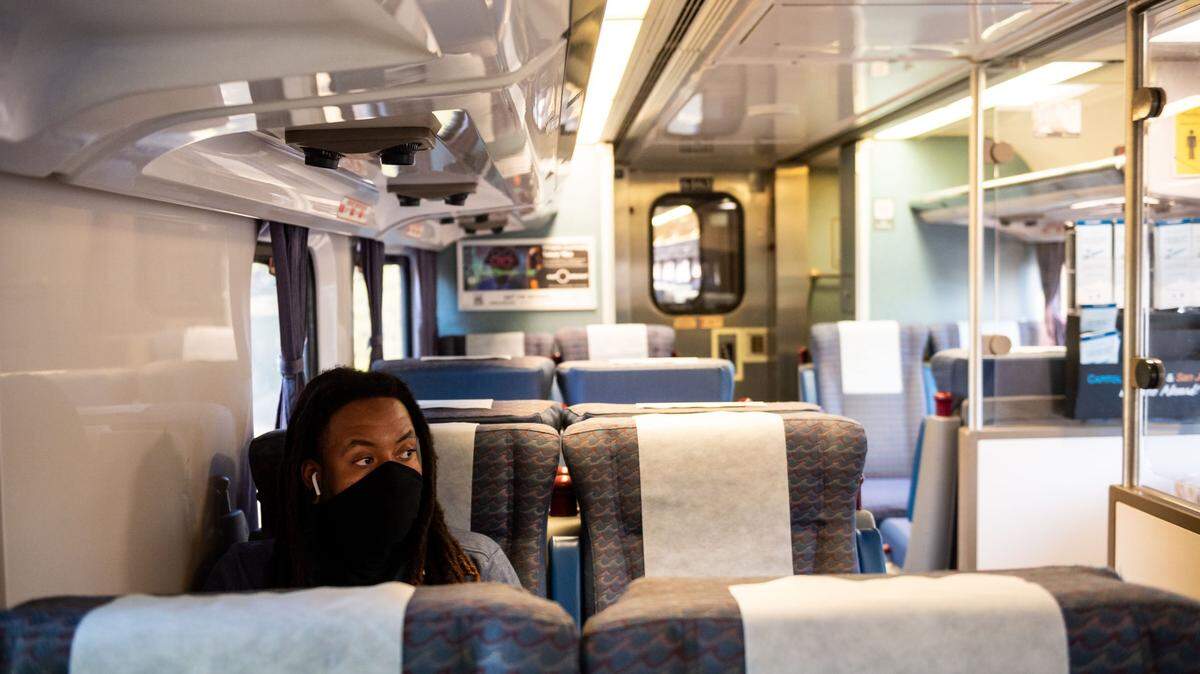
READ MORE
Commuter Traffic in Sacramento
As the coronavirus pandemic eases and workers head back to the office, what will commuter traffic look like in the Sacramento region?
Expand All
Why traffic gridlock is about to hit the Sacramento region — and how it can be avoided
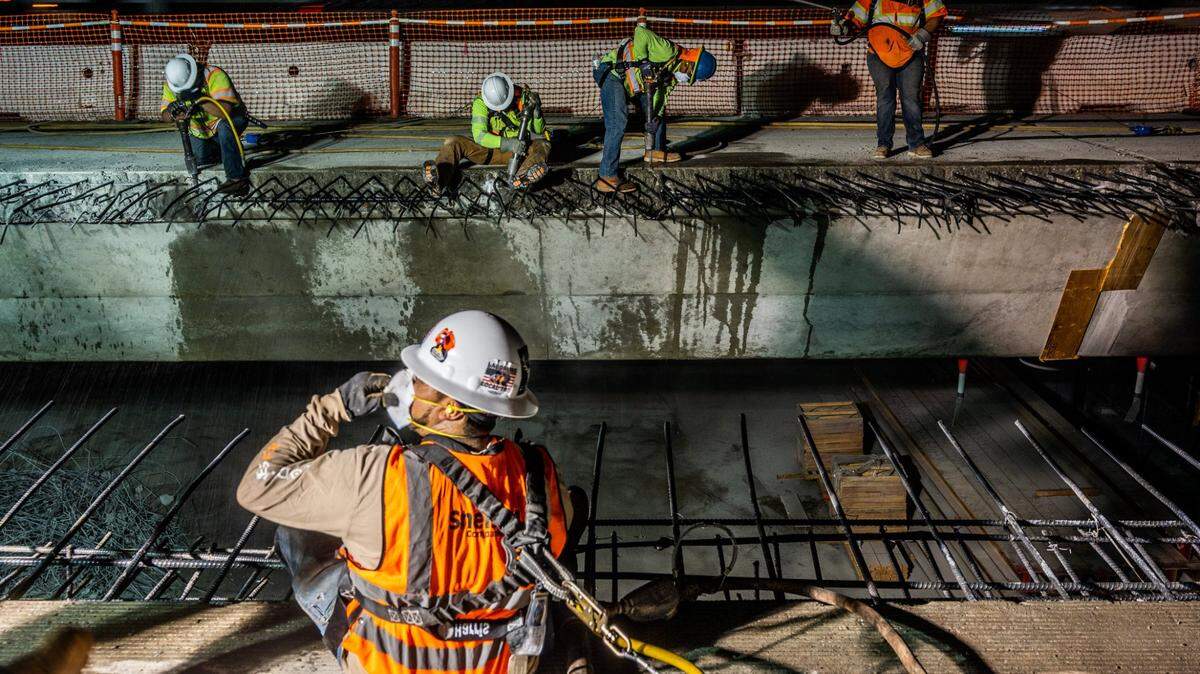
These 6 major construction projects will slow your Sacramento-area commute this summer
Video: Why we’re about to see some intense traffic congestion in Sacramento region
Future of Sacramento region transportation is long distance transit, not wider highways
A patchwork quilt of conflicting interests have dictated transportation decisions in the Sacramento region for decades. We need a new cohesive strategy that takes into account how we’ve lived during the pandemic, and invests in future modes of transportation that can adapt to California’s changing climate.
After 16 months of pandemic-induced teleworking for many of us, the thought of getting in a car and spending an hour — or several — per day commuting seems absurd. But post-pandemic life is steadily coming into focus. While we don’t yet know what this means for our commutes, we do know that it will be different.
Real estate analysts say Sacramento’s metropolitan area grew more than any other in the country during the pandemic, fueled by a large influx of Bay Area migrants. UC Davis transportation expert Giovanni Circella told The Bee that traffic is already close to pre-pandemic levels, and we may see an even greater increase when teleworking winds down.
It’s hard to predict how congestion and commuting patterns will look this fall when schools fully reopen and employees return to their offices in some fashion. But population growth of any kind will put more stress on the region’s entire transportation network. How leaders respond will have long-standing implications on the quality of life in Sacramento.
To create a healthy six-county region, it’s paramount that future transportation decisions reflect the changes caused by the pandemic, as well as the behaviors and priorities of younger generations who will inherit these systems. Specifically, we need to break from old patterns and reduce vehicle traffic by increasing our investment in sustainable methods of transportation.
The Sacramento metropolitan area needs a new regional transportation plan that serves all six counties and has the backing to establish a long-distance transit network that doesn’t just link the suburbs to work centers downtown, but also makes it easier to reach the Bay Area.
For decades, transportation planning and funding decisions in the Sacramento region have been made by overly bureaucratic bodies, composed of elected leaders, public officials and private entities who tend to operate in silos. They’re susceptible to deep-pocket developers and interest groups who have the resources to sway them to support big-ticket projects that increase sprawl. That’s why so much political capital is often thrown at highway and freeway expansions, rather than transit extensions.
How do we know that our notions about transportation are outdated?
We know because climate change is occurring faster, and this year’s heat, drought, and wildfires have shown that. Funding agencies are prioritizing environmentally-conscious projects that reduce vehicle miles, promote walkable, bikeable communities and spur sustainable growth. Before the Biden Administration capitulated to Senate Republicans, the multitrillion-dollar infrastructure plan was staked on investments to slow global warming.
Sacramento is the only city in the area with a transportation sales tax, which means outside funding is the lifeblood for most projects. This region needs to be oriented in the right direction so we can be a competitive force in attracting state and federal dollars. For elected officials, that starts with being bold enough to be less reliant on developers and trade groups.
The pandemic forced us to strengthen our relationship with our neighborhoods and surrounding communities. Walking, biking and short car trips became a part of our routines. We visited more local shops and restaurants. This sort of environment is desired in the suburbs, too, just at a different scale.
No one knows how much teleworking will change commuting patterns in the months and years ahead, but treating gridlock with wider highways will only make things worse. The Sacramento region needs leaders who are willing to shed outdated ideas and plan for a six-county region linked by transit systems that add to the quality of life, not large highways that will ensnare future generations.
This story was originally published July 14, 2021 at 5:00 AM.