
Sacramento’s leaders are letting this heat wave sicken and kill the area’s homeless people
READ MORE
California Heat Wave
Click the arrow below for more coverage of the dangerous California heat wave.
Expand All
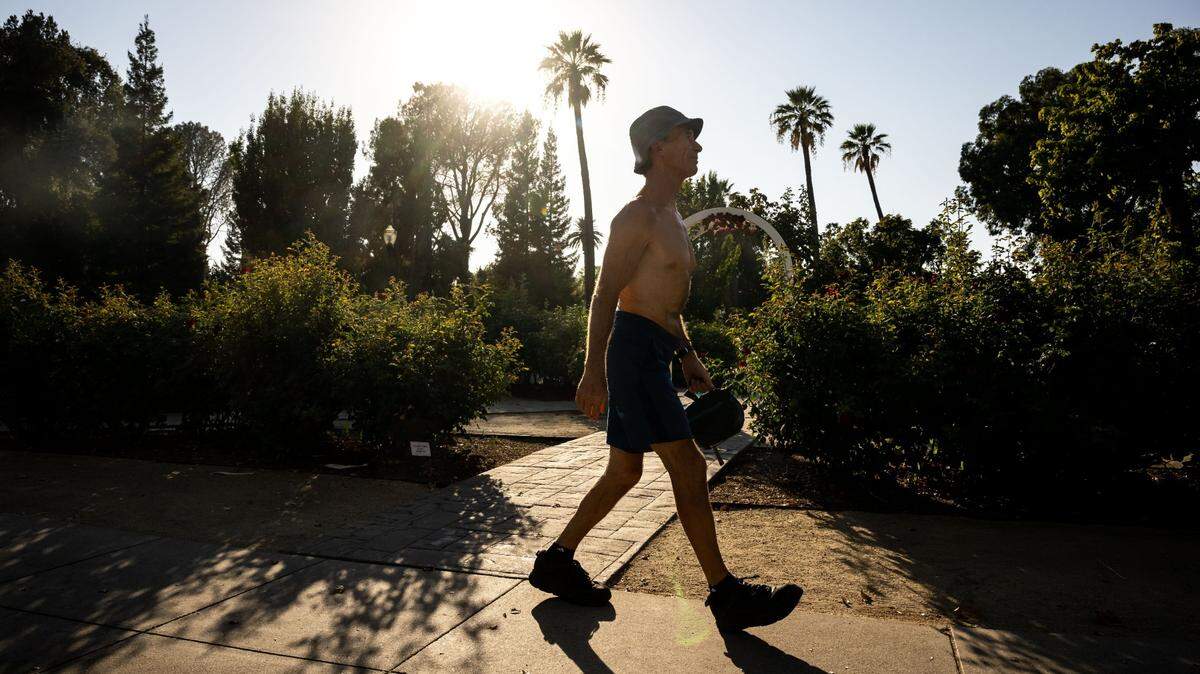
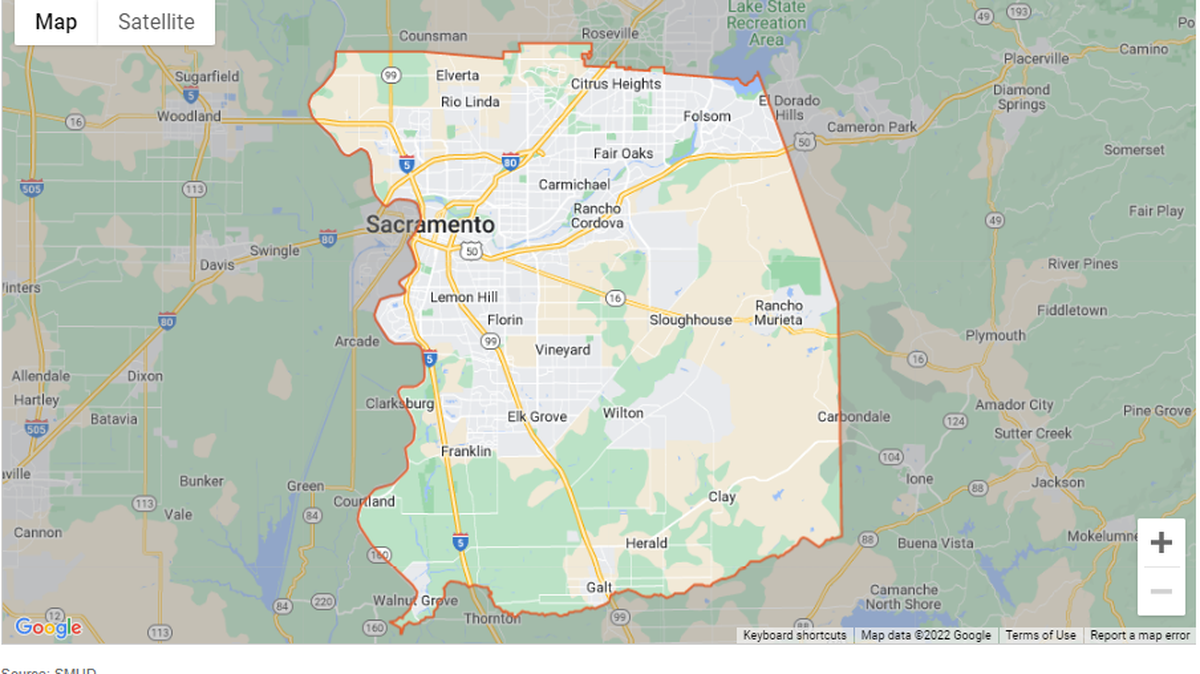
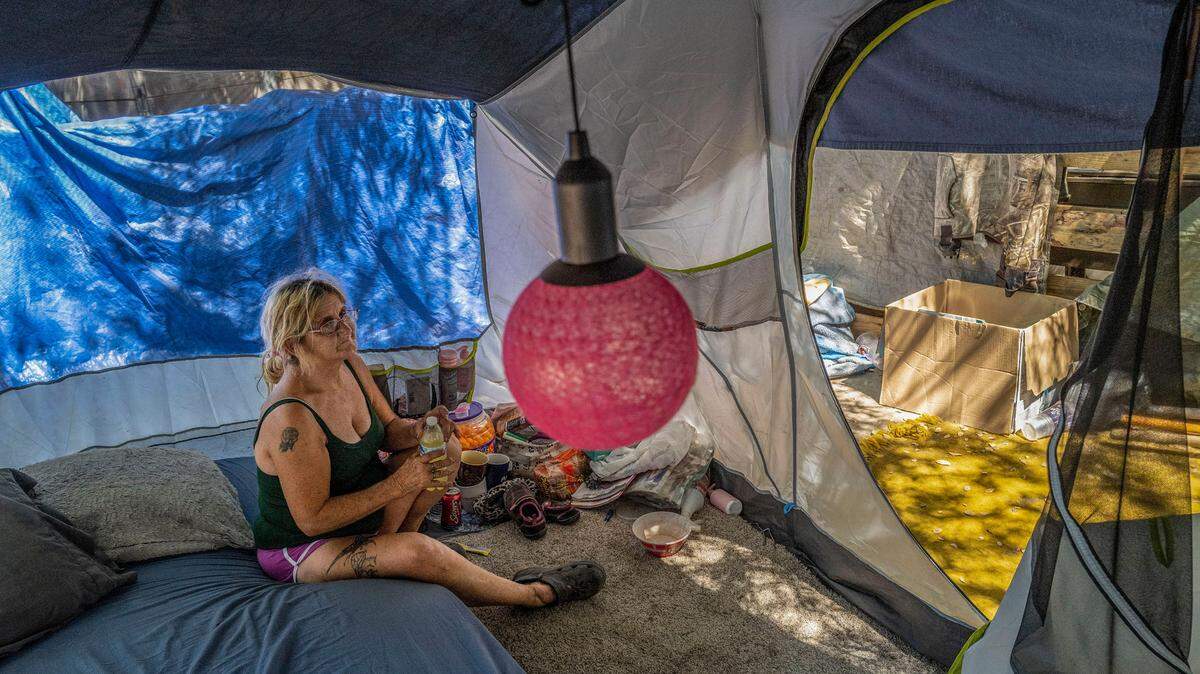
We are facing a severe heat wave in the Sacramento region: Temperatures are expected to soar into the triple digits for six consecutive days. This will disproportionately affect people without housing or access to air conditioning in an area with extremely limited shelter and cooling options.
During the last comparable heat wave, from Aug. 13 through Aug. 19 in 2020, we saw 801 more people seek treatment in Sacramento emergency departments that did so the week before.
As emergency medicine physicians, we see what these numbers mean firsthand. We treat severe dehydration and heat stroke. We care for exhausted people who pass out on scalding asphalt and suffer extensive burns. We witness people dying from heat stroke in the summer and hypothermia in the winter.
We see the acute need, as a community, to do more to provide shelter.
Despite the increasing frequency and severity of such heat waves, local municipalities have provided meager assistance during extreme weather events. Sacramento County and City have activated a mere eight cooling centers. Unfortunately, the centers are vastly underutilized because of their geographic distribution, limited capacity and hours, prohibitive rules, unpredictable open dates and suboptimal community awareness. According to county reports, only 381 people were able to access the county’s cooling centers in 2021, a testament to their ineffectiveness in meeting the unhoused community’s need.
The most recent point-in-time count found that Sacramento County has nearly 9,300 homeless residents living outdoors. Many sources suggest that may be underestimating the true number.
There is a galling dearth of shelter beds and accessible housing options in our county. The approximately 2,500 current shelter beds leaves a deficit of about 7,000 or more.
Yet the Sacramento County Board of Supervisors recently voted unanimously to move forward with two ordinances criminalizing people experiencing homelessness: One targets those seeking shelter along the American River Parkway, while the other prohibits camping near vaguely defined “critical infrastructure.” At the same time, the Sacramento City Council moved forward with an ordinance to clear unhoused people from sidewalks and other public spaces.
Measure O on the November ballot would also increase the criminalization of homelessness without providing meaningful resources. In effect, these laws punish people living outside while purposelessly shuffling them from place to place and repeatedly displacing them from the locations where they try to establish temporary shelter.
These moves are not only inhumane and hazardous, some advocates have also raised concerns about the legality of this approach. The ordinances create criminal penalties for living outdoors in the absence of “adequate alternatives’‘ — in conflict with the Supreme Court decision in Martin v. Boise, which found a similar law to be in violation of the 8th Amendment protection against cruel and unusual punishment.
We need to respond. We cannot let people become ill and die from preventable risks as the result of policy choices. We cannot let our leaders jail, fine, coerce and displace people experiencing homelessness without providing meaningful alternatives. We need to implement evidence-based, housing-first policies to address this crisis in a humane, comprehensive and sustainable manner.
We are calling on you to take action. Vote no on Measure O in November, and prevent the city from continuing to criminalize our unhoused neighbors without providing any meaningful assistance.
We need to immediately decrease the threshold to open emergency cooling and warming centers, increase capacity and geographic distribution of these centers and remove barriers to accessing these resources in ways that are responsive to the stated needs of the unhoused community. Our city and county must open more responsive weather shelters and long-term, supportive housing.
This story was originally published September 7, 2022 at 5:00 AM.




.JPG)
.jpg)

.JPG)