
How can Sacramento heat turn fatal? What to know with temps above 110
READ MORE
California Heat Wave
Click the arrow below for more coverage of the dangerous California heat wave.
Expand All
Here’s why you should approach the California excessive heat wave with caution — staying cool in air conditioned indoor spaces or cooling centers as much as possible:
Why is the heat wave so dangerous?
The body has to cool off at night, especially after a 100-degree day, according to the U.S. Environmental Protection Agency. If the air stays too warm, the body works in overdrive to regulate its temperature, leaving it susceptible to heat-related illnesses like heat exhaustion and heat stroke.
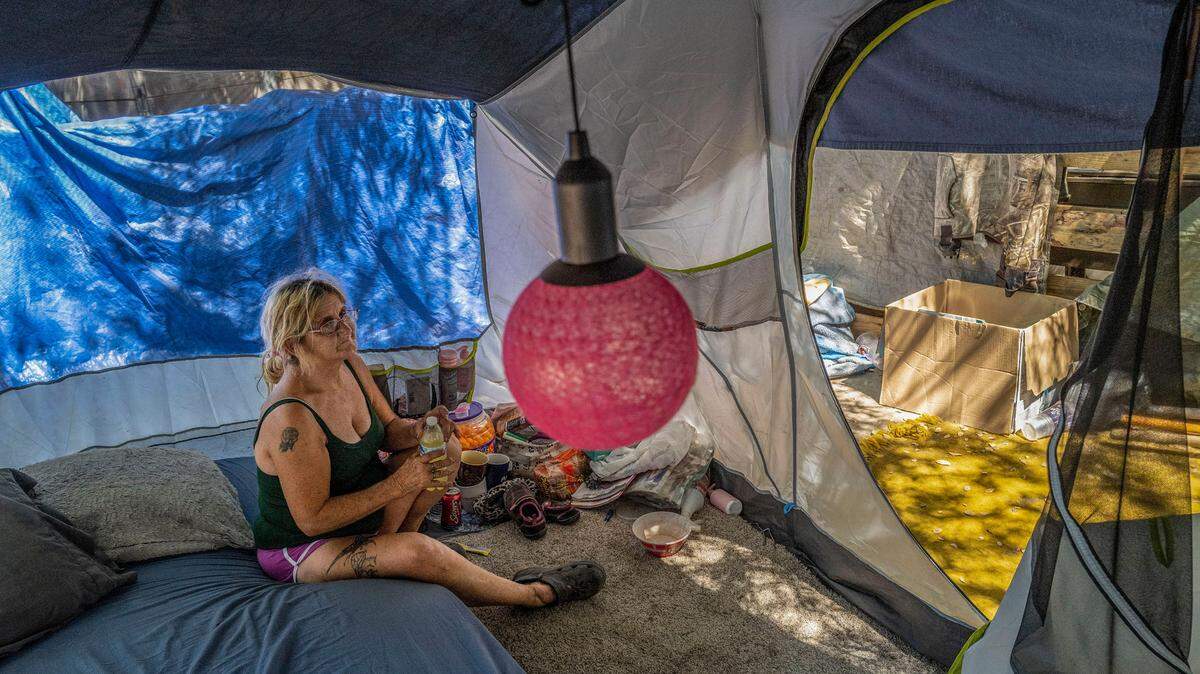
Heat exhaustion, according to the Centers for Disease Control and Prevention, is the body’s response to an excessive loss of water and salt as a result of profuse sweating. Those most at risk include the elderly, people with high blood pressure, those working in hot conditions and the homeless population.
Heat exhaustion, if left untreated, can lead to a potentially fatal heat stroke.
According to the CDC, heat stroke is the most serious heat-related illness. A body experiencing heat stroke can have a temperature of 106 degrees or higher within 15 minutes of a stroke.
Once the body can no longer control its temperature, it can’t cool itself down, possibly causing permanent damage or even death if not treated immediately.
Here are the symptoms of heat exhaustion and heat stroke and what to do if someone you know is experiencing either of the heat-related illnesses, according to the CDC:
Heat exhaustion symptoms include:
Headache
Nausea
Dizziness
Weakness
Irritability
Thirst
Heavy sweating
Elevated body temperature
Decreased urine output
Heat stroke symptoms include:
Confusion or altered mental state
Slurred speech
Loss of consciousness
Hot, dry skin
Excessive sweating
Seizures
High body temperature
If someone you know is experiencing heat exhaustion or a heat stroke, call 911 for emergency care.
While you wait for assistance, move the person to a shaded area, remove their outer layer of clothing and apply water or ice to their skin and clothing, the CDC wrote on its website. If the person is experiencing heat exhaustion, give them cool water to drink.
This story was originally published September 5, 2022 at 5:00 AM.

.JPG)
.jpg)

.JPG)