Here’s what to do (and not do) if you hydroplane on Sacramento roads during winter storm
READ MORE
Northern California Storms
Click on the arrow below to read more on the storms and flooding in Northern California.
Expand All
It’s important to be extra careful on slick roadways when it rains in Sacramento.
Here’s what you need to know about hydroplaning, including what it feels like, how to prevent it and what to do and what not to do if it happens to you.
What is hydroplaning?
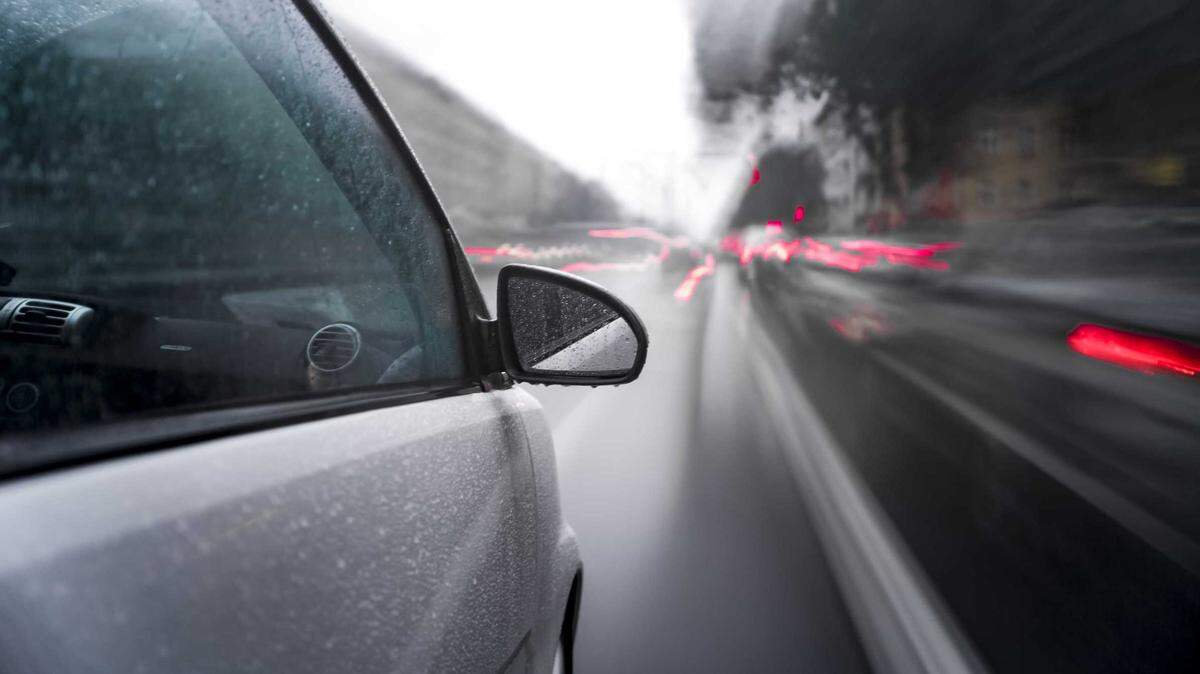
Your car is capable of hydroplaning in both heavy rainfall or on roads that are only slightly damp.
Instead of the car being in contact with the surface of the road, California Department of Motor Vehicles wrote on its website, it’s riding on stagnant water.
When this happens, you’re not in control of your vehicle.
How to prevent hydroplaning
As a general rule, slow down whenever there’s water on the road. The faster you drive, the easier it will be to loose control of your car.
While cars with low tire pressure or tires with worn-down treads are more susceptible to hydroplaning, slick roads can cause any car to loose control.
TURN AROUND DON’T DROWN
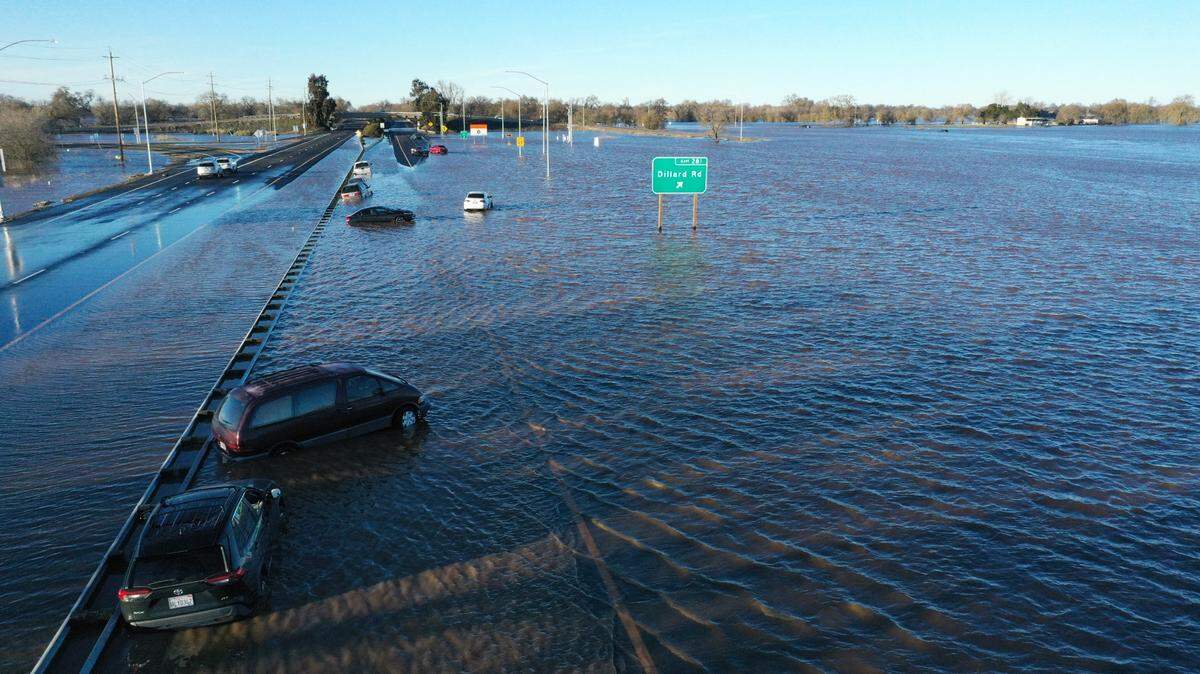
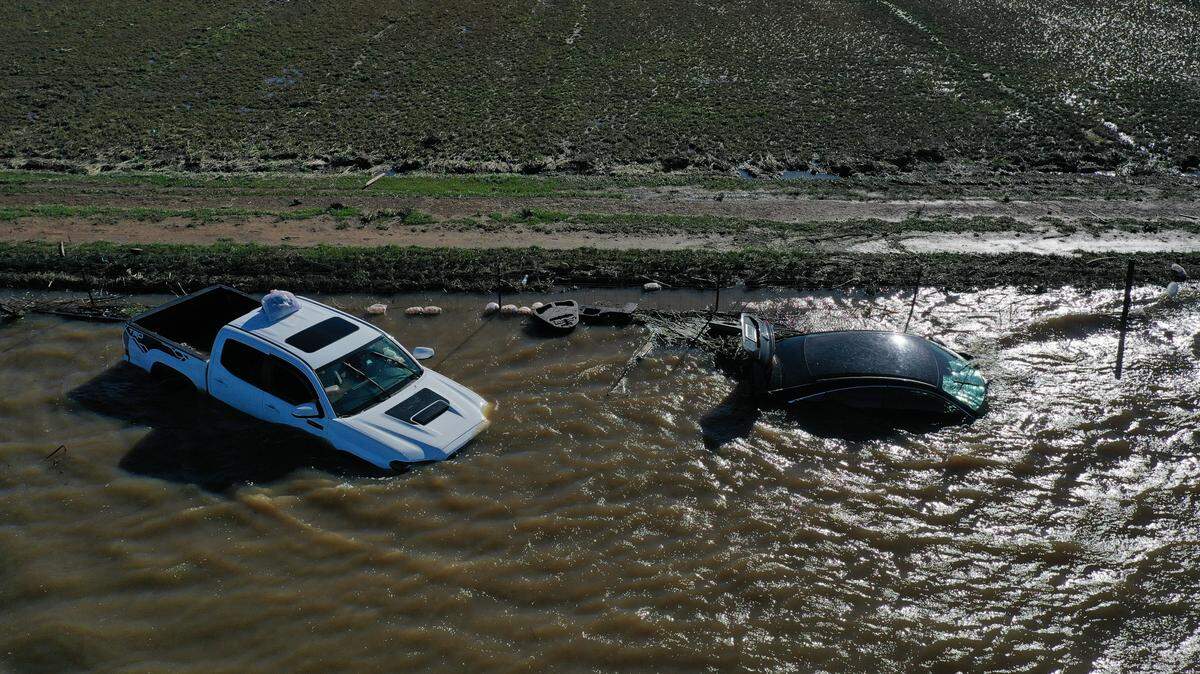
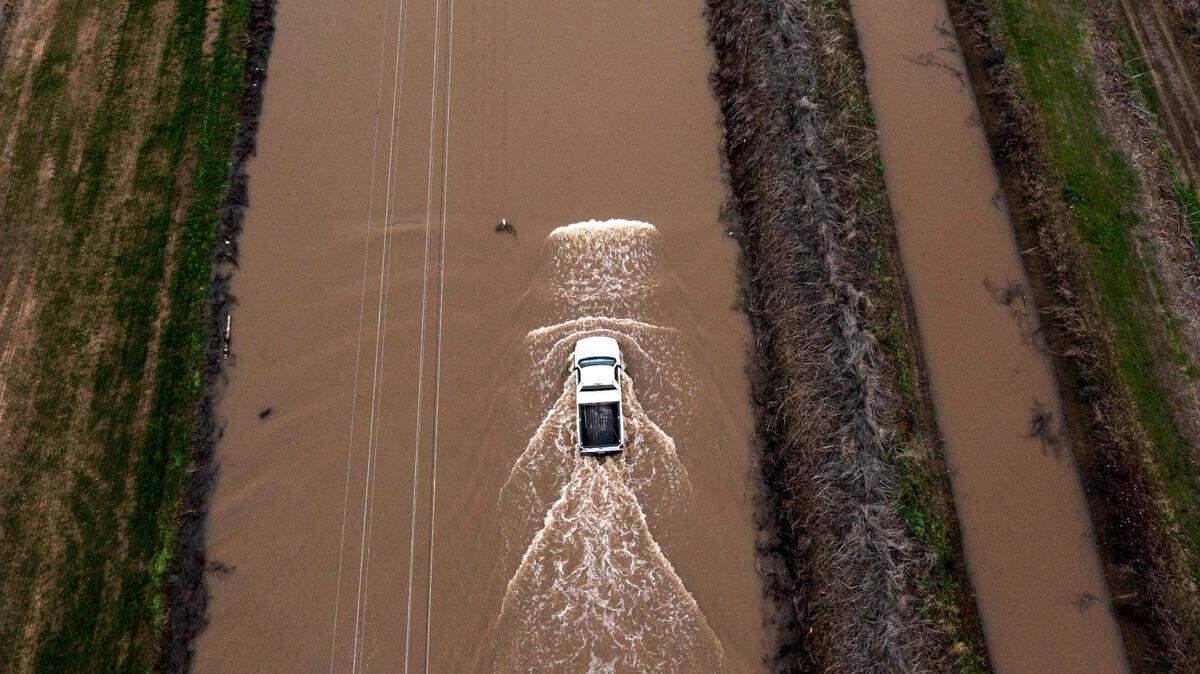
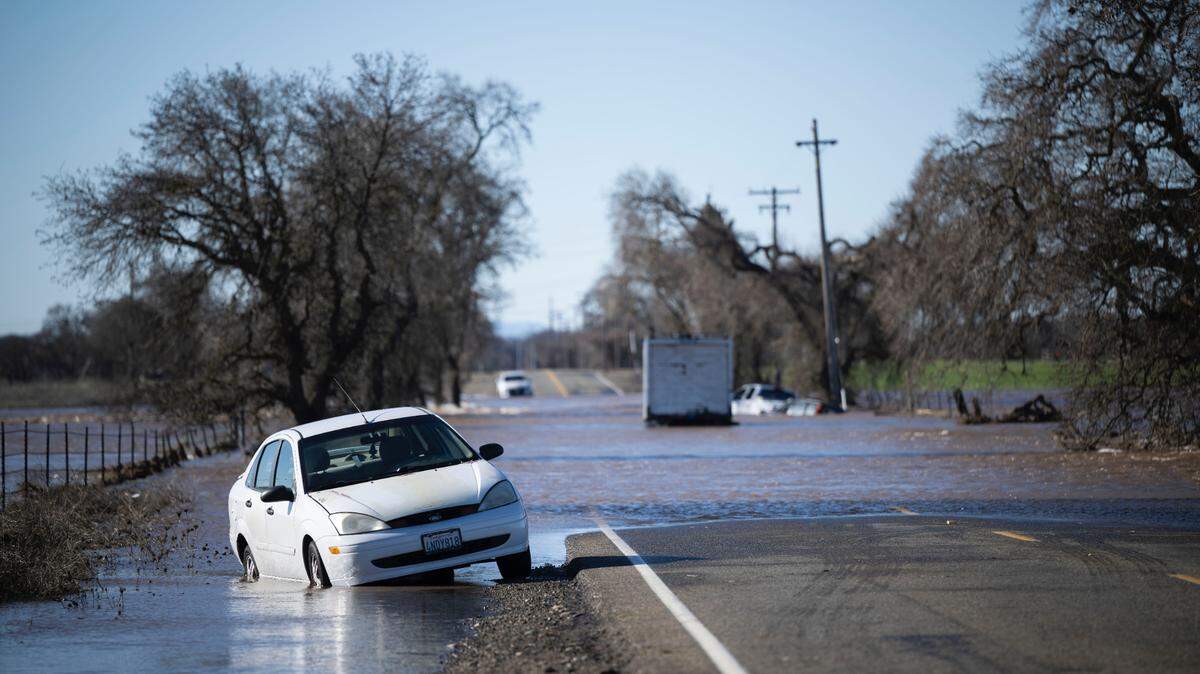
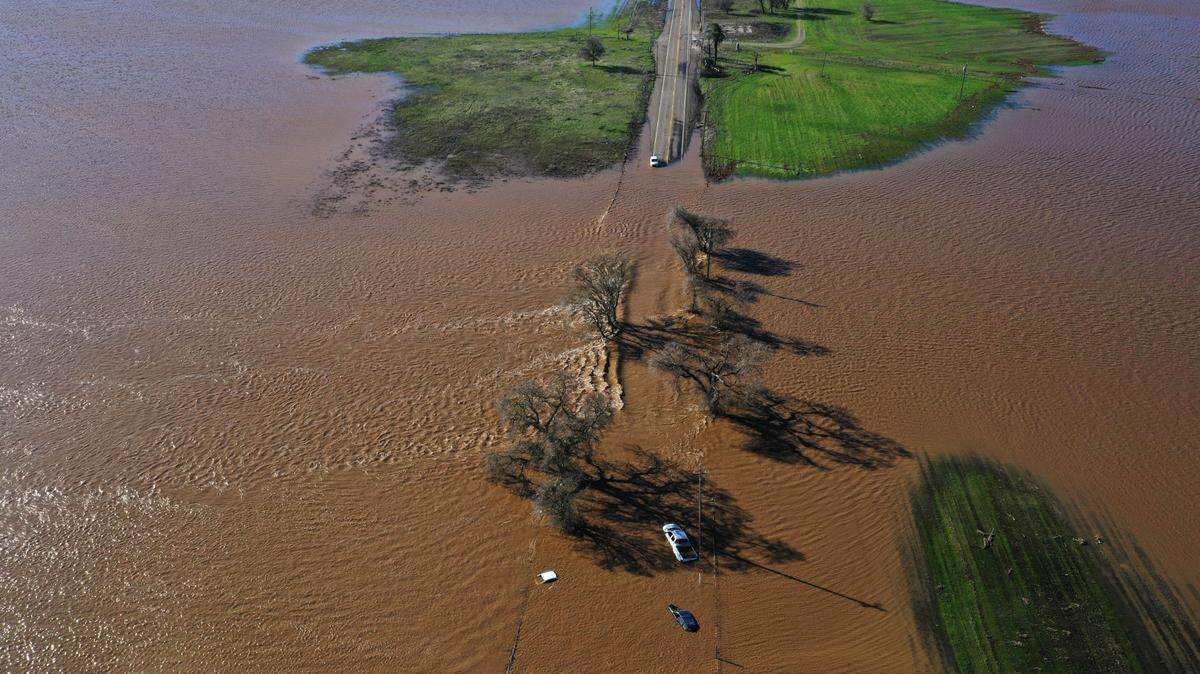
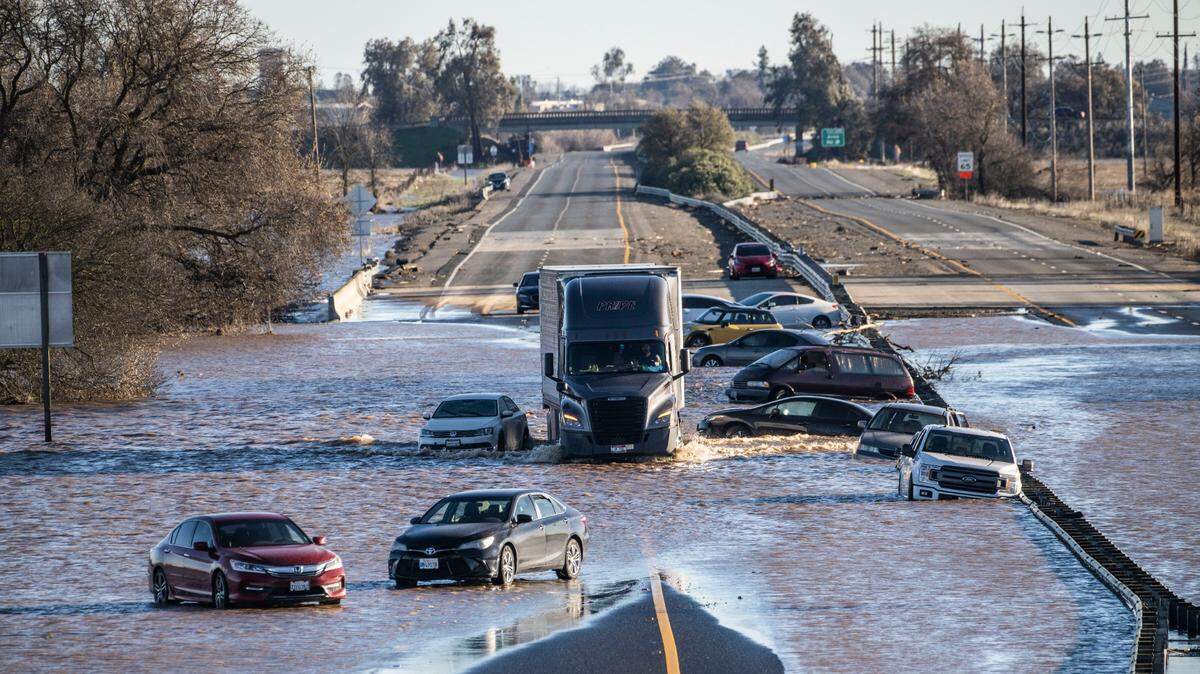
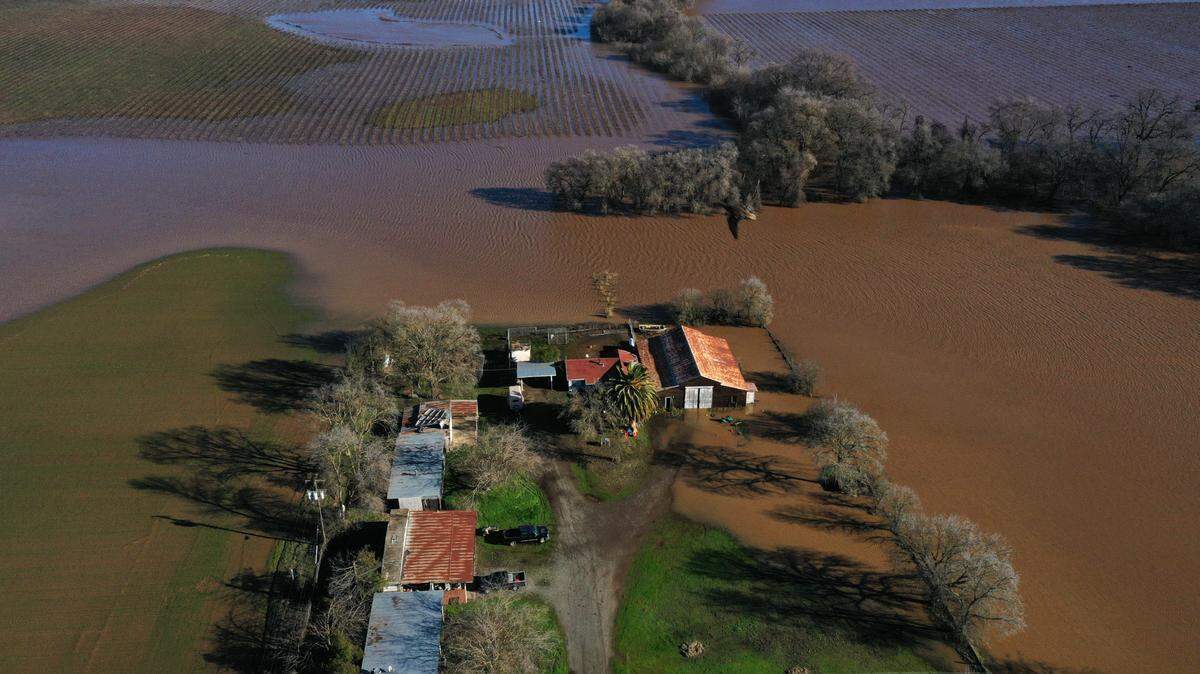
Drivers should also avoid any roadways that have collected water.
Not only will flooded roadways easily cause your car to hydroplane, but they also come with several other risk factors.
Here are a few, provided by the California Department of Motor Vehicles:
- The vehicle being swept off the road
- Floating debris and unseen hazards
- The roadway collapsing
- Vehicle malfunction (brake failure)
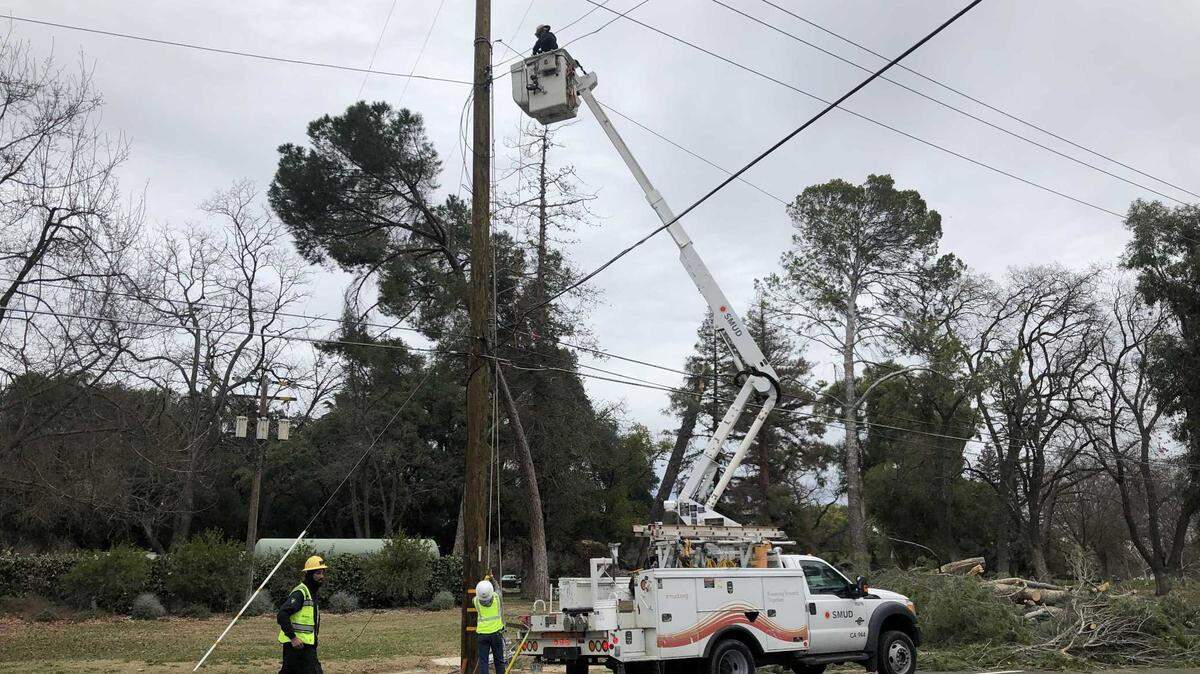
- Electrocution if accompanied by fallen power lines
If you have no other option but to drive through water, California Department of Motor Vehicles wrote on its website, do so slowly and immediately check your break system after.
Don’t use your cruise control.
What to do if your car hydroplanes
When your car begins to hydroplane, you’re no longer in control of it. Meaning, a slight change to its direction or even the wind can make your car skid.
If your car begins to hydroplane, do not touch the brakes and do not turn your steering wheel in the opposite direction of the skid.
Instead, try to slow your car down gradually by releasing the accelerator and pushing the clutch. According to Nationwide, an insurance company, you should use “a light pumping action on the pedal if you need to brake. If you have anti-lock brakes, you can brake normally.”
Once you’ve regained control of your car, you should pull over to a safe location for a breather before continuing your trip.
This story was originally published January 4, 2023 at 3:49 PM.